Bear Encounters: Safety Tips for Campers
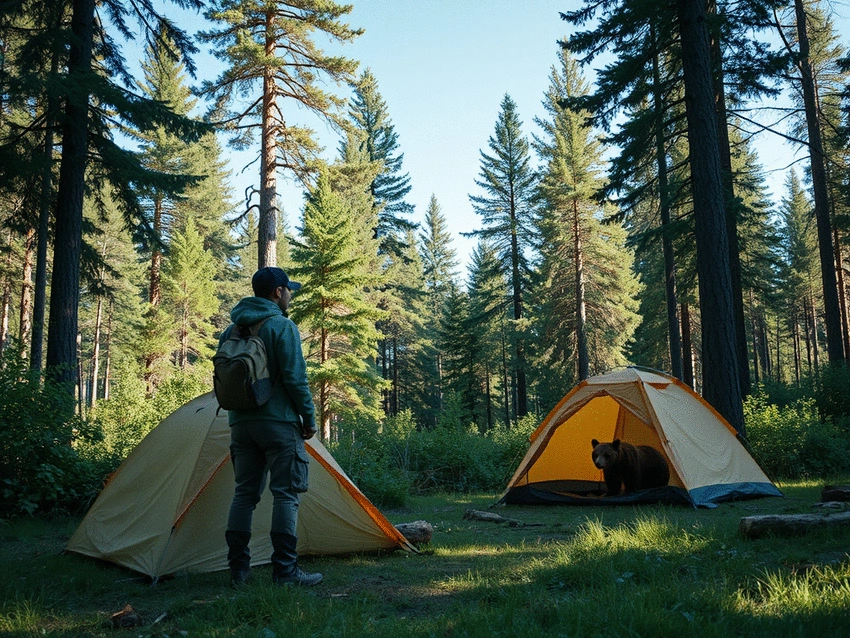
As you set out on your next camping adventure, consider this: how prepared are you to handle unexpected wildlife encounters? Understanding bear safety could be the key to enjoying the beauty of nature while ensuring your safety.
What You Will Learn
- Bears are attracted to food; proper food storage is essential to avoid encounters.
- Recognizing the differences between black bears and grizzly bears can be lifesaving.
- Bears are most active at dawn and dusk; understanding their habits enhances your safety.
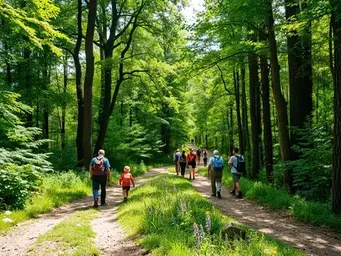
- Always make noise while hiking to alert bears of your presence and travel in groups when possible.
- Familiarize yourself with local wildlife regulations to ensure a safe camping experience.
- Participate in bear safety courses to equip yourself with essential skills and knowledge.
Bear Safety While Camping: Key Distinctions & Protocols
Understanding the key differences between bear types and adhering to essential safety protocols are crucial for a safe camping experience in bear country. The visual below highlights these critical aspects.
Bear Types:
Black Bear vs. Grizzly Bear
- Black Bear: Smaller, timid, often retreats.
- Grizzly Bear: Larger, aggressive, shoulder hump.
Improper Food Storage: Strong scents attract.
Human Activity: Near natural food sources.
Scented Toiletries: Unintentional attractants.
Educate Yourself: Bear behavior & habitats.
Proper Food Storage: Always secure food.
Make Noise: Alert bears of presence.
Activity Times: Dawn & dusk.
Sign Recognition: Claw marks, scat.
Seasonal Awareness: Foraging in fall.
Understanding Bear Safety While Camping
As outdoor enthusiasts, we all cherish the beauty of nature, but with that comes the responsibility of ensuring our safety and the safety of wildlife. Bear encounters can be an unexpected part of camping, especially in bear country. It’s essential to understand why these encounters happen and how we can minimize risks while enjoying the great outdoors. The Alaska Department of Fish and Game offers comprehensive resources on living with bears in bear country.
In my years of hiking, I’ve come across bears more than a few times, and each encounter has taught me valuable lessons. Knowing what attracts bears and how to respond is crucial for any camping adventure!
Why Bear Encounters Happen in the Wild
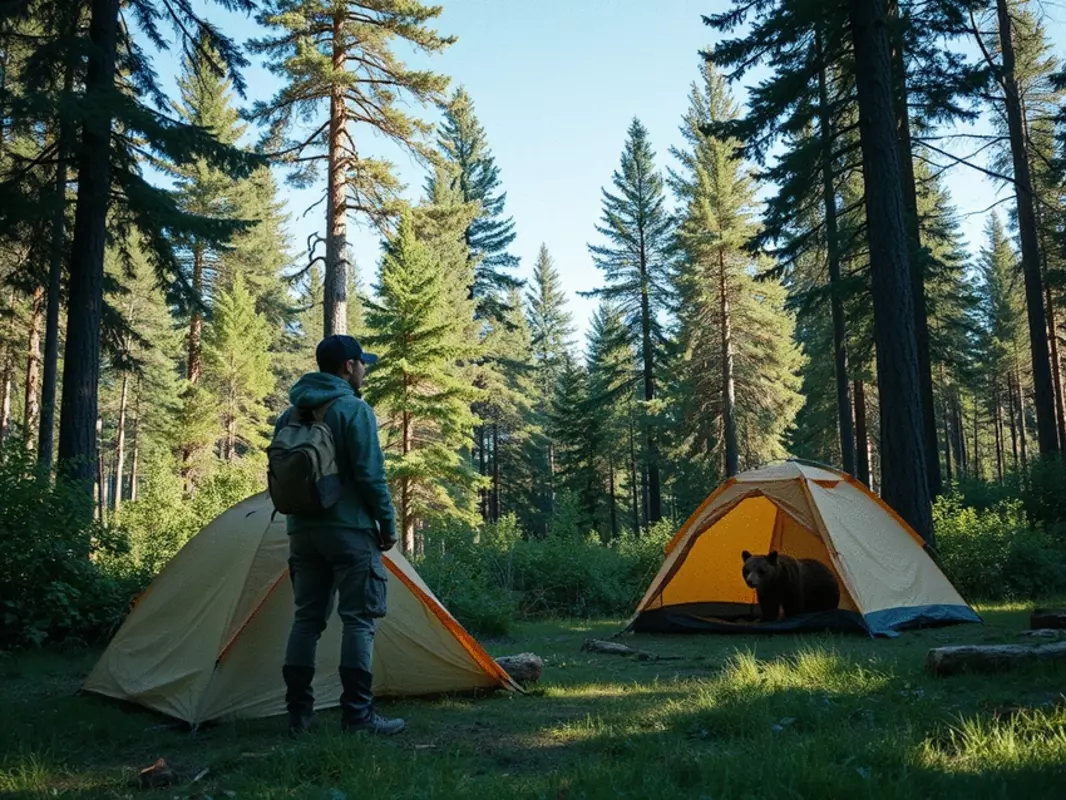
Bear encounters often happen due to a variety of reasons. One significant factor is food availability—bears are naturally curious and driven by their sense of smell. If they detect food or food wrappers, they might come closer to investigate.
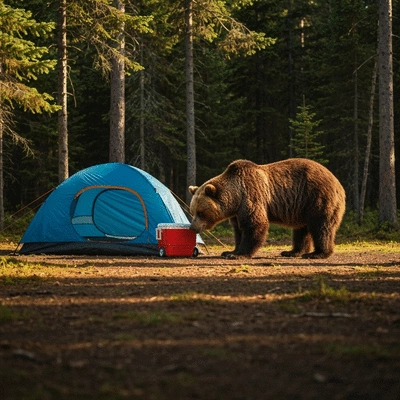
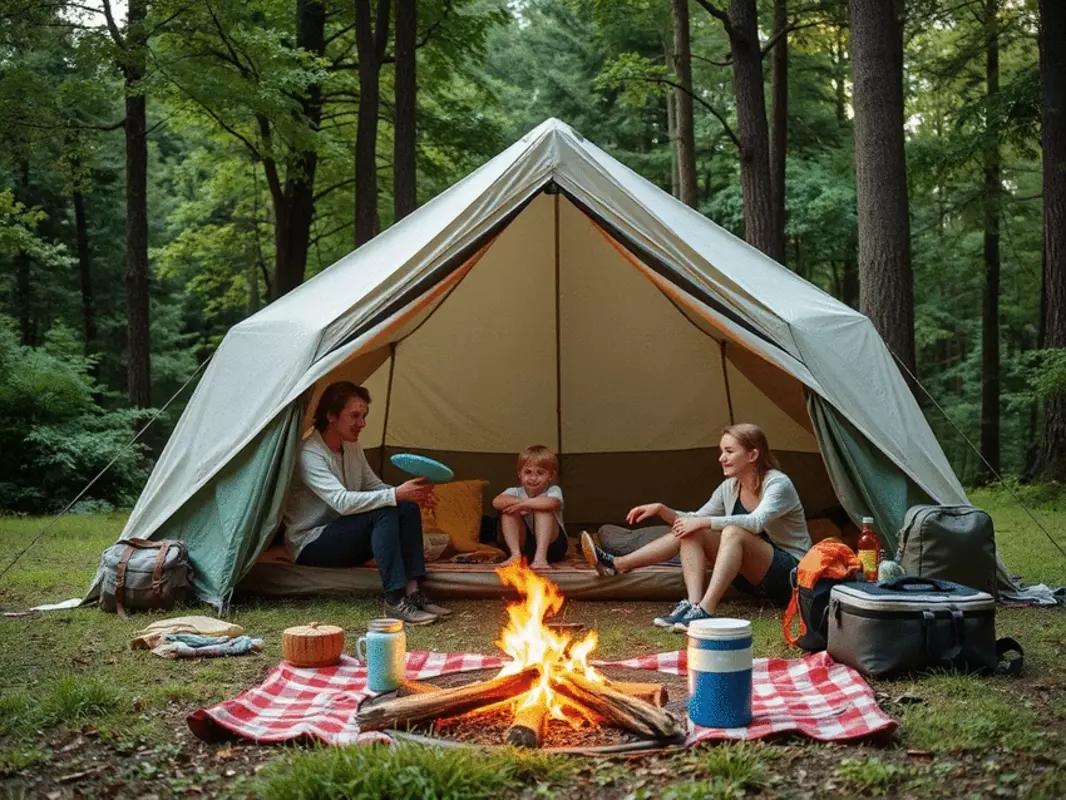
- Improper food storage at campsites
- Human activities near natural food sources
- Unintentional attractants like scented toiletries
Understanding these reasons helps us take preventative measures. It’s also important to recognize that bears are not inherently aggressive; they typically want to avoid humans if possible.
Common Types of Bears Encountered by Campers: Black vs. Grizzly
When camping, you might encounter different species of bears, each with unique behaviors. The two most common types are black bears and grizzly bears. Knowing how to distinguish between the two can be lifesaving.
- Black Bears: These bears are typically smaller and can range in color from black to brown. They are generally more timid and tend to retreat when they sense humans.
- Grizzly Bears: Larger and often more aggressive, grizzlies have a distinctive hump on their shoulders. Encountering one requires careful knowledge of safety protocols.
Understanding these differences not only prepares you for a potential encounter but also helps you respect their habitat.
Bear Behavior: Understanding Their Patterns and Habitats
Understanding bear behavior is crucial for safe camping experiences. Bears are most active at dawn and dusk and tend to forage near food sources. They often follow trails leading to berry patches or water sources.
- Look for signs of bear activity, such as claw marks on trees or bear scat.
- Know the seasonal patterns: bears emerge from hibernation in spring and may be foraging heavily in the fall.
By respecting their habits and habitats, we can better coexist with these magnificent creatures while enjoying our adventures in the wild!
Quick Summary
Here's a brief recap of the key points discussed so far:
- Bear encounters often occur due to food availability and improper storage.
- Understanding the differences between black bears and grizzly bears is crucial for safety.
- Being educated about bear behavior and local regulations can significantly reduce risks.
Frequently Asked Questions (FAQs) About Bear Safety While Camping
- Q: What are the primary attractants for bears at a campsite?
- A: Bears are primarily attracted to food, food wrappers, and even scented toiletries due to their keen sense of smell. Improper food storage is a significant factor in bear encounters.
- Q: How can I differentiate between a black bear and a grizzly bear?
- A: Black bears are typically smaller and more timid, often retreating when they sense humans. Grizzly bears are larger, usually have a distinctive shoulder hump, and can be more aggressive. Knowing these differences is crucial for appropriate responses.
- Q: What are the best practices for food storage in bear country?
- A: Always store food properly in bear-resistant containers, hung from a tree, or in your vehicle's trunk. Never leave food or garbage unattended at your campsite.
- Q: When are bears most active, and how does this affect my camping plans?
- A: Bears are most active at dawn and dusk. It's advisable to be extra vigilant during these times and to make noise while hiking to alert bears of your presence.
- Q: Where can I find more information about bear safety and specific regulations for my camping area?
- A: You can consult resources like the National Park Service, local wildlife services, and participate in bear safety courses offered by organizations like Parks Canada, which provides safety information for interacting with bears.
Preparing for Safe Camping in Bear Country
As an outdoor enthusiast, I deeply understand the importance of preparing for safe camping in bear country. It's essential to arm yourself with knowledge and follow safety protocols to ensure a peaceful adventure. Having spent years exploring various trails, I've learned that being proactive can make a significant difference when it comes to encountering wildlife. Here, I’ll summarize the crucial safety measures every camper should keep in mind.
Summarizing Safety Protocols for Bear Encounters
Before heading into bear country, knowing the safety protocols is vital. Here’s a quick checklist of essential measures:
- Educate yourself about bear behavior and habitats.
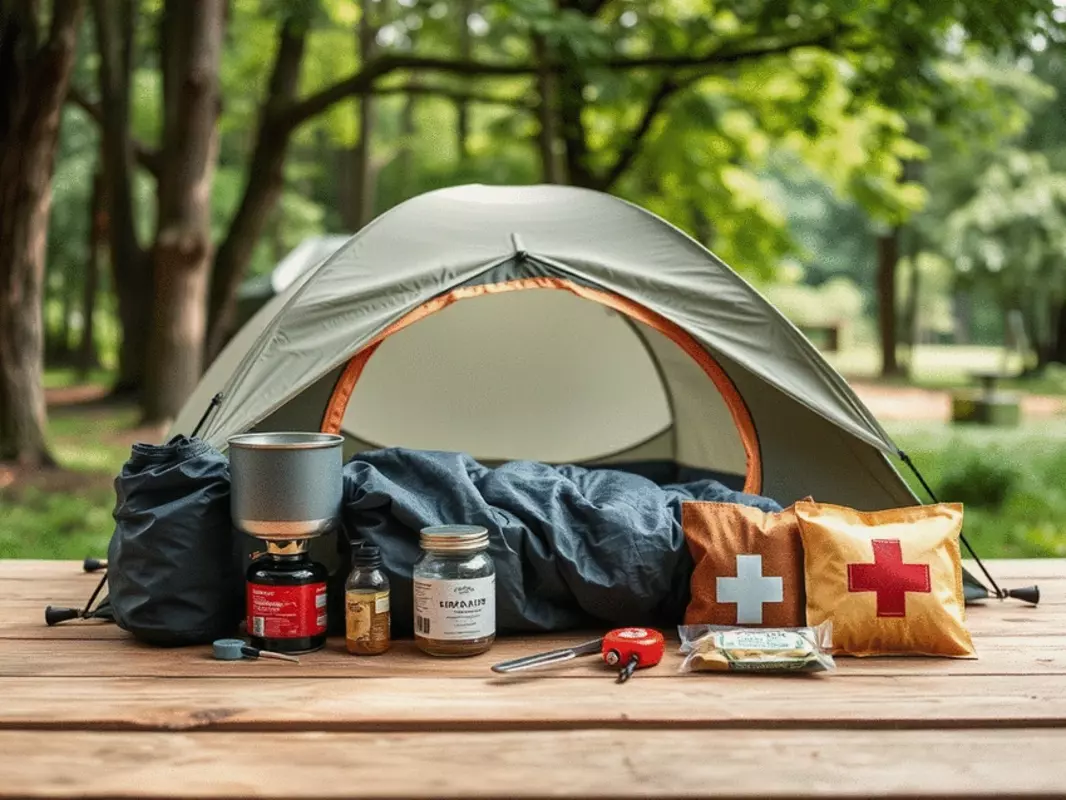
- Always store food properly to avoid attracting bears.
- Practice bear-safe cooking techniques—keep cooking areas clean!
- Make noise while hiking to alert bears of your presence.
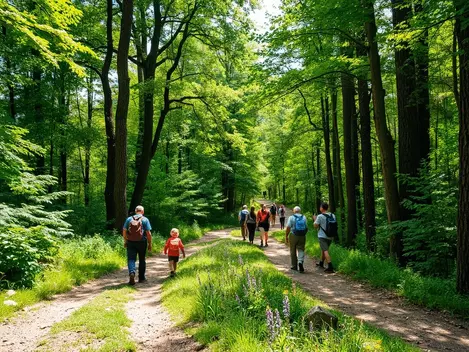
- Travel in groups whenever possible.
By following these protocols, you'll be better prepared for any bear interactions while camping. Staying informed and aware is your best defense!
The Importance of Education and Awareness in Bear Safety
When it comes to bear safety, education and awareness can’t be overstated. Understanding the behaviors of bears can significantly reduce the likelihood of encounters. Campsites like Backpack Hiking aim to empower campers by sharing resources and information about wildlife safety. The National Park Service also provides valuable guidance on bear safety.
Wildlife Regulations: Understanding the Laws and Guidelines
Each region has specific wildlife regulations regarding bear encounters. Familiarizing yourself with the local laws helps protect both you and the bears. Here are key regulations to consider:
- Know the designated camping areas and bear management zones.
- Understand food storage regulations and practices specific to your campsite.
- Be aware of any seasonal guidelines regarding bear activity.
Staying informed about these regulations can enhance your safety and enrich your outdoor experience!
Outdoor Safety Education: Resources for Campers
There are various resources available for campers looking to expand their knowledge about bear safety. Here are some valuable options:
- Attend local workshops or seminars on bear safety.
- Consult online resources, such as the National Park Service, for guidelines.
- Participate in community forums to share insights and learn from fellow hikers.
At Backpack Hiking, we're committed to providing you with the information you need to explore safely. Empowering yourself with knowledge is the first step towards responsible camping!
Encouragement to Share Your Bear Safety Stories
Every hiker has a story to tell, especially when it comes to bear encounters! I encourage you to share your experiences, whether they were enlightening or nerve-wracking. Connecting with the community can help us all learn more about staying safe in the wild.
Community Insights: What Have You Learned from Bear Encounters?
Have you had a close encounter with a bear while hiking? Sharing these stories can foster a sense of camaraderie within our outdoor community. I’ve gathered invaluable lessons from my experiences, and I know others have too. Let’s learn from one another!
Call to Action: Stay Informed and Prepared for Your Next Camping Adventure
As you prepare for your next outdoor adventure, remember that knowledge is your best ally. Stay informed about bear safety and always practice caution on the trails. By doing so, you can enjoy the beauty of nature without unnecessary worry.
Participating in Bear Safety Courses for Enhanced Knowledge
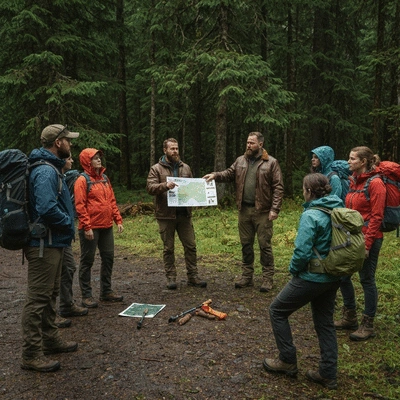
If you’re serious about understanding bear safety, consider signing up for a bear safety course. These courses can equip you with practical skills and knowledge that could make all the difference during your trips. Organizations like local parks and wildlife services often offer these invaluable courses, so check them out!
Recap of Key Points
Here is a quick recap of the important points discussed in the article:
- Understand Bear Behavior: Recognize that bear encounters often occur due to food availability and curiosity.
- Know Your Bears: Distinguish between black bears and grizzly bears to respond appropriately during encounters.
- Store Food Properly: Always practice bear-safe food storage techniques to minimize attractants.
- Stay Educated: Attend workshops and utilize online resources to enhance your knowledge about bear safety.
- Follow Local Regulations: Familiarize yourself with wildlife laws and guidelines specific to your camping area.