Ethical Hiking: Leave No Trace
What if the actions you take during your outdoor adventures could help preserve nature for generations? Embracing the Leave No Trace principles allows you to enjoy the great outdoors while ensuring its beauty remains intact.
What You Will Learn
- The seven core Leave No Trace principles that guide responsible hiking.
- Why ethical wilderness travel is crucial for protecting delicate ecosystems.
- The role of the Leave No Trace Center for Outdoor Ethics in promoting responsible practices.
- Key benefits of practicing Leave No Trace, including community building and enhanced outdoor experiences.
- Practical steps you can take to minimize your environmental impact while hiking.
- How collective responsibility among hikers can lead to more sustainable wilderness areas.
Key Benefits of Practicing Leave No Trace Principles
The Leave No Trace principles offer numerous advantages, ensuring the preservation of our natural environment and enhancing the outdoor experience for everyone.
Preservation of Natural Resources
By minimizing our footprint, we help preserve delicate ecosystems.
Enhancement of Visitor Experiences
Cleaner and healthier parks lead to more enjoyable outdoor adventures.
Community Building
Promoting shared values encourages camaraderie among outdoor enthusiasts.
Increased Awareness
Understanding the impact of our actions fosters a deeper appreciation for nature.
Understanding Leave No Trace Principles for Responsible Hiking
As an avid hiker, I've always felt a deep connection with nature. That's why understanding the Leave No Trace principles is essential for responsible hiking. These principles guide us to enjoy the great outdoors while preserving it for future generations. They help ensure that our adventures don’t come at the expense of the environments we love to explore.
The Leave No Trace movement offers a set of guidelines that promote ethical practices in the wilderness. For a comprehensive guide on how your actions can protect delicate ecosystems, you can refer to the USDA Forest Service's page on Leave No Trace ethics. By adopting these practices, we can minimize our impact on the trails and ecosystems around us. Remember, every small action counts, and being mindful of our surroundings allows us to support the natural beauty that draws us outdoors!

What Are Leave No Trace Principles?
The Leave No Trace principles consist of seven core guidelines designed to help outdoor enthusiasts like us minimize our environmental impact. These principles are:
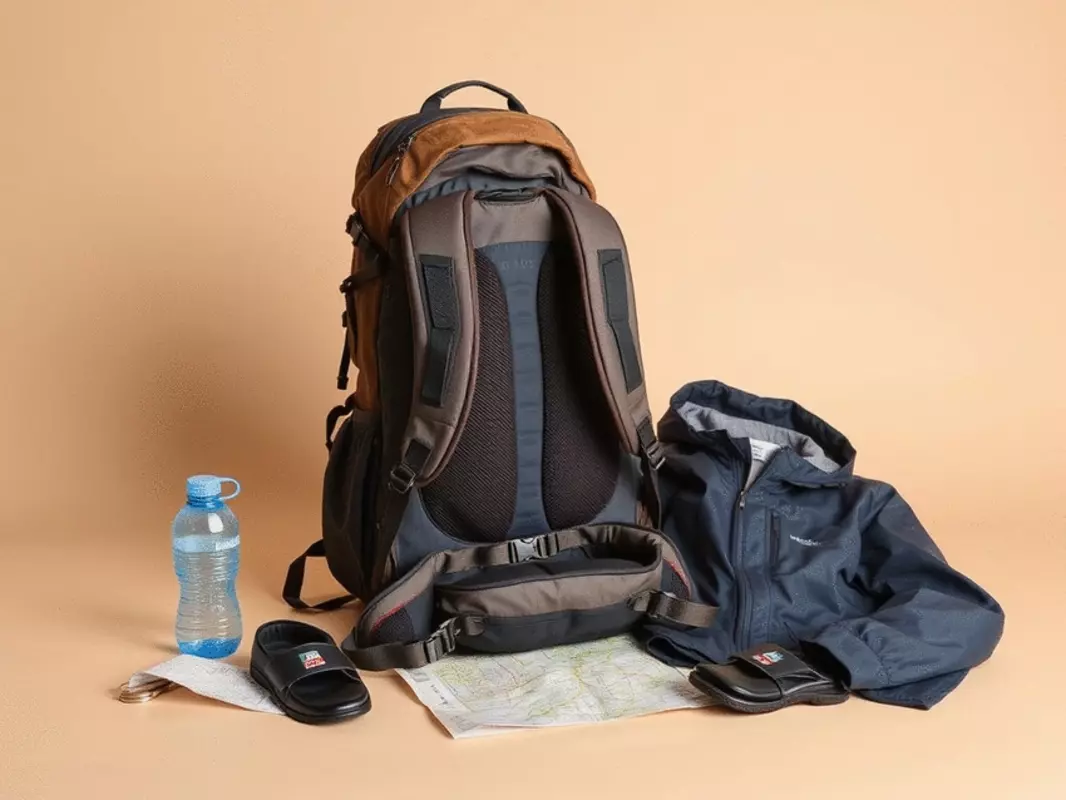
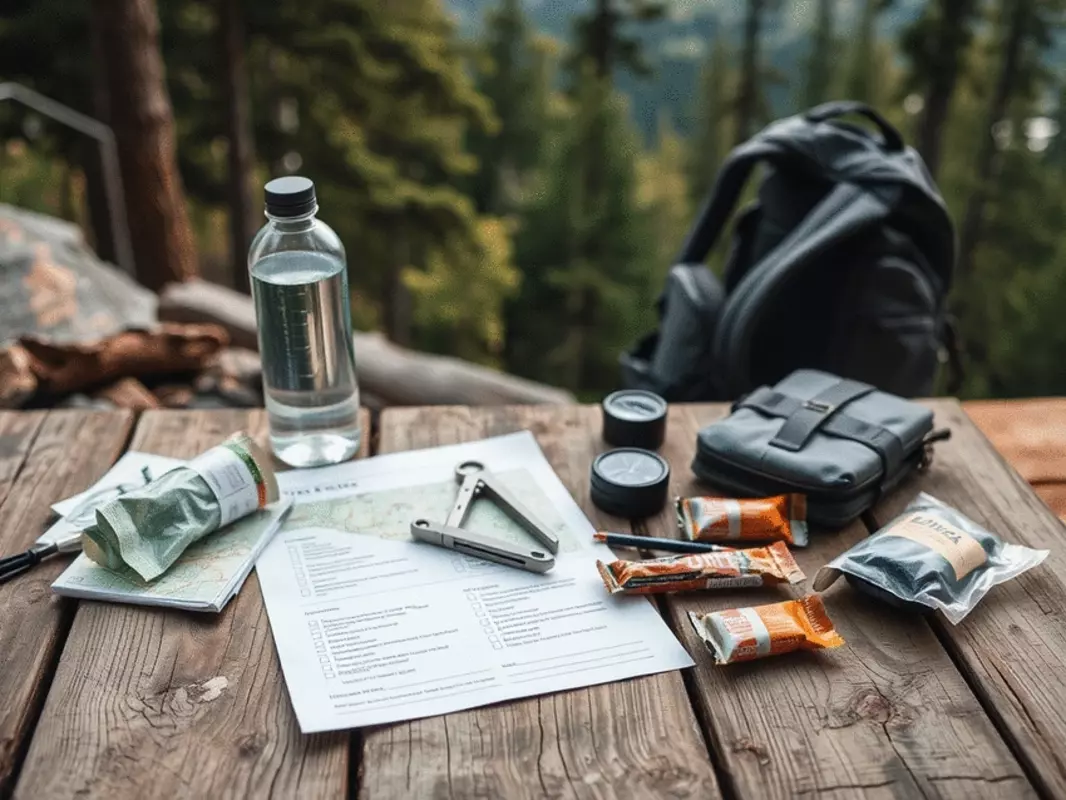
- Plan Ahead and Prepare
- Travel and Camp on Durable Surfaces
- Dispose of Waste Properly
- Leave What You Find
- Minimize Campfire Impacts
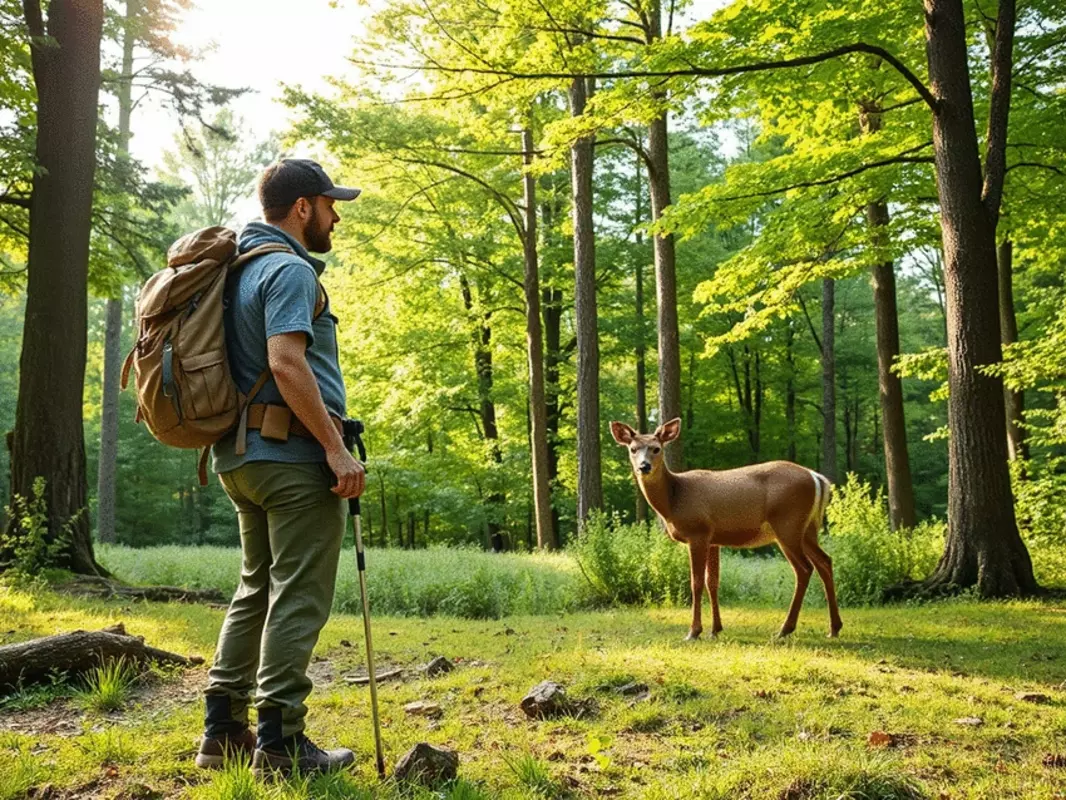
- Respect Wildlife
- Be Considerate of Other Visitors
For more detailed information on each principle, the Leave No Trace Center for Outdoor Ethics provides in-depth explanations. By incorporating these principles into our hiking routines, we can ensure that we leave the natural world just as beautiful as we found it. It's all about sharing our trails with others and appreciating the environment around us!
The Importance of Ethical Wilderness Travel
As hiking enthusiasts, it's our responsibility to engage in ethical wilderness travel. This means being conscious of our surroundings and considering how our actions affect the delicate balance of nature. Practicing Leave No Trace principles not only protects the trails we love but also enhances our own hiking experiences.
When we take care of nature, we help preserve it for future adventurers. Ethical travel fosters a deep sense of respect for the environment, encouraging us to connect with it in meaningful ways. Have you ever hiked a trail and noticed the pristine beauty of untouched surroundings? That’s the kind of experience we want to create for everyone!
Exploring the Role of the Leave No Trace Center for Outdoor Ethics
The Leave No Trace Center for Outdoor Ethics plays a vital role in educating outdoor enthusiasts about these principles. They provide resources, training, and community outreach to promote responsible hiking and camping practices. Their mission aligns perfectly with the values we uphold at Backpack Hiking.
By supporting organizations like the Leave No Trace Center, we contribute to the preservation of our beloved outdoor spaces. They offer valuable insights and tools to help us practice ethical hiking, ensuring we all do our part to protect the environment. If you’re passionate about the outdoors, I encourage you to explore their website and see how you can get involved!
Pro Tip
Did you know? Always carry a trash bag with you while hiking. Not only does it help you pack out your waste, but it also allows you to pick up any litter you find along the way, keeping the trails clean and beautiful for everyone. Small actions like this make a big difference!
Frequently Asked Questions About Leave No Trace Principles
- What are the 7 Leave No Trace principles?
- The seven principles are: Plan Ahead and Prepare; Travel and Camp on Durable Surfaces; Dispose of Waste Properly; Leave What You Find; Minimize Campfire Impacts; Respect Wildlife; and Be Considerate of Other Visitors.
- Why is ethical wilderness travel important?
- Ethical wilderness travel is crucial for preserving delicate ecosystems, ensuring the beauty of natural spaces for future generations, and enhancing the outdoor experience for everyone.
- What is the role of the Leave No Trace Center for Outdoor Ethics?
- The center educates outdoor enthusiasts about responsible practices through resources, training, and community outreach, promoting the minimization of environmental impact.
- How do Leave No Trace principles benefit outdoor enthusiasts?
- Benefits include the preservation of natural resources, enhanced visitor experiences, community building among outdoor enthusiasts, and increased awareness of our impact on nature.
- How can I contribute to sustainable hikes?
- You can contribute by educating yourself and others about the principles, choosing eco-friendly gear, planning your route to avoid sensitive areas, managing waste properly, and encouraging fellow hikers to adopt these practices.
Summarizing the Benefits of Practicing Leave No Trace
Practicing the Leave No Trace principles is more than just a set of guidelines; it's about fostering a culture of responsible outdoor ethics. When we embrace these principles, we not only protect the beautiful landscapes we love but also contribute to a more sustainable future for hiking enthusiasts everywhere. Together, we can make a significant impact on our wilderness areas, ensuring they remain pristine for generations to come.
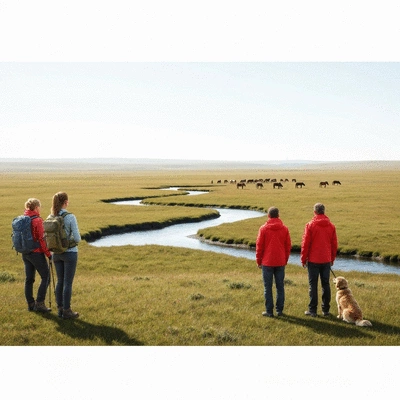
Here are some key benefits of practicing Leave No Trace:
- Preservation of Natural Resources: By minimizing our footprint, we help preserve delicate ecosystems.
- Enhancement of Visitor Experiences: Cleaner and healthier parks lead to more enjoyable outdoor adventures.
- Community Building: Promoting shared values encourages camaraderie among outdoor enthusiasts.
- Increased Awareness: Understanding the impact of our actions fosters a deeper appreciation for nature.
Emphasizing Collective Responsibility in Wilderness Areas
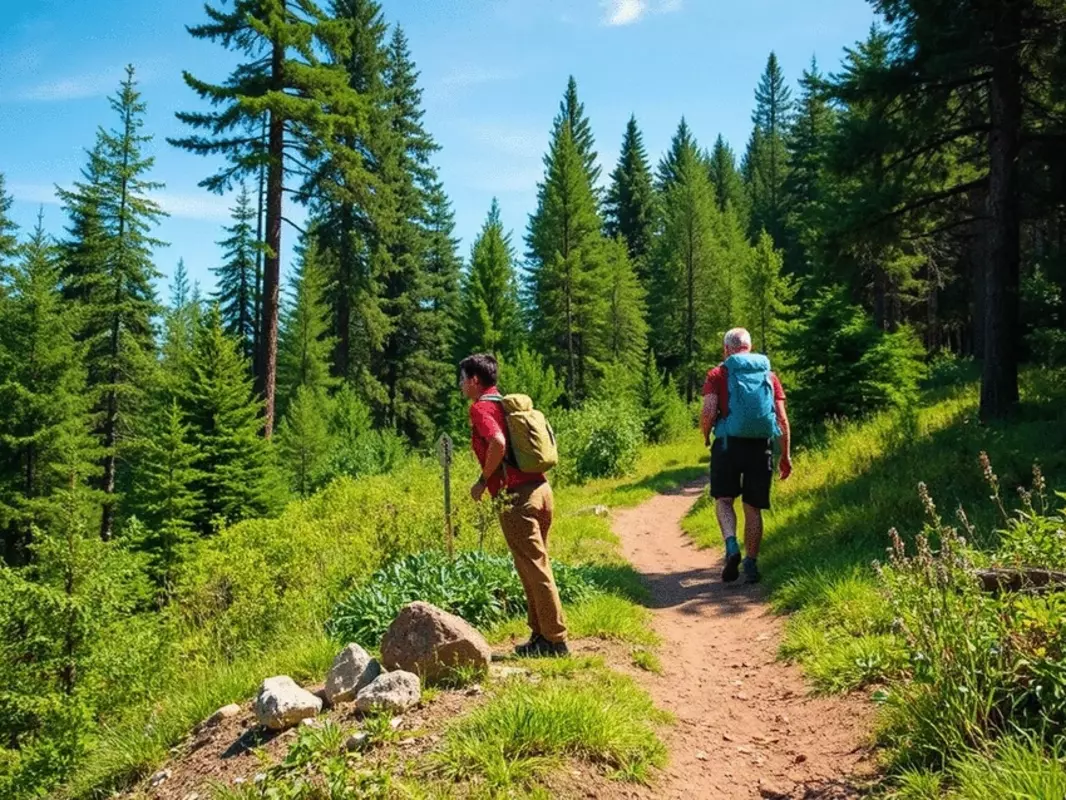
As a passionate hiker, I've seen firsthand how collective responsibility can transform our trails. It’s not just about individual actions; it’s about how those actions resonate within our hiking communities. Every time you choose to follow Leave No Trace principles, you set an example for others. This ripple effect can inspire fellow adventurers to act responsibly, creating a culture of respect and care for our shared environment.
Moreover, when we all take ownership of our actions, we contribute to the bigger picture of conservation. It’s vital to remember that our beautiful trails are not just for us but for everyone. By practicing Leave No Trace, we can ensure that future generations have the opportunity to experience the wonders of nature just as we have!
How You Can Contribute to Sustainable Hikes
There are many ways you can contribute to sustainable hikes, regardless of your experience level. Here’s a simple list to get you started on your journey:
- Educate Yourself: Learn the Leave No Trace principles and share them with others.
- Choose Less Impactful Gear: Opt for equipment that’s eco-friendly and durable.
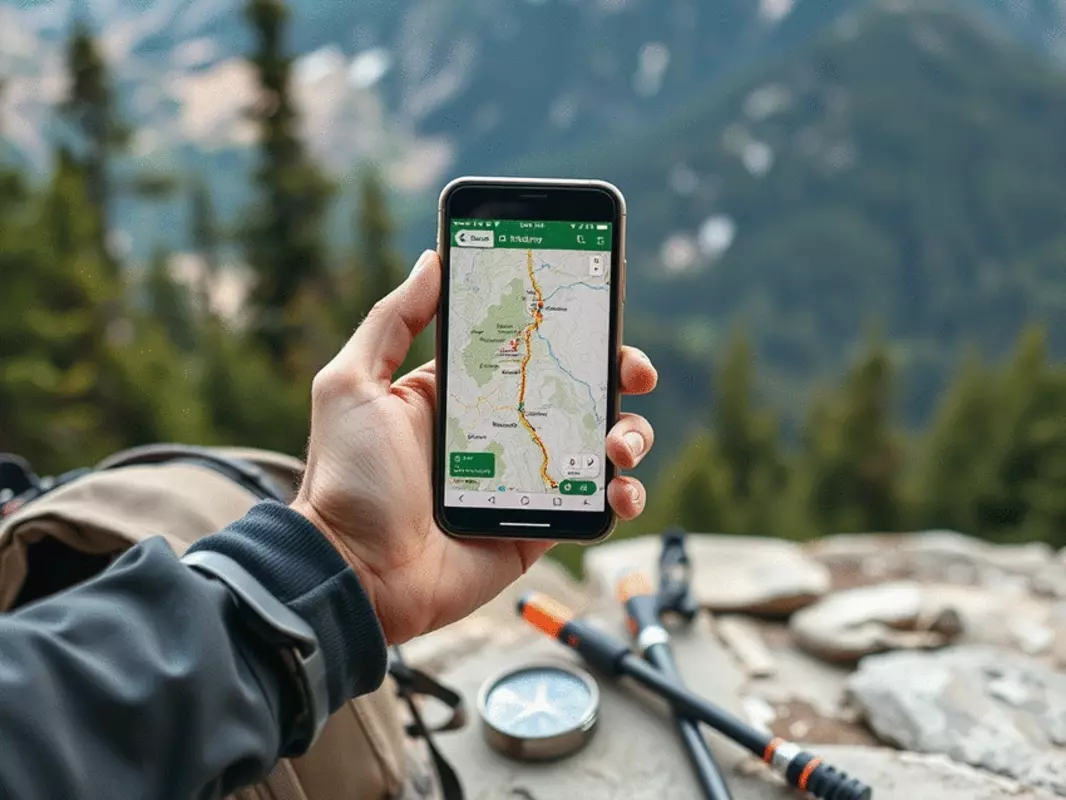
- Plan Your Route: Research your trail to avoid environmentally sensitive areas.
- Practice Waste Management: Always pack out what you pack in, and follow proper disposal methods.
- Engage with Others: Encourage fellow hikers to join in on the Leave No Trace mission.
Each small effort counts! Have you ever noticed how even the smallest changes in our habits can lead to more significant shifts in the environment? By taking these steps, you become part of a movement that champions sustainability.
Environmental Stewardship as a Core Value of Outdoor Ethics
At Backpack Hiking, we believe that environmental stewardship is at the heart of outdoor ethics. It’s essential that we recognize our role as guardians of the natural world. Committing to Leave No Trace principles means actively working to protect our trails, forests, and wildlife. This isn’t just about compliance; it's about nurturing a relationship with nature that is respectful and sustainable.
It's exciting to think about how each one of us can contribute to this vital cause. The more we engage with the principles and share our experiences, the more we cultivate a community of conscious hikers. Let’s commit to being stewards of our wilderness! By prioritizing our responsibility to the environment, we open pathways for others to do the same.
Join the Movement for Ethical Wilderness Travel
Engage with Local Organizations and Workshops
One of the best ways to deepen your understanding of Leave No Trace is to participate in workshops and engage with local organizations. Many communities offer programs that teach practical skills and provide insights into responsible outdoor practices. If you’re eager to get involved, look for workshops near you!
Leave No Trace Workshops: What to Expect
In these workshops, you can expect to learn about:
- Practical applications of Leave No Trace principles
- Techniques for minimizing your environmental impact
- How to make informed decisions while hiking
- Engaging activities that can help solidify your learning
These hands-on experiences can be incredibly rewarding, not only expanding your knowledge but also connecting you with fellow nature lovers who share your passion.
Resources for Further Learning and Community Involvement
As you dive deeper into the Leave No Trace ethos, consider exploring various resources that can enhance your knowledge and commitment. For example, the Leave No Trace Skills & Ethics Guide provides a wealth of information and practical tips. Additionally, local hiking clubs often share insights and organize events focused on responsible hiking practices.
Engaging with these resources allows you to stay informed and involved, reinforcing your role in preserving the beauty of our wild places. Together, we can champion ethical wilderness travel and ensure that our trails remain a source of joy for everyone!
Recap of Key Points
Here is a quick recap of the important points discussed in the article:
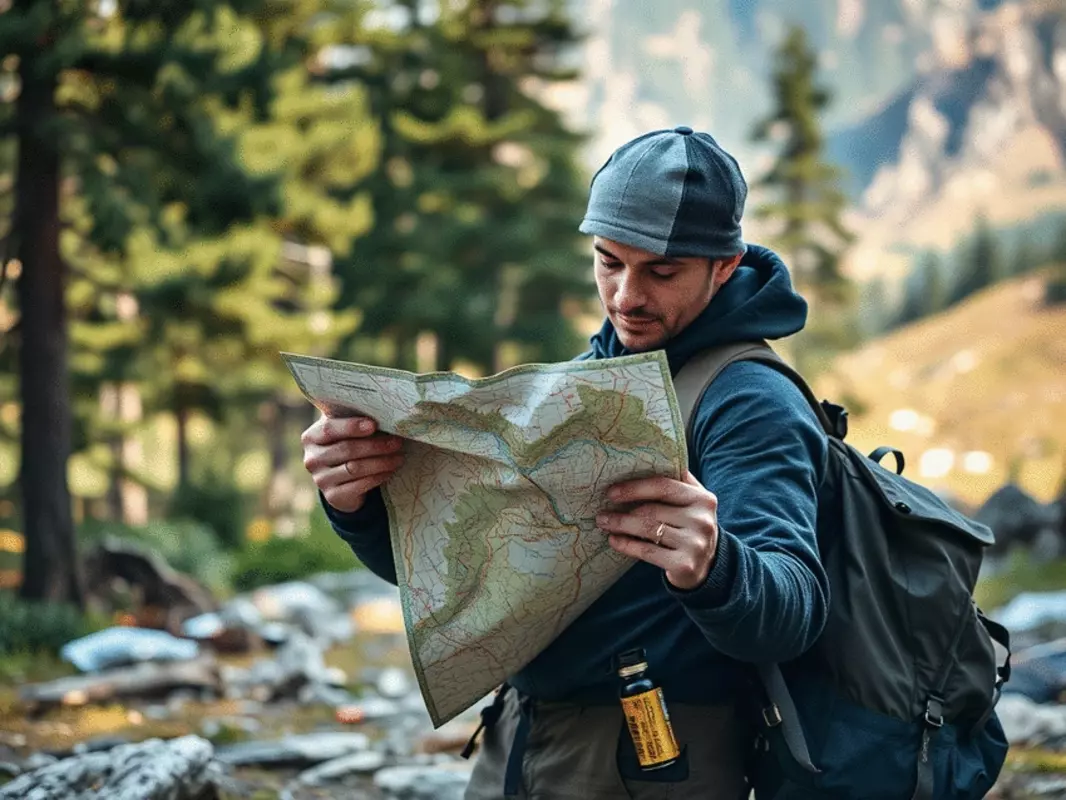
- Plan Ahead and Prepare: Always research your trail and prepare accordingly to minimize your impact.
- Travel and Camp on Durable Surfaces: Stick to established paths and campsites to protect fragile ecosystems.
- Dispose of Waste Properly: Follow the principle of "pack it in, pack it out" to keep nature clean.
- Leave What You Find: Preserve the natural environment by not taking rocks, plants, or historical artifacts.
- Minimize Campfire Impacts: Use a stove for cooking and avoid building fires in sensitive areas.
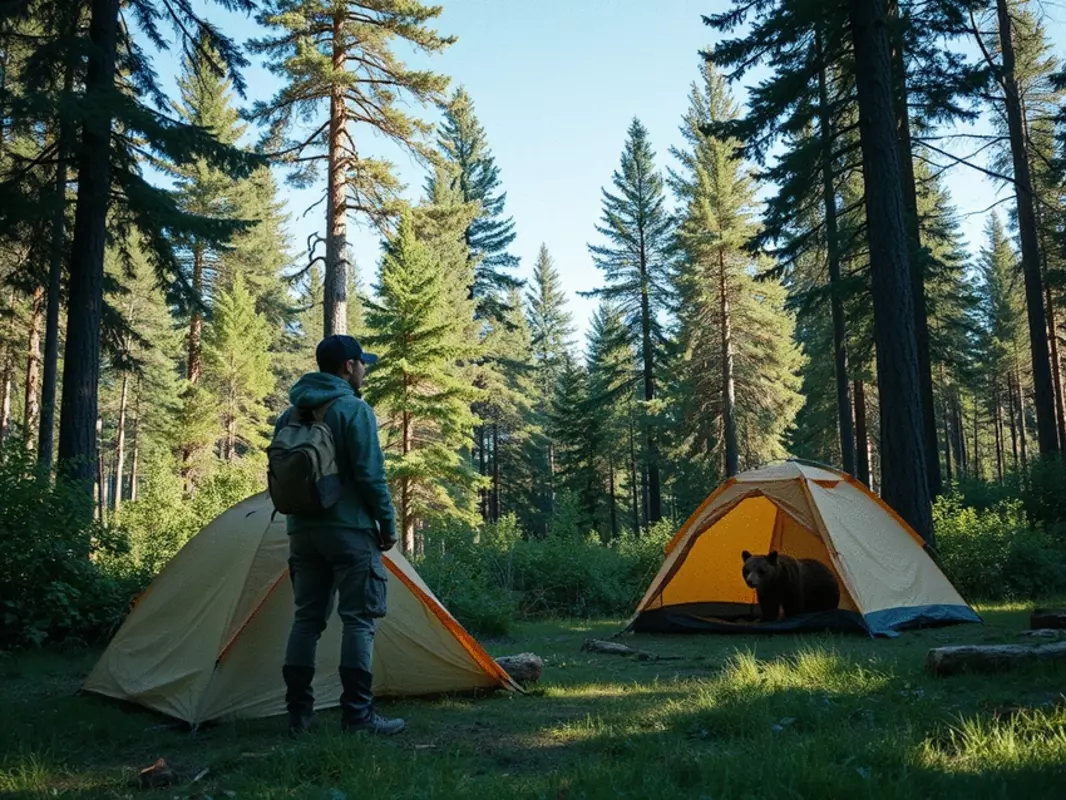
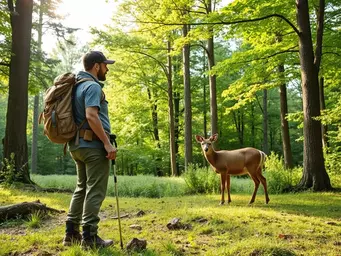
- Respect Wildlife: Observe animals from a distance and avoid feeding them.
- Be Considerate of Other Visitors: Share the outdoors with others, keeping noise levels down and maintaining a friendly attitude.