Winter Camping: Safety and Warmth

Winter camping can seem daunting, but with the right preparation and mindset, it can become one of your most rewarding adventures. What if you could transform the chilly wilderness into your next favorite getaway? Let's explore the essential insights that will help you thrive in the frosty outdoors!
What You Will Learn
- Temperature fluctuations require adaptable gear and clothing for comfort and safety.
- High-quality thermal layers and moisture management are crucial for staying warm.
- Investing in a four-season tent and appropriate sleeping gear enhances your camping experience.
- Hydration remains important even in cold weather; always have a way to melt snow or heat water.
- Engaging with winter camping communities can provide valuable insights and support.
- Recognizing early signs of cold-related illnesses can be lifesaving during your trip.
- Always practice safe cooking methods to avoid hazards like carbon monoxide exposure.
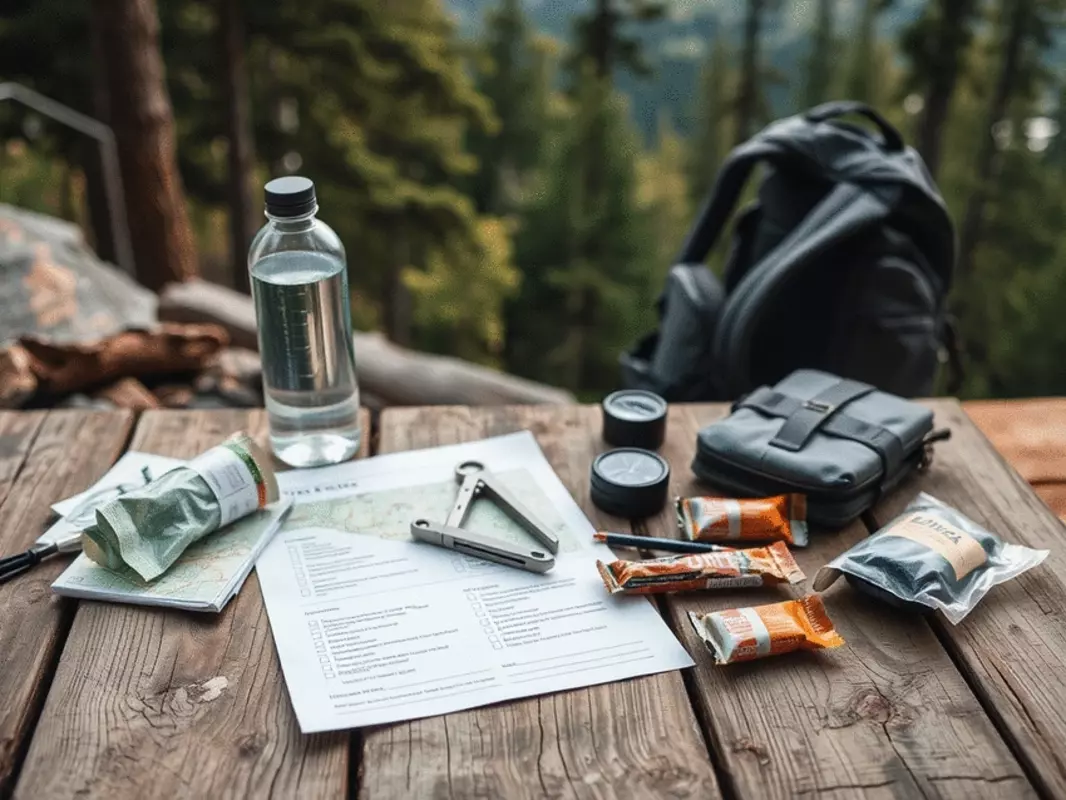
Winter Camping Essentials: Safety and Warmth Checklist
This visual summarizes the critical aspects of winter camping, focusing on essential tips for safety and warmth, categorized for easy preparation.
What to Expect: Environmental Factors
Factor 1
Temperature Variability
Be ready for fluctuating temperatures throughout the day.
Factor 2
Increased Gear Needs
Proper gear becomes even more critical in the cold.
Factor 3
Wildlife Activity
Many animals hibernate, but some are still active. Be aware!
Safety First
Critical Warmth Strategies
Layer Up
Investing in high-quality thermal layers is crucial.
Stay Dry
Moisture management is vital; wet gear can sap body heat quickly.
Know the Signs
Recognizing early signs of cold-related illnesses can save your trip.
Preparation is Key
Essential Gear Tips
Choose the right gear
Invest in a four-season tent and a high R-value sleeping bag.
Layer Up
Proper clothing layers are essential (base, mid, outer).
Stay Hydrated
Drink water; bring a reliable method to melt snow or heat water.
Practice Safe Cooking
Use a cold-weather stove & prioritize safety to avoid CO risks.
Community & Learning
Enhancing Your Skills
Join online forums
Connect with enthusiasts for stories and advice.
Attend workshops
Find local events for skill-building and gear demos.
Participate in group outings
Enhance safety and enjoyment with experienced campers.
Understanding Winter Camping: Preparing for Cold-Weather Adventures
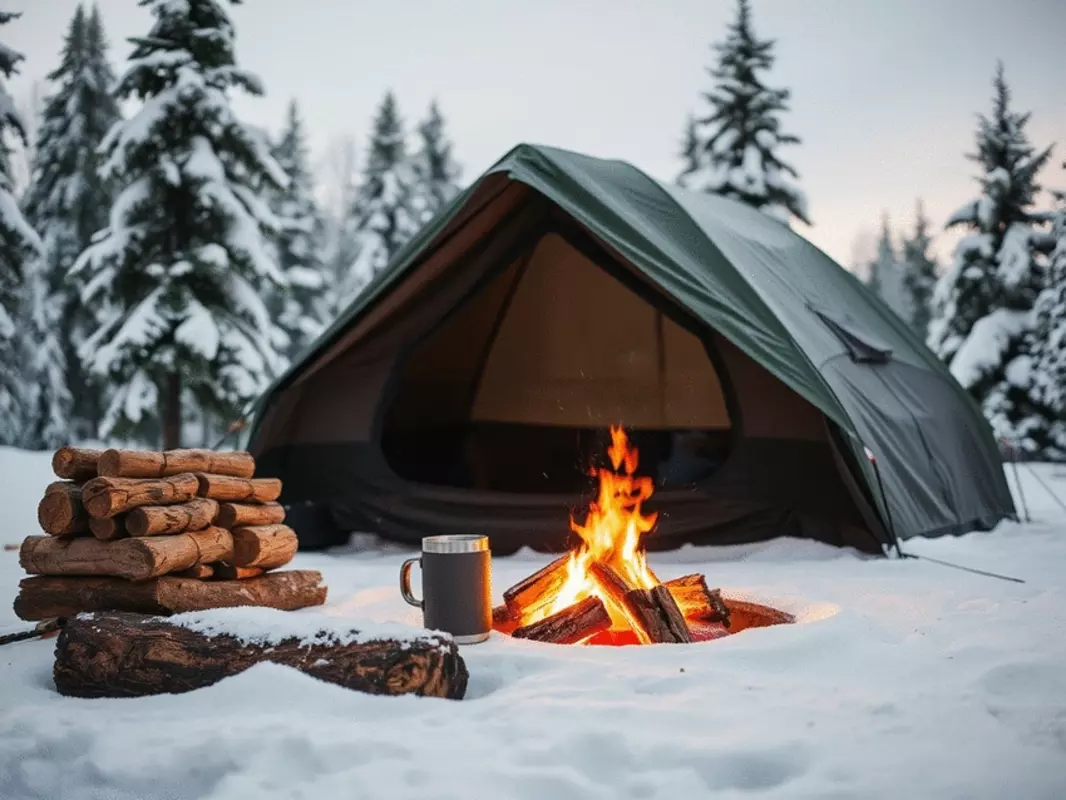
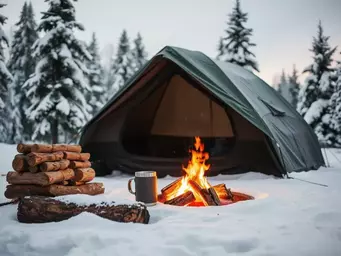
Winter camping opens up a magical world of adventure, but it comes with its own unique challenges. As someone who has spent countless nights under crisp, starry skies, I've learned that proper preparation is key to enjoying your winter escape. What can you expect when venturing into the snowy wilderness? Let’s dive into the basics of winter camping!
The Basics of Winter Camping: What to Expect
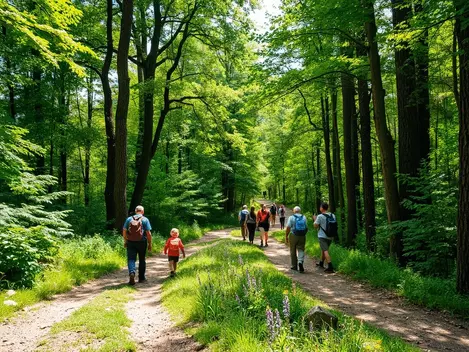
Winter camping can be thrilling, but it’s essential to understand the different conditions you'll face. Temperatures can drop dramatically, and snow coverage can change rapidly. You’ll want to be prepared for everything from icy winds to unexpected snowstorms. Have you ever found yourself standing at the edge of a snow-laden trail, wondering what lies ahead? That’s the beauty of winter camping—you’re not just hiking; you’re embracing a whole season of possibility!
- Temperature Variability: Be ready for fluctuating temperatures throughout the day.
- Increased Gear Needs: Proper gear becomes even more critical in the cold.
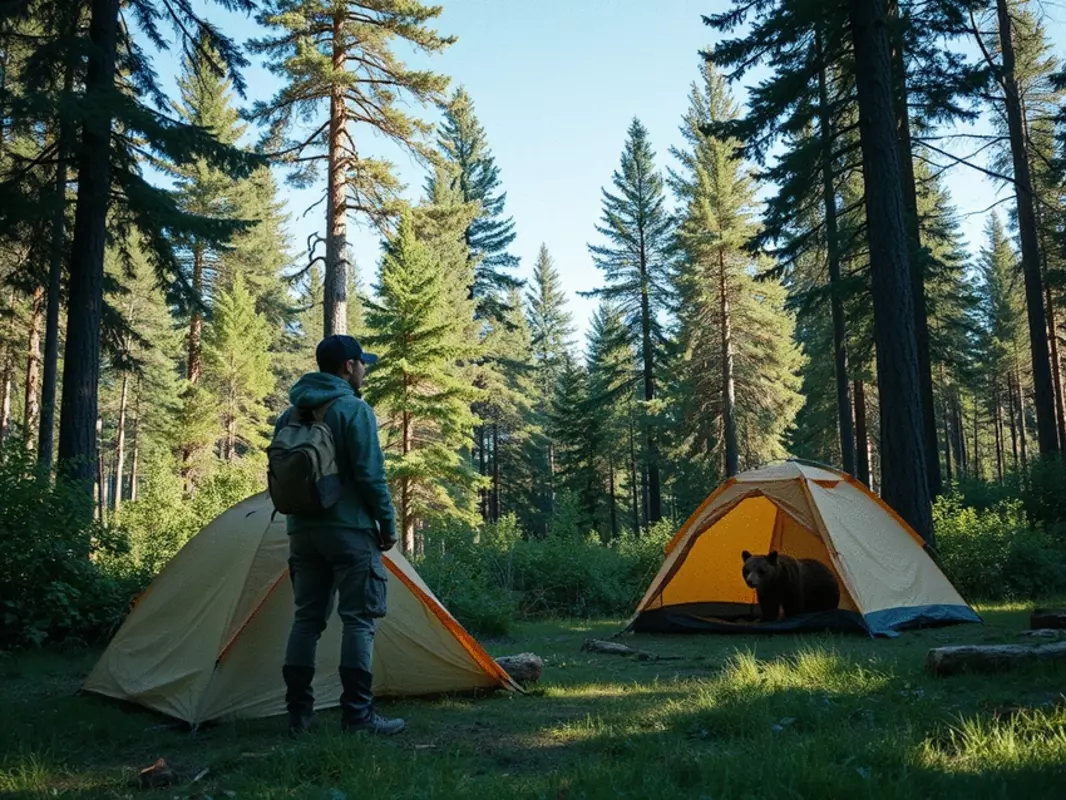
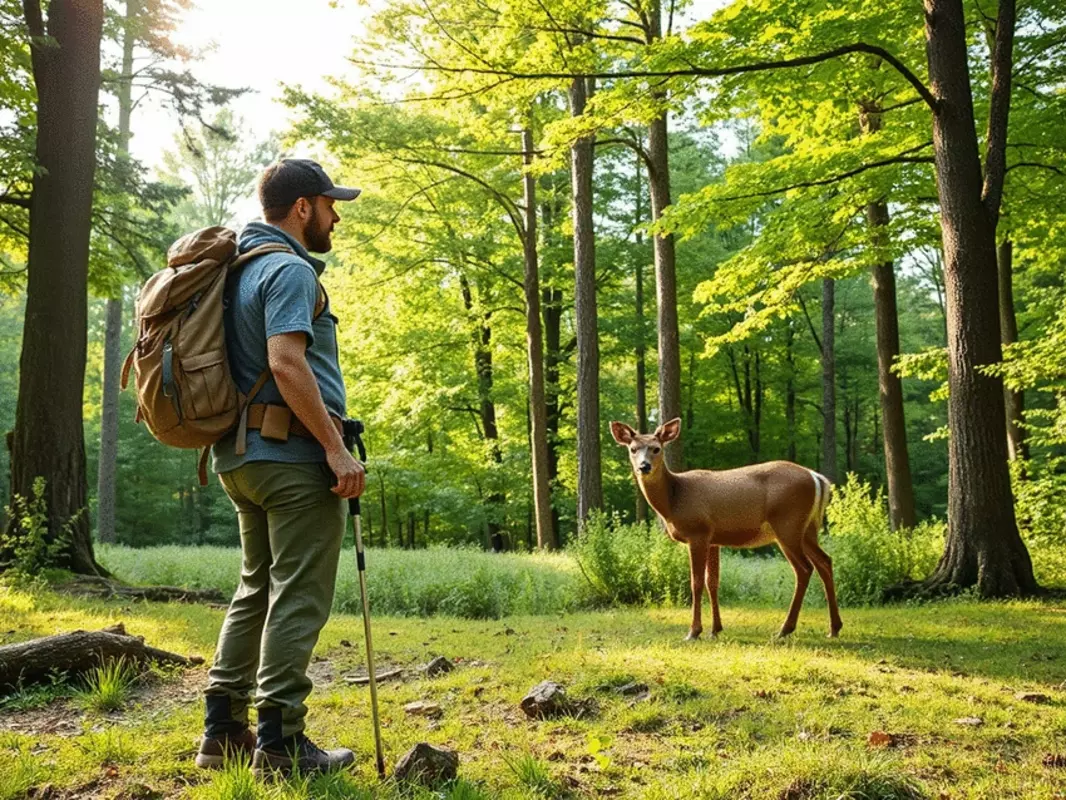
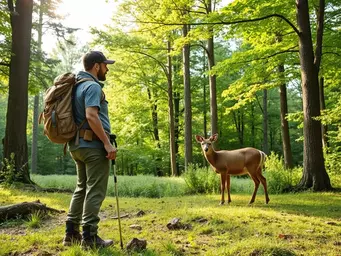
- Wildlife Activity: Many animals hibernate, but some are still active. Be aware!
Being aware of these factors can greatly influence your winter camping experience. Understanding the environment helps you prepare mentally and physically for the adventure ahead. For more information on staying safe in varying weather conditions, consider checking guidance from resources like weather.gov's outdoor safety tips.
Why Staying Warm and Safe is Critical During Winter Camping
Staying warm is not just a comfort—it’s a matter of safety. Exposure to extreme cold can lead to serious health risks like hypothermia or frostbite. During my own winter excursions, I've experienced firsthand how quickly temperatures can plummet after sunset. What’s your game plan for keeping warm when the chill sets in? Here are some strategies I swear by!
- Layer Up: Investing in high-quality thermal layers is crucial.
- Stay Dry: Moisture management is vital; wet gear can sap body heat quickly.
- Know the Signs: Recognizing early signs of cold-related illnesses can save your trip. For detailed guidance on identifying and treating cold-related illnesses, referring to resources like Scouting.org's health and safety guidelines is highly recommended.
By prioritizing warmth and safety, you can focus on the joy of winter camping rather than the discomfort of the cold. Remember, it's all about enjoying the adventure while staying responsible! Now, let’s gear up for success in winter camping!

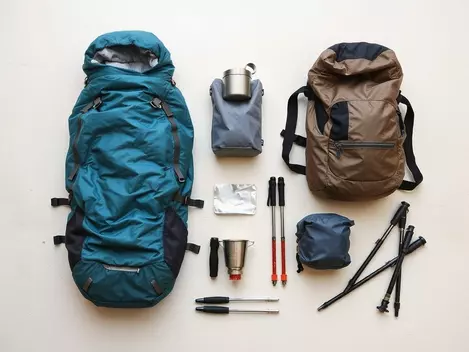
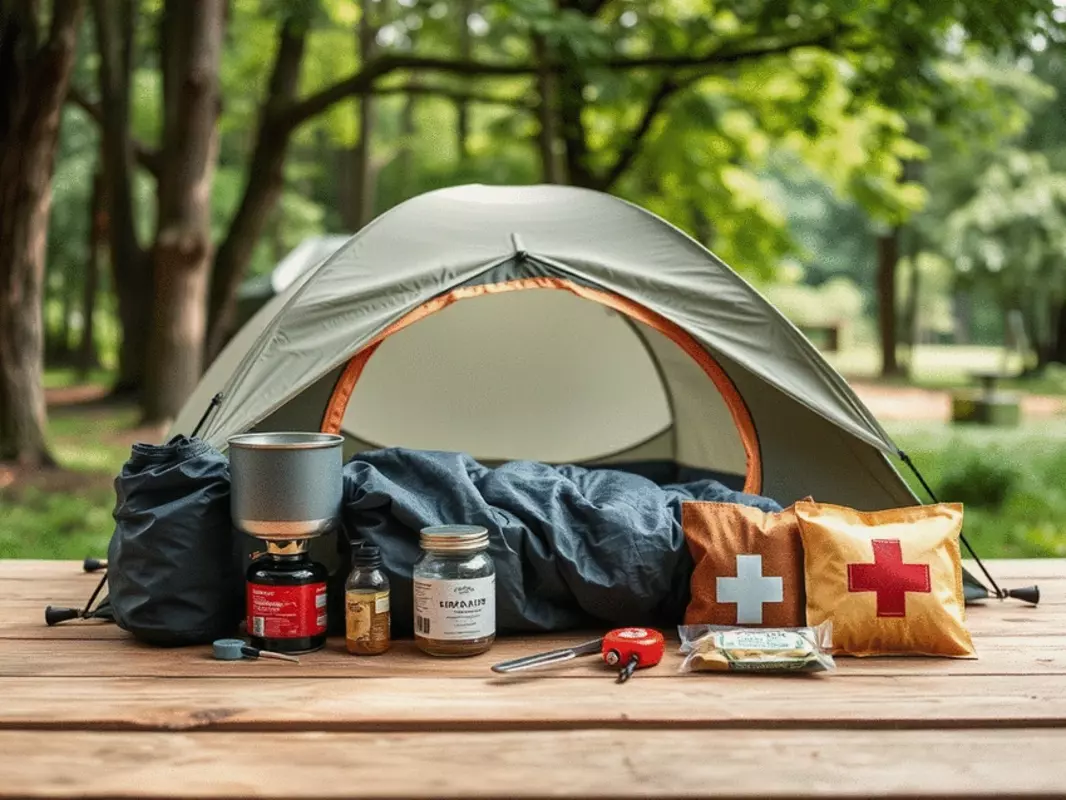
Gear Essentials for Winter Camping Success
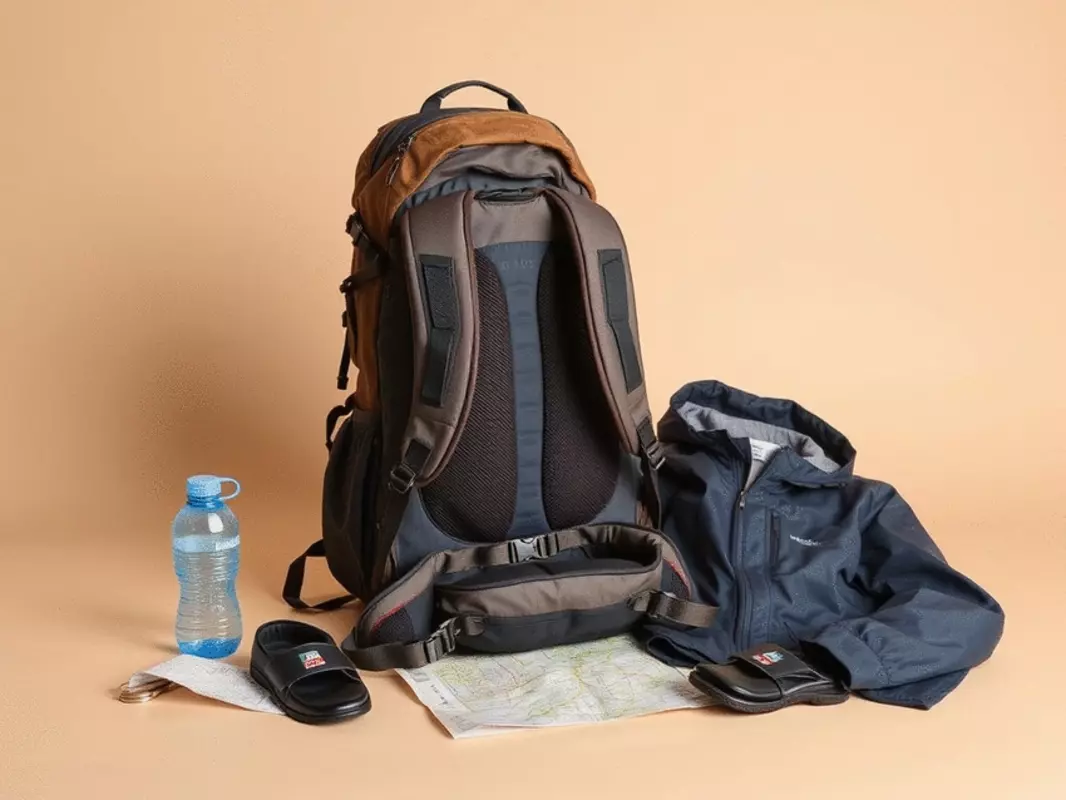
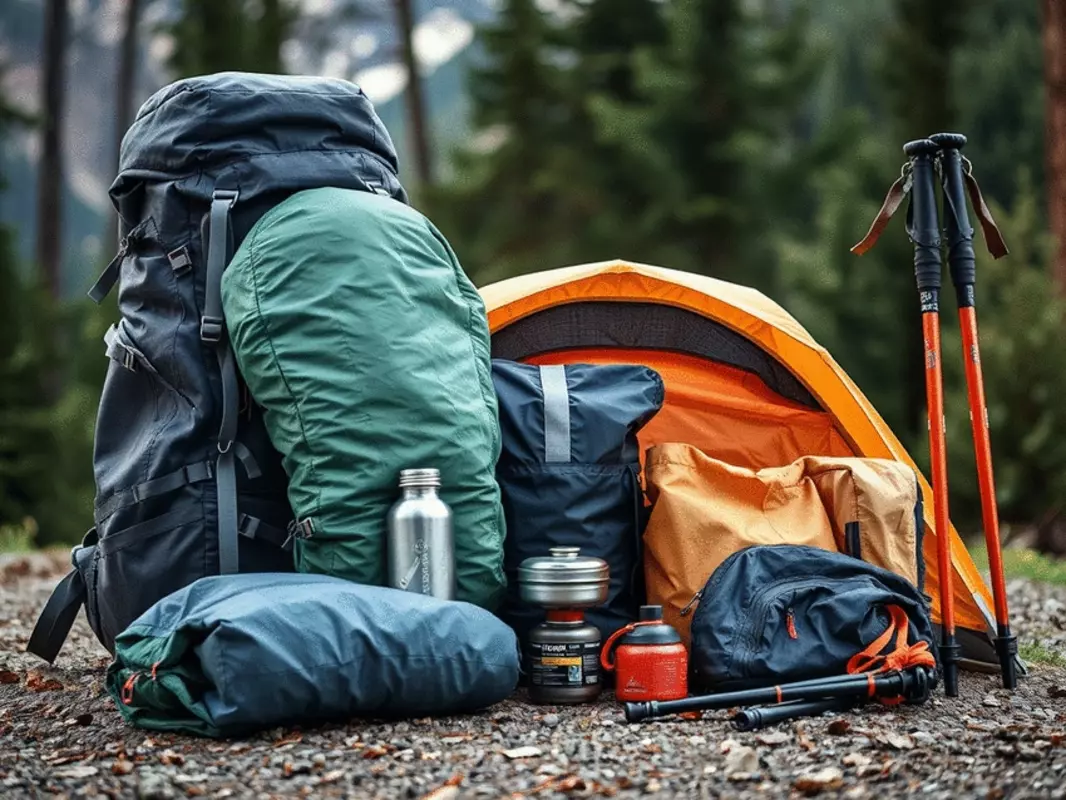
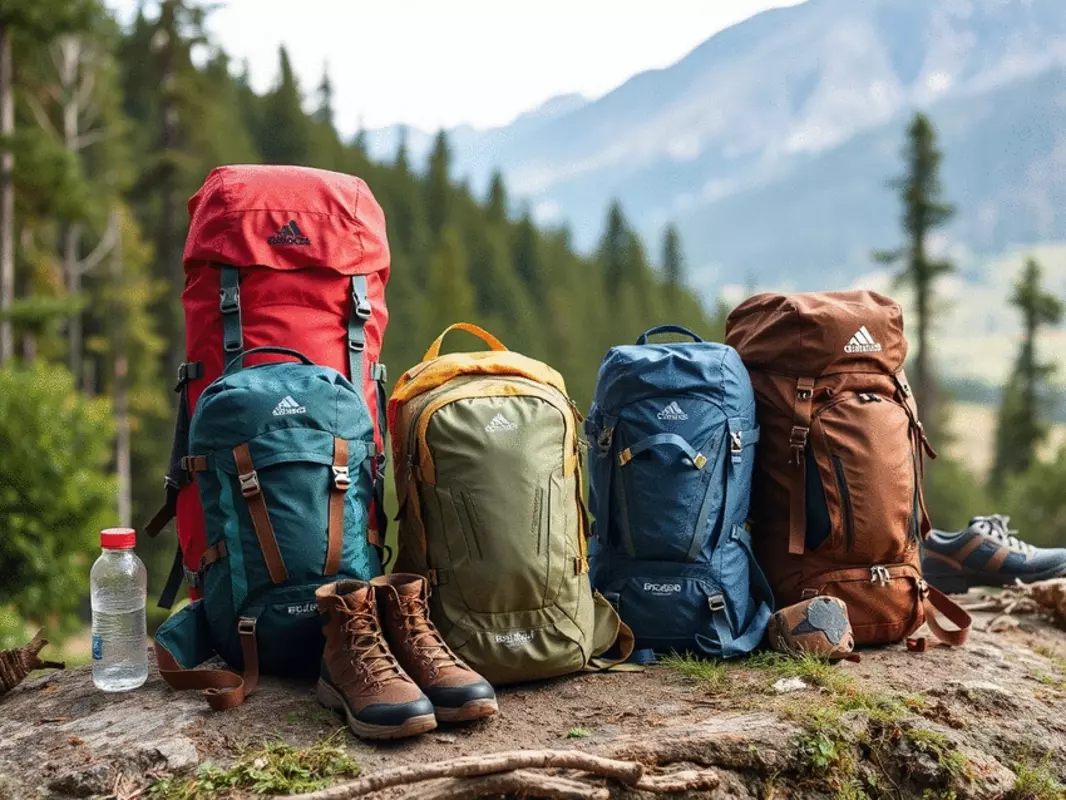
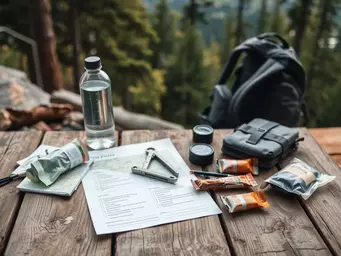
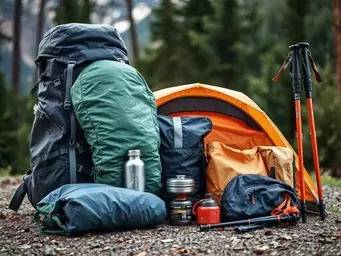
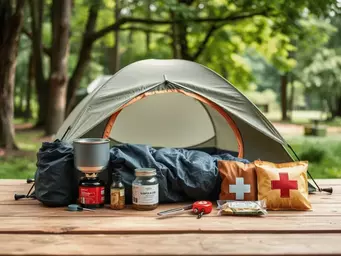
When you embark on your winter camping journey, the right gear makes all the difference. I’ve often found that having the proper equipment not only enhances comfort but also boosts confidence while exploring the snowy trails. Let’s explore the essentials that will set you up for success!
Pro Tip
Did you know? One of the best ways to ensure warmth while winter camping is to use a sleeping pad with a high R-value. This will not only insulate you from the cold ground but also retain your body heat, making your nights more comfortable and safe.
Frequently Asked Questions About Winter Camping
- Q: What are the main challenges of winter camping?
- A: Winter camping presents challenges such as fluctuating temperatures, increased gear requirements, and the need to be aware of wildlife activity. Proper preparation for these conditions is key.
- Q: How can I stay warm while winter camping?
- A: Staying warm involves layering with high-quality thermal clothing, managing moisture to keep gear dry, and recognizing the early signs of cold-related illnesses. Investing in a sleeping bag with a high R-value and a four-season tent is also crucial.
- Q: What essential gear do I need for winter camping?
- A: Essential gear includes a four-season tent, a sleeping bag with an appropriate R-value, proper clothing layers (base, mid, outer), and a reliable method for melting snow or heating water for hydration. Always use a cold-weather stove and prioritize safe cooking practices to avoid carbon monoxide risks.
- Q: Why is hydration important in cold weather?
- A: Even in cold weather, hydration is vital. Your body still loses fluids through respiration and sweat, and staying hydrated helps maintain core body temperature and overall health.
- Q: How can connecting with a winter camping community help me?
- A: Engaging with winter camping communities, whether through online forums, workshops, or group outings, can provide invaluable insights, advice, and support from experienced campers, enhancing both your skills and safety.
Summarizing Essential Winter Camping Tips for Safety and Warmth
As I wrap up my thoughts on winter camping, it's clear that being prepared is the key to enjoying those frosty adventures. Whether you're planning a weekend getaway or a longer expedition, there are some essential tips that can significantly enhance your experience. Let's recap some of the most critical points for staying safe and warm while you explore the snowy wilderness.
- Choose the right gear: Invest in a four-season tent and a sleeping bag with an appropriate R-value to keep you cozy.
- Layer up: Proper clothing layers are essential to maintain warmth—think thermal base layers, insulating mid-layers, and waterproof outer layers.
- Stay hydrated: Don't forget to drink water! Even in cold weather, hydration is key, so bring along a reliable method to melt snow or heat water.
- Practice safe cooking: Use a portable stove designed for cold weather, and always prioritize safety to avoid carbon monoxide risks. You can find more comprehensive cold-weather safety tips from resources like Michigan DNR.
These tips can make a huge difference in your comfort and safety during winter camping. Remember, preparation is your best friend when venturing into the cold!
Encouragement to Prepare and Explore Safely
As I always say at Backpack Hiking, the great outdoors has so much to offer, but we must respect its power, especially in winter. I encourage you to embrace winter camping with the right mindset and preparation. Join the community of fellow adventurers who share tips and experiences to enhance your skills. Engaging with others who are equally passionate about winter exploration can provide you with invaluable insights!
- Join online forums: Find communities on social media or hiking forums where winter camping enthusiasts share their stories and advice.
- Attend workshops: Look for local workshops or meetups focused on winter camping skills and gear demonstrations.
- Participate in group outings: Finding a group to hike and camp with can enhance your safety and enjoyment while learning from experienced campers.
By connecting with other hikers, you're not only enriching your knowledge but also building a network of support for your winter adventures!

Call to Action: Share Your Winter Camping Experiences and Tips
Now that you've got the groundwork for a successful winter camping experience, I invite you to share your own stories and tips! Have you had a memorable winter camping trip that taught you something valuable? What gear do you swear by? Your insights can help fellow outdoor enthusiasts navigate the frosty trails more confidently.
Leave a comment below or share your experiences on social media with the hashtag #BackpackHiking. Let’s inspire each other to brave the elements and discover the beauty of winter camping together! ❄️
Recap of Key Points
Here is a quick recap of the important points discussed in the article:
- Understand the Conditions: Be prepared for temperature variability and changing weather conditions during winter camping.
- Stay Warm and Safe: Use high-quality thermal layers, manage moisture effectively, and recognize signs of cold-related illnesses.
- Choose the Right Gear: Invest in appropriate equipment like a four-season tent and a sleeping bag with a suitable R-value.
- Hydration is Key: Ensure you have a method for melting snow or heating water to stay hydrated in cold weather.
- Engage with the Community: Join forums, attend workshops, and participate in group outings to enhance your winter camping skills.