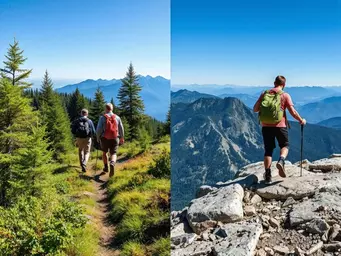
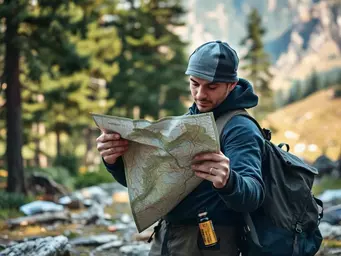
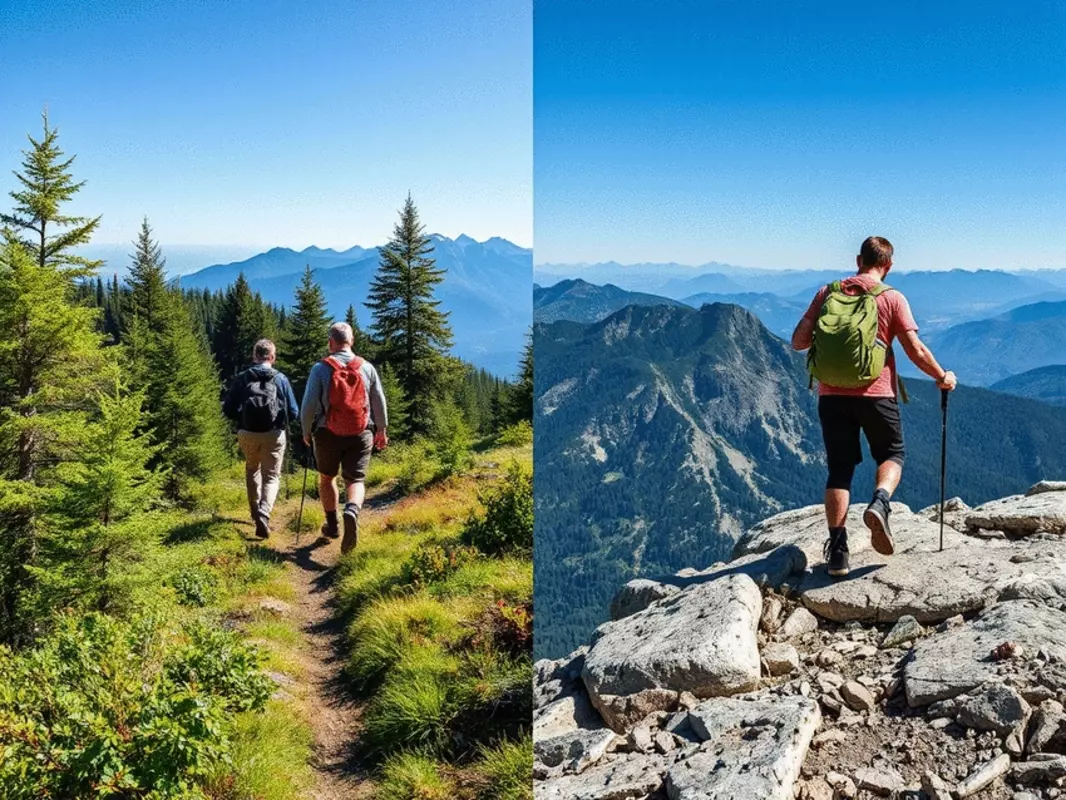
Guided Tours vs. Independent Trekking
Have you ever found yourself torn between the thrill of exploring nature independently and the comfort of having an expert guide by your side? The decision between guided hiking tours and independent trekking experiences can be a tough one, but understanding the unique benefits of each can help you choose the path that suits you best.
What You Will Learn
- Guided hiking tours offer expert guidance, ensuring safety and a richer understanding of the environment.
- Independent trekking trips provide the freedom to choose your own path and pace, fostering personal discovery.
- Costs can be higher for guided tours, while independent hikes may be more budget-friendly.
- Flexibility is a key advantage of independent treks, allowing changes in plans on the go.
Guided Hiking Tours vs. Independent Trekking Trips: A Comparison
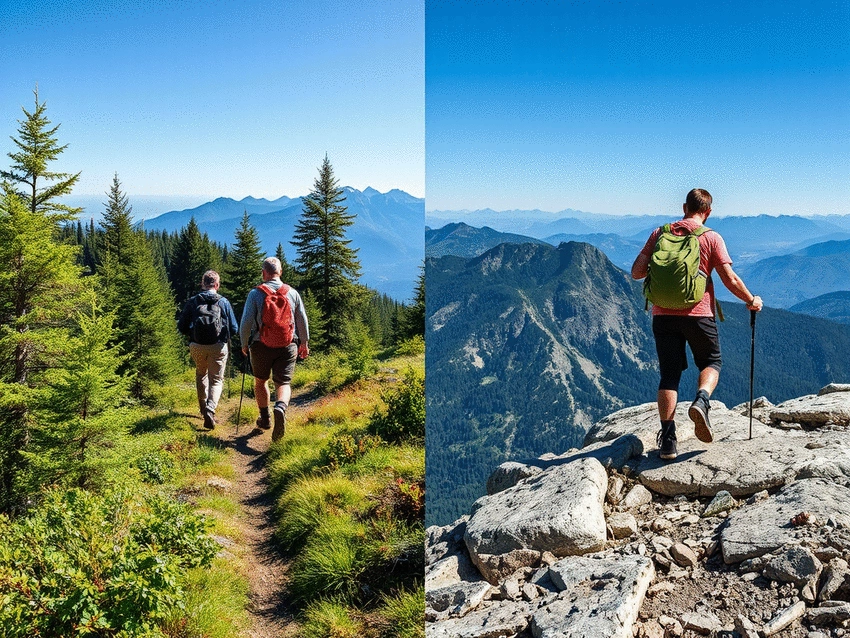
This comparison highlights the key differences between guided hiking tours and independent trekking trips, helping you choose the best option for your adventure style.
Structure & Planning
Guided Tours: Highly organized with pre-planned routes, transportation, and sometimes meals. You just show up!
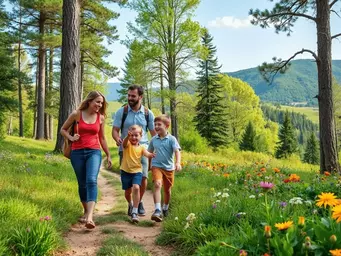
Independent Trips: Complete control over itinerary, pace, and stops. You are the captain of your adventure.
Cost & Budget
Guided Tours: Usually involve higher expenses due to included services and expert guidance.
Independent Trips: Can often be more budget-friendly as you manage all expenses yourself.
Social Interaction
Guided Tours: Fosters group camaraderie and social interaction with fellow hikers.
Independent Trips: Often means solitary exploration, ideal for those who prefer quiet reflection.
Flexibility & Expertise
Guided Tours: Expert guidance on trails, safety measures, and local insights. Less flexibility to change plans.
Independent Trips: High flexibility to adapt to conditions and spontaneous discoveries. Requires personal preparation and skills.
Understanding Guided Hiking Tours vs. Independent Trekking Trips
When it comes to exploring the great outdoors, choosing between guided hiking tours and independent trekking trips can feel like a daunting decision. Having spent years on both types of adventures, I can tell you that each has its unique charm and challenges. Let’s dive into what these experiences entail so you can make an informed choice for your next hike!
What Are Guided Hiking Tours?
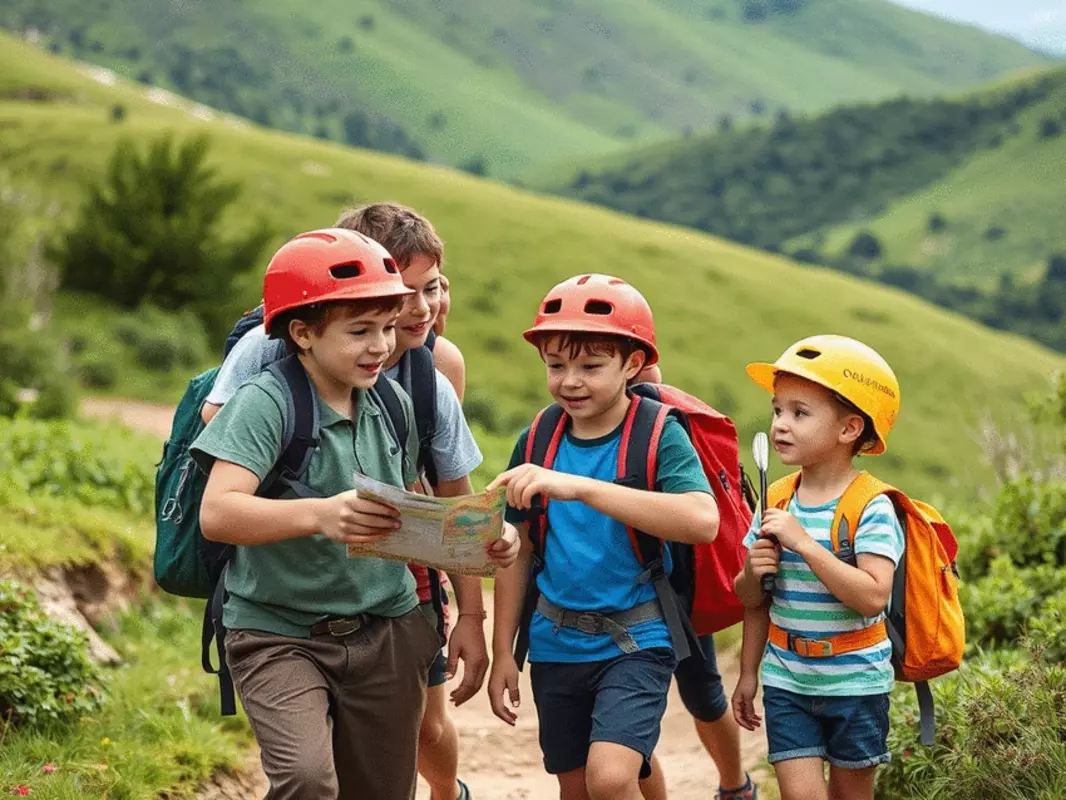
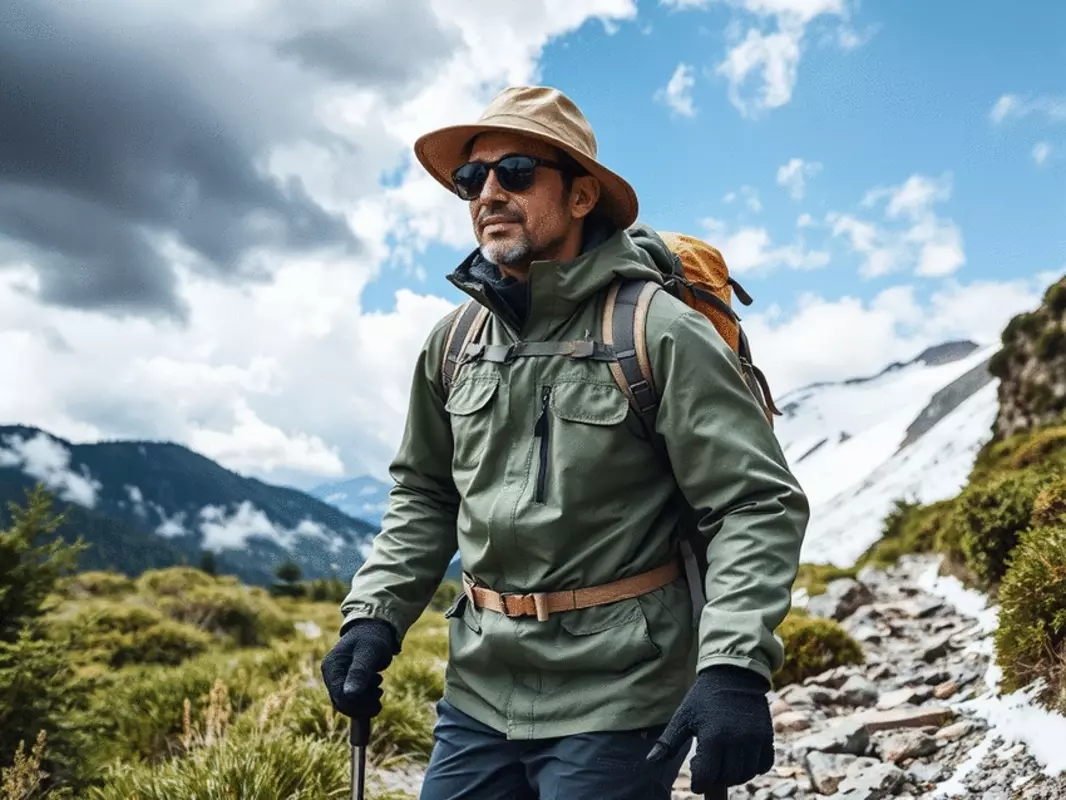
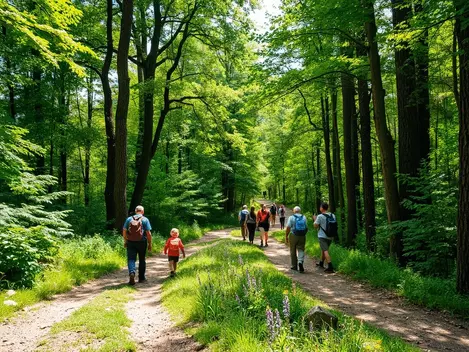
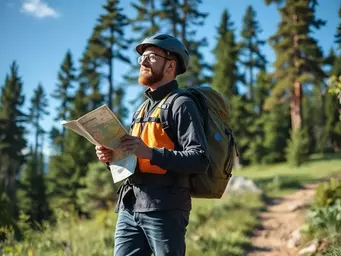
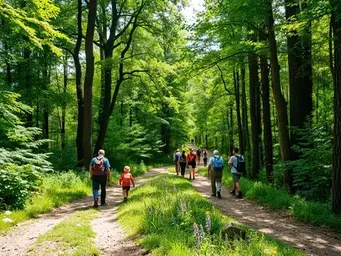
A guided hiking tour is a structured outdoor experience led by an experienced guide. These tours often include pre-planned routes, transportation, and sometimes even meals. The guides are typically knowledgeable about the area, enhancing your experience with insights about the landscape, wildlife, and local culture.
- Expert guidance on trails
- Planned itineraries for efficiency
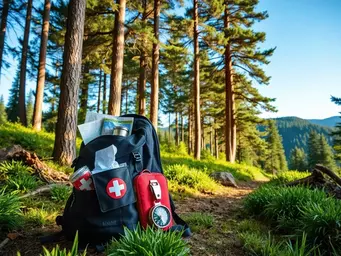
- Safety measures and first aid support

For those who prefer a little less stress and a lot more expertise, guided tours can be the perfect way to explore new terrain. You just have to show up and enjoy the hike!
What Are Independent Trekking Trips?
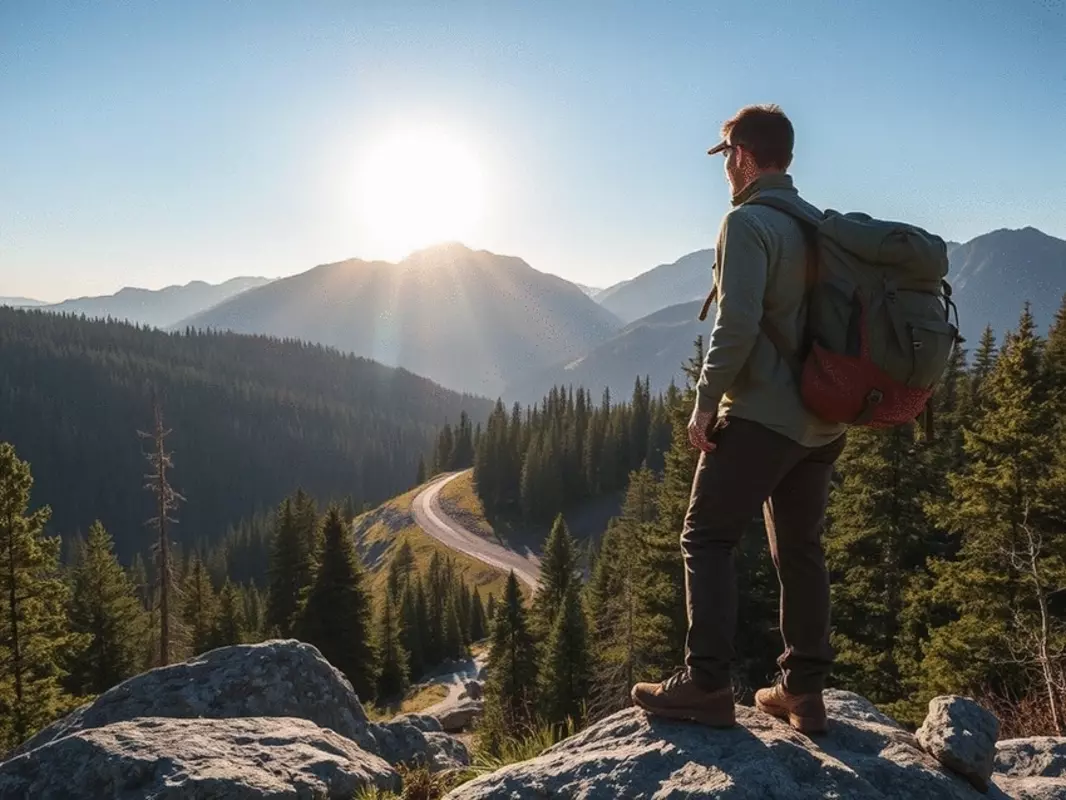
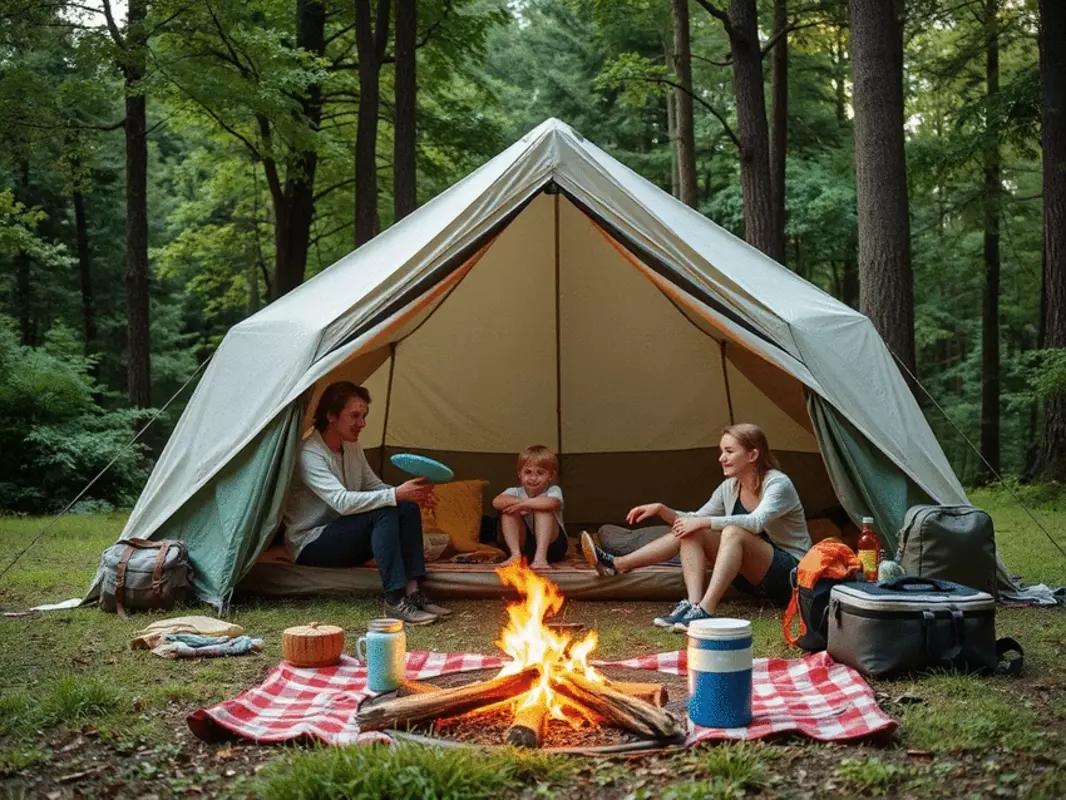
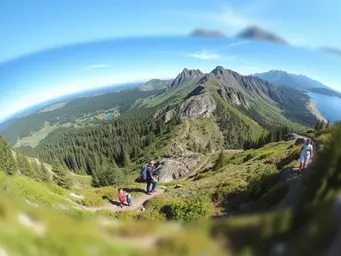
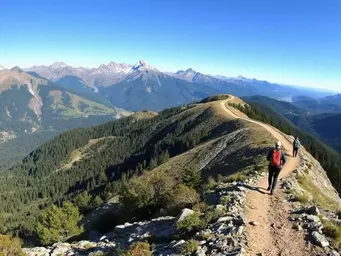
On the other hand, independent trekking trips allow you to chart your own course. This option is all about freedom—whether that's choosing your trail, pace, or even how long you stop to soak in the views. You get to be the captain of your adventure, crafting a journey that speaks to your unique preferences.
- Complete control over your itinerary
- Opportunity for spontaneous discoveries
- Flexibility to adapt to conditions
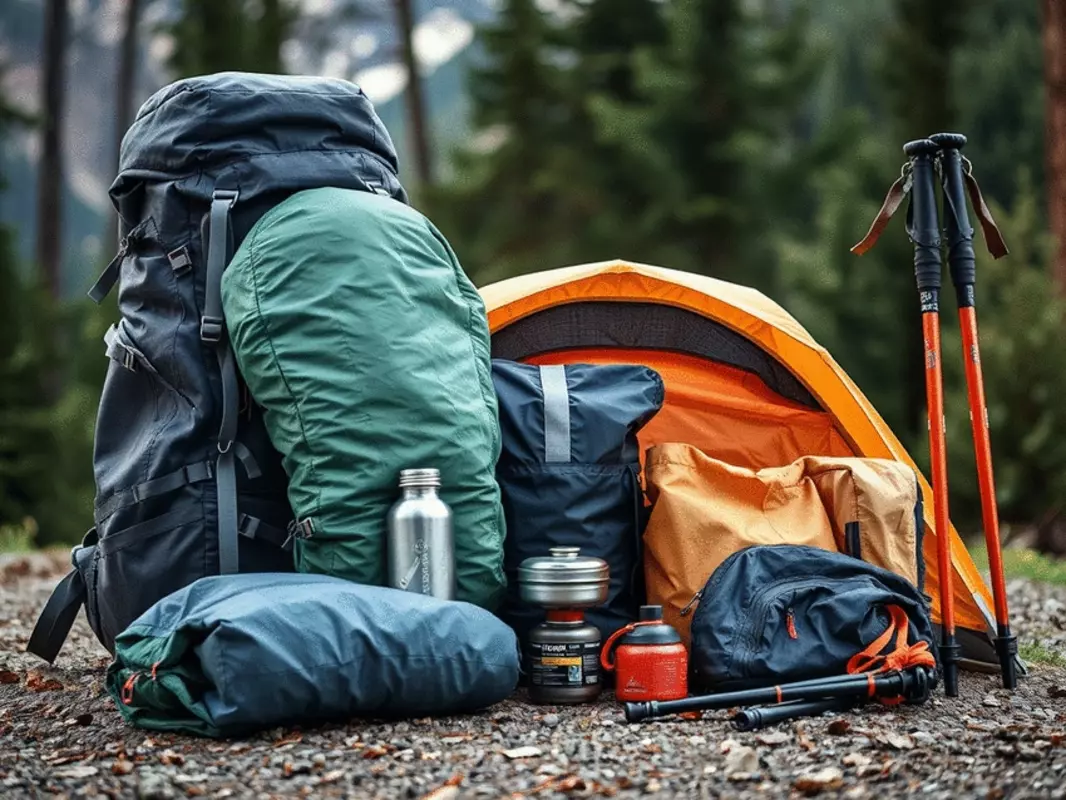
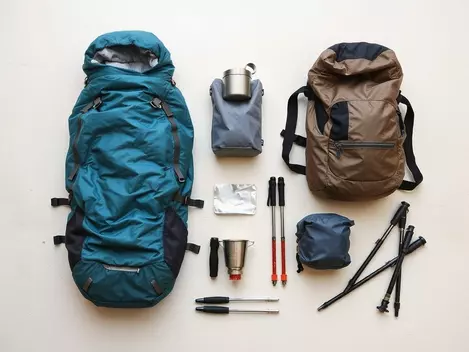
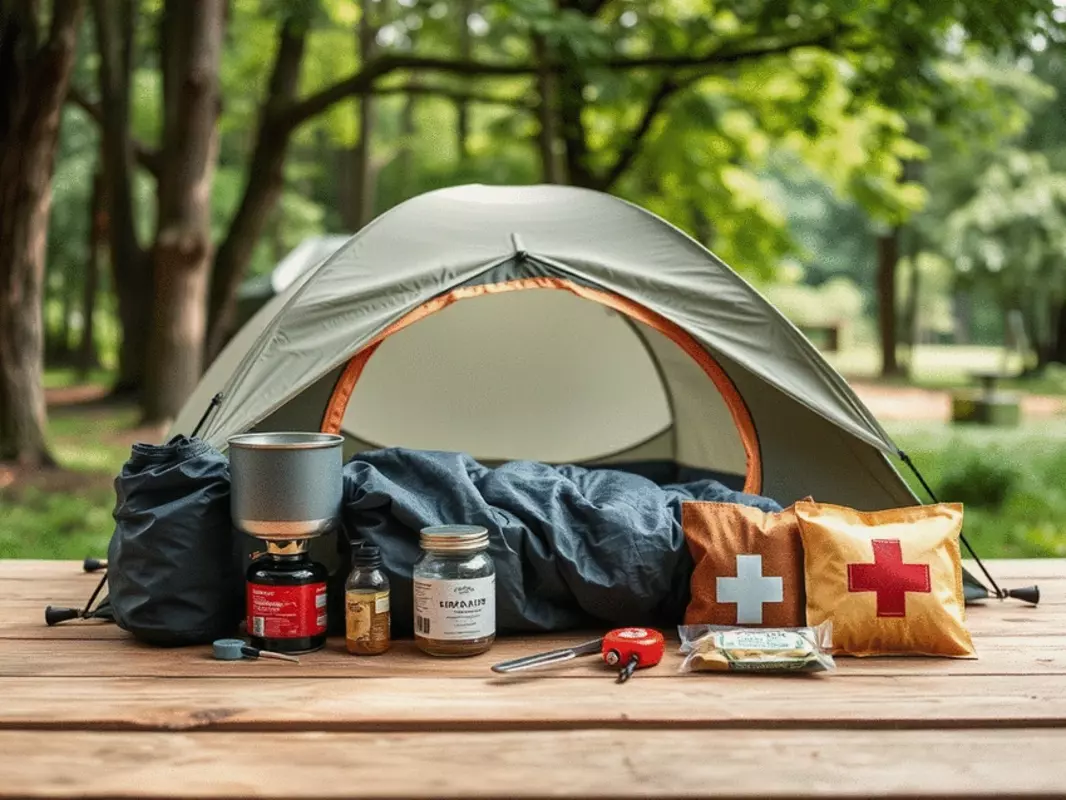
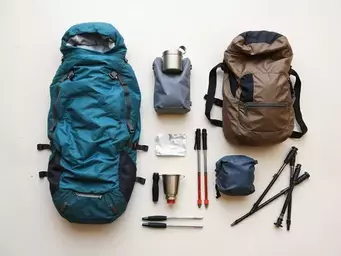
However, with this freedom comes responsibility. You'll need to prepare adequately, ensuring you have the right gear and knowledge for the trek.
Key Differences Between Guided and Independent Hiking Experiences
Understanding the fundamental differences between these two types of hikes can help you pinpoint what resonates with your hiking style. Here are some key distinctions:
- Structure: Guided tours are highly organized, while independent hikes offer flexibility.
- Cost: Guided tours usually involve higher expenses due to services rendered.
- Social Interaction: Guided hiking fosters group camaraderie, whereas independent trekking often means solitary exploration.
Ultimately, your choice boils down to how you want to experience the wild! Whether you crave the guidance of an expert or the freedom to wander, each option has something wonderful to offer. Let's keep this exploration going!
We Want to Hear From You!
Which type of hiking experience do you prefer? Are you drawn more to the structured guidance of a guided tour, or do you thrive on the freedom of independent trekking? Share your thoughts below:
Frequently Asked Questions About Hiking Adventures
Here are some common questions to help you better understand the nuances of guided versus independent hiking experiences.
Summarizing Your Hiking Adventure Options
As we wrap up our exploration of hiking adventure options, it’s crucial to reflect on the core differences between guided hiking tours and independent trekking trips. Each offers unique advantages and challenges that cater to various preferences and experiences. Understanding these can help you make a well-informed decision that aligns with your hiking style and goals.
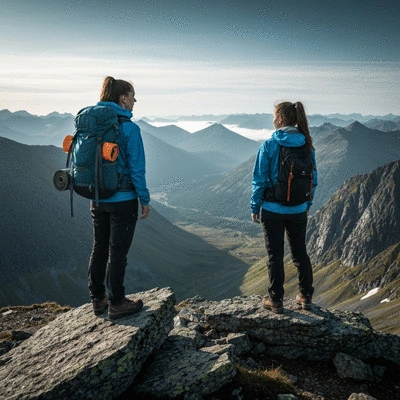
To recap, guided tours provide expert guidance, safety, and insights that can enhance your experience, while independent treks offer flexibility and a more personal connection with nature. Think about what you value most in your hiking adventures, and let that guide your choice!
Key Takeaways on Guided vs. Independent Hiking
- Guided Hiking Tours: Ideal for beginners or those seeking structure, they come with expert guidance and safety.
- Independent Trekking Trips: Perfect for experienced hikers who prefer flexibility and self-discovery.
- Budget Considerations: Guided tours often come at a premium, while independent treks can often be more budget-friendly.
- Flexibility: Independent treks allow you to change plans on the go, while guided tours have set itineraries.
These key points can help clarify your options. Consider your own experiences and preferences when deciding which hiking adventure will provide the most fulfilling experience.
Making an Informed Choice: Your Path to Adventure
When it comes to choosing the right hiking option, it’s important to assess your goals and what you hope to achieve during your adventure. Are you looking to challenge yourself physically, or do you want to immerse yourself in nature without the pressure of navigation? Understanding these goals can significantly influence your decision.
Here are some questions to ponder as you weigh your options:
- What is your comfort level with navigation and outdoor survival skills?
- Do you prefer a social experience with a group, or do you thrive when trekking solo?
- What are your budget constraints, and how much are you willing to invest in your hiking experience?
- How important is local knowledge and cultural immersion to your journey?
By answering these questions, you can better align your choice with your personal hiking style and preferences. Remember, every trek offers a chance to connect with nature, and the right choice will enhance that connection!
Next Steps: Taking Action to Book Your Journey
Now that you’ve evaluated your hiking options, it’s time to take action! Booking your adventure can be an exciting process, especially when you know what you’re looking for. Whether you choose a guided tour or an independent trek, preparation is key to enjoying your experience.
Resources for Booking Guided Tours and Independent Trips
At Backpack Hiking, we aim to connect you with reliable resources for both guided tours and independent hiking trips. Here’s how you can get started:
- Visit reputable websites that specialize in outdoor adventures for curated guided tour options.
- Join online hiking communities for recommendations on self-guided routes and tips from fellow adventurers.
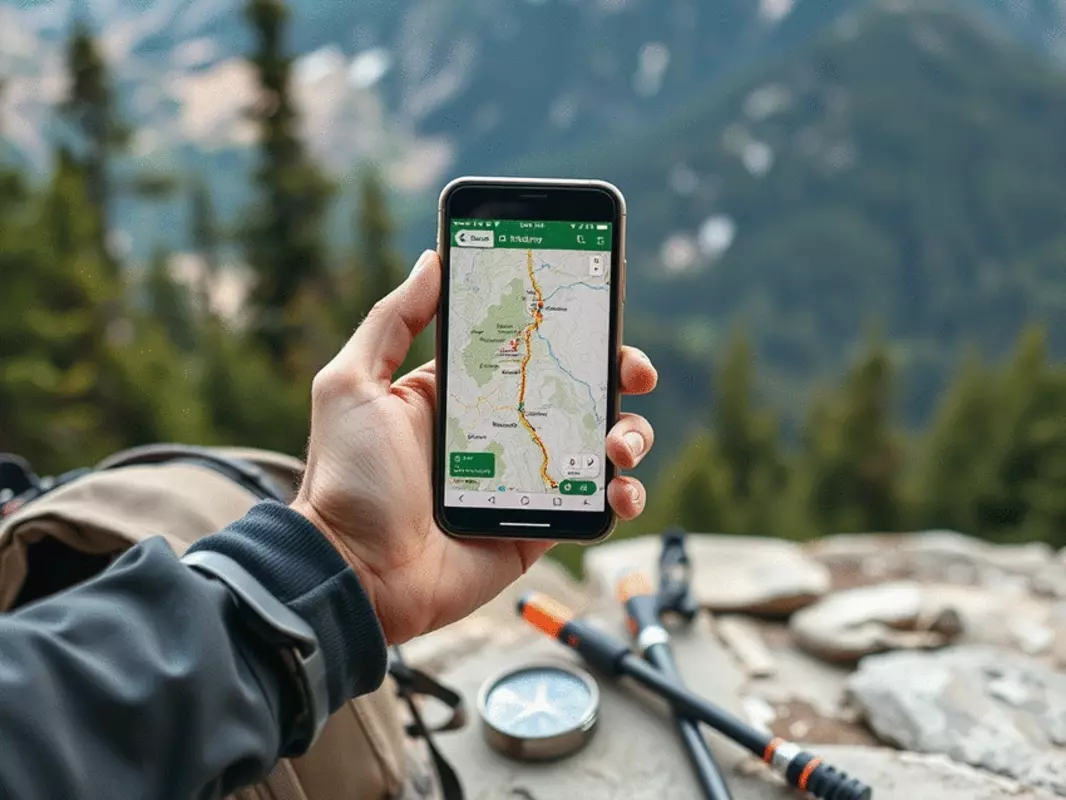
- Use apps that provide trail maps and navigation tools to help you plan your independent treks.
- Check local tourism boards for guided tour options and necessary permits for independent hikes.
These resources can make your booking process smoother and ensure you’re well-prepared for your journey!
Additional Tips for a Successful Trekking Experience
- Always double-check the weather forecast and prepare for any changes.
- Pack layers to accommodate varying temperatures and conditions.
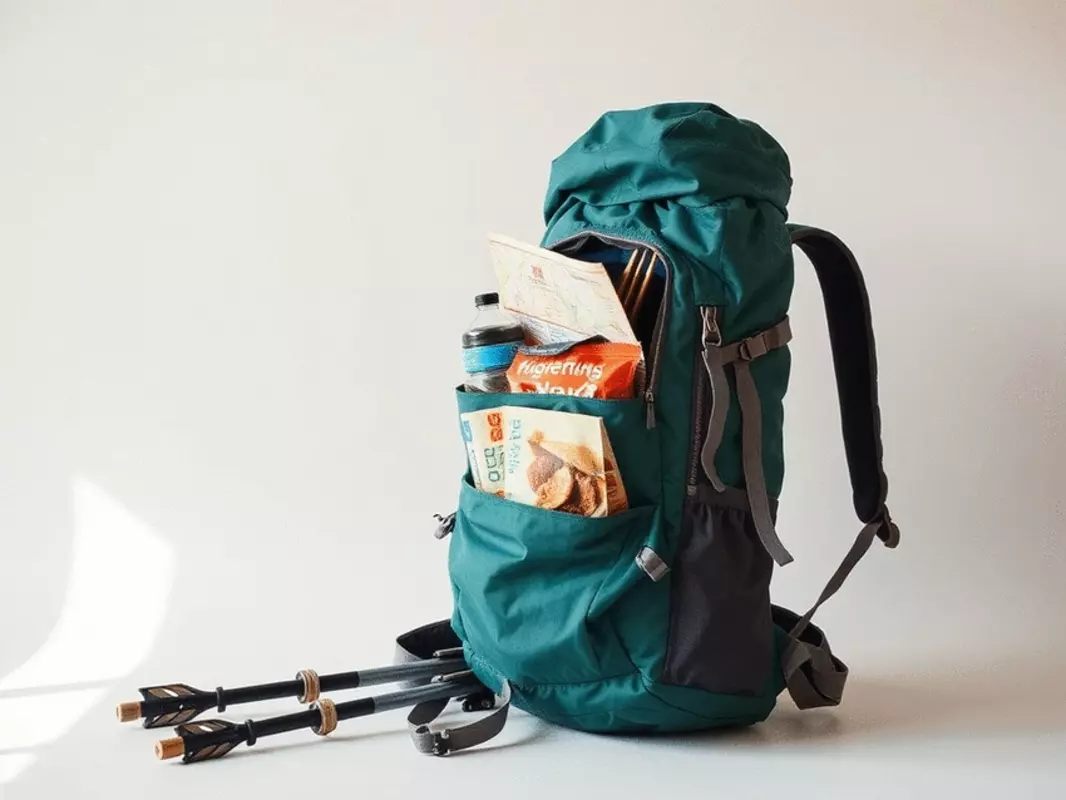
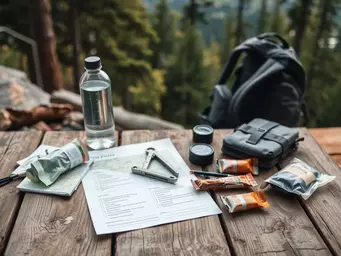
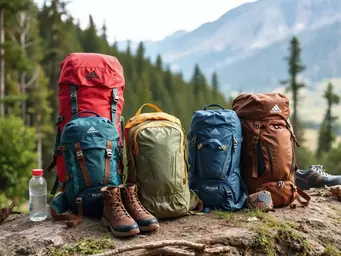
- Ensure you have a reliable water source and enough snacks to keep your energy up!
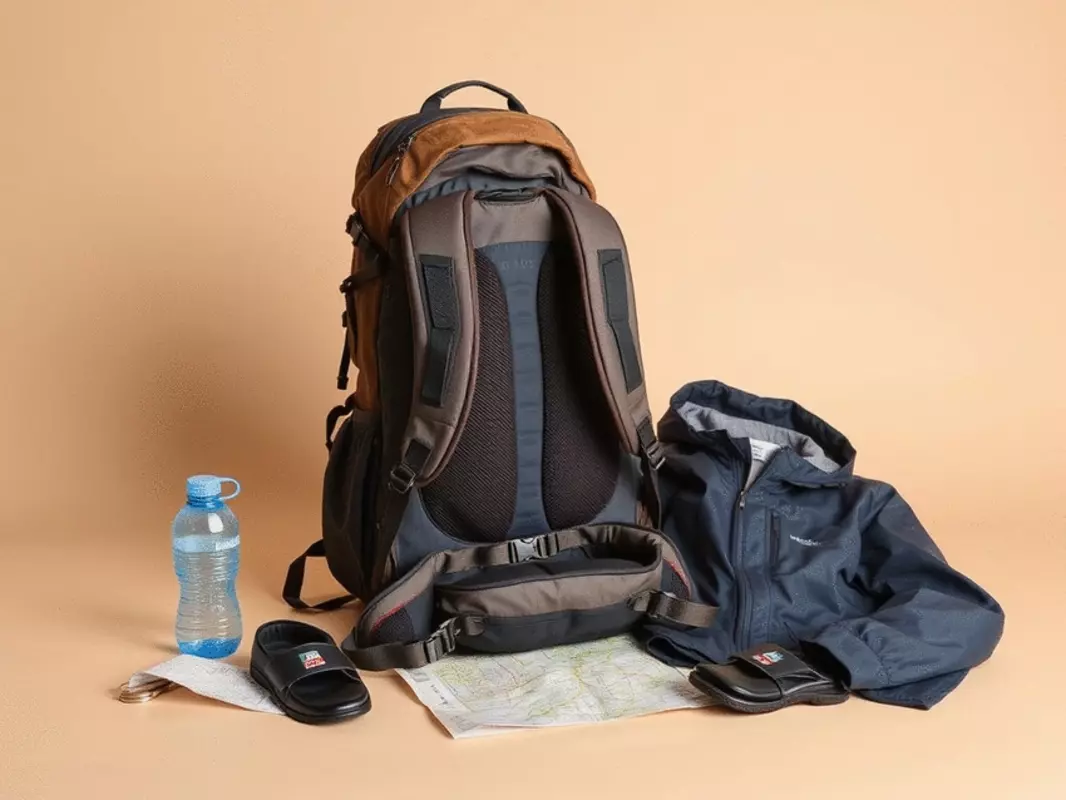
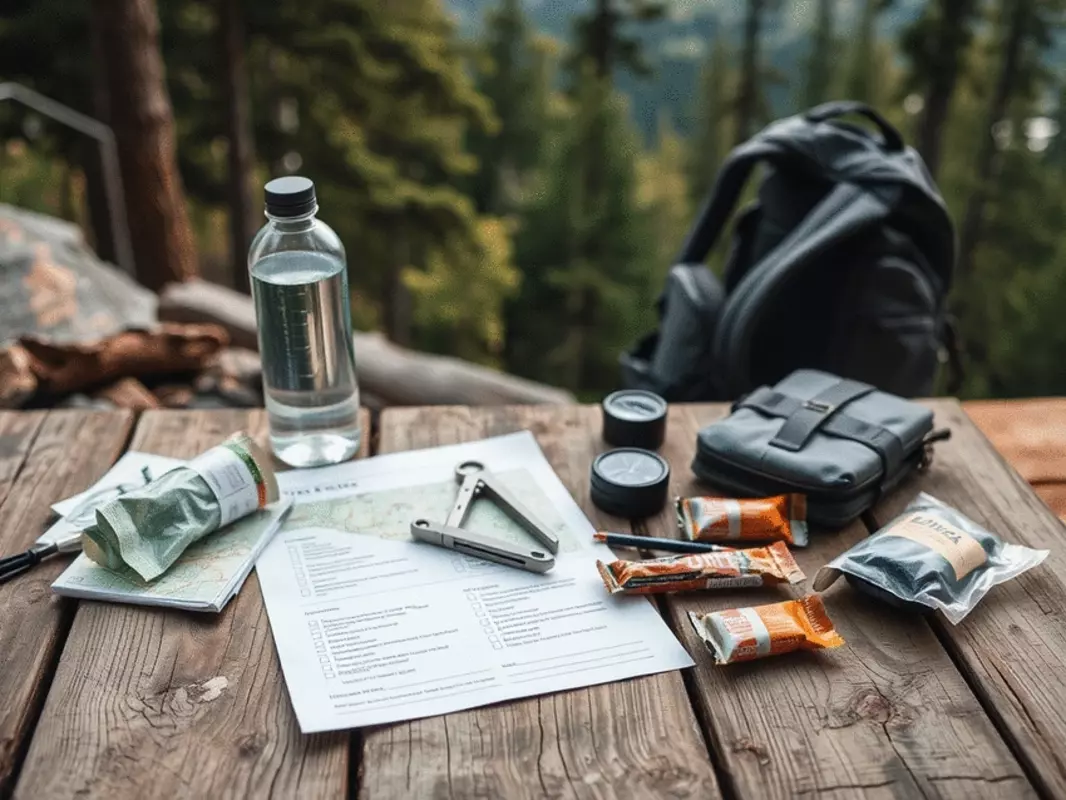
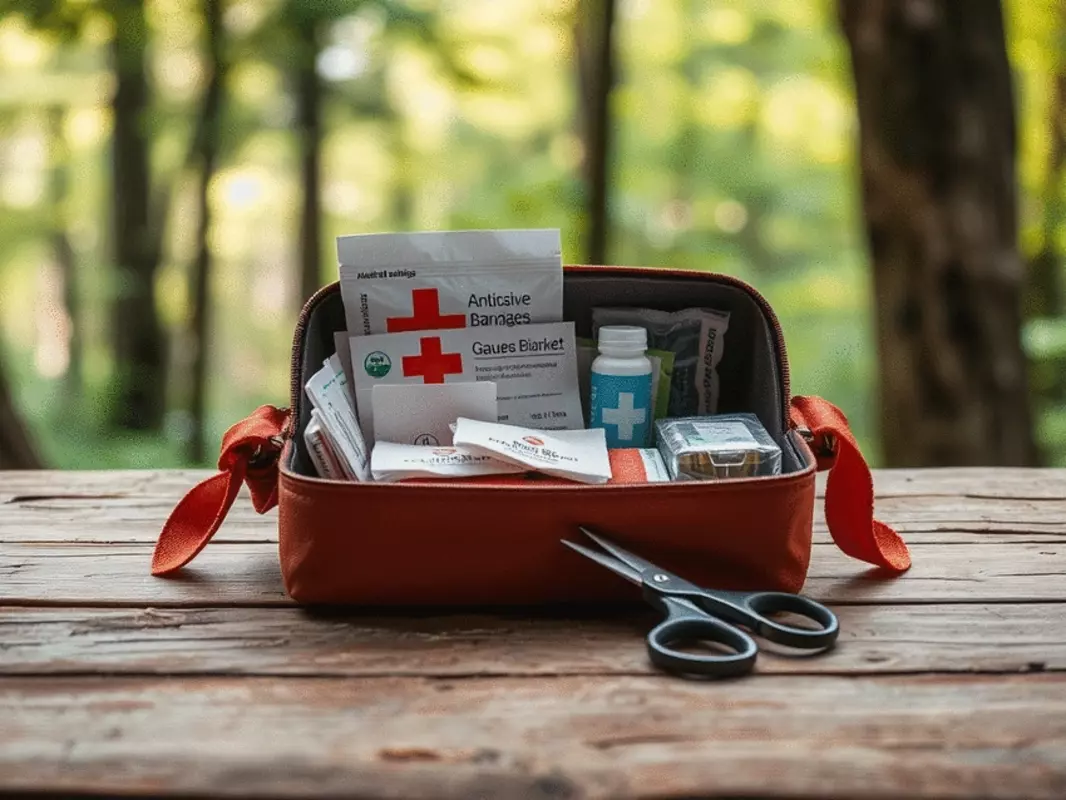
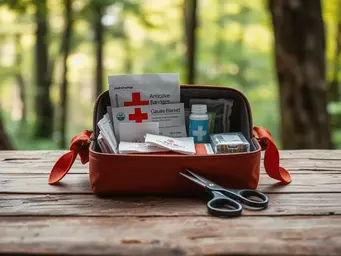
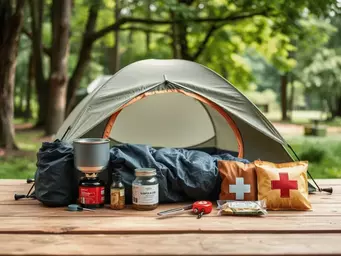
- Consider carrying a first-aid kit and navigation tools, especially for independent hikes.
With these tips in mind, you can embark on your hiking adventure with confidence and excitement!
Understanding Hiking Safety: Essential Practices for Every Trek
Safety should always be a priority, whether you’re embarking on a guided tour or choosing to trek independently. Here are some best practices to keep in mind, aligning with principles like those outlined by Leave No Trace for responsible outdoor recreation:
- Inform someone of your hiking plans and expected return time.
- Stay on marked trails to avoid getting lost and to protect the environment.
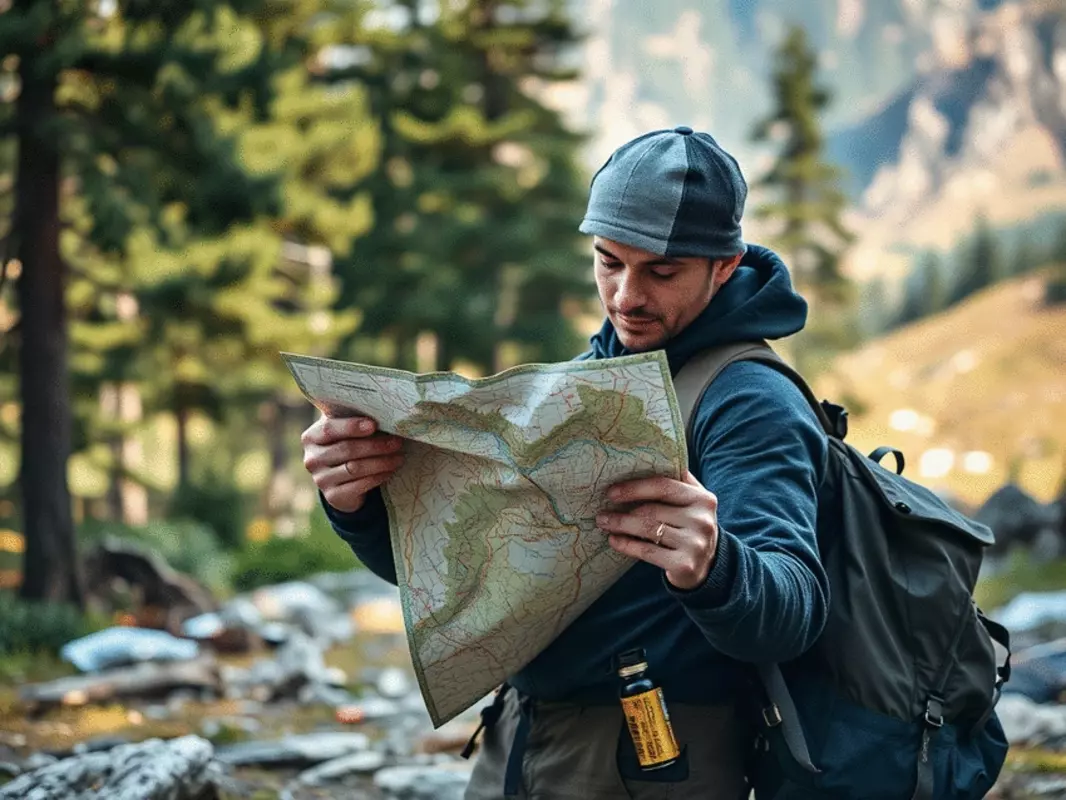
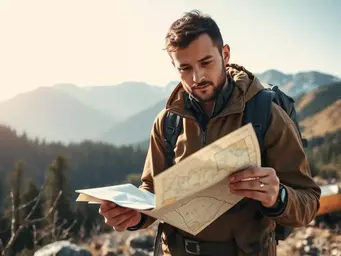
- Always carry a map or GPS device, especially for less traveled routes.
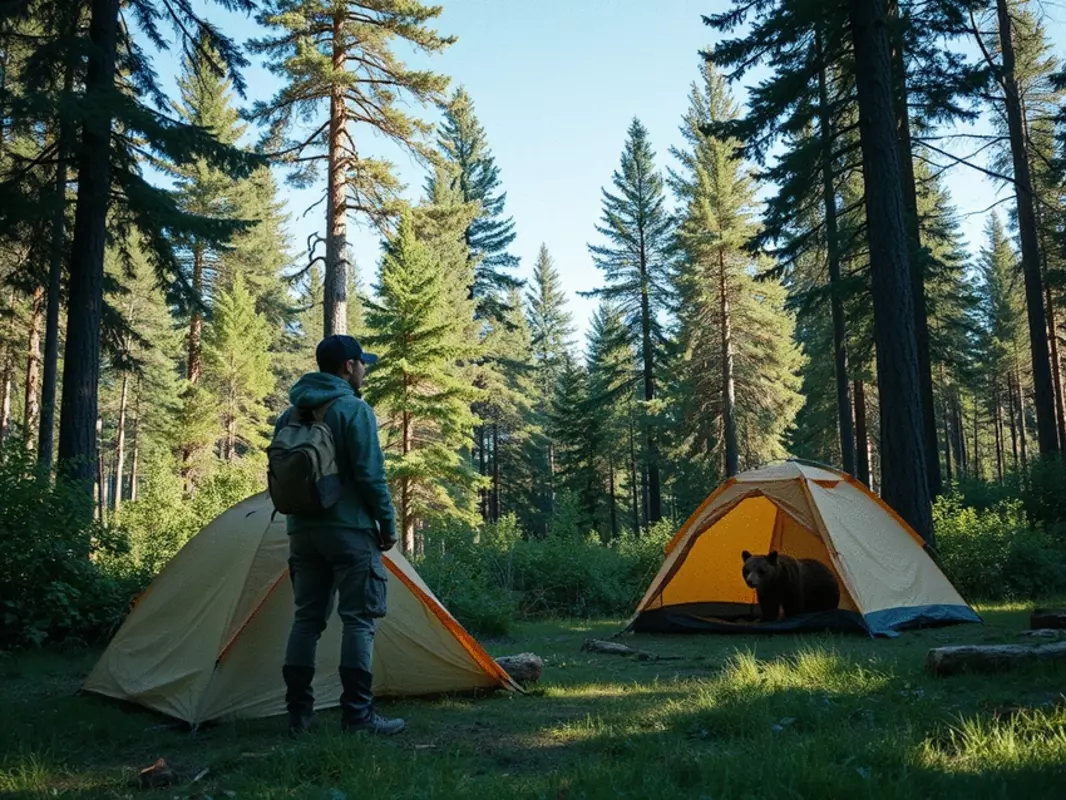
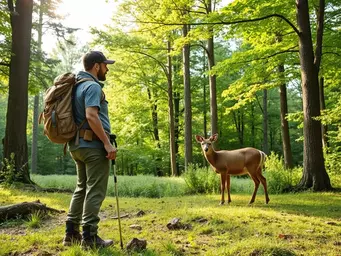
- Familiarize yourself with the local wildlife and how to handle encounters.
By implementing these safety practices, you can focus on enjoying the breathtaking beauty of nature, knowing you’re well-prepared for your adventure ahead!
Recap of Key Points
Here is a quick recap of the important points discussed in the article:
- Guided Hiking Tours: Ideal for beginners or those seeking structure, offering expert guidance and safety.
- Independent Trekking Trips: Perfect for experienced hikers who prefer flexibility and self-discovery.
- Budget Considerations: Guided tours often come at a premium, while independent treks can be more budget-friendly.
- Flexibility: Independent treks allow you to change plans on the go, while guided tours have set itineraries.
- Safety Practices: Always inform someone of your plans, stay on marked trails, and carry a map or GPS device.