Choosing the Right Camping Tent

Have you ever found yourself at the campsite, wishing you had chosen a different tent? Understanding the nuances of seasonal camping can make a world of difference in your outdoor adventures. Get ready to explore key insights that will transform your camping experience!
What You Will Learn
- The importance of selecting camping gear based on seasonal weather patterns.
- Different types of tents and their suitability for various conditions, such as dome, family, and 4-season tents.
- Key factors to consider when choosing between 3-season and 4-season tents based on your camping goals.
- Practical tips for first-time tent buyers to ensure they make informed decisions for a successful camping trip.
Choosing Your Camping Tent by Season
Understanding the distinctions between 3-season and 4-season tents is key to a comfortable and safe camping experience.
3-Season Tents
Designed for mild to moderate conditions
- ✓
Seasons: Spring, Summer, Fall
- ✓
Weather: Adequate ventilation for heat, moderate rain protection.
!selected_baner_category - ✓
Use Case: Casual camping, backpacking in mild conditions.
4-Season Tents
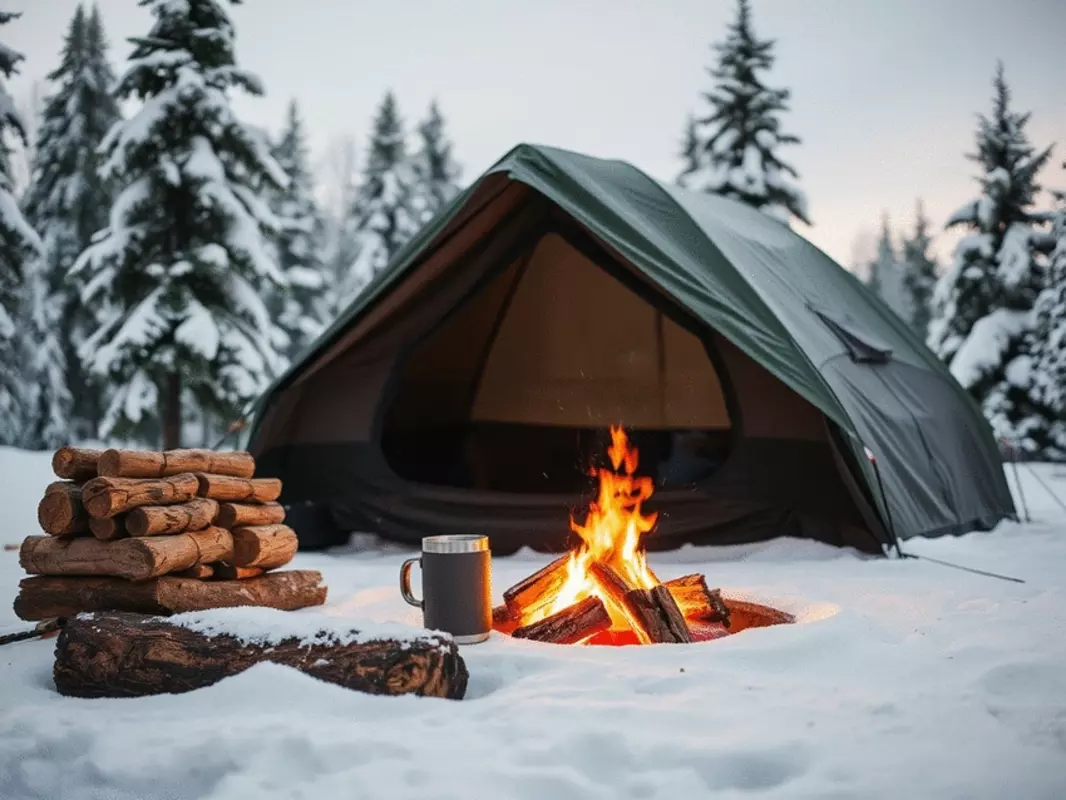
Built for extreme and harsh conditions
- ★
Seasons: All four seasons, including deep winter.
- ★
Weather: Withstands heavy snow, fierce winds, extreme cold.
- ★
Use Case: Mountaineering, winter camping in severe environments.
Understanding Your Camping Needs for All Seasons
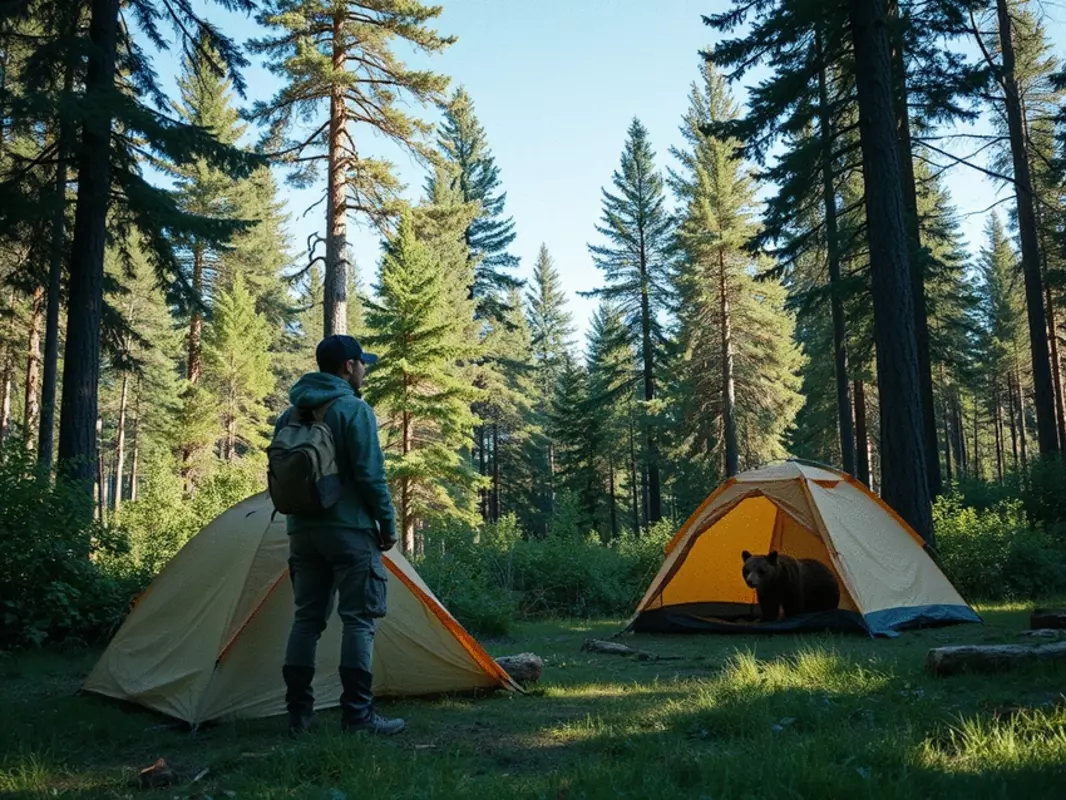
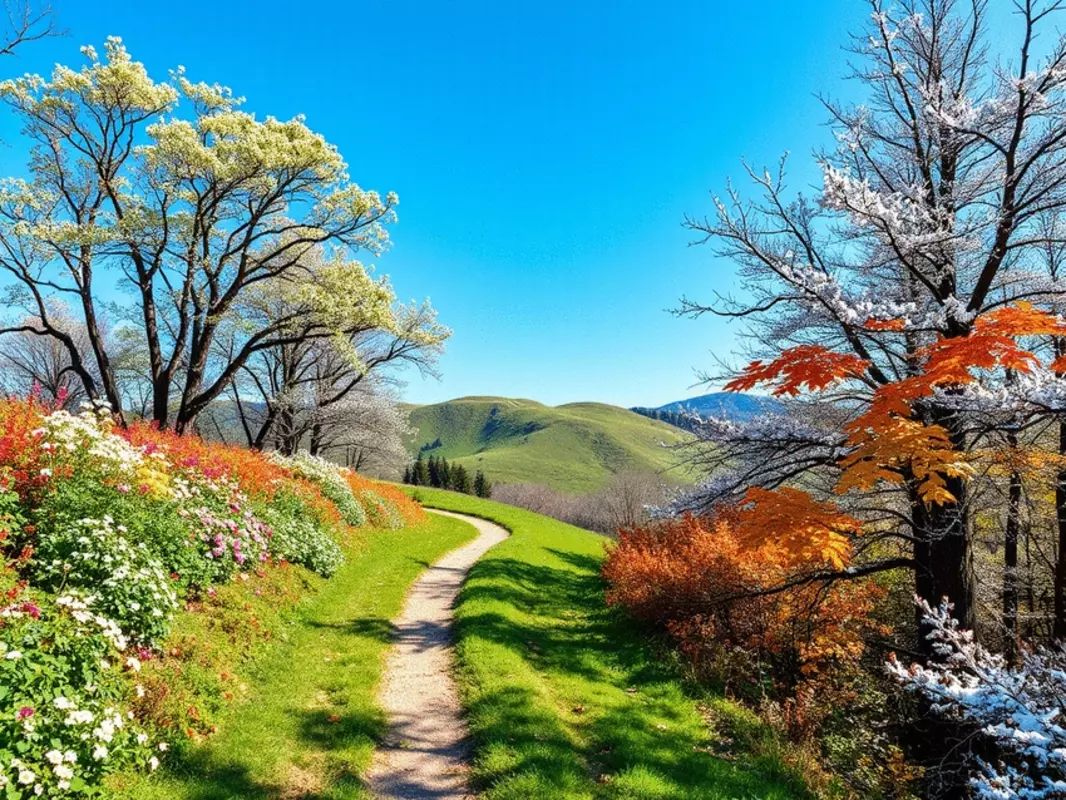
When it comes to camping, considering the season is crucial for your comfort and safety. Each season presents unique weather conditions and opportunities for outdoor activities that can greatly influence your gear choices. As an outdoor enthusiast, I’ve learned that selecting the right tent for the season not only enhances your camping experience but also keeps you safe from the elements.
For example, a summer camping trip in the mountains could mean sudden thunderstorms, while a winter trek might expose you to blizzards. Understanding these factors can help you choose a tent that meets your specific needs. What do you consider when planning your camping trip? Weather, comfort, and activities come to mind!
Identifying Key Factors for Seasonal Camping
- Weather Patterns: Rainfall and temperature fluctuations can vary widely by season.
- Camping Activities: Hiking, fishing, or simply relaxing can dictate your gear choices.
- Location: Different terrains require different levels of tent durability and weather resistance.
By reflecting on these factors, you'll be better equipped to choose a tent that will keep you dry, comfortable, and happy throughout your adventure. I’ve faced many weather challenges myself, and trust me, the right tent can make all the difference!
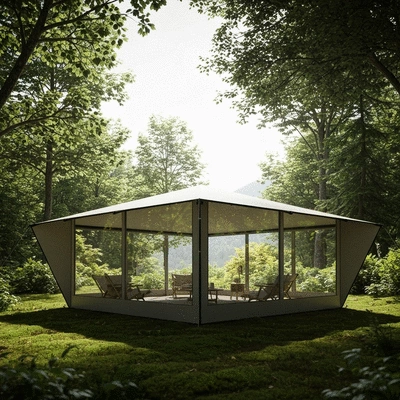
Types of Camping Tents: What Works for Each Season
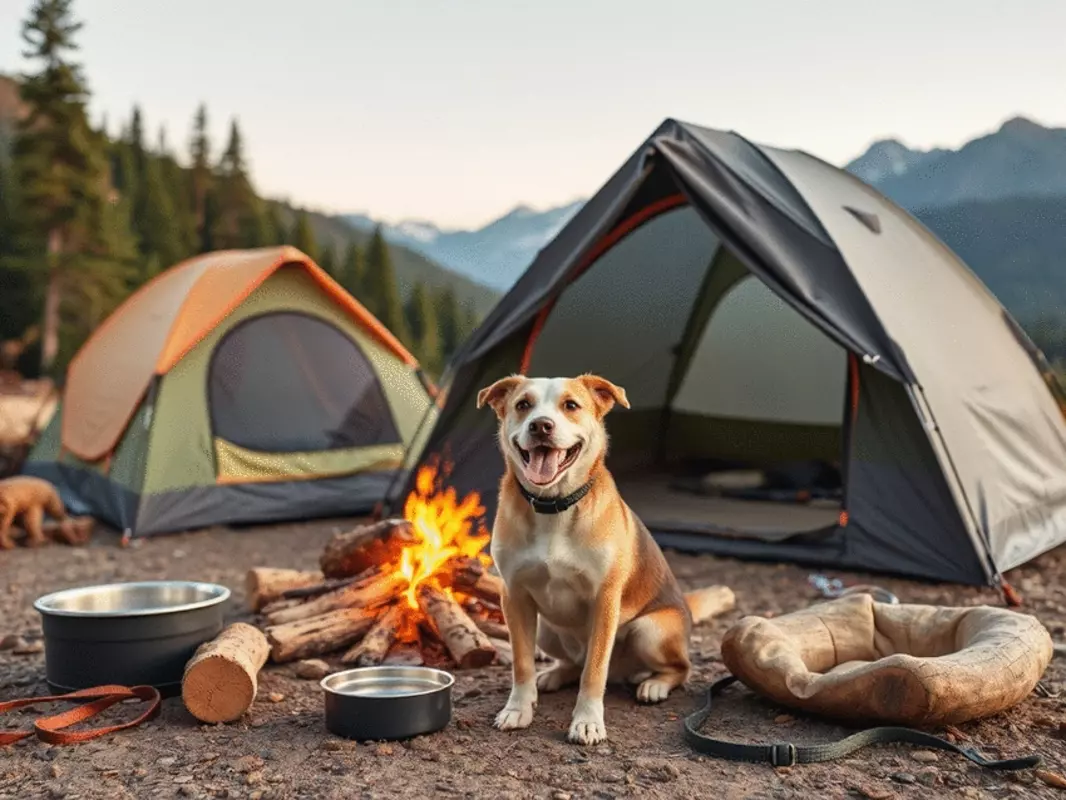
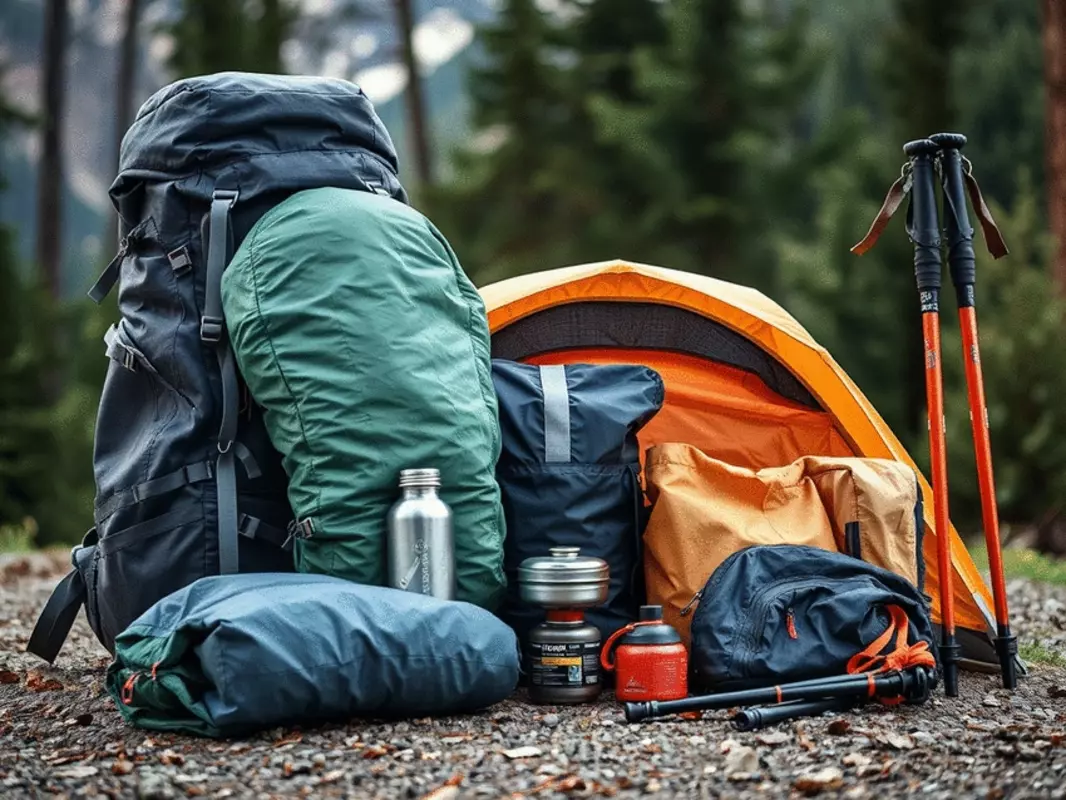
There are various types of camping tents available, each designed with specific seasonal needs in mind. Understanding these options can help you make an informed decision. Here’s a quick overview:
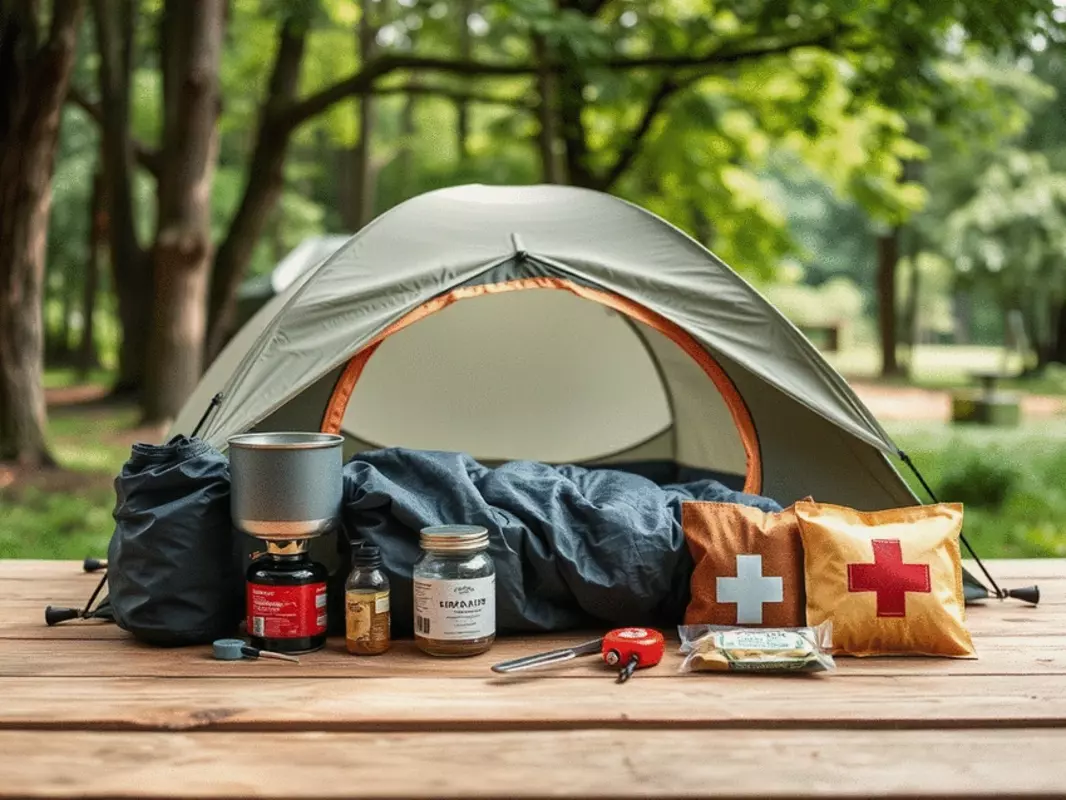
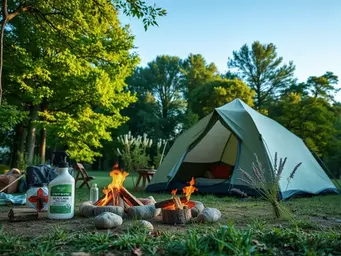
- Dome Tents: Great for general camping, offering good stability in various weather conditions.
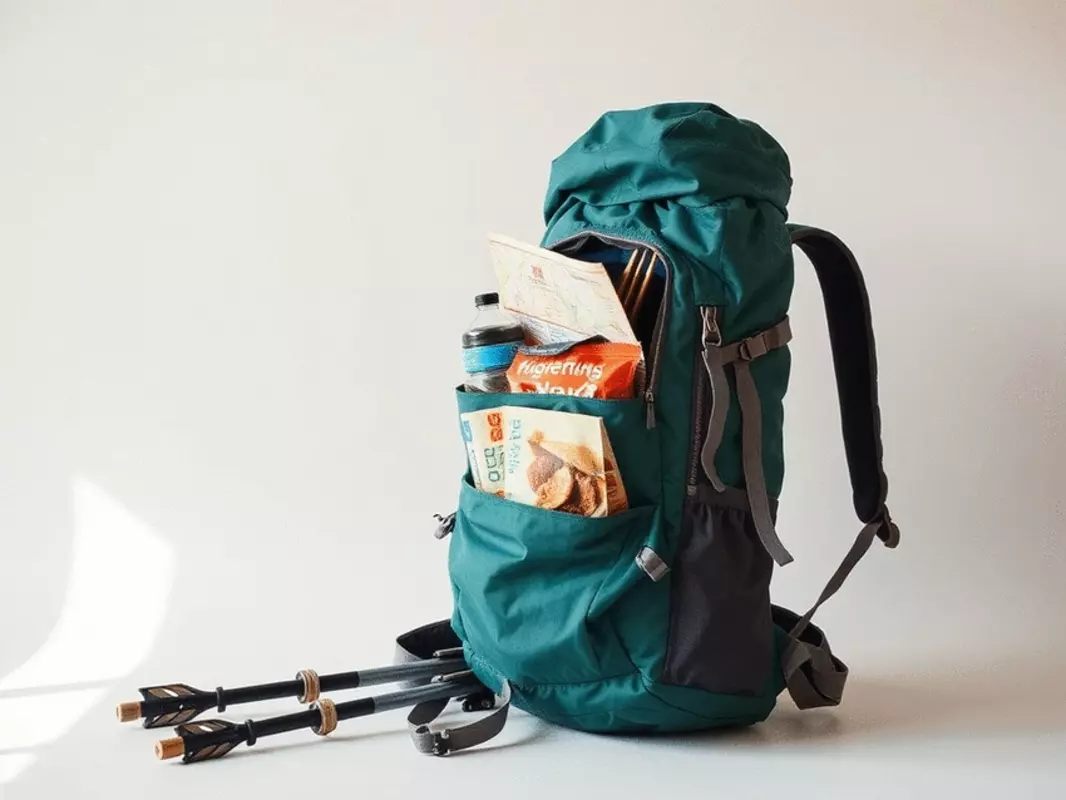
- Backpacking Tents: Lightweight and compact, perfect for hikers looking to minimize weight.
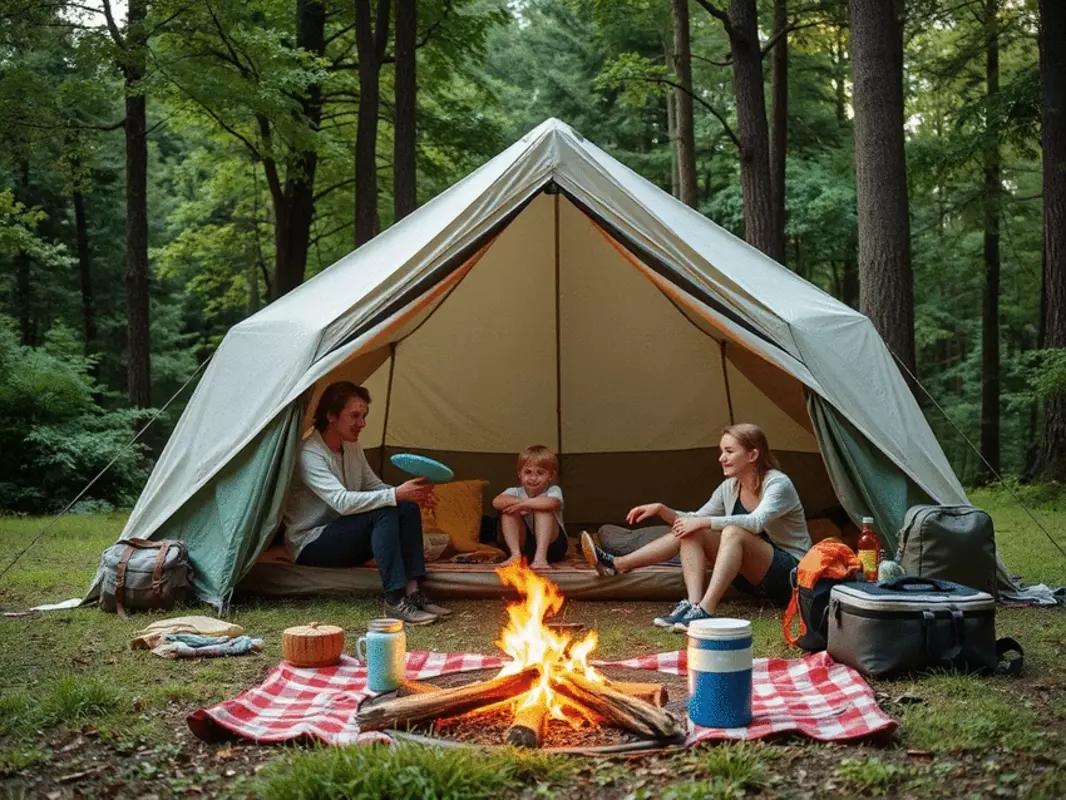
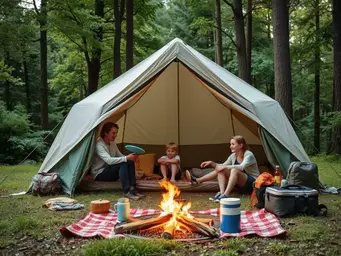
- Family Tents: Spacious layouts ideal for group camping, allowing for more comfort.
- 4-Season Tents: Built to withstand extreme conditions, suitable for winter camping.
Each tent type serves a different purpose, so it’s essential to align your needs with what’s available on the market. Whether you’re hiking with friends or setting up a family camp, finding the right tent can enrich your experience in nature!
Choosing Between 3-Season and 4-Season Tents
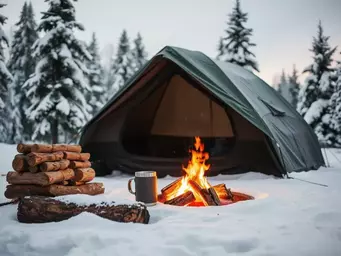
When selecting a tent, you’ll often encounter the choice between 3-season and 4-season models. 3-season tents are designed for spring, summer, and fall, providing adequate ventilation and moderate weather protection. On the other hand, 4-season tents are built to handle heavy snow and fierce winds, making them ideal for winter adventures.
Here are some scenarios to consider:
- 3-Season Tents: Best for casual camping in mild weather.
- 4-Season Tents: Necessary for mountaineering or winter camping where conditions can be severe.
In my early hiking days, I learned the hard way that choosing the right tent type can mean the difference between a cozy night under the stars and a miserable experience fighting against the elements! Always assess your camping goals carefully. For more in-depth information on selecting gear, the USDA Forest Service offers comprehensive guides on camping equipment, which can be invaluable for making informed decisions.
Interactive Poll: Your Camping Experience
As you reflect on your camping journeys, we want to know: What season do you prefer for your camping adventures? Select your choice below:
Making the Best Camping Tent Choice for Your Adventures
Choosing the right camping tent can feel a bit overwhelming, especially with so many options out there. When you're preparing for your next outdoor adventure, it's essential to consider a few key factors. These include the season, the weather conditions, and your specific camping activities. By keeping these elements in mind, you can ensure that your tent will meet your needs, allowing you to focus on enjoying the great outdoors!
Here’s a quick recap of the main factors to consider:
- Seasonality: Choose a tent suitable for the season you’ll be camping in.
- Weather Resistance: Look for waterproof materials and adequate ventilation.
- Durability: Select high-quality materials that ensure longevity.
- Setup Ease: Opt for tents that are quick and easy to pitch.
- Size and Weight: Make sure the tent fits your group size and is easy to carry.
Frequently Asked Questions (FAQs)
- What is the main difference between a 3-season and a 4-season tent?
- A 3-season tent is designed for mild to moderate conditions in spring, summer, and fall, focusing on ventilation and moderate weather protection. A 4-season tent is built for extreme conditions, such as heavy snow, fierce winds, and extreme cold, making it suitable for winter camping and mountaineering.
- How do weather patterns influence tent selection?
- Weather patterns greatly influence tent selection as they determine the level of protection needed. For example, a rainy season requires a tent with good waterproofing, while cold, snowy conditions demand a robust 4-season tent for warmth and stability. The National Park Service provides valuable advice on what to bring for various camping conditions, including appropriate shelter.
- What are the key factors to consider when buying a tent for the first time?
- First-time buyers should consider seasonality, weather resistance (waterproof materials, ventilation), durability, ease of setup, and the tent's size and weight. It's also recommended to read reviews and, if possible, try setting up the tent before purchasing.
- Are dome tents suitable for all seasons?
- Dome tents are generally good for general camping and offer decent stability in various weather conditions, making them versatile for 3-season use. However, for extreme winter conditions or severe weather, a specialized 4-season tent would be more appropriate.
- Where can I find more information about camping equipment safety standards?
- The Consumer Product Safety Commission (CPSC) offers FAQs on sporting and camping equipment, including safety guidelines and recalls, which can be helpful for ensuring your gear meets necessary safety standards.
Encouragement to Explore and Find Your Ideal Tent
Now that you have a solid understanding of what to look for, I encourage you to dive into the world of tents and explore your options! Take your time to compare different models and read user reviews. Each tent has its unique features, and finding one that resonates with your personal needs can make a significant difference in your camping experience.
At Backpack Hiking, we believe that every adventure starts with the right gear. So take the leap and find that perfect tent! Remember, it’s all about enhancing your connection with nature and creating unforgettable memories.
Camping Tips for First-Time Buyers: What You Need to Know
If you're new to camping and gearing up to buy your first tent, here are a few practical tips to help you along the way:
- Try Before You Buy: If possible, set up the tent in a store to see how easy it is to pitch.
- Read Reviews: User feedback can provide valuable insights into performance.
- Consider Your Needs: Think about how many people will be using the tent and what features are essential for you.
- Check the Weather: Look into the weather conditions typical for your camping destinations.
- Invest in Accessories: Don't forget about ground tarps, stakes, and other accessories that enhance your setup.
These tips can help ensure that your first tent will serve you well on your upcoming adventures. After all, the more prepared you are, the more you'll enjoy the beauty of the wilderness!
Recap of Key Points
Here is a quick recap of the important points discussed in the article:
- Understand Seasonal Needs: Consider weather patterns, camping activities, and location when choosing your gear.
- Select the Right Tent: Choose between dome, backpacking, family, and 4-season tents based on your camping scenario.
- 3-Season vs. 4-Season: Know when to use each type based on weather conditions and camping goals.
- Key Factors: Assess seasonality, weather resistance, durability, setup ease, and size/weight of the tent.
- First-Time Buyer Tips: Try before you buy, read reviews, consider your needs, check weather patterns, and invest in necessary accessories.