Hiking Boots for Every Trail
Choosing the right hiking boots is crucial for a successful outdoor adventure. Each trail presents unique challenges, and understanding the types and features of hiking boots can significantly enhance your experience on the trails. Here’s what you will learn from this article:
What You Will Learn
- Rugged trails require boots with strong support and traction, while easy trails allow for more flexibility in boot choice.
- Key features to look for in hiking boots include waterproofing, support and cushioning, and breathability.
- Proper care and maintenance can significantly extend the life and performance of your hiking boots.
- Recognizing signs of wear can help you determine when to resole or replace your hiking boots.
- Maintaining waterproof boots requires specific care to ensure they continue to keep your feet dry.
Hiking Boot Features vs. Trail Conditions
Matching your hiking boots to the trail conditions is crucial for comfort and safety. Here's a comparison of key boot features and their importance on different trail types.
Waterproofing
Rugged Trails: Essential for wet conditions & stream crossings. Prevents soggy feet & blisters.
Easy Trails: Beneficial for unexpected puddles. Less critical but still enhances comfort.
Support & Cushioning
Rugged Trails: Vital for shock absorption, stability, and reducing fatigue on uneven terrain.
Easy Trails: Important for overall comfort, but extreme support is less critical on smooth paths.
Breathability
Rugged Trails: Helps prevent sweat buildup & blisters, especially on strenuous, long hikes.
Easy Trails: Keeps feet cool & comfortable on warmer days, preventing discomfort.
Durability & Protection
Rugged Trails: High priority for protection against sharp rocks & abrasive surfaces. Robust materials are key.
Easy Trails: Moderate importance. Lighter materials can offer sufficient protection without added bulk.
Finding the Right Fit: Understanding Hiking Boot Types for Different Trails
As an outdoor enthusiast, I've learned that choosing the right hiking boots can make or break your adventure. Whether you’re traversing a rocky mountain trail or strolling through a peaceful forest, understanding the different types of hiking boots is essential for a comfortable experience. Let’s dive into how to select the perfect pair based on the trails you plan to conquer!
First, it's crucial to recognize that trails come in all shapes and sizes. Each path presents unique challenges, and matching your boots to these conditions can enhance your performance and enjoyment. What have your experiences been with different trails? Let’s break it down!
Defining Rugged vs Easy Trails: What to Expect
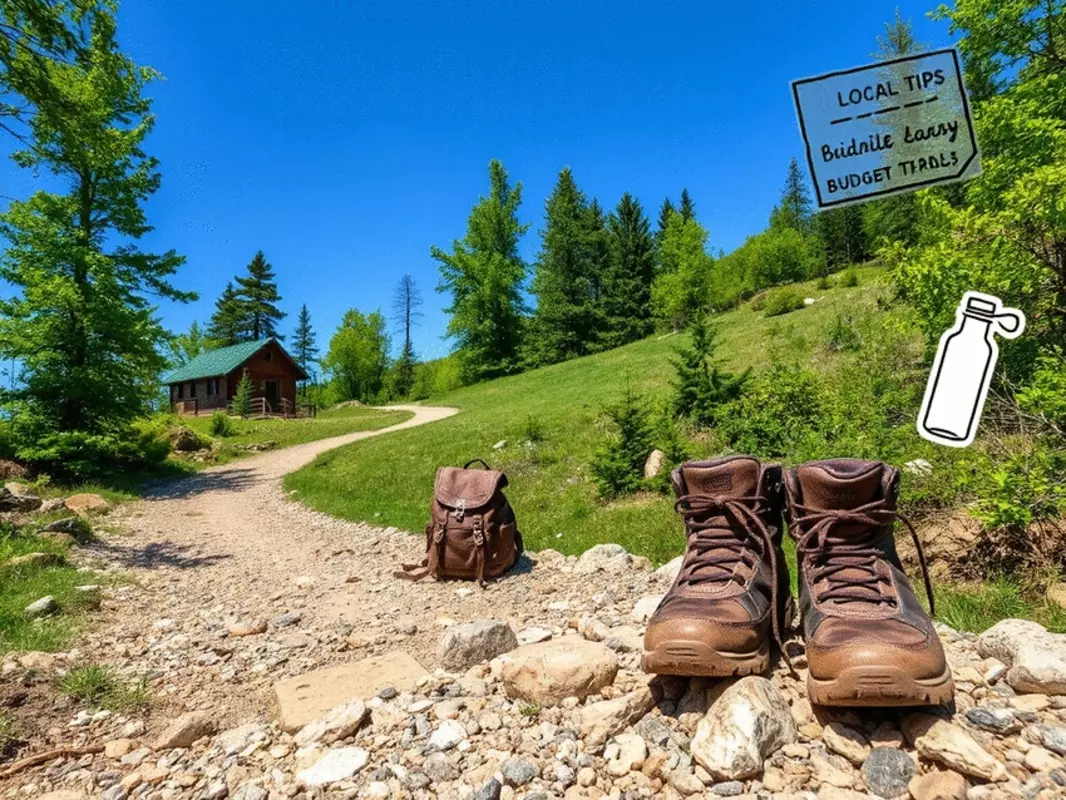
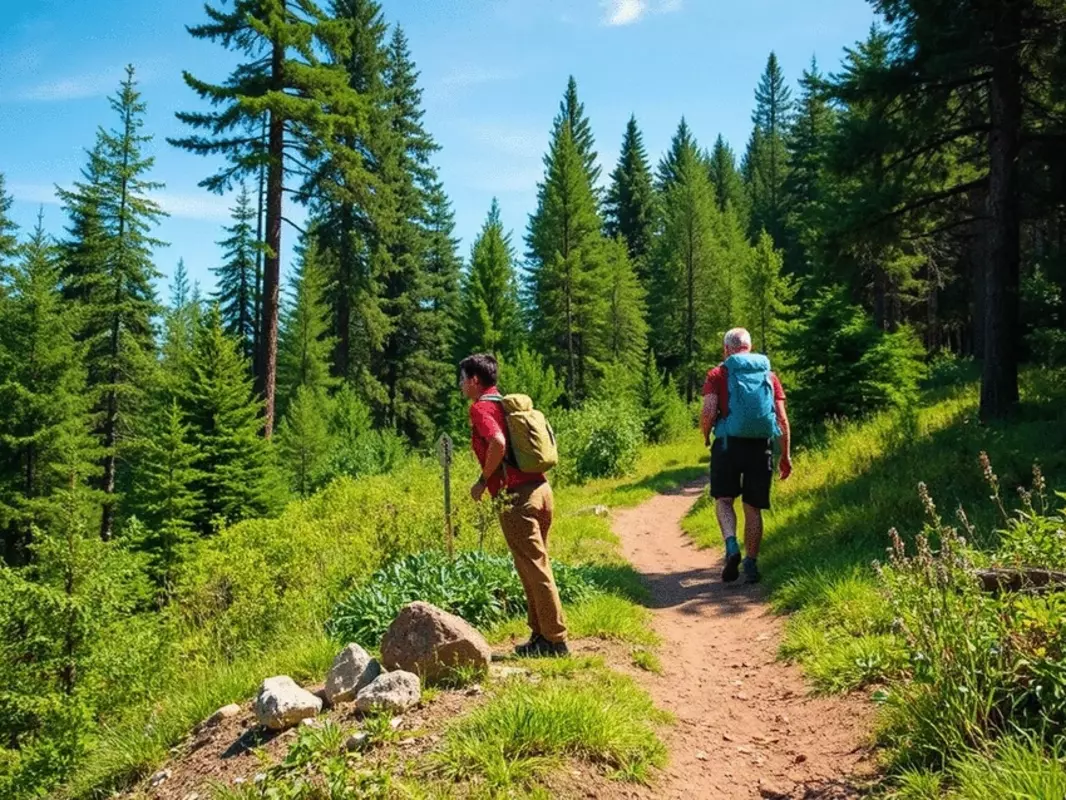
Rugged trails often feature uneven terrain, steep inclines, and sometimes unpredictable weather conditions. These paths require boots that provide strong support and traction. On the other hand, easy trails are generally well-maintained and more forgiving, allowing for a wider range of boot options. So, what exactly can you expect from each type?
- Rugged Trails: Steep slopes, rocky surfaces, and potential water crossings.
- Easy Trails: Smooth paths, gentle slopes, and minimal obstacles.
When hitting rugged trails, be prepared for any surprises the trail might throw your way. Easy trails are fantastic for relaxing hikes, especially if you're looking to enjoy the scenery without the extra strain on your feet.
Key Features to Consider in Hiking Boots
When it comes to selecting hiking boots, I always recommend paying close attention to specific features that can significantly impact your comfort and safety. Here are some key elements to look for:
- Waterproofing: Essential for staying dry in wet conditions.
- Support and Cushioning: Vital for long hikes, especially on rugged terrain.
- Breathability: Important for keeping your feet cool and comfortable.
By focusing on these features, you'll be setting yourself up for a successful hiking experience, no matter the trail conditions! For a deeper dive into choosing appropriate footwear, the U.S. Forest Service offers excellent guidance on footwear for various outdoor activities.
Waterproofing: Why It Matters for Trail Conditions
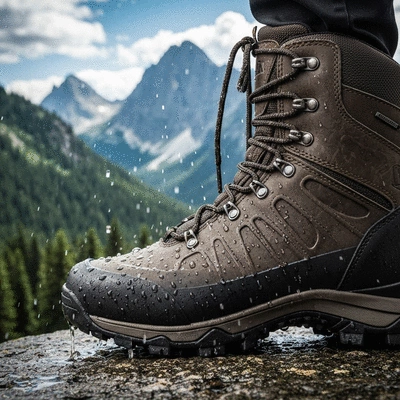
Waterproof boots are a must-have, especially if you plan to hike in wet or muddy conditions. They prevent water from seeping in and keep your feet dry, which is crucial for comfort and preventing blisters. Have you ever hiked in soggy shoes? It’s not fun!
Support and Cushioning: Balancing Comfort with Stability
Boots with excellent support and cushioning help absorb shock and reduce fatigue during long hikes. This is especially true for rugged trails where you might be navigating rocky paths. Look for boots with padded collars and insoles that provide the right amount of cushioning for your foot type. The National Park Service also emphasizes the importance of proper hiking footwear for comfort and preventing injuries on diverse terrain.
Breathability: Keeping Your Feet Comfortable on the Trail
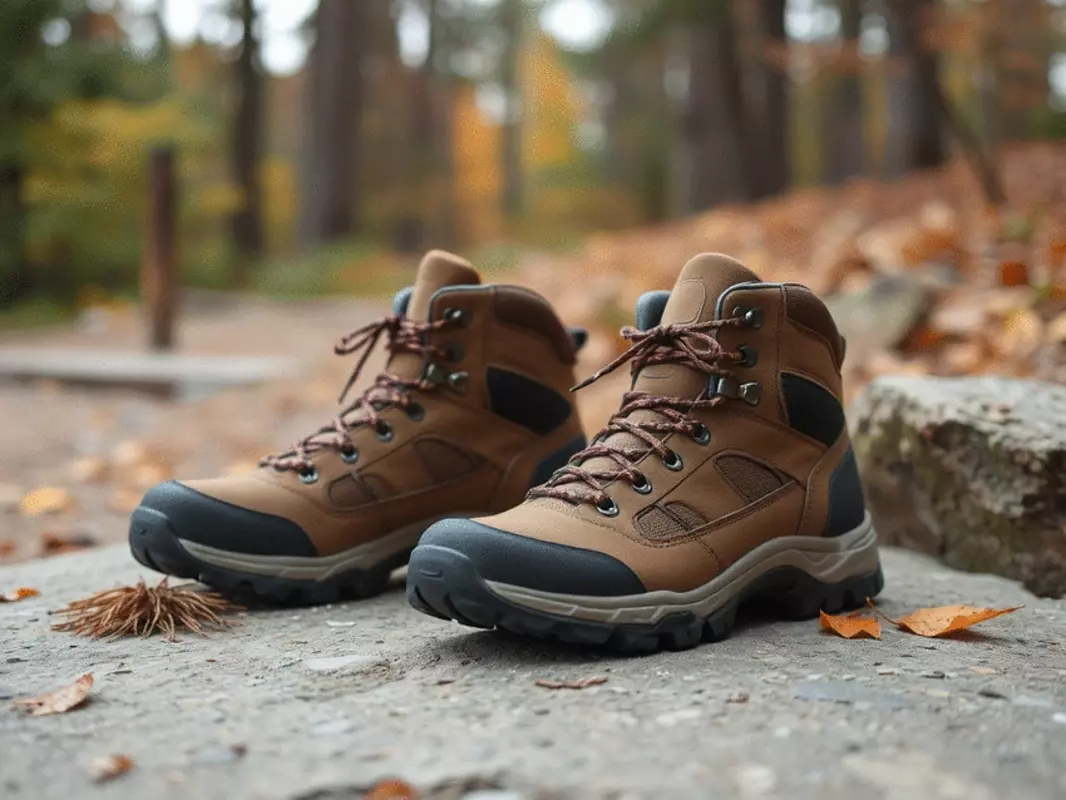
Breathable materials allow moisture to escape, which is essential for maintaining comfort on warmer days. If your feet get too hot and sweaty, it can lead to discomfort and even blisters. Opt for boots that feature mesh panels for increased airflow. Further insights on this topic can be found in REI's comprehensive guide to hiking boots, which covers various features including breathability.
We Want to Hear From You!
What features do you consider most important when choosing hiking boots? Share your thoughts below:
Frequently Asked Questions (FAQs)
Q: How do I choose the right hiking boots for specific trail conditions?
A: For rugged trails, prioritize boots with strong support, traction, and durability to protect against uneven terrain and sharp rocks. For easy trails, you can opt for lighter boots with good cushioning and breathability, as extreme support is less critical.
Q: What are the most important features to look for in hiking boots?
A: Key features include waterproofing (to keep your feet dry), support and cushioning (for shock absorption and comfort on long hikes), and breathability (to prevent sweat buildup and blisters, especially in warmer conditions).
Q: How can I extend the life of my hiking boots?
A: Proper care includes cleaning your boots after each hike, storing them in a cool, dry place, using boot trees to maintain their shape, and regularly checking for and treating any scuffs or scratches. Airing out insoles and applying suitable conditioners for leather boots also helps.
Q: When should I consider resoling or replacing my hiking boots?
A: Look for signs such as visible cracks in the sole or upper material, uneven wear patterns, loss of waterproofing, or persistent discomfort/pain during hikes. These indicate it might be time for resoling or a new pair.
Q: What's the best way to maintain the waterproofing of my boots?
A: Regularly reapply waterproofing treatments as recommended by the manufacturer. Clean them with gentle soap and water to avoid damaging the waterproof membrane and store them properly to maintain the barrier's integrity.
Long-term Care: Ensuring Durability and Performance
Taking proper care of your hiking boots is essential for ensuring their longevity and performance on the trails. Just like us, our gear needs a little TLC! Regular maintenance can extend the life of your boots and keep them in top shape for many adventures ahead. Here are some key care tips I’ve found useful over the years:
- Clean your boots after each hike to remove dirt and debris.
- Store them in a cool, dry place away from direct sunlight.
- Use boot trees or stuff them with newspaper to maintain shape.
- Regularly check and treat any scuffs or scratches.
By following these steps, you can help preserve the quality of your boots and ensure they provide reliable support on every trail!
Aftercare Tips for Your Hiking Boots
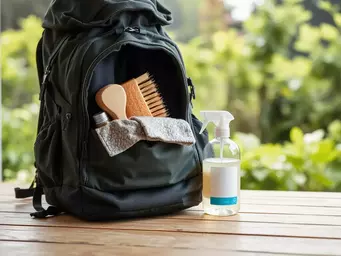
After a hike, don't just toss your boots aside! It’s important to give them some tender care. Here are my go-to aftercare practices:
- Remove the insoles and let them air out separately.
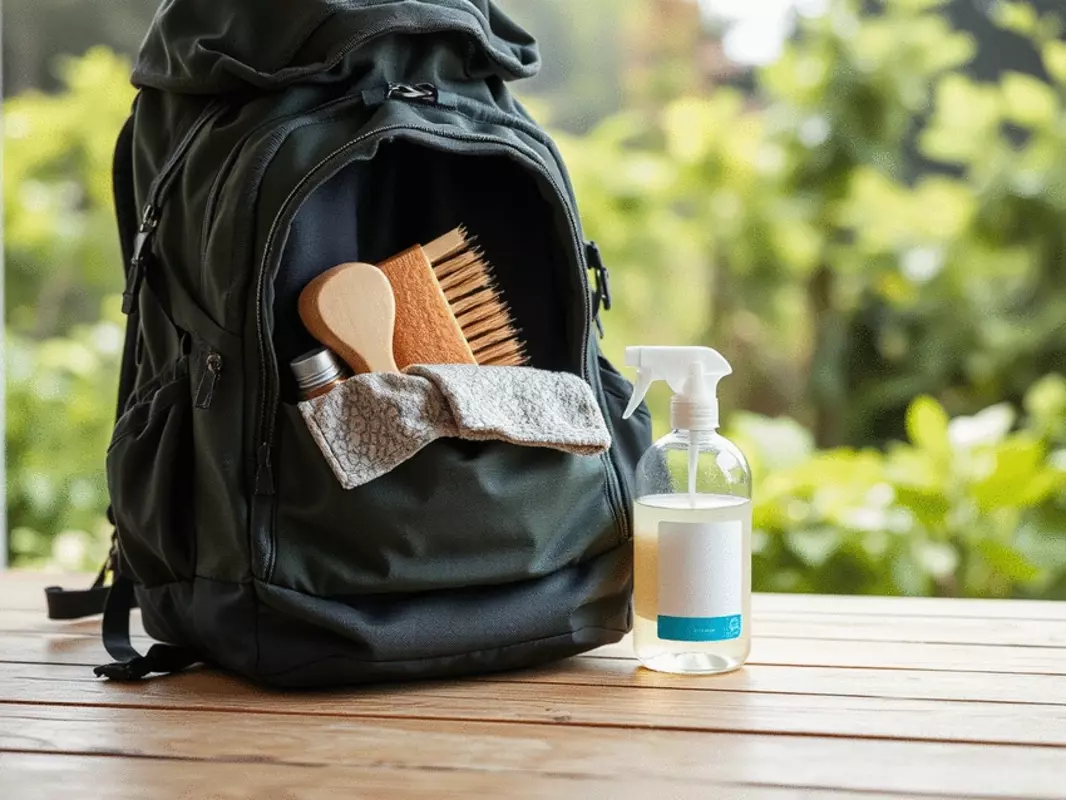
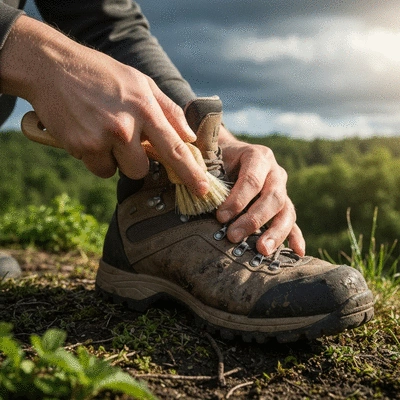
- Use a soft brush to gently clean the exterior.
- Apply a suitable conditioner to leather boots to keep them supple.
- Make sure to dry them naturally; avoid direct heat sources.
These simple yet effective tips not only enhance the comfort of your boots but also keep them performing at their best. I often take these steps right after I get home—it's become part of my post-hike routine!
Signs of Wear: When to Consider Resoling or Replacing
Even the best hiking boots won’t last forever. It’s crucial to recognize when they need some extra attention. Here are the key signs that indicate it might be time to consider resoling or even replacing your beloved boots:
- Visible cracks in the sole or upper material.
- Uneven wear patterns affecting stability.
- Loss of waterproofing or significant leaks.
- Comfort issues or painful hotspots during hikes.
When I notice any of these signs, I evaluate whether a good resoling can bring them back to life or if it’s time to invest in a new pair. Trust me, it's always better to be proactive rather than waiting until you’re out on a tricky trail!
Maintaining Waterproof Boots: Best Practices for Longevity
Waterproof boots are fantastic for keeping your feet dry in wet conditions, but they require special care to maintain that waterproof barrier. Here’s how to keep your boots performing well:
- Regularly reapply waterproofing treatments as recommended by the manufacturer.
- Clean them with gentle soap and water to avoid damaging the waterproof membrane.
- Avoid submerging them in water for extended periods.
- Store them with the waterproofing agents intact to maintain the barrier.
By following these best practices, you’ll ensure your waterproof boots remain your reliable companions for years. And there’s nothing quite like the comfort of stepping into a dry boot after a long day on the trail!
Make an Informed Choice: Your Next Steps
Now that your hiking boots are well cared for, it’s time to think about your next hiking adventure! Choosing the right boots is a journey worth taking, and I’m excited to help you further discover what fits your needs best.
Recap of Key Points
Here is a quick recap of the important points discussed in the article:
- Choose the Right Boot: Match your hiking boots to the trail type—rugged trails require support and traction, while easy trails offer more flexibility in boot choice.
- Key Features Matter: Look for waterproofing, support, cushioning, and breathability when selecting hiking boots for optimal comfort and performance.
- Proper Care is Essential: Maintain your boots by cleaning after hikes, storing them correctly, and checking for wear to extend their lifespan.
- Aftercare Practices: Allow boots to air out, clean them regularly, and condition leather to keep them in top shape.
- Recognize Signs of Wear: Be aware of cracks, uneven wear, and loss of waterproofing to decide when to resoling or replace your boots.
- Maintain Waterproofing: Regularly treat your boots and clean them properly to keep the waterproof barrier intact.