Stay Safe on Remote Trails

As someone who has navigated countless trails, I can assure you that the key to enjoying the great outdoors lies in preparation. What if I told you that a well-planned hike can be the difference between adventure and misadventure? Let’s explore the essentials of trail safety that can elevate your outdoor experiences.
What You Will Learn
- Thoroughly research specific trail conditions before embarking on your adventure.
- Always communicate your hiking plans, including your route and expected return time, to someone trustworthy.
- Be aware of trail difficulty ratings and choose trails that match your fitness level.
- Pack essential gear, including a first aid kit, food, water, and weather-appropriate clothing to ensure safety.
- Respect fellow hikers and the environment by following responsible hiking practices.
Key Pillars of Trail Safety
Preparation, communication, and understanding trail conditions are crucial for a safe and enjoyable hiking experience.
Preparation is Key
Research trail conditions, weather forecasts, and potential hazards. "Trust me, being informed can make all the difference!"
Communication is Vital
Inform someone about your hiking plans, route, and expected return time. "This simple act can be lifesaving!"
Understand Difficulty
Familiarize yourself with trail difficulty ratings to match your abilities. "Always be honest with yourself about your fitness."
Pack Smart
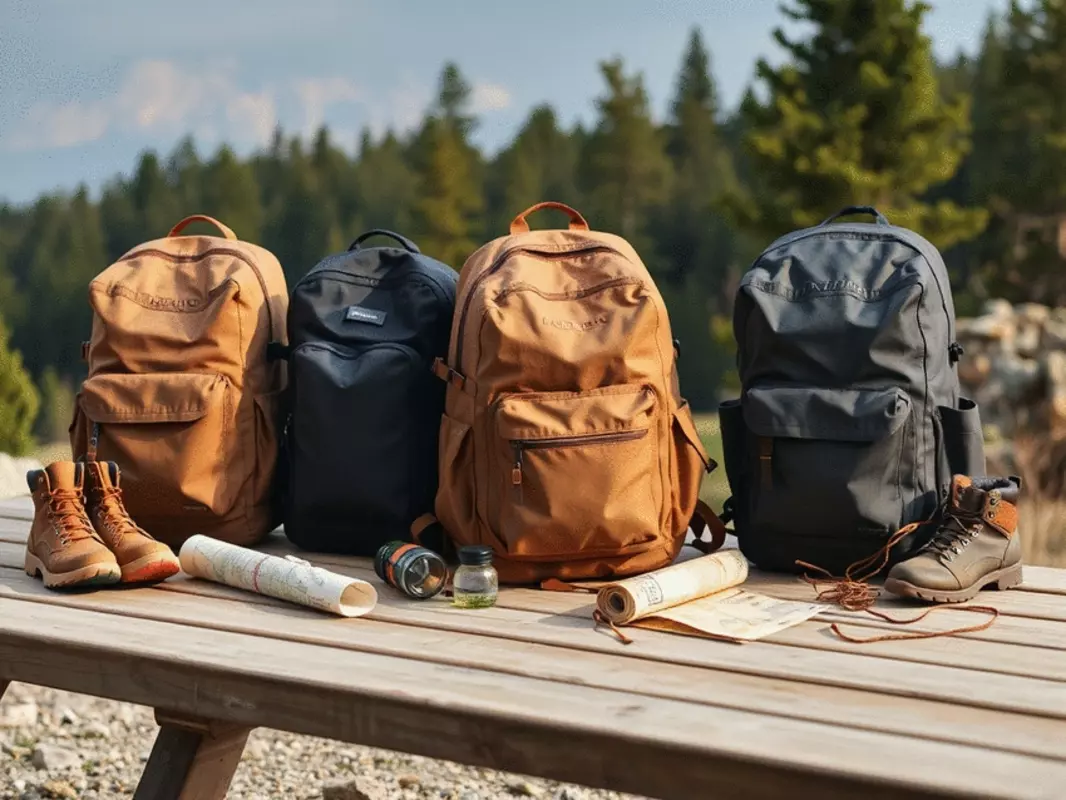
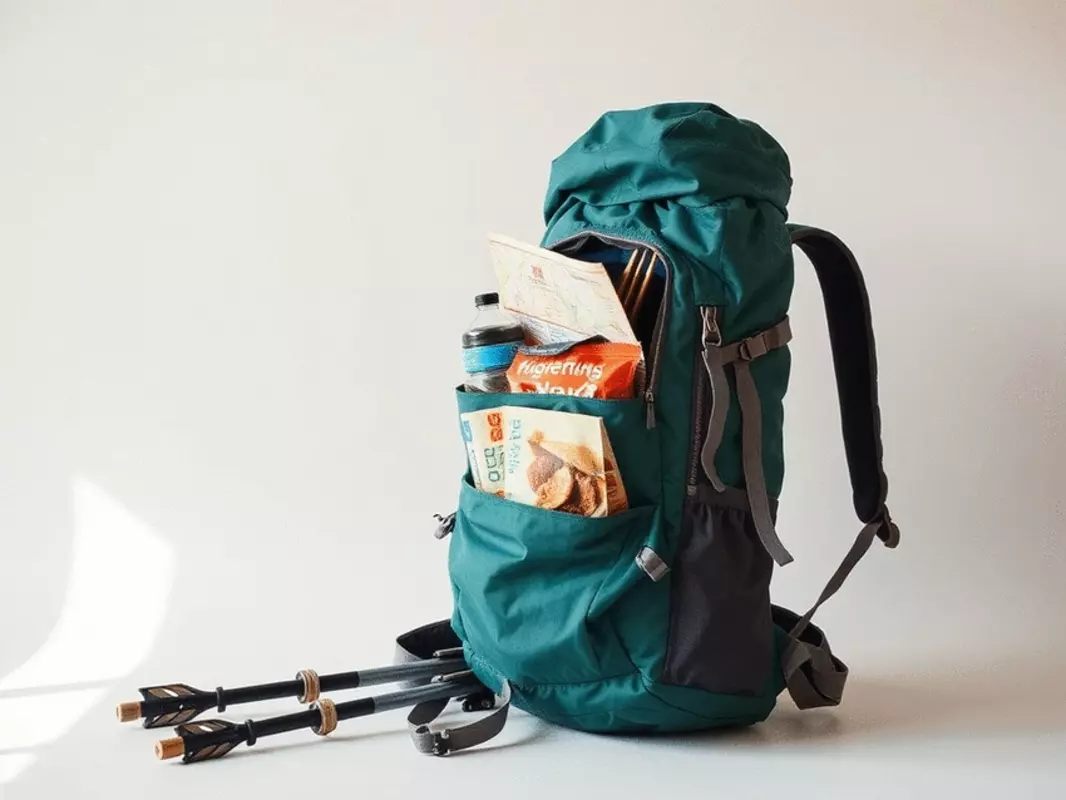
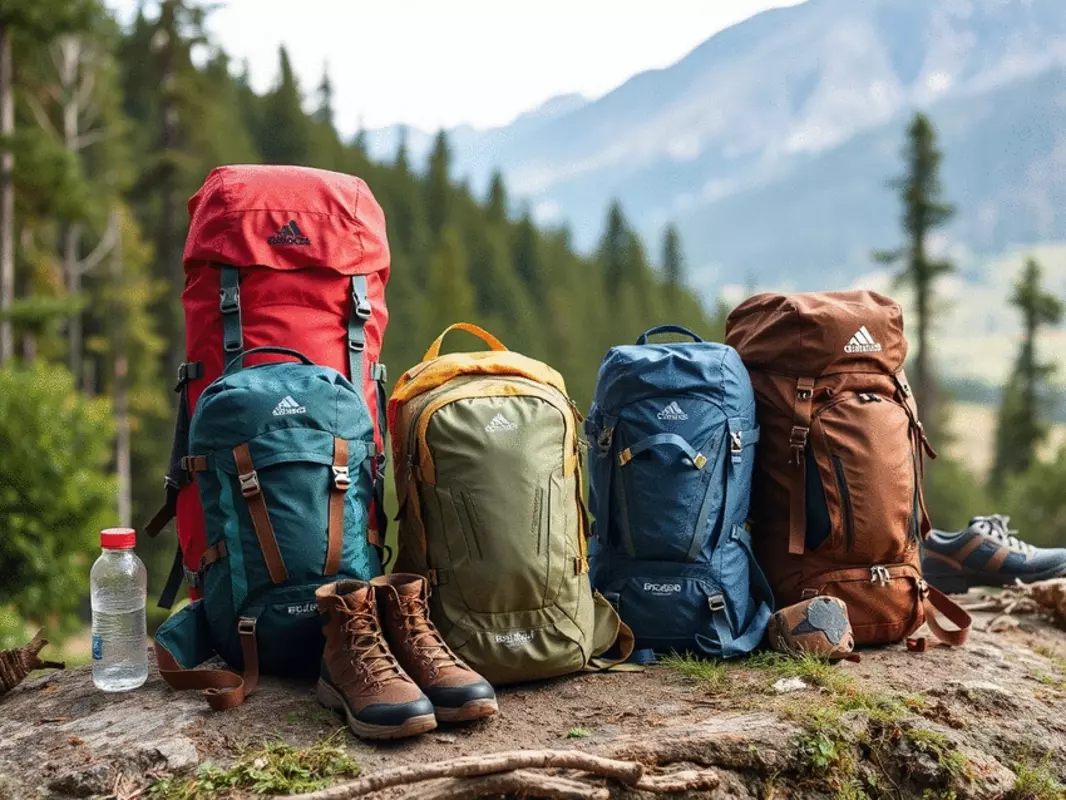
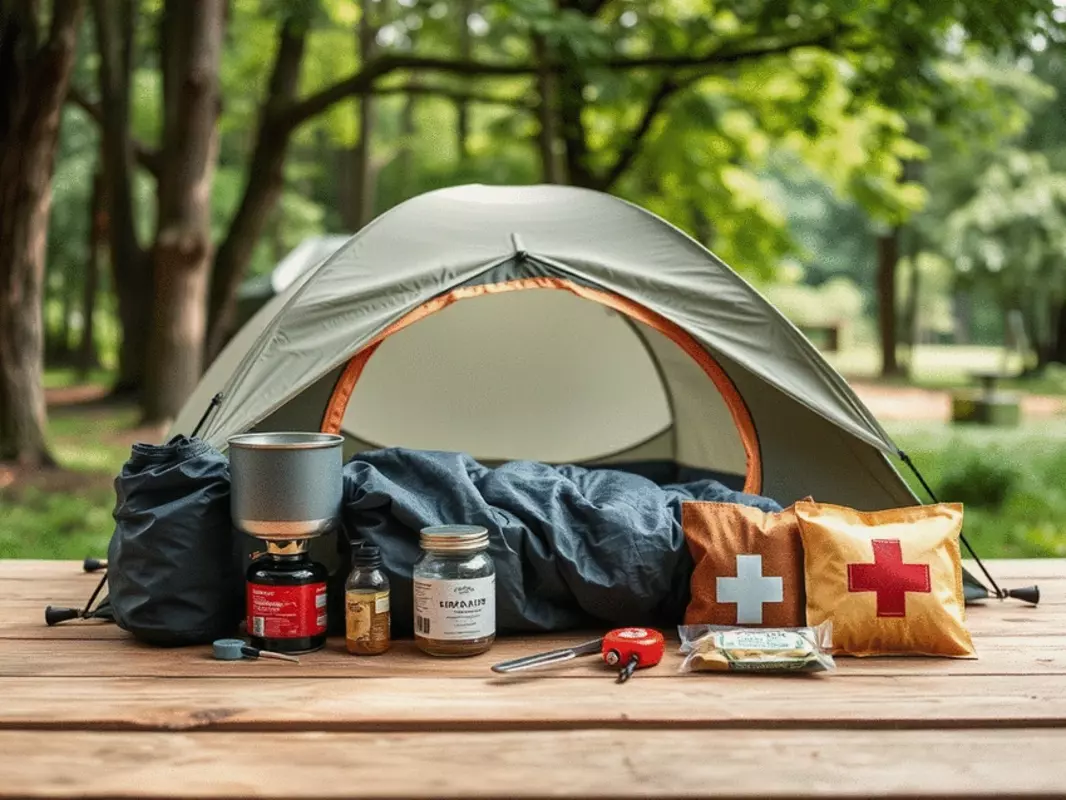
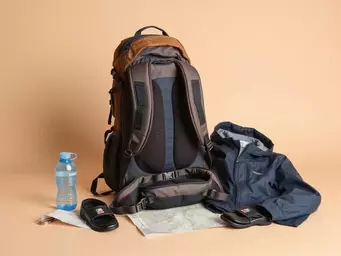
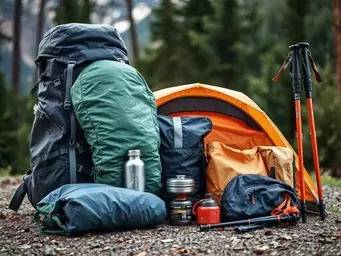
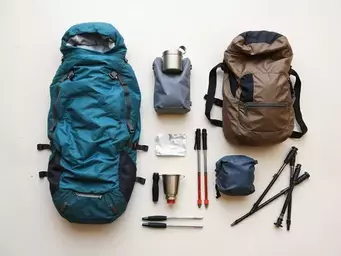
Carry essential gear: navigation, water, clothing layers, first aid, and food. "A well-organized packing list can be a game-changer."
Understanding Trail Safety for Remote Hiking Adventures
As someone who's spent countless hours exploring the great outdoors, I can’t stress enough the importance of preparation for safe hiking. Trail safety is more than just knowing the routes; it’s about being ready for anything the wilderness throws your way. Whether you're a seasoned hiker or just starting, understanding what "trail safety" means in the context of remote hiking is crucial. It involves planning, awareness, and having the right mindset to tackle potential challenges.
Every hike begins with a promise of adventure, but without adequate preparation, that promise can quickly turn into a perilous situation. Make sure to arm yourself with knowledge before you embark on your journey. It’s not just about packing your backpack; it’s about equipping your mind with the tools needed to stay safe and enjoy the trail.
The Importance of Preparation for Safe Hiking
Preparation sets the stage for a successful hike! Here are some key points to consider:
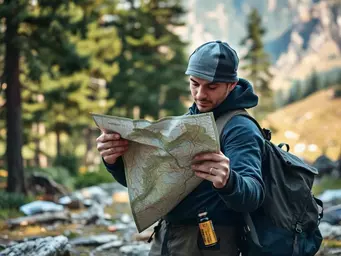
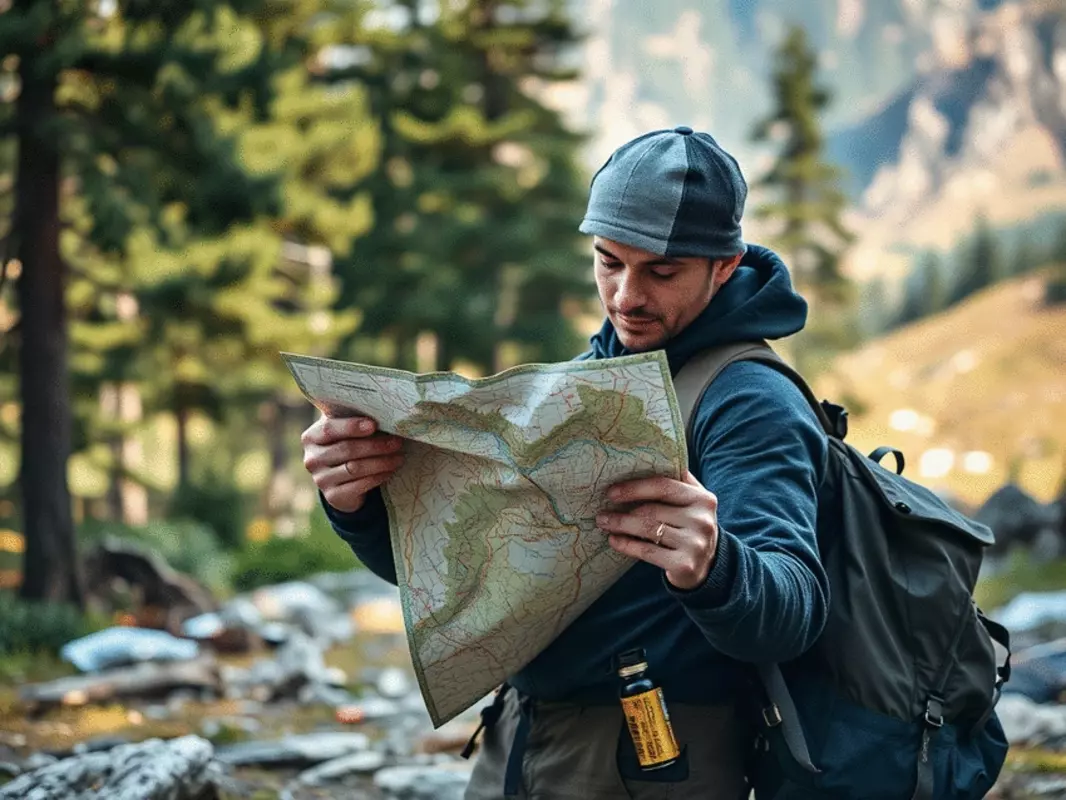
- Know the trail: Review maps and guides to understand what to expect.
- Check the weather: Always keep an eye on forecasts to dress appropriately.
- Plan your route: Inform someone about your hiking plan and estimated return time.
By following these steps, you can significantly enhance your outdoor experience. The more informed you are, the better equipped you'll be to enjoy the beauty of nature safely.
What to Consider Before Hitting the Trail
Thorough Research on Trail Conditions
Before stepping foot on any trail, it’s essential to gather information about trail conditions. Websites and forums dedicated to hiking can provide invaluable insights. For example, the National Park Service offers comprehensive hiking safety guidelines that emphasize thorough research. Consider the following:
- Check for recent trail reports: Many sites offer updates on trail conditions.
- Look for weather forecasts: They can inform you of any storms or adverse conditions.
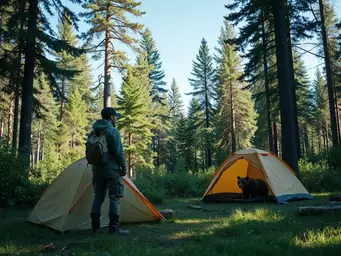
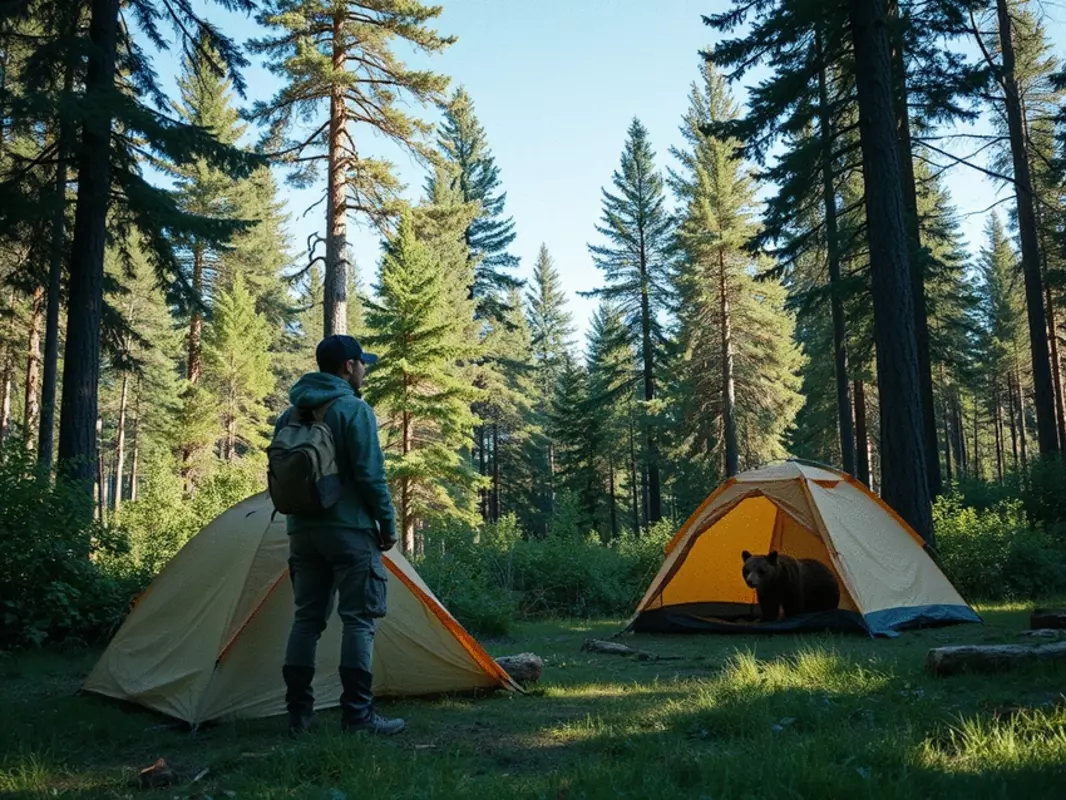
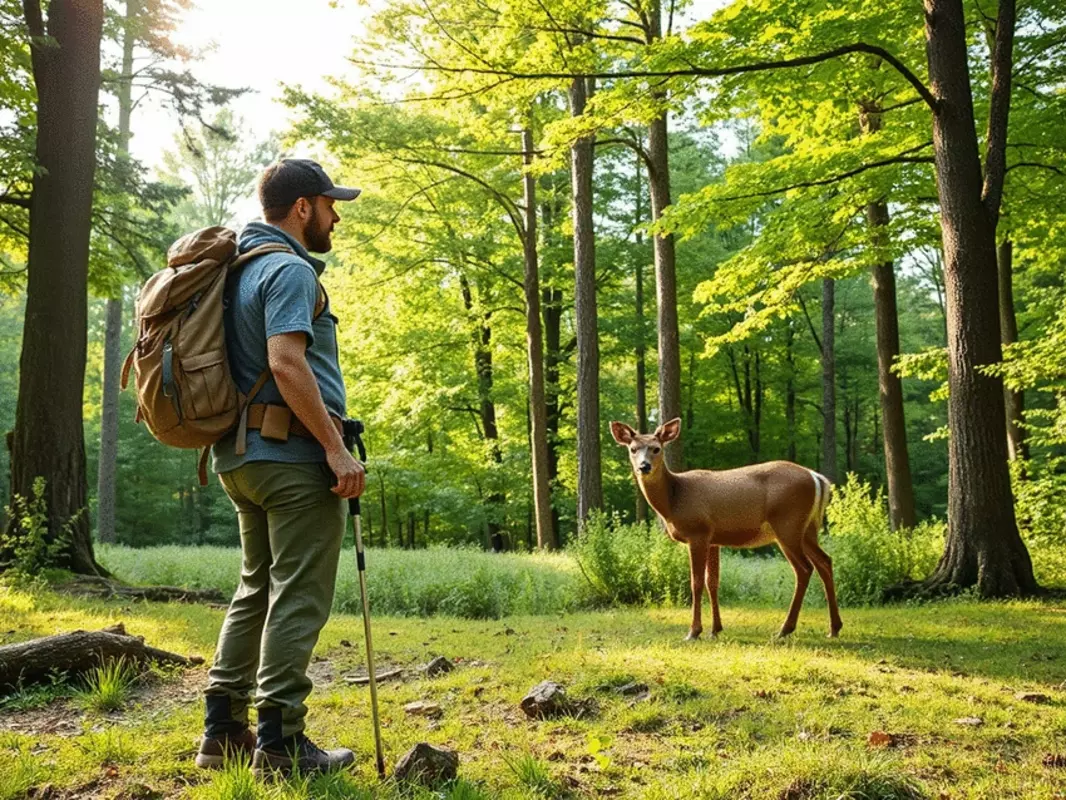
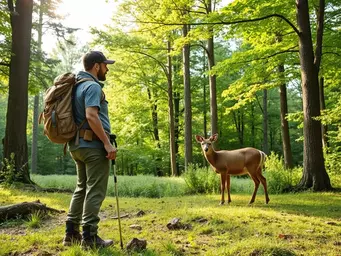
- Identify potential hazards: Research wildlife activity or trail closures.

To make your hike as enjoyable as possible, it’s crucial to know what awaits you on the path ahead. Trust me, being informed can make all the difference!
Communicating Your Plans
One of the most vital aspects of trail safety is letting someone know your hiking plans. I always tell friends and family where I'm headed and when I expect to return. This simple act can be lifesaving! The U.S. Forest Service also highlights the importance of planning and communicating your itinerary for outdoor recreation. Communication is key in the event that something goes wrong.
Before you leave, consider sharing:
- Your planned route: Exact details help others assist you effectively.
- Your expected return time: This lets them know when to start worrying.
- Any changes in plans: If something changes, updating them can be crucial.
When you communicate your plans, you not only ensure your safety but also add a level of accountability to your adventure!
Understanding Trail Difficulty Ratings and Conditions
Not all trails are created equal, and knowing the trail difficulty ratings can greatly impact your hiking experience. Familiarize yourself with the ratings before heading out! The Appalachian Trail Conservancy provides valuable resources on essential skills and safety, including understanding trail conditions.
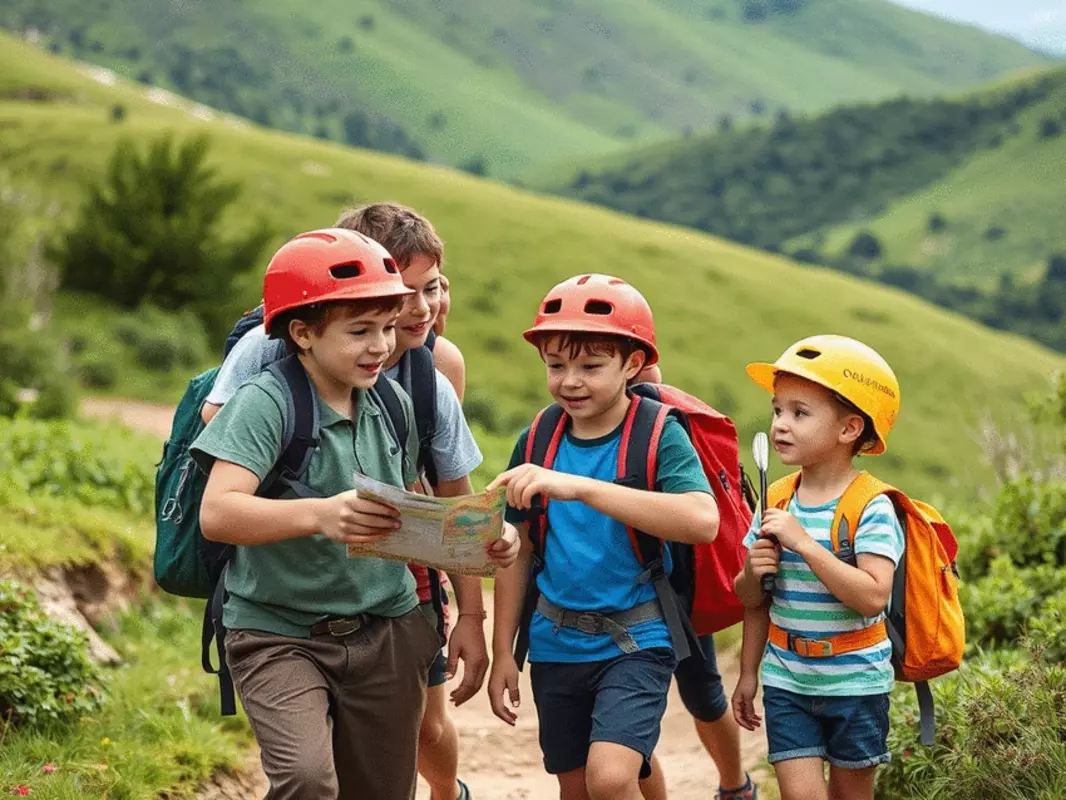
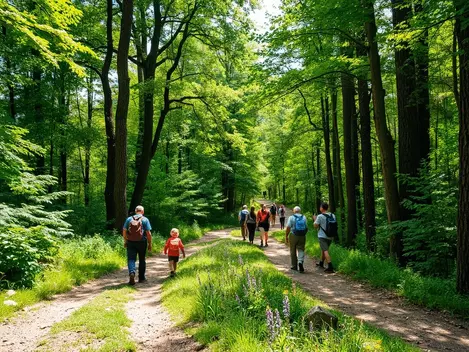
- Easy: Suitable for beginners and families.
- Moderate: Requires some experience and physical fitness.
- Challenging: For experienced hikers with good fitness levels.
Understanding these ratings can help you choose trails that match your abilities, which is essential for a safe and rewarding experience in nature. Always be honest with yourself about your fitness level and choose accordingly!
Pro Tip
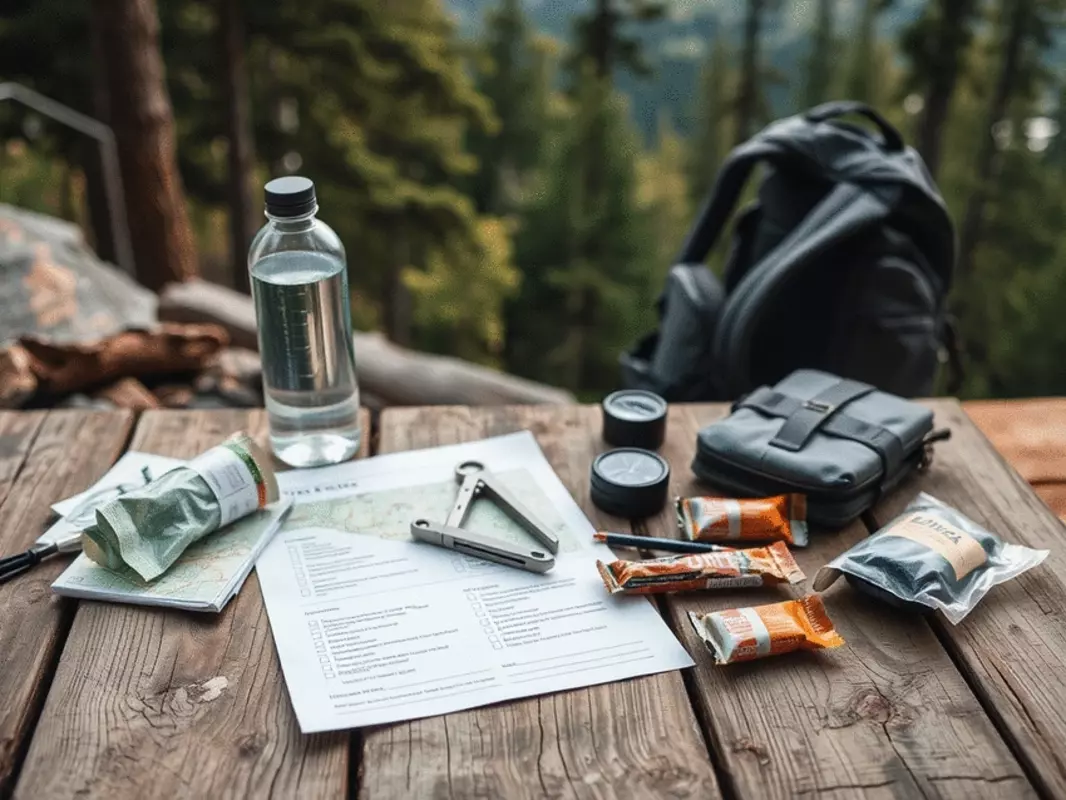
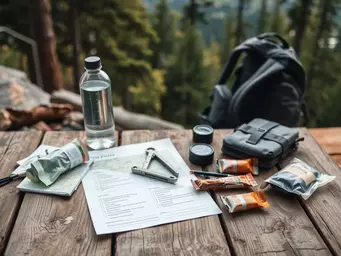
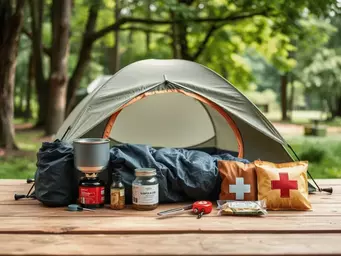
When planning your hike, always consider the 10 Essentials for outdoor safety. These include:
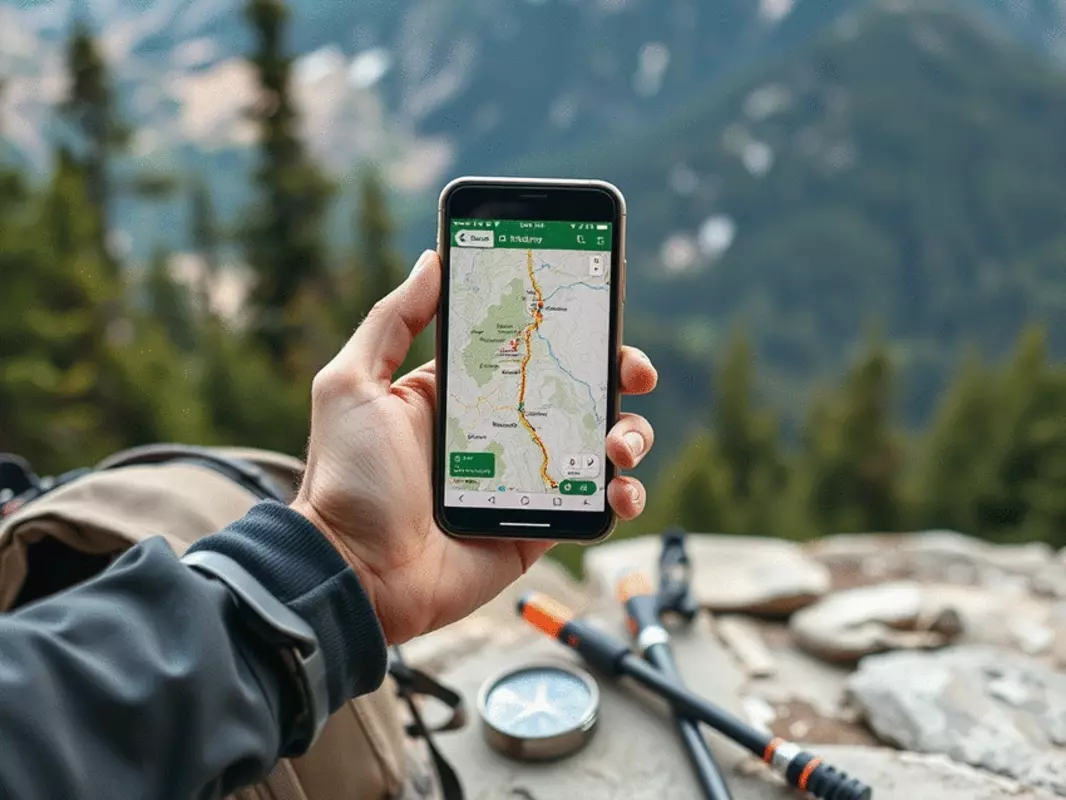
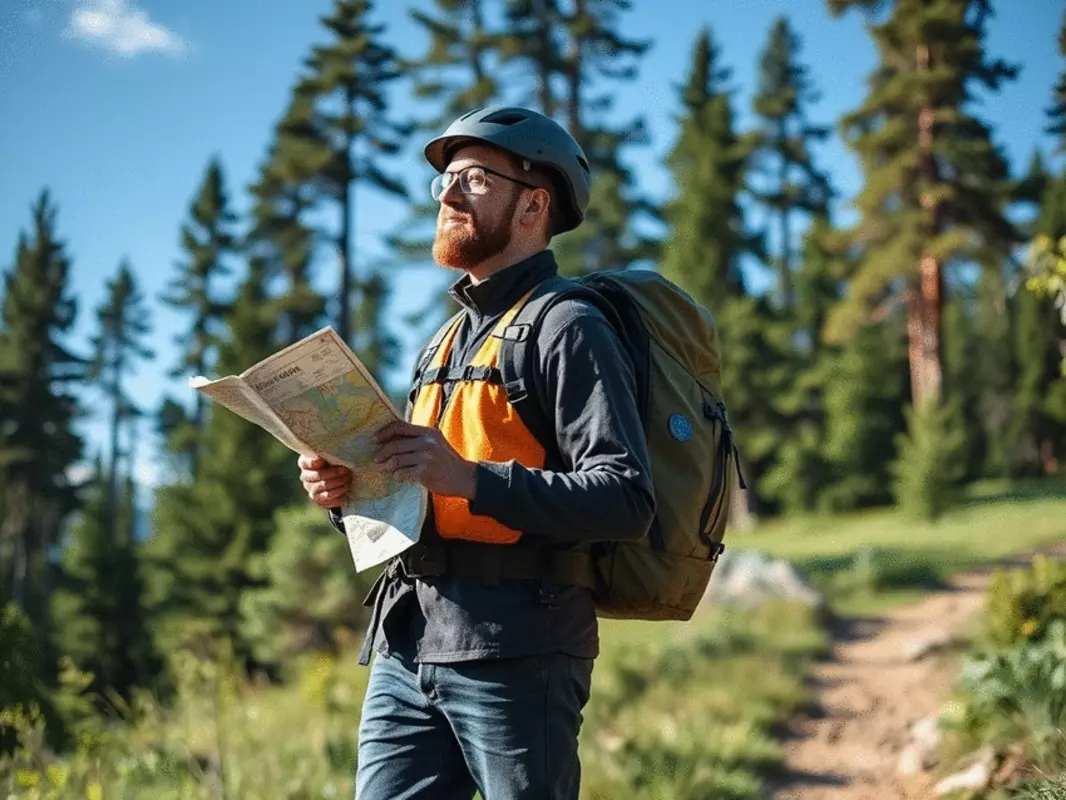
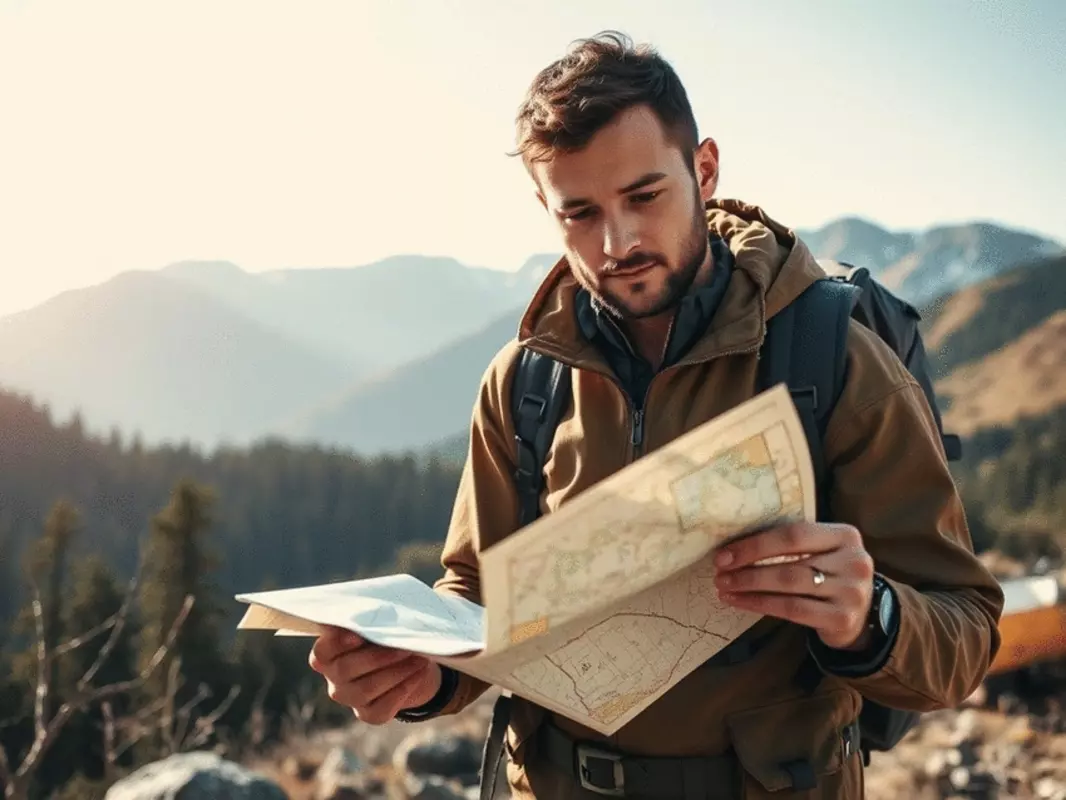
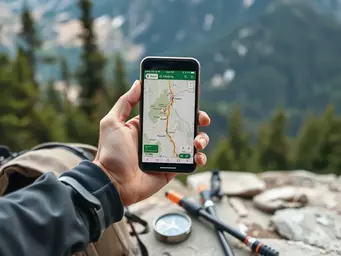
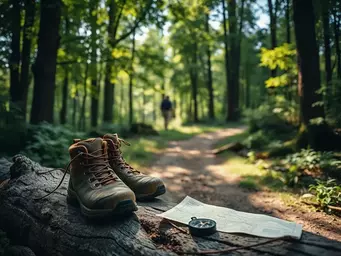
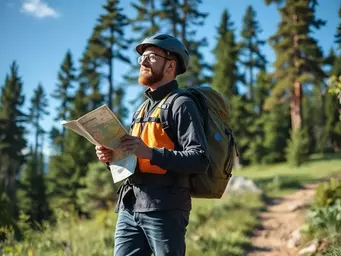
- Navigation tools (map and compass)
- Water and water treatment options
- Food and extra snacks
- Clothing suitable for changing weather
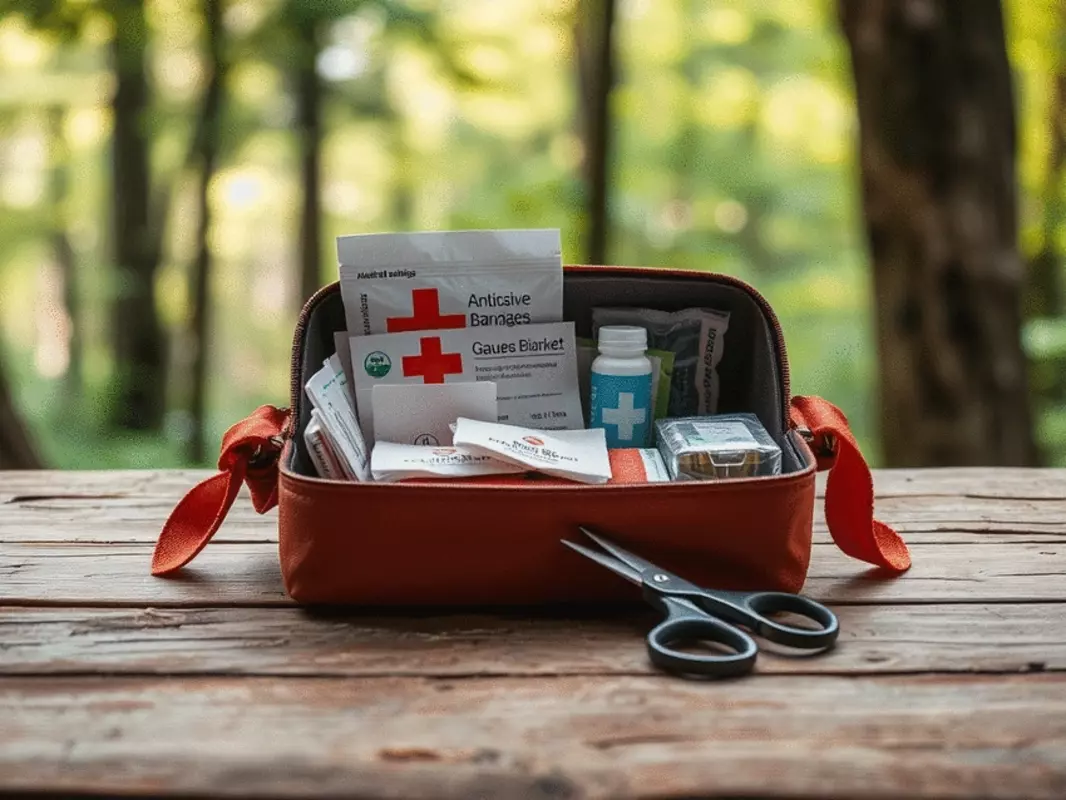
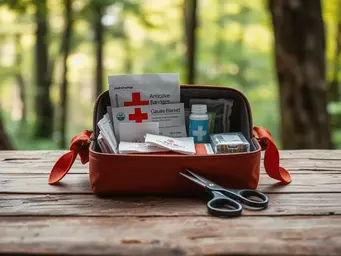
- First aid kit
- Fire-starting supplies
- Emergency shelter
- Headlamp or flashlight
- Multi-tool or knife
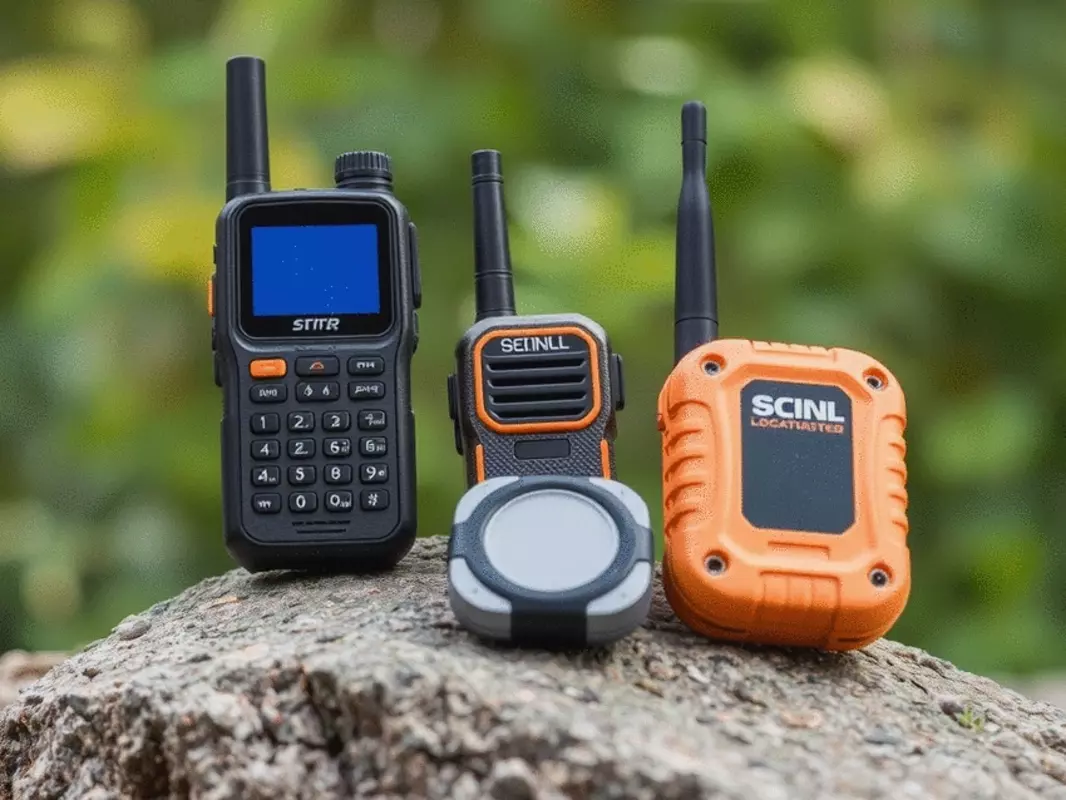
- Signaling device (whistle or mirror)
Being prepared with these essentials can make a significant difference in unexpected situations!
Frequently Asked Questions About Trail Safety
Q1: Why is thorough research on trail conditions important before a hike?
A1: Thorough research helps you understand what to expect, identifies potential hazards like wildlife activity or trail closures, and informs you about weather forecasts, allowing you to prepare adequately and ensure a safer, more enjoyable experience.
Q2: What essential information should I communicate to someone before my hike?
A2: You should communicate your planned route with exact details, your expected return time, and any changes to your plans. This information is crucial for your safety, enabling others to assist you effectively if something goes wrong.
Q3: How do trail difficulty ratings help in planning a hike?
A3: Trail difficulty ratings (easy, moderate, challenging) help you choose paths that match your physical fitness and experience level. This prevents you from undertaking trails that are beyond your capabilities, ensuring a safer and more rewarding experience.
Q4: What are the "10 Essentials" for outdoor safety I should pack?
A4: The 10 Essentials include navigation tools (map, compass), water, food, weather-appropriate clothing, a first aid kit, fire-starting supplies, emergency shelter, a headlamp, a multi-tool, and a signaling device. These items are vital for handling unexpected situations.
Q5: What are some responsible hiking practices to follow?
A5: Responsible hiking practices include respecting others by yielding the trail and minimizing noise, practicing "Leave No Trace" principles (carrying out all trash), and encouraging newcomers by sharing knowledge and fostering a welcoming community spirit.
Summarizing Key Trail Safety Takeaways
As we wrap up our exploration of trail safety, it's essential to recap the main themes we've covered. Preparation is the cornerstone of a safe hiking experience. Before setting out, ensure you understand what trail safety means and take the time to plan thoroughly. Knowledge of trail conditions, weather forecasts, and understanding difficulty ratings can make all the difference on your remote hiking adventures.
- Preparation is key: Always research trail conditions before you go.
- Communication is vital: Inform someone about your plans and expected return time.
- Be equipped: Carry the right gear and clothing for changing weather conditions.
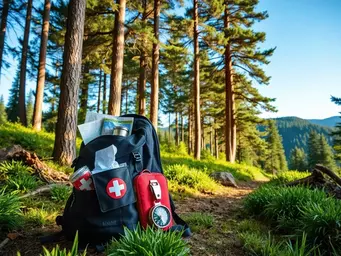
Remember, having a comprehensive first aid kit and a well-thought-out emergency plan are not just recommendations; they are necessities. As an outdoor enthusiast myself, I've seen firsthand how these preparations can safeguard your journey into the wild!
Encouraging Responsible Hiking Practices Within the Community
At Backpack Hiking, we believe that responsible hiking is a shared commitment. By being prepared and respectful of our environment and fellow hikers, we can create a positive outdoor culture. I encourage you to join local hiking communities, where you can learn from others, share your experiences, and foster a spirit of camaraderie on the trails.
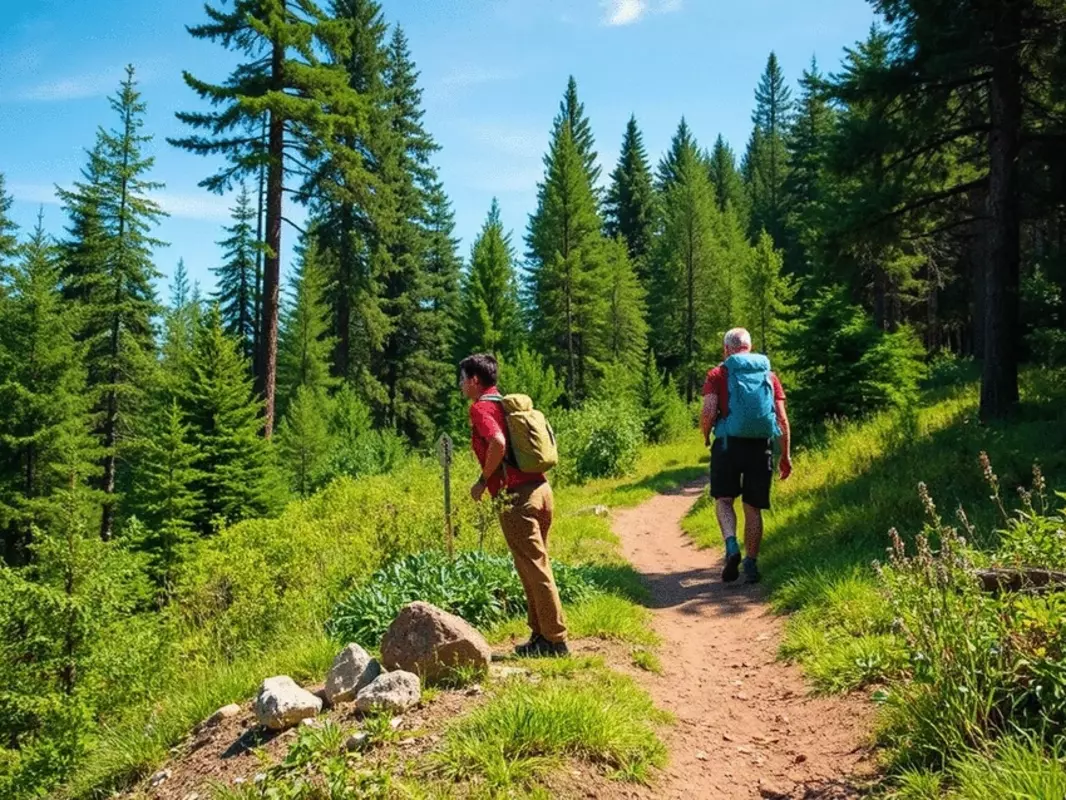
- Respect for others: Always yield the trail to those going uphill and keep noise to a minimum.
- Leave no trace: Carry out what you bring in—this includes trash and leftover food.
- Encourage newcomers: Share your knowledge and help others feel welcome in the hiking community.

Have you ever found joy in helping a fellow hiker? It's in these shared moments that we strengthen our connection to nature and each other. Let's inspire others with our hiking stories and practices!
Get Started on Your Safe Hiking Journey with a Detailed Packing List
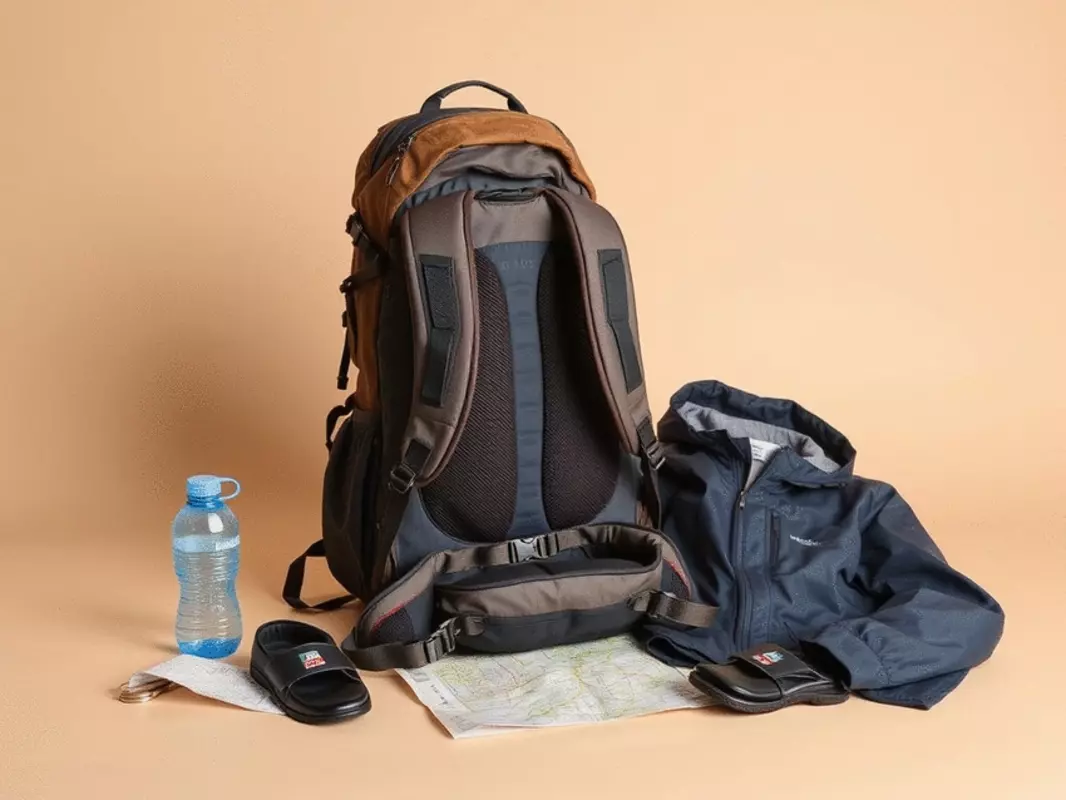
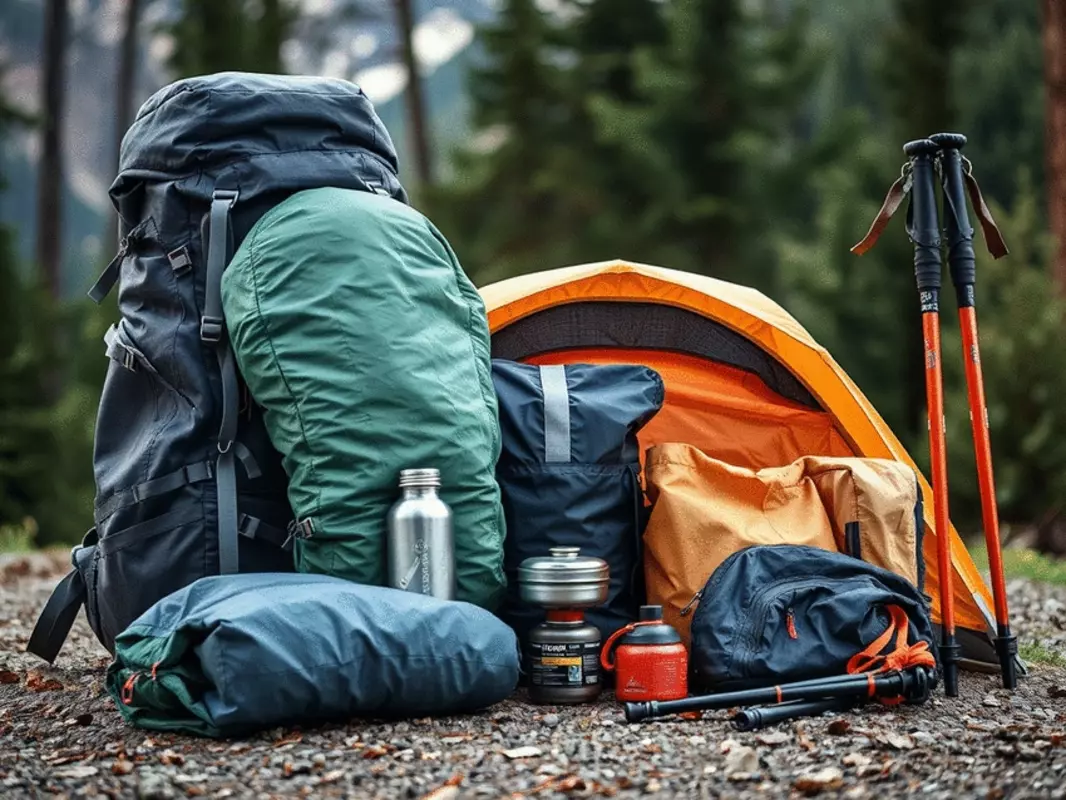
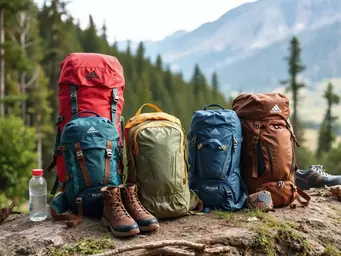
Now that we've covered the essentials of trail safety and responsible hiking, it's time to plan your next adventure with confidence! A well-organized packing list can be a game-changer. Here’s a quick packing checklist to get you started:
- Navigation: Map, compass, and/or GPS device
- Water: Hydration pack or water bottles
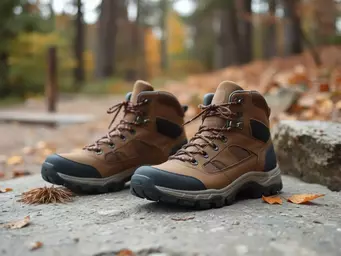
- Clothing: Weather-appropriate layers, including a rain jacket
- Safety gear: First aid kit, emergency whistle, and headlamp
- Food: Snacks and a lightweight meal option
With these items in your pack, you'll be ready to tackle the trails safely. Have fun planning your next hike, and remember to embrace every moment out there! The adventure awaits, and I can’t wait to hear about where your next trail leads you!
Recap of Key Points
Here is a quick recap of the important points discussed in the article:
- Preparation is key: Always research trail conditions before you go.
- Communication is vital: Inform someone about your plans and expected return time.
- Understand trail difficulty: Familiarize yourself with trail ratings to choose suitable paths.
- Be equipped: Carry the right gear and clothing for changing weather conditions.
- Leave no trace: Respect the environment by carrying out what you bring in.