Eco-Friendly Hiking Gear Essentials

Consider this: every piece of outdoor gear you own has a life cycle, impacting the environment long before it reaches your hands. Understanding the sustainability of your hiking equipment can help you leave a lighter footprint on the trails you love.
What You Will Learn
- The definition of sustainability in hiking gear, focusing on minimizing environmental impacts.
- Key materials such as recycled polyester and biodegradable textiles that contribute to eco-friendly practices.
- The importance of low-impact production techniques in reducing the environmental footprint of outdoor gear.
- How upcycling and repairing gear can extend its life and reduce waste.
- The benefits of supporting local and ethical brands for a sustainable economy.
- Engaging with conservation organizations to enhance responsible hiking practices.
- Key steps for identifying your sustainable gear needs and where to shop responsibly.
- Understanding and applying the Leave No Trace principles for responsible outdoor adventures.
What Makes Hiking Gear Eco-Friendly?
This visual breaks down the core elements that define sustainable hiking gear, from materials to practices, highlighting key areas for eco-conscious choices.
Eco-Friendly Materials
- Recycled Polyester: Less energy, reduced waste.
- Biodegradable Textiles: Decompose naturally.
- Upcycled Materials: Waste transformed into new products.
Sustainable Practices
- Responsible Sourcing: Renewable, low-impact materials.
- Efficient Manufacturing: Reduced energy & waste.
- Ethical Labor: Fair treatment, safe conditions.
- Low-Impact Production: Minimize water, chemicals, energy.
Extending Gear Life
- DIY Repairs: Fix tears and wear.
- Upcycling Projects: Transform old gear.
- Professional Services: Utilize repair experts.
- Swap & Share: Give gear a second life.
Leave No Trace Principles
- Plan ahead & prepare.
- Travel on durable surfaces.
- Dispose of waste properly.
- Leave what you find.
- Minimize campfire impact.
- Respect wildlife.
- Be considerate of others.
Understanding Sustainable Hiking Gear: What Makes It Eco-Friendly?
Sustainable hiking gear is more than just a trend; it’s a vital part of protecting the beautiful landscapes we love to explore. At Backpack Hiking, we believe understanding what makes gear eco-friendly can help us all make more informed choices. So, what exactly does it mean when we talk about sustainability in outdoor equipment?
To put it simply, sustainability in hiking gear means creating products that minimize environmental impact throughout their lifecycle—from production to disposal. This includes using renewable resources, reducing waste, and ensuring that our beloved trails and parks remain pristine for future adventurers.
Defining Sustainability in Outdoor Equipment
When we discuss sustainability, it often brings to mind practices that protect our planet. This encompasses a variety of principles, including responsible sourcing, efficient manufacturing processes, and ethical labor practices. Have you ever wondered how your gear affects the environment? Let’s break it down further!
- Responsible Sourcing: Choosing materials that are renewable and have a lower environmental footprint.
- Efficient Manufacturing: Reducing energy consumption and waste during production.
- Ethical Labor: Ensuring that workers are treated fairly and work under safe conditions.
By focusing on these key areas, we can contribute to a healthier planet while enjoying our outdoor adventures. It’s all about making choices that align with our values!
Key Materials That Support Eco-Friendly Practices
As I dive deeper into the world of sustainable hiking gear, I’m continuously amazed by the innovative materials that are being used. These materials not only offer excellent performance but also help reduce our environmental impact. Here are some that stand out:
Recycled Polyester and Its Benefits
Recycled polyester is a game-changer in the hiking gear industry. Made from used plastic bottles and other discarded materials, it transforms waste into high-quality fabric. This means fewer resources are consumed during production, and it keeps plastic out of landfills. Plus, it offers great durability and moisture-wicking properties!

- Less energy used compared to virgin polyester
- Reduced waste and pollution
- Lightweight and durable for all your hiking needs
Biodegradable Textiles: A New Frontier
Imagine hiking gear that can naturally decompose when disposed of. Biodegradable textiles are paving the way for a new era in sustainable outdoor equipment. These materials break down in the environment, minimizing pollution and contributing to a healthier ecosystem. It’s exciting to see how these innovations can reshape our hiking gear!
The Role of Low-Impact Production Techniques
Low-impact production techniques are essential for reducing the environmental footprint of hiking gear. These methods focus on minimizing water usage, chemical treatments, and energy consumption during manufacturing. By choosing brands that implement these practices, you can feel good knowing your gear is made with the planet in mind. Additionally, understanding the materials used in outdoor clothing, such as those discussed by Ordnance Survey's guide on responsible outdoor clothing, can further inform your sustainable choices.
Exploring Upcycled Materials in Hiking Gear
Upcycled materials are like hidden gems in the outdoor gear world. They take waste materials and transform them into new products, preventing them from ending up in landfills. This can include everything from repurposed fabrics to recycled metals used in buckles and zippers. It’s a great way to support sustainable practices while enjoying the outdoors!
By choosing gear made from these materials, you’re not just investing in quality equipment; you’re also contributing to a more sustainable future. Let's keep exploring how we can make eco-conscious choices in our adventures!
Interactive Poll: Your Sustainable Choices
As we embrace eco-conscious hiking, we want to know: What is the most important factor for you when choosing sustainable gear?
Building a Sustainable Hiking Practice: The Bigger Picture
As a seasoned hiker, I’ve learned that sustainability goes beyond just the gear we choose; it encompasses our entire approach to outdoor adventures. Building a sustainable hiking practice involves extending the life of our equipment and making mindful decisions that benefit not only ourselves but also the planet. Let’s explore some essential practices that can help you embark on a more eco-conscious journey.
Extending Gear Life: Upcycling and Repair Solutions
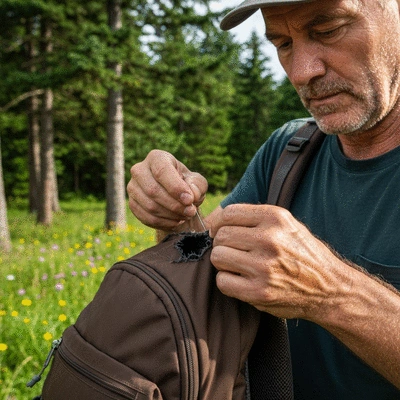
One of the best ways to contribute to sustainability is by extending the life of your hiking gear. Have you ever thought about how upcycling or repairing your equipment can reduce waste? Here are some strategies to keep your gear in top shape:
- DIY Repairs: Learn basic sewing techniques to fix tears and wear in your gear.
- Upcycling Projects: Transform old backpacks or tents into new items, such as bags or organizers.
- Professional Services: Use repair services offered by brands that specialize in mending outdoor gear.
- Swap and Share: Participate in gear swaps with friends or local hiking communities to give your old gear a second life.
By adopting these practices, you not only save money but also reduce your environmental footprint. It's amazing to see how a little creativity can breathe new life into old equipment!
Community Impact: Supporting Local and Ethical Brands
When we choose to support local and ethical brands, we contribute to a sustainable economy that values the environment. Have you ever explored the brands in your community? Here are some ways you can make a difference:
- Shop Local: Purchase gear from nearby stores that prioritize sustainable practices.
- Research Brands: Look for companies that are transparent about their sourcing and production methods.
- Advocate for Change: Use your voice to encourage brands to adopt more sustainable practices.
Supporting these brands not only helps the environment but also strengthens community ties. It’s rewarding to know that your purchases are making a positive impact!
Engaging with Conservation Organizations for Responsible Hiking
Another way to build a sustainable hiking practice is by partnering with conservation organizations. These groups play a vital role in protecting our trails and natural habitats. How can you get involved? Consider the following:
- Volunteer Opportunities: Participate in trail clean-up events or habitat restoration projects.
- Educational Workshops: Attend workshops to learn about local ecosystems and conservation efforts.
- Memberships: Join organizations that advocate for sustainable outdoor practices.
Being part of these initiatives not only enhances your hiking experience but also fosters a deeper connection with nature. I’ve found that when you give back, the rewards are truly enriching!
Moving Forward with Eco-Conscious Hiking
As we look to the future, it’s essential to consider how we can continue to embrace eco-conscious hiking. Engaging with experiences and testimonials from fellow hikers can inspire others to join us on this journey. Sharing our stories not only builds community but also raises awareness about the importance of our choices in the great outdoors!
Engaging with User Experiences and Testimonials
Hearing from other outdoor enthusiasts can provide valuable insights into sustainable practices. Have you read testimonials from hikers who have made the switch to eco-friendly gear? Here are a few ways to engage:
- Social Media: Follow hashtags related to sustainable hiking to discover firsthand accounts.
- Community Forums: Join discussions where hikers share their experiences with eco-friendly gear.
- Write Your Own Story: Share your journey towards sustainable hiking, inspiring others to do the same!
It’s exciting to see how our collective voices can influence change and encourage a shift towards more sustainable practices!
How to Get Involved: Advocating for Sustainable Practices in Outdoor Communities
Advocating for sustainable practices is crucial for the future of our outdoor spaces. You can take action in various ways that align with your values:
- Educate Others: Share knowledge about eco-friendly practices with fellow hikers.
- Organize Community Events: Host workshops or hikes focused on sustainability.
- Use Your Platform: If you have a blog or social media presence, discuss the importance of sustainable hiking.
Every action counts! By rallying others around the cause, we create a ripple effect that can lead to meaningful change.
Understanding Leave No Trace Principles for Sustainable Hiking
One of the foundational aspects of eco-conscious hiking is adhering to Leave No Trace principles. These guidelines help us minimize our impact on the environment. Here are the seven principles to keep in mind:
- Plan ahead and prepare.
- Travel and camp on durable surfaces.
- Dispose of waste properly.
- Leave what you find.
- Minimize campfire impact.
- Respect wildlife.
- Be considerate of other visitors.
By following these principles, we can all contribute to preserving the beauty of our trails for generations to come! The NYS Department of Environmental Conservation's Hike Smart NY initiative further emphasizes the importance of responsible hiking by sharing essential safety and preparedness tips. Join me in committing to these practices as we explore the great outdoors together.
Your Action Plan for Sustainable Hiking
As we embark on our journey towards sustainable hiking, it's crucial to identify our gear needs and make informed decisions. The path to eco-conscious exploration begins with understanding what you require for your adventures while also considering the ethical implications of your choices.
Identifying Your Sustainable Gear Needs
Start by evaluating what you need for your hiking endeavors. Reflecting on your gear requirements can help you make more sustainable choices. Here are some steps to guide you:
- Assess Your Current Gear: Determine what to keep, repair, or replace.
- Consider Usage: Think about how often you'll use each item to prioritize investments.
- Research Sustainable Alternatives: Look for eco-friendly options when it comes time to buy new gear.
By being mindful about your needs, you can make choices that align with your values and help protect our planet!
Where to Shop: Locating Eco-Friendly Retailers
Finding the right retailers is key to building a sustainable hiking kit. Seek out stores that focus on eco-friendly products. Here are some tips to help you shop sustainably:
- Online Research: Look for retailers with a commitment to sustainability on their websites.
- Local Stores: Visit local businesses that offer sustainable gear options.
- Brand Check: Investigate brands before buying to ensure they align with eco-friendly practices.
When you shop from the right sources, you support a market that values our planet!
Choosing Vegan Hiking Equipment and Fair Trade Options
For those of us who are passionate about ethical consumerism, seeking out vegan and fair trade hiking equipment is essential. Consider these aspects when making your choices. It's also important to be aware of certain chemicals, such as PFAS chemicals that may be present in outdoor gear, and to seek out products that are free from them.
- Materials: Look for gear made from synthetic or plant-based materials that are free from animal products.
- Fair Trade Brands: Research companies that ensure fair labor practices and wages.
- Certifications: Check for certifications that indicate sustainable and ethical production practices.
By choosing vegan and fair trade options, we can ensure our hiking adventures are not only enjoyable but also ethically sound!
Frequently Asked Questions (FAQs) about Sustainable Hiking Gear
- Q: What does "sustainable" mean in the context of hiking gear?
- A: Sustainable hiking gear refers to products designed and produced to minimize environmental impact throughout their lifecycle, from manufacturing to disposal. This includes using eco-friendly materials, efficient production methods, and ethical labor practices.
- Q: What are some key eco-friendly materials used in hiking gear?
- A: Key eco-friendly materials include recycled polyester (made from plastic bottles), biodegradable textiles (materials that decompose naturally), and upcycled materials (waste transformed into new products).
- Q: How can I extend the life of my hiking gear?
- A: You can extend your gear's life through DIY repairs (fixing tears), upcycling projects (transforming old gear), utilizing professional repair services, and participating in gear swap and share programs.
- Q: Why is supporting local and ethical brands important?
- A: Supporting local and ethical brands contributes to a sustainable economy by promoting responsible sourcing, fair labor practices, and often features products made with a lower environmental footprint. It also strengthens community ties.
- Q: What are the Leave No Trace principles?
- A: The Leave No Trace principles are a set of seven guidelines for minimizing human impact on the outdoors: Plan ahead and prepare; Travel and camp on durable surfaces; Dispose of waste properly; Leave what you find; Minimize campfire impact; Respect wildlife; and Be considerate of other visitors.
Recap of Key Points
Here is a quick recap of the important points discussed in the article:
- Sustainable Gear: Focus on responsible sourcing, efficient manufacturing, and ethical labor practices.
- Key Materials: Incorporate recycled polyester, biodegradable textiles, and upcycled materials to reduce environmental impact.
- Extending Gear Life: Utilize DIY repairs, upcycling, and swapping gear to minimize waste.
- Support Local Brands: Choose local and ethical brands that prioritize sustainability in their practices.
- Engagement: Get involved with conservation organizations and advocate for sustainable practices in your community.
- Leave No Trace Principles: Follow the seven principles to minimize your impact while hiking.