Hammock Camping: Setup and Tips
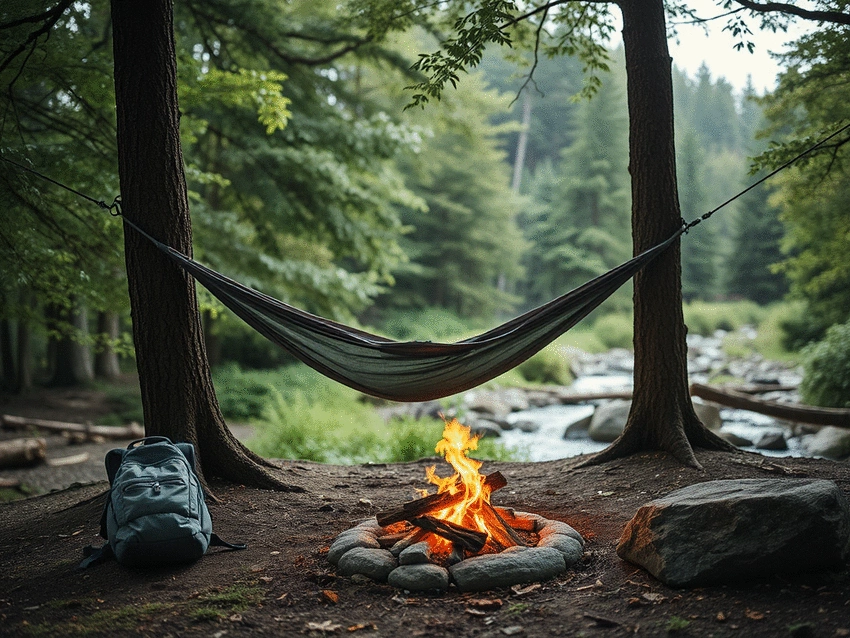
Hammock camping offers a refreshing twist on traditional outdoor adventures. With its unique combination of comfort, convenience, and the ability to connect with nature, it's no wonder that many outdoor enthusiasts are making the switch. Ready to discover the essentials of this camping style?
What You Will Learn
- Hammock camping is lightweight and portable, making it ideal for long hikes.
- Setting up a hammock is quick and easy, allowing more time to enjoy the great outdoors.
- Unlike traditional camping, hammock camping offers an elevated sleeping position, enhancing comfort and keeping you dry.
- Choosing the right setup location is crucial; look for trees spaced 12-15 feet apart.
Hammock Camping vs. Traditional Tent Camping
A side-by-side comparison of key differences and considerations for your next outdoor adventure.
⛐ Hammock Camping Advantages
Benefits that make hammock camping a preferred choice:
- Lightweight & Portable
- Quick Setup (minutes)
- Elevated Comfort (off ground)
- High Flexibility (trees needed)
- Breathable in hot weather
🏕 Traditional Tent Camping Advantages
Benefits that traditional tents offer:
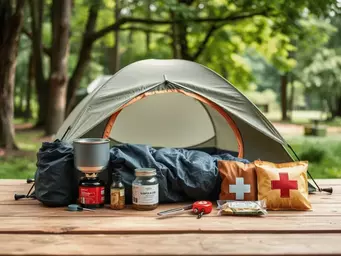
- Better weather resistance (heavy rain)
- More spacious for multiple people
- Suitable for open, treeless areas
- Stable sleep surface (no swaying)
- Better insulation in cold weather
✓ Hammock Camping Pros
Key advantages for choosing a hammock:
- Easy setup and takedown
- More breathable and comfortable in hot weather
- Less weight to carry on long hikes
✘ Hammock Camping Cons
Potential drawbacks to consider:
- Limited to areas with suitable trees
- Less protection from ground temperature in cold weather
- Potential for swaying or movement during sleep
The Complete Overview of Hammock Camping
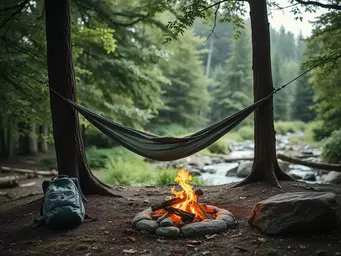
Hammock camping has become increasingly popular among outdoor enthusiasts, and it’s easy to see why! The freedom to set up camp anywhere while enjoying the gentle sway of a hammock is a unique experience that traditional tents simply can't offer. As someone who has spent countless nights under the stars, I can attest that there’s a special joy in waking up to the sounds of nature while cradled in a cozy hammock.
In this section, I'll dive into what makes hammock camping so appealing, how it differs from traditional camping, and whether it’s the right option for your next adventure. Are you ready to embrace a new way of camping? Let’s explore!
Understanding the Appeal of Hammock Camping
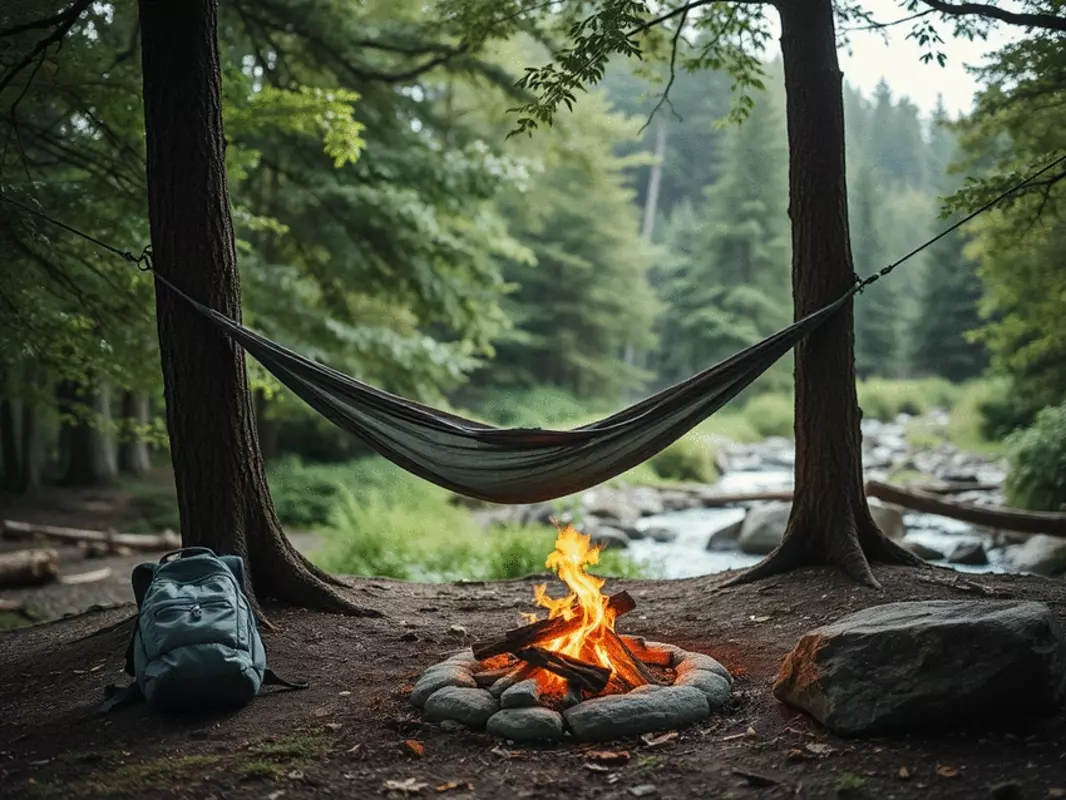
The appeal of hammock camping largely stems from its combination of comfort, convenience, and connection to nature. Imagine lying back, feeling the breeze against your skin, and gazing up at the canopy of leaves above. It’s a beautiful escape from our busy lives. Here are some reasons why many hikers, including myself, have fallen in love with hammock camping:
- Lightweight and Portable: Hammocks are typically lighter and more compact than tents, making them easy to carry on long hikes.
- Quick Setup: Setting up a hammock takes only a few minutes, allowing you to spend more time enjoying your surroundings.
- Elevated Comfort: Being off the ground provides a comfortable sleeping surface that keeps you dry and away from bugs and critters.
- Flexibility: You can set up a hammock almost anywhere there are two trees, which opens up a wider range of camping locations. For practical guidance on finding suitable trees and ensuring a safe setup, the REI Co-op Expert Advice on How to Hammock Camp offers valuable insights.
These factors contribute to a unique and enjoyable camping experience that draws many nature lovers into the world of hammock camping!
Key Differences Between Hammock Camping and Traditional Camping
While both hammock camping and traditional camping offer their own unique adventures, there are several key differences to consider. Knowing these distinctions can help you make an informed decision about which style best suits your needs. Here are some prominent differences:
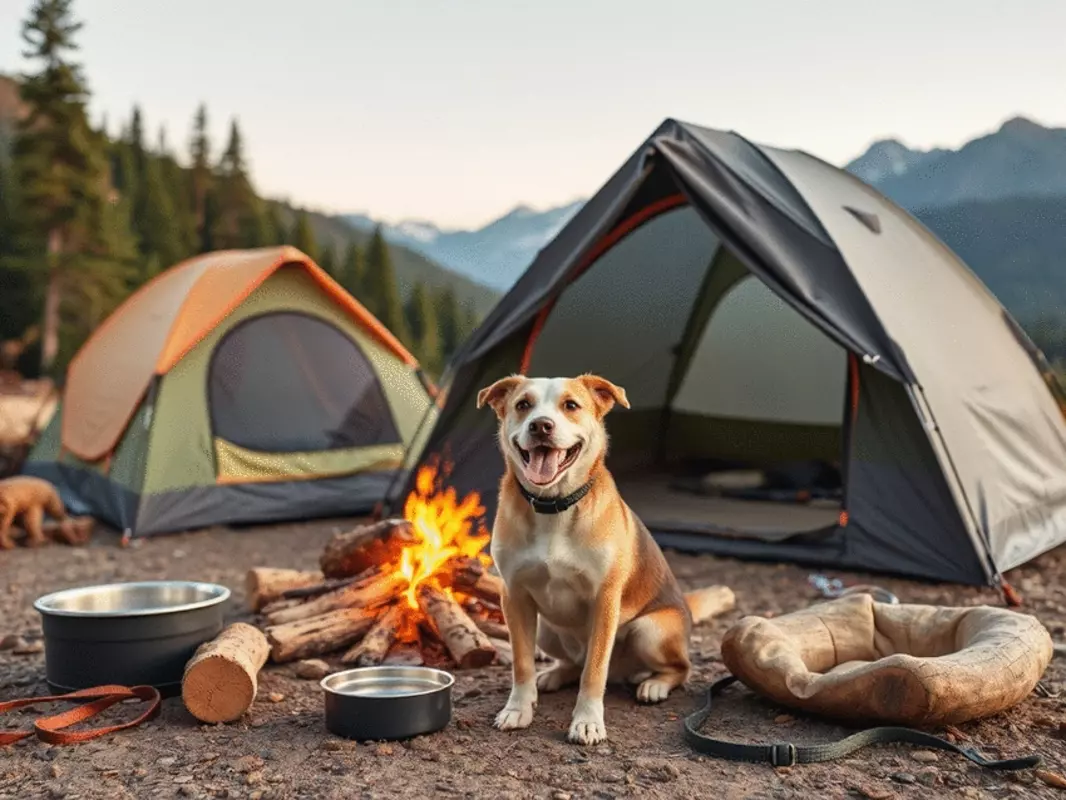
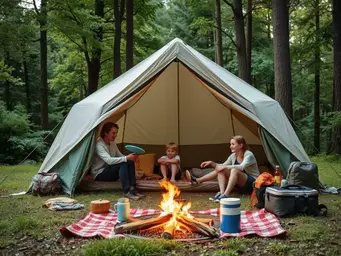
- Sleeping Position: Hammocks provide a suspended sleeping experience, while tents typically require sleeping on the ground.
- Setup Time: Hammocks often require less time to set up compared to a tent, which may involve multiple stakes and guylines.
- Weight and Bulk: Hammocks are generally lighter and take up less space in your pack than most tents.
- Weather Resistance: While tents can offer more protection in heavy rain, proper hammock setups with rainflies can also keep you dry. For detailed advice on optimizing your setup for various conditions, the Scout Shop blog on How to Hammock Camp Like a Scout provides excellent tips.
Understanding these differences can help you choose the right approach for your next outdoor adventure.
Hammock Camping as a Tent Alternative: Pros and Cons
As with any camping method, hammock camping has its pros and cons when compared to traditional tents. Weighing these can help you determine whether to make the switch. Here’s a quick rundown:
- Pros:
- Easy setup and takedown
- More breathable and comfortable in hot weather
- Less weight to carry on long hikes
- Cons:
- Limited to areas with suitable trees
- Less protection from ground temperature in cold weather
- Potential for swaying or movement during sleep
Ultimately, the choice between hammock camping and traditional camping is personal. Have you considered how each method aligns with your adventurous spirit? I encourage you to give hammock camping a try—who knows, it might become your new favorite way to sleep under the stars!
Pro Tip
When hammock camping, consider investing in an underquilt to enhance your comfort during colder nights. This insulation layer hangs below your hammock, providing warmth without the weight of a bulky sleeping bag. It’s a game-changer for enjoying those crisp, starry nights!
Final Thoughts on Enjoying Hammock Camping
As a seasoned hiker and hammock camping enthusiast, I've learned that this unique way of camping offers an incredible blend of comfort and connection to nature. Whether you’re a novice or looking to refine your skills, understanding a few key aspects can make your experiences even more enjoyable. Let’s dive into some common troubleshooting tips that can save the day!
Common Troubleshooting Tips for Beginners
It's easy to encounter a few hiccups when you're starting out with hammock camping. I remember my first trip when I struggled to find the perfect setup. Here are some practical tips to help you navigate those initial challenges:
- Test your setup before the trip: Practice setting up your hammock in your backyard or a local park.
- Adjust your straps: If you find yourself feeling too cramped or too loose, don't hesitate to make adjustments.
- Pack extra gear: Bringing along a lightweight tarp or bug net can save you from unexpected weather or pests.
These simple adjustments can transform your hammock camping experience from frustrating to fun! Remember, it’s all about finding what works best for you.
Planning Your First Hammock Camping Trip: Tips and Tricks
Planning your first hammock camping adventure can feel overwhelming, but it doesn’t have to be! From choosing the right location to packing essentials, I've got you covered:
- Pick a suitable campsite: Look for trees that are spaced about 12-15 feet apart with no sharp branches above.
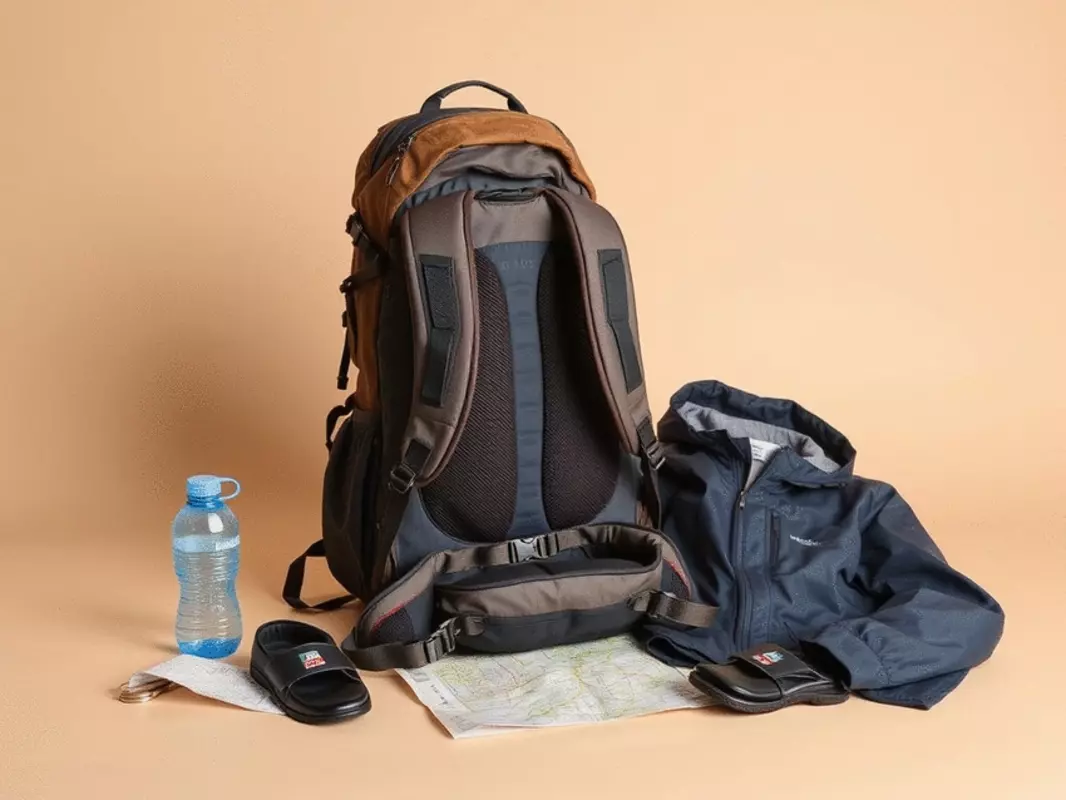
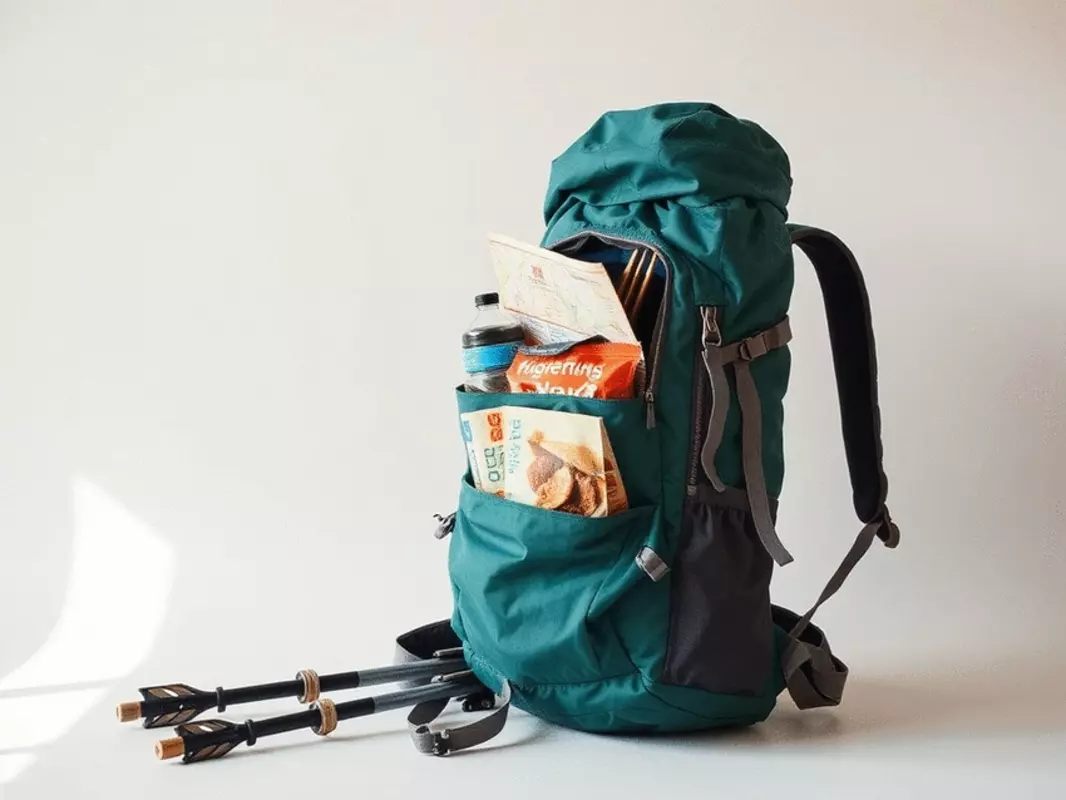
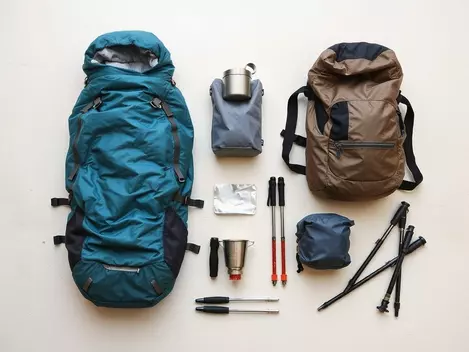
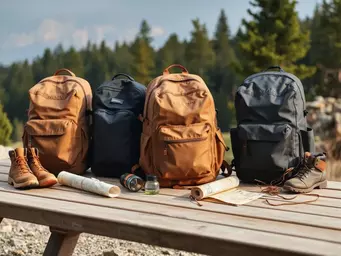
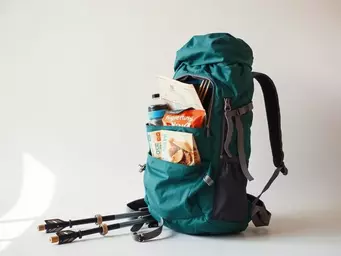
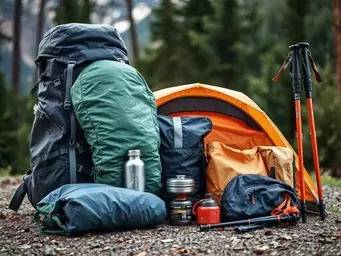
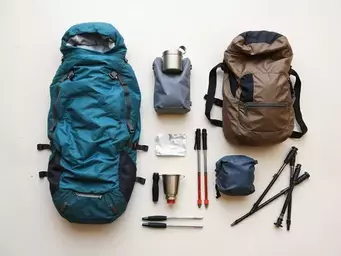
- Create a packing checklist: Include your hammock, suspension system, bug net, rain tarp, and sleeping gear.
- Research the weather: Knowing what to expect can help you prepare properly and enhance your comfort.
By planning ahead, you can ensure that your first experience is both memorable and enjoyable. I still remember my first trip; the thrill of sleeping gently swaying in the trees was simply unmatched!
Exploring Family Camping Options with Hammocks
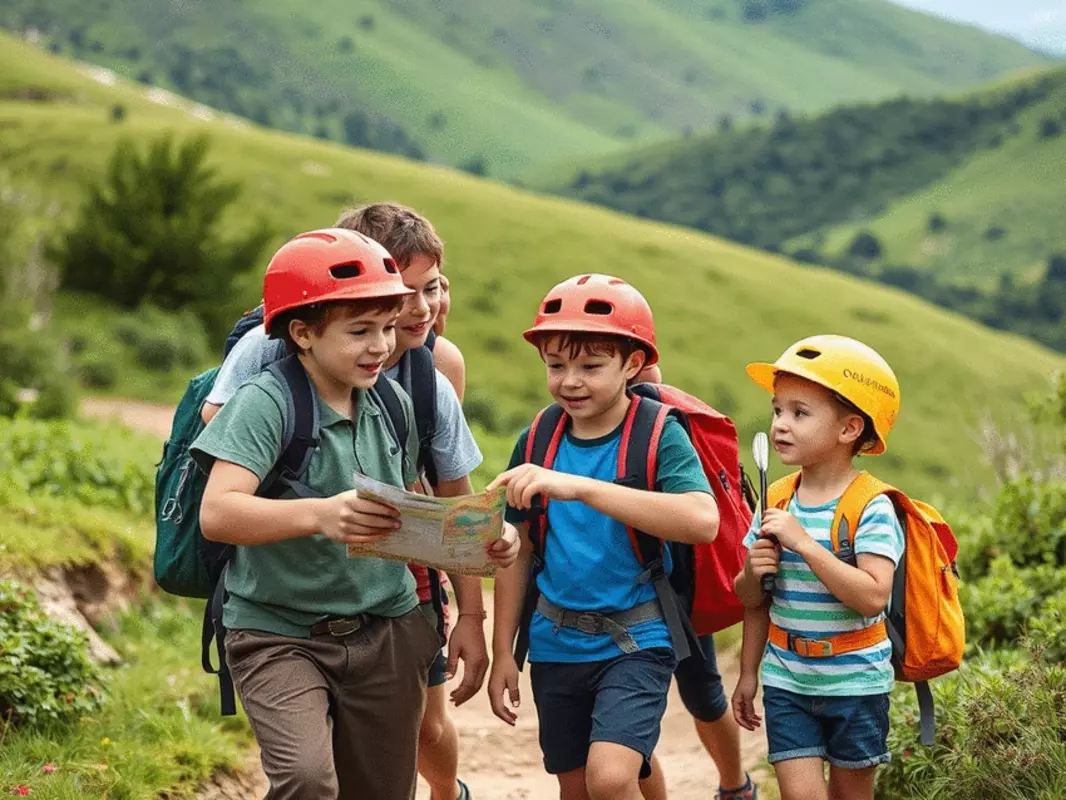
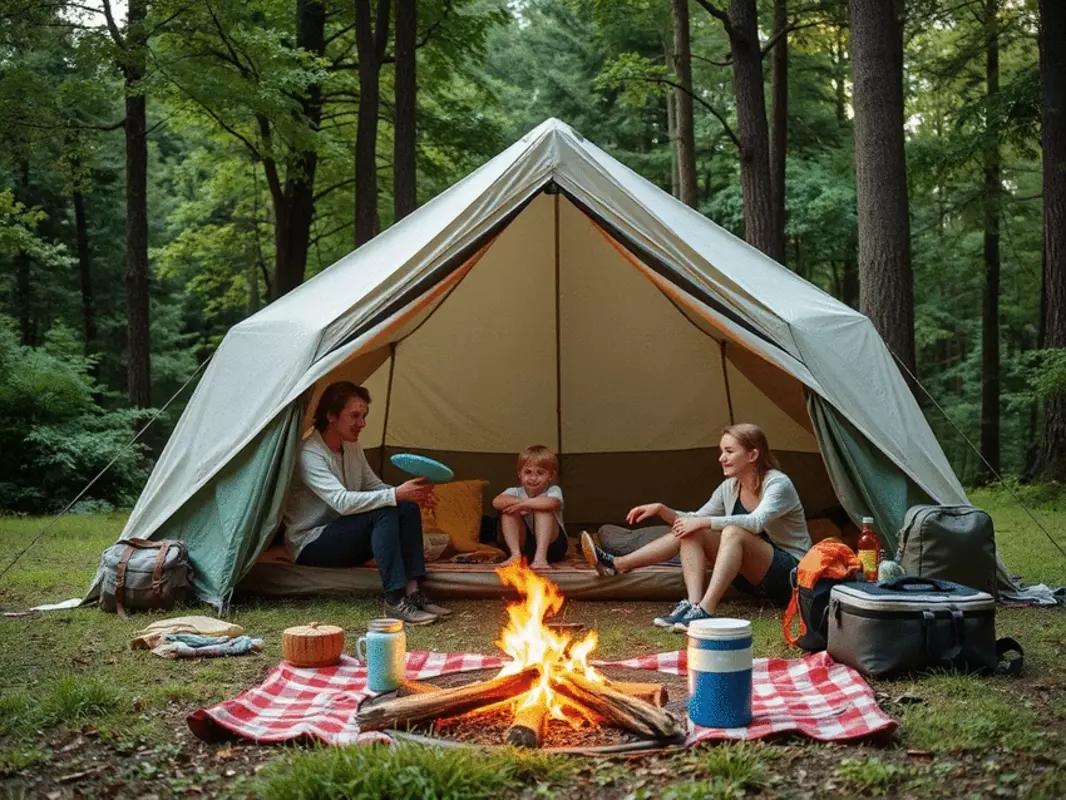
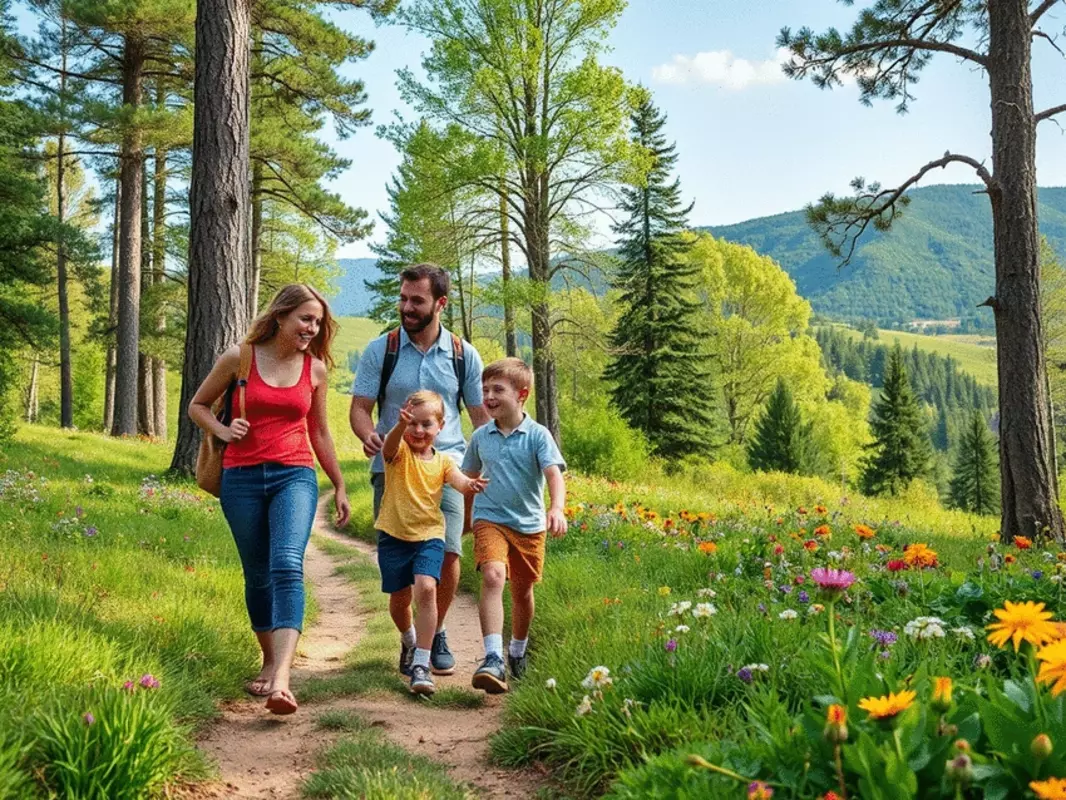
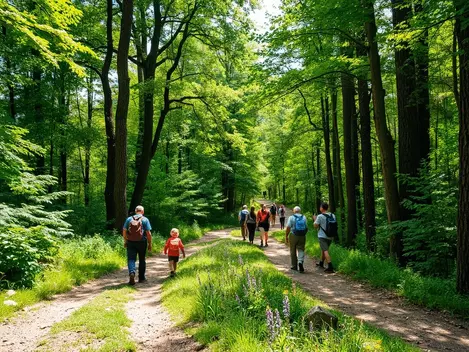
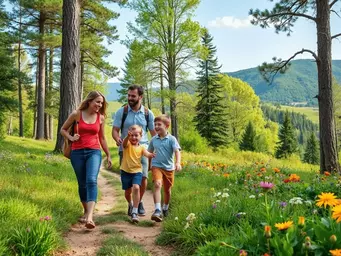
Hammock camping is not just for solo adventurers; it can also be a fantastic family activity! I’ve taken my family out a few times, and it’s always a blast. Here are some ideas to make your family camping experience memorable:
- Set up a family hammock village: Use multiple hammocks to create a cozy area where everyone can relax together.
- Engage kids in the setup: Let them help with knot tying and finding the right trees, making it a fun learning experience.
- Incorporate games and activities: Bring along a frisbee or cards to enjoy while lounging in your hammocks.
Camping as a family can foster connection and create lasting memories. I encourage you to share these moments with your loved ones—it makes hammock camping even more special!
Engage with the Hammock Camping Community
The hammock camping community is rich with resources and experiences that can greatly enhance your adventures. Whether you’re looking for more knowledge or want to share your own stories, there’s a place for you!
Resources for Further Learning and Support
To deepen your hammock camping skills, consider checking out communities and online resources where fellow enthusiasts share tips and advice. Here are a few places to get started:
- Online forums and social media groups dedicated to hammock camping.
- YouTube channels featuring gear reviews and tutorials.
- Websites like Backpack Hiking—where I share my own experiences and gear recommendations! For essential safety guidelines when camping, including hammock-specific advice, the Scouting.org Hammock Safety Guide is an invaluable resource.
Getting involved in these communities can provide you with invaluable insights and support from fellow campers.
Share Your Experiences and Connect with Other Campers
Don’t be shy about sharing your adventures! Whether it’s through social media, blog posts, or local meet-ups, connecting with other campers can enrich your experience. I love reading about others’ journeys; it always inspires me to explore new trails and techniques!
Hammock Reviews and Gear Recommendations for Your Next Adventure
As you prepare for your upcoming hammock camping trip, consider checking out my detailed gear reviews on Backpack Hiking. I highlight everything from budget-friendly options to high-end hammocks and essential accessories. Make sure you're equipped with the right gear to ensure a successful outing!
Remember, the joy of hammock camping is about embracing the adventure and connecting with nature. Don't hesitate to reach out to the community and share your journey!
Frequently Asked Questions About Hammock Camping
Q: What are the main advantages of hammock camping over traditional tent camping?
A: Hammock camping offers several advantages, including being lightweight and portable, quick to set up, providing elevated comfort off the ground, and offering greater flexibility in campsite selection due to needing only two trees. It's also more breathable in hot weather.
Q: What essential gear do I need for hammock camping?
A: Essential gear includes the hammock itself, a suspension system (straps/ropes), a bug net for insect protection, a rain tarp for weather protection, and appropriate sleeping gear like an underquilt or sleeping bag, depending on the temperature.
Q: How do I choose a good location for setting up my hammock?
A: Look for two sturdy trees spaced approximately 12-15 feet apart. Ensure there are no sharp branches directly above your setup that could pose a hazard. Checking for suitable trees is a key step in a successful hammock camp.
Q: Can hammock camping be done in cold weather?
A: Yes, hammock camping can be done in cold weather, but it requires proper insulation. An underquilt is highly recommended as it provides insulation from below, preventing heat loss. A sleeping pad inside the hammock can also help, along with a suitable sleeping bag.
Q: Is hammock camping suitable for families with children?
A: Absolutely! Hammock camping can be a fun and engaging family activity. You can create a "hammock village" with multiple hammocks, involve children in the setup process, and enjoy various outdoor games and activities while lounging. It fosters connection and creates lasting memories.
Recap of Key Points
Here is a quick recap of the important points discussed in the article:
- Comfort and Convenience: Hammock camping offers a unique sleeping experience, providing comfort and the ability to camp in diverse locations.
- Quick Setup: Hammocks are generally easier and faster to set up than traditional tents, allowing for more time to enjoy nature.
- Lightweight and Portable: Hammocks are lighter and more compact than tents, making them ideal for long hikes.
- Weather Considerations: Proper hammock setups can protect against rain, but it’s important to be aware of temperature variations.
- Family Engagement: Hammock camping can be a fun family activity, encouraging teamwork and creativity in setup and games.
- Community Resources: Engaging with the hammock camping community can provide valuable insights and support for enthusiasts.