Backpack Packing Tips for Hikers

As you prepare for your next hiking adventure, consider this: the way you pack your backpack can significantly impact your experience on the trail. A well-packed backpack not only enhances your comfort but also ensures you're ready for whatever nature throws your way.
What You Will Learn
- Proper backpack packing improves comfort, allowing for longer hikes without fatigue.
- Accessibility in packing ensures quick and easy access to gear, enhancing your hiking experience.
- Balanced weight distribution is crucial to reduce strain on your body while navigating trails.
- Choosing the right backpack size and fit is essential to prevent discomfort and potential injuries.
- Gender-specific backpack designs can enhance comfort and support based on body shape and size.
- Understanding the differences between day packs and backpacking packs helps tailor your gear for specific hikes.
- Key packing tips include distributing weight evenly, utilizing external pockets, and staying hydrated.
- Using a packing checklist minimizes stress and ensures you don't forget essential gear for your hike.
Key Goals of Backpack Packing
Achieving balance, comfort, and accessibility is crucial for a positive hiking experience. This visual breaks down the importance of each goal.
Balance
Distribute weight evenly for stability, especially on uneven terrain, preventing fatigue.
Comfort
Padded straps and proper fit reduce stress on shoulders and back for enjoyable treks.
Accessibility
Quick and easy access to essentials without unpacking ensures convenience on the trail.
Improved Comfort
Enables longer hikes without fatigue, promoting a more enjoyable outdoor experience.
Understanding the Importance of Proper Backpack Packing for Hiking
When I first started hiking, I quickly learned that how I packed my backpack could make or break my entire experience. Proper packing can transform a strenuous trek into a manageable adventure. Without the right balance, comfort, and accessibility, even the most beautiful trails can become a chore. So, let’s dive into why proper backpack packing is crucial for a positive hiking experience!
Imagine setting off on a lovely morning, fresh air filling your lungs, and the promise of beautiful vistas ahead. If your backpack is poorly packed, though, you might find yourself constantly adjusting it, struggling to reach for essentials, or worse, feeling the weight of it all dragging you down. Understanding how to pack effectively not only enhances your enjoyment but also ensures your safety along the way, as highlighted by resources like the National Park Service's hiking safety guidelines.
Why Backpack Packing Affects Your Hiking Experience
- Improved comfort enables longer hikes without fatigue.
- Accessibility allows for quick and easy access to gear.
- Proper weight distribution reduces strain on your body.
Each of these factors plays a vital role in how you experience the trail. Have you ever felt the relief of finally accessing that water bottle or snack without wrestling with your pack? Those small moments make a big difference! Plus, knowing your gear is safely packed gives you peace of mind, allowing you to focus on enjoying the scenery and the company of fellow hikers.
Key Goals: Balance, Comfort, and Accessibility
As you prepare for a hike, it's essential to keep three key goals in mind: balance, comfort, and accessibility. Achieving balance helps keep your center of gravity stable, especially when navigating uneven terrain. Comfort is paramount; a well-packed backpack means less stress on your shoulders and back. Accessibility ensures you can easily reach what you need without taking everything out.
- Balance: Distribute your weight evenly to avoid fatigue.
- Comfort: Use padded straps and adjust your pack for a snug fit.
- Accessibility: Pack frequently used items on top or in side pockets.
As you hit the trails, remember that your experience is shaped by how well you pack. I often reflect on my own hikes, recalling times when an accessible snack or well-positioned water bottle made all the difference. By prioritizing these goals, you can immerse yourself in the beauty of nature, rather than focusing on discomfort or inconvenience.
Choosing the Right Backpack for Your Hiking Needs
The next step in our packing journey is selecting the right backpack. Just as every hike is different, so too are our backpack needs. This choice can influence everything from how much gear you can carry to how comfortable you feel on the trail. Let’s explore how to make the best decision for your hiking adventures!
Evaluating Backpack Size and Fit
Choosing a backpack that fits well is crucial to a successful hike. A poorly fitting pack can cause chafing, back pain, and even lead to long-term injuries. Start by measuring your torso length and comparing it with the backpack’s sizing chart. For more in-depth preparation, consider resources like the National Parks Foundation's guide to backcountry hiking prep.
- For day hikes, a pack with a capacity of 15-30 liters is typically sufficient.
- For multi-day adventures, look for packs ranging from 40-70 liters.
- Try on different packs to find one that feels comfortable and supportive.

I always encourage fellow hikers to adjust the straps and walk around the store or at home with their loaded pack to ensure a good fit. Trust me, your back will thank you later!
Understanding Gender-Specific Ergonomics in Backpack Design
It’s essential to consider gender-specific designs when choosing a backpack! These packs are tailored to fit the natural curves of the body, providing a more comfortable experience. For example, women's backpacks often feature shorter torso lengths and narrower shoulder straps.
- Look for brands that offer gender-specific designs.
- Check reviews for comfort and fit feedback from other hikers.
- Don’t hesitate to try different styles to find the best fit for you.
By understanding these ergonomic differences, you can make an informed decision that enhances your hiking experience right from the start. I’ve definitely felt the difference when using a pack designed for my body type!
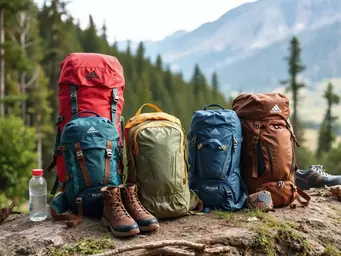
Exploring Different Types of Backpacks: Day Packs vs. Backpacking Packs
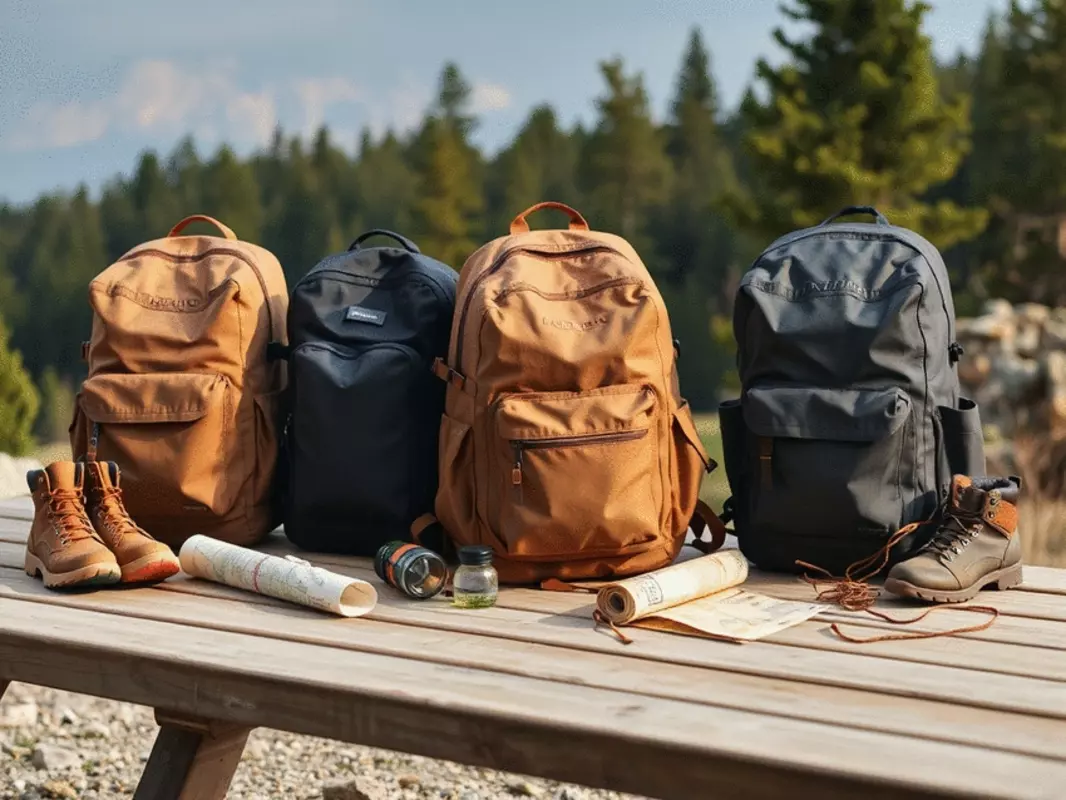
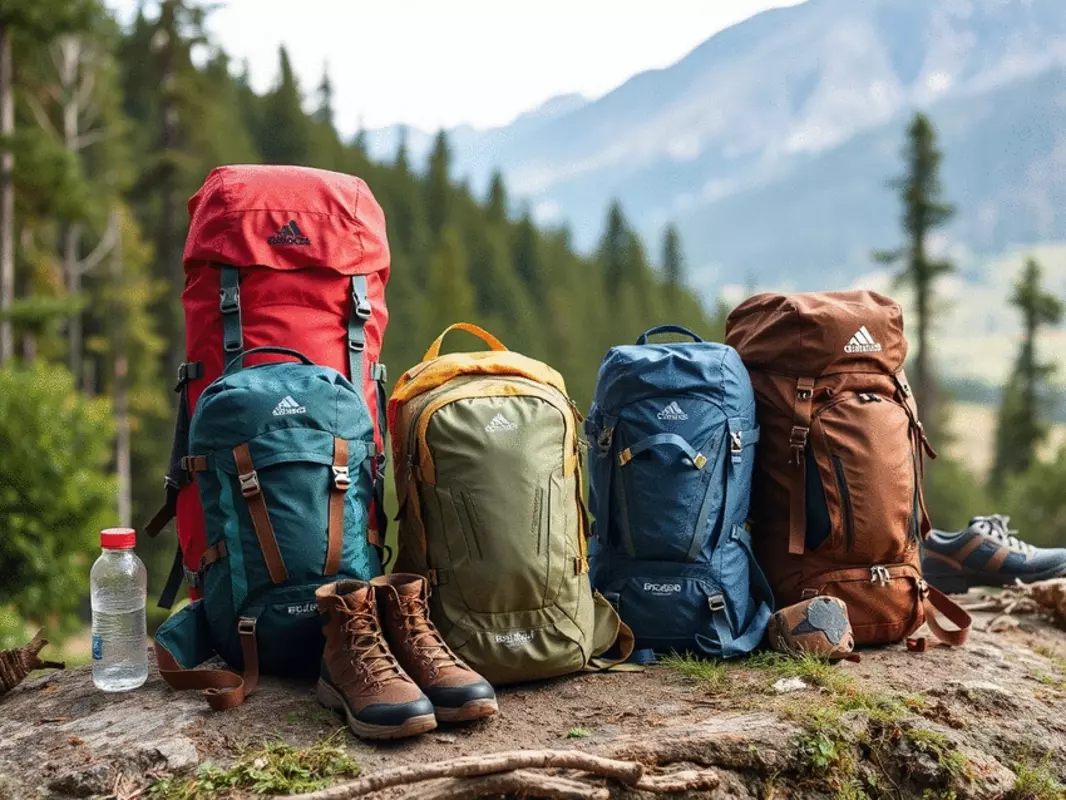
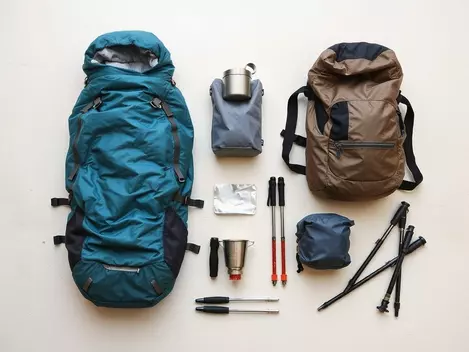
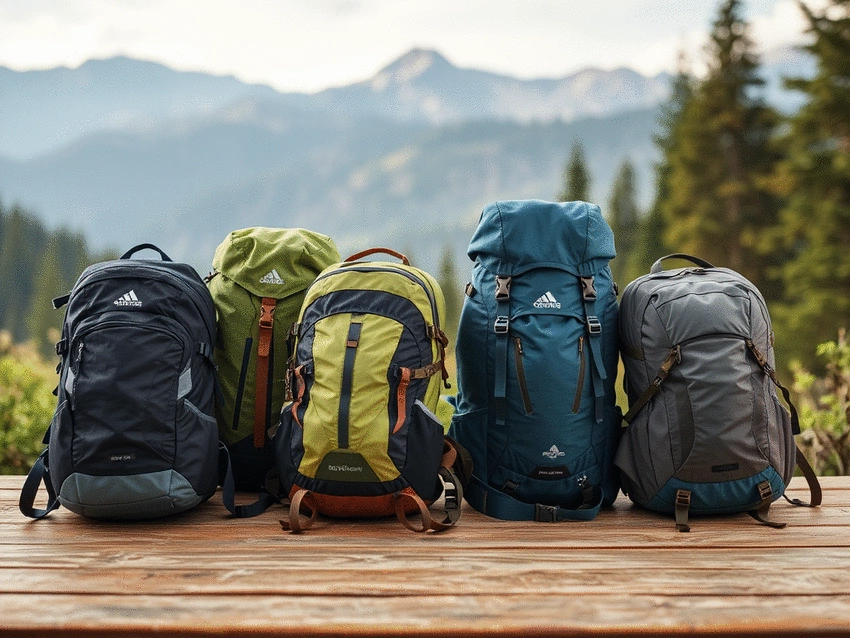
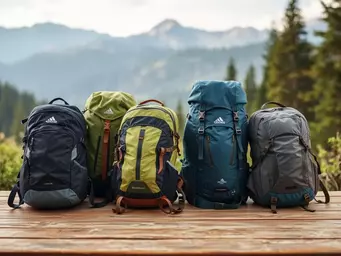
Understanding the differences between day packs and backpacking packs is vital for making the right choice. Day packs are lighter and designed for short excursions, while backpacking packs are built to carry heavier loads for extended trips. The National Park Service offers valuable insights into backpacking preparation, which can help in selecting the appropriate pack.
- Day Packs: Ideal for short hikes, typically 15-30 liters.
- Backpacking Packs: Suitable for multi-day trips, usually 40-70 liters.
- Consider features like hydration reservoirs, pockets, and carry systems.
Think about your hiking goals: Are you planning a quick day hike or an epic multi-day trek? This will guide your decision. Personally, I find it exhilarating to choose the right pack for the right adventure, knowing it will enhance my experience on the trail.
Interactive Poll: Your Packing Style
When it comes to packing for a hike, what method do you prefer? Share your thoughts and let us know your go-to packing style!
Frequently Asked Questions About Backpack Packing for Hiking
Recap of Pro Tips for Packing Your Hiking Backpack
When it comes to packing your hiking backpack, a few key principles can elevate your experience from just okay to truly enjoyable! I’ve spent years experimenting with different packing methods, and I can tell you that mastering balance, comfort, and accessibility is essential. Let’s summarize some of the top tips that can help you tackle the trails with confidence.
- Distribute weight evenly: Place heavier items closer to your back for better stability.
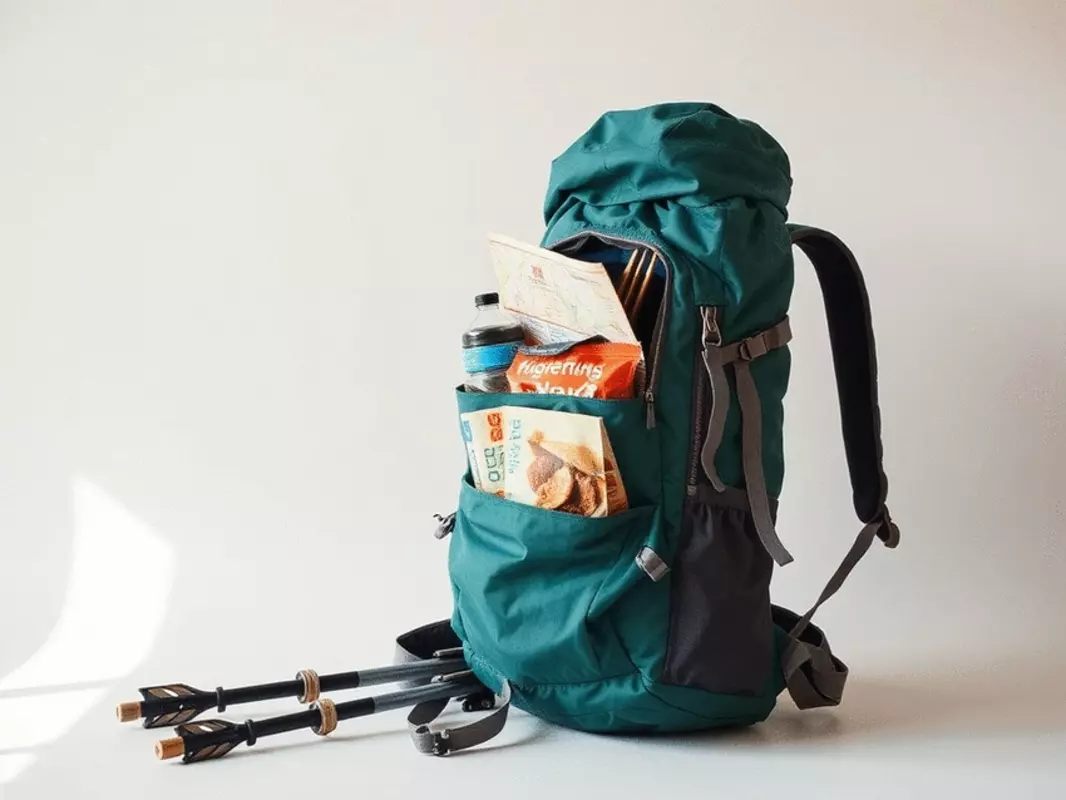
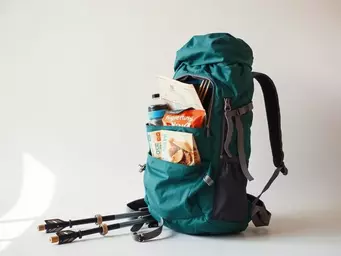
- Utilize external pockets: Keep essentials like snacks and maps within easy reach.
- Layer wisely: Organize your gear by packing the least used items at the bottom.
- Test your pack: Always conduct a trial run to ensure your pack fits comfortably.
- Stay hydrated: Choose a hydration system that works for your hiking style.

These principles aren't just helpful; they enhance your overall hiking experience! Remember, comfort is key, and a well-packed backpack can make all the difference when you’re out in the wilderness.
Final Thoughts on Achieving Balance, Comfort, and Accessibility
As you prepare for your next adventure, keep in mind that the right balance, comfort, and accessibility will transform your hike. Imagine gliding effortlessly along the trail, knowing that everything you need is within reach and your pack isn’t weighing you down. I often remind myself that less is more; simplicity in packing leads to greater enjoyment in the great outdoors!
So, think about your unique hiking needs and adjust your packing strategy accordingly. Have you ever felt that sweet spot when everything just clicks? That’s what aiming for balance can do for you!
Call to Action: Prepare for Your Next Adventure
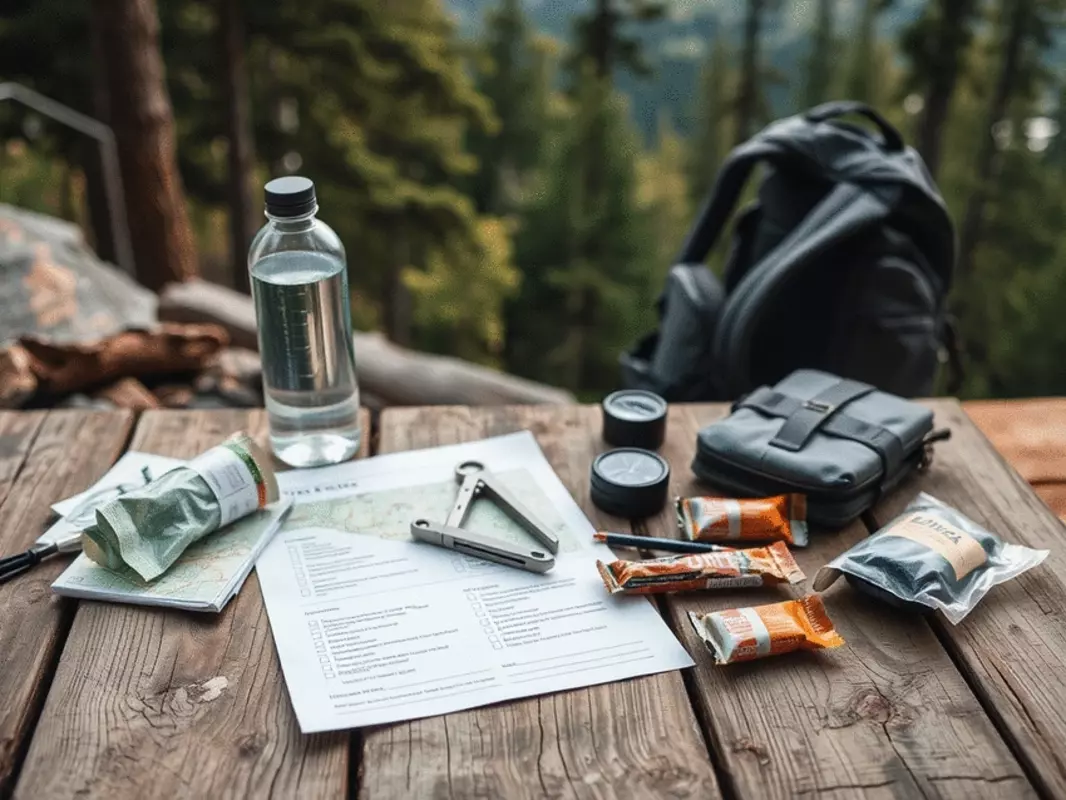
Utilizing a Step-by-Step Packing Checklist
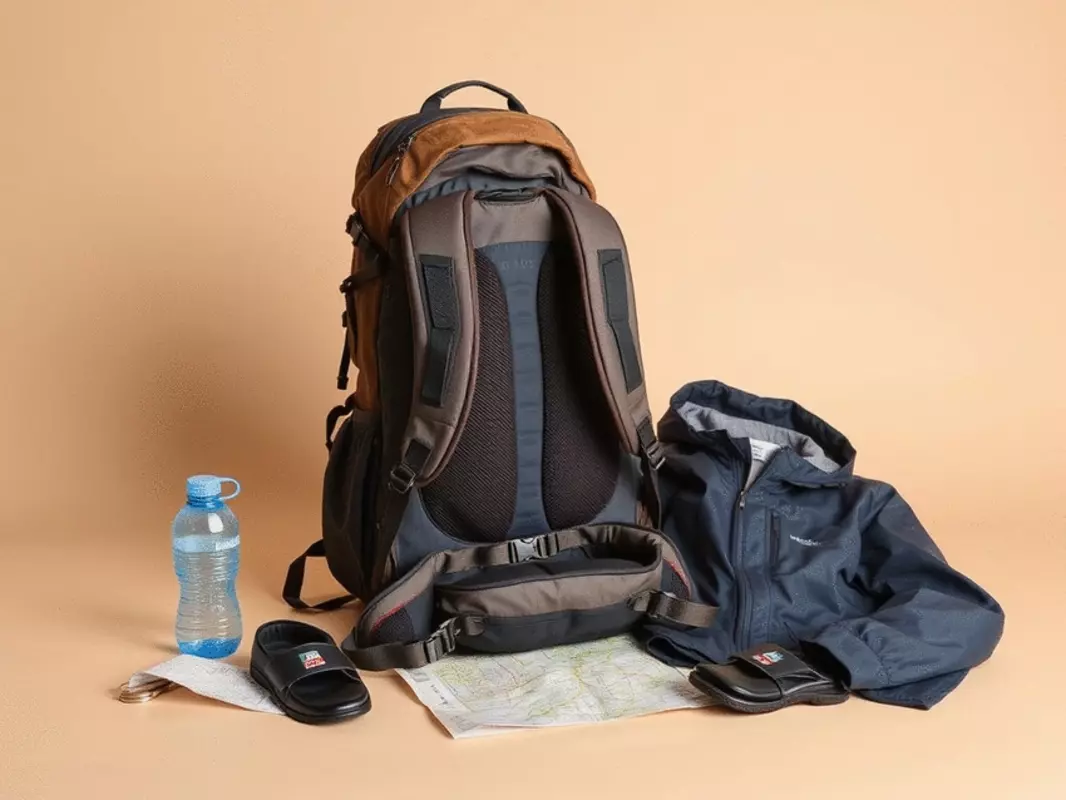
One of the best ways to ensure you’re ready for your next hike is to use a step-by-step packing checklist. I’ve created a simple one that might just save you from forgetting essentials:
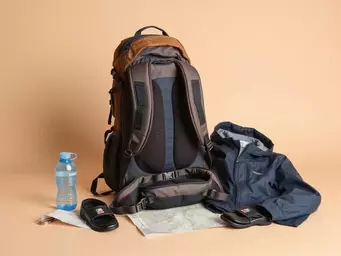
- Choose your backpack based on the length and difficulty of your hike.
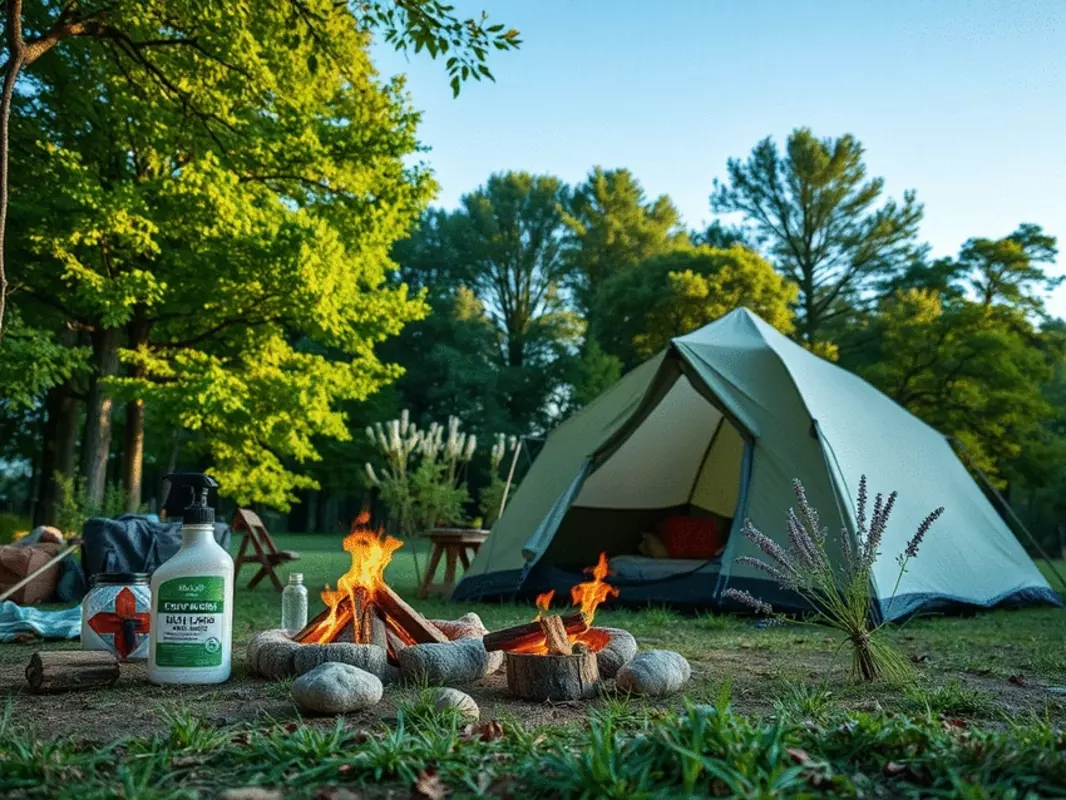
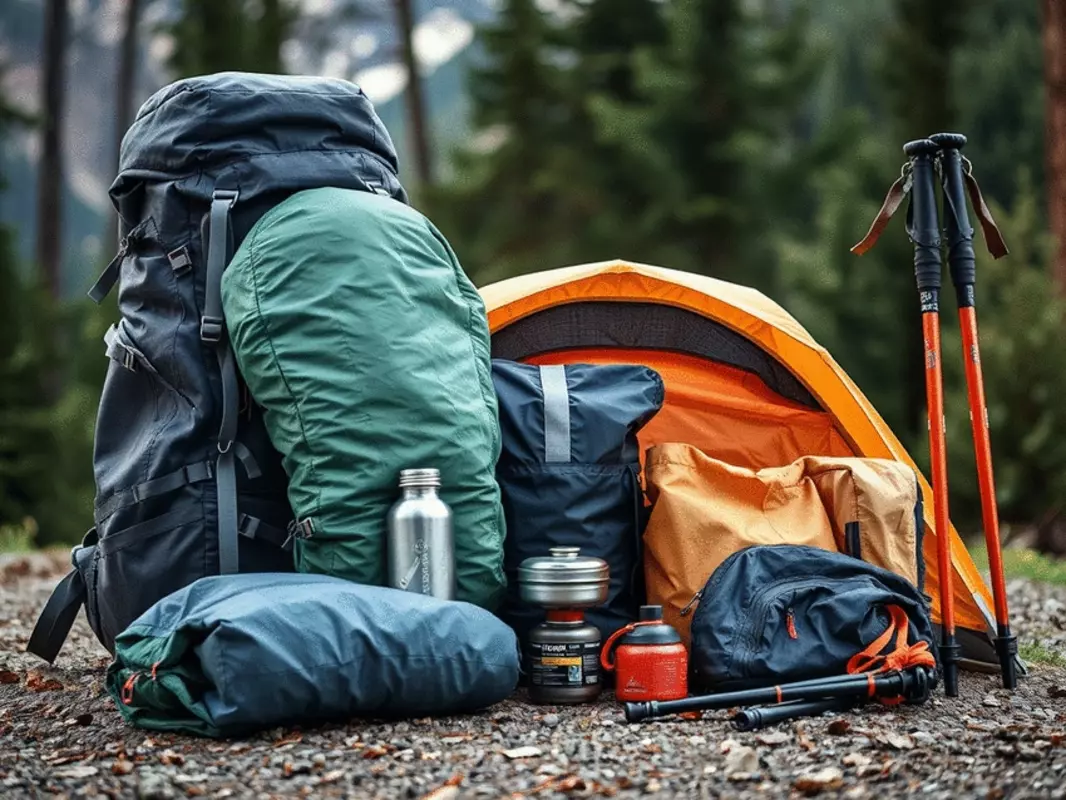
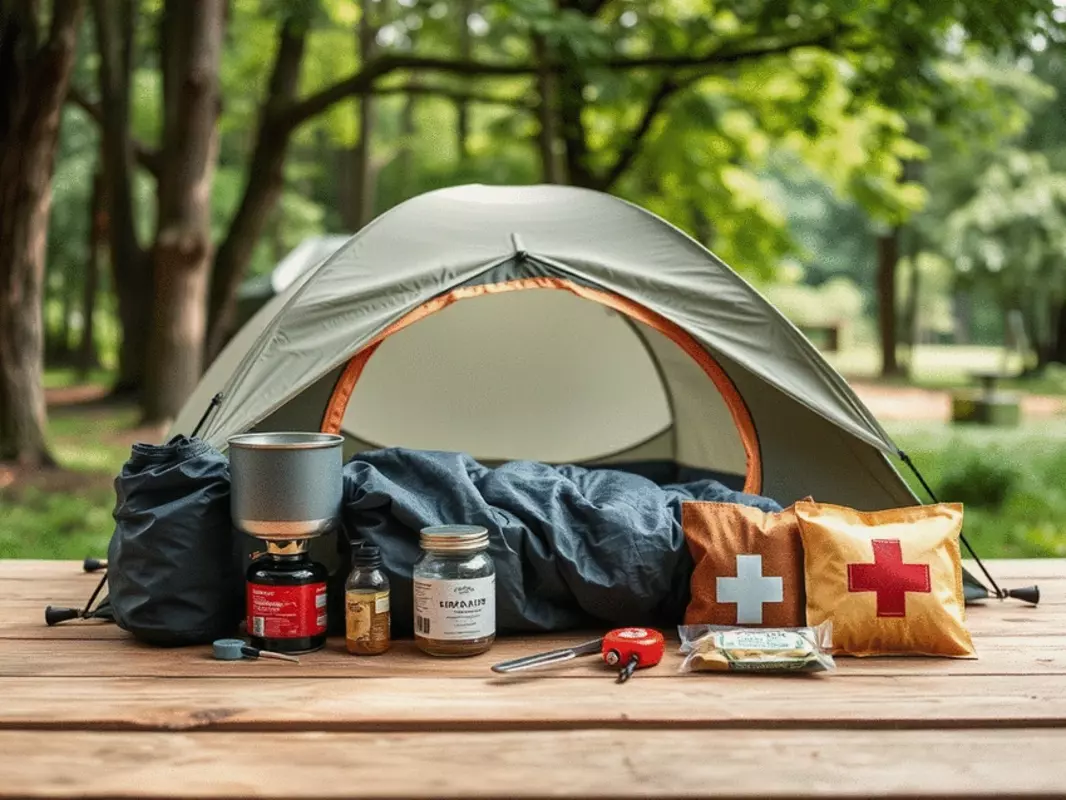
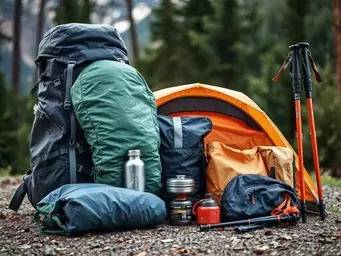
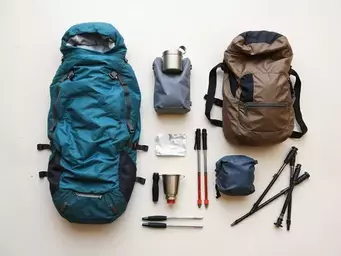
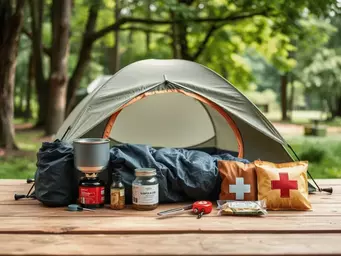
- Gather your gear: tent, sleeping bag, cooking supplies, and food.
- Pack your clothing, including layers for temperature changes.
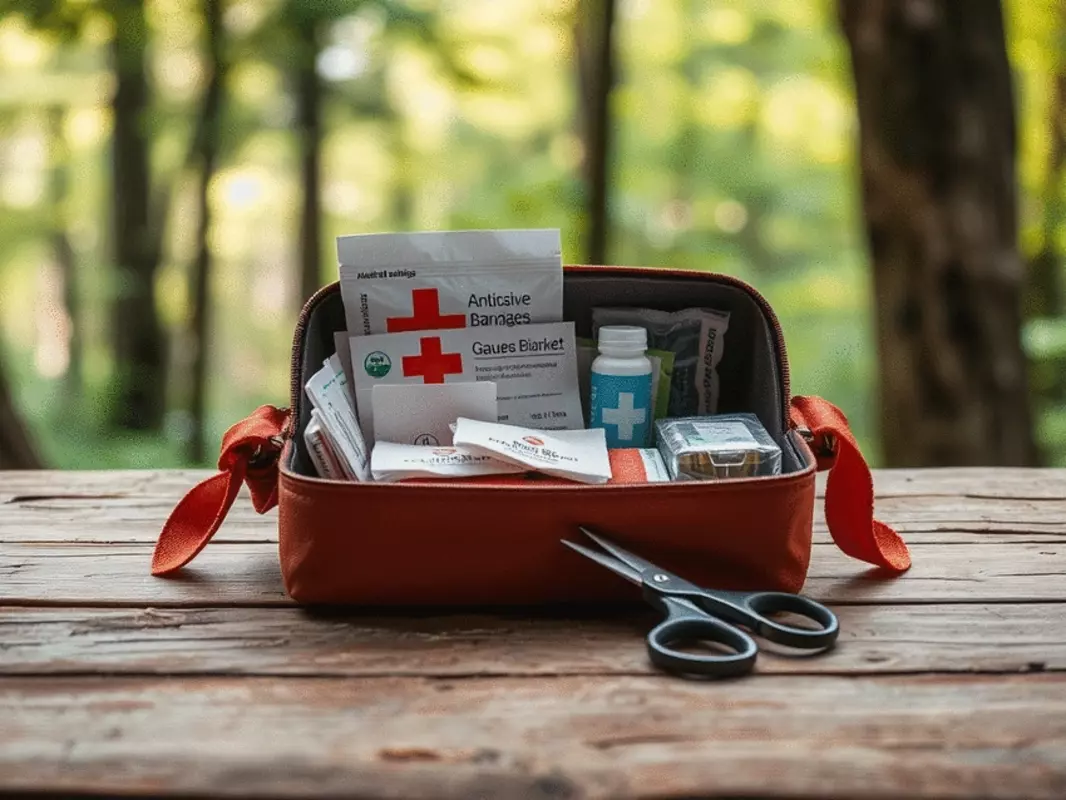
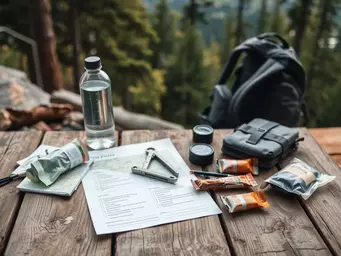
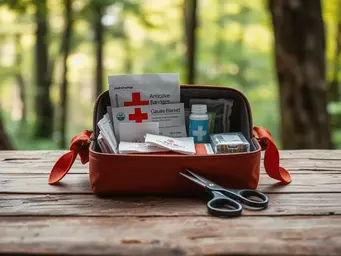
- Check your first aid kit and emergency gear.
- Don’t forget snacks and a hydration system!
Using a checklist not only keeps you organized, but it also minimizes stress and makes packing a breeze. I always feel a sense of accomplishment when I check everything off my list!
Encouraging Readers to Share Their Packing Tips
I’d love to hear from you! What are your go-to packing tips? Sharing our experiences helps build a community of outdoor enthusiasts who can support each other on our hiking journeys. Leave a comment below or connect with us on social media to share your wisdom. After all, learning from each other is what makes our adventures even more rewarding!
At Backpack Hiking, we’re dedicated to helping you prepare for every step of your outdoor journey! Together, let’s explore the trails and make lasting memories in nature.
Recap of Key Points
Here is a quick recap of the important points discussed in the article:
- Improved Comfort: Proper packing enhances comfort, allowing for longer hikes without fatigue.
- Weight Distribution: Distributing weight evenly reduces strain on your body and enhances stability.
- Accessibility: Keep frequently used items within easy reach to avoid unnecessary hassle on the trail.
- Testing Your Pack: Conduct a trial run to ensure your pack fits comfortably and securely.
- Choosing the Right Backpack: Select a backpack based on the length and difficulty of your hike, considering size and ergonomics.