Scenic Trails for Backpacking Adventures
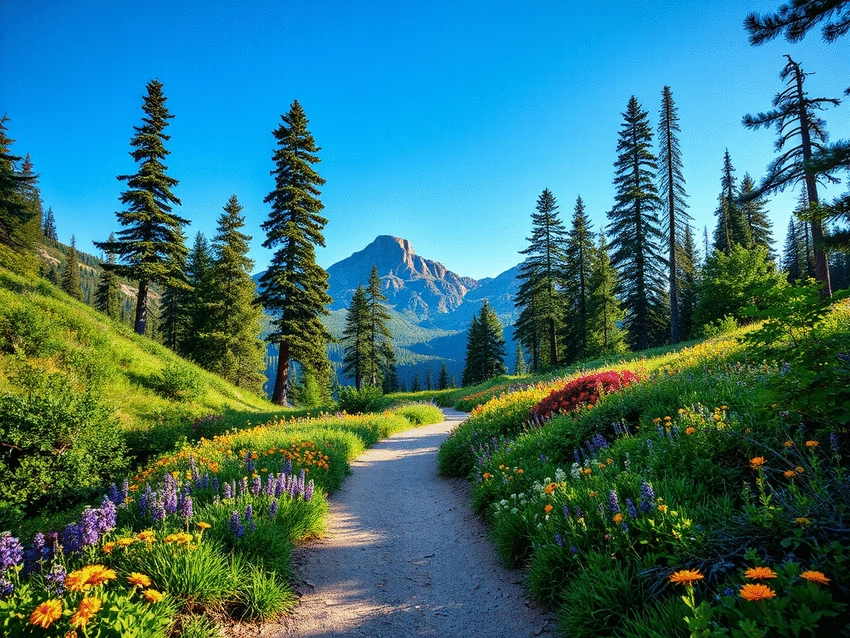
As you consider your next backpacking journey, think about the breathtaking trails that await. Did you know that national parks offer not just stunning views but also unique wildlife encounters? Here’s what you can learn to enhance your outdoor adventures!
What You Will Learn
- Discover diverse landscapes in national parks, from mountains to valleys, turning each hike into a unique adventure.
- Understand the importance of planning your trip by assessing distance, duration, and trail difficulty for a successful experience.
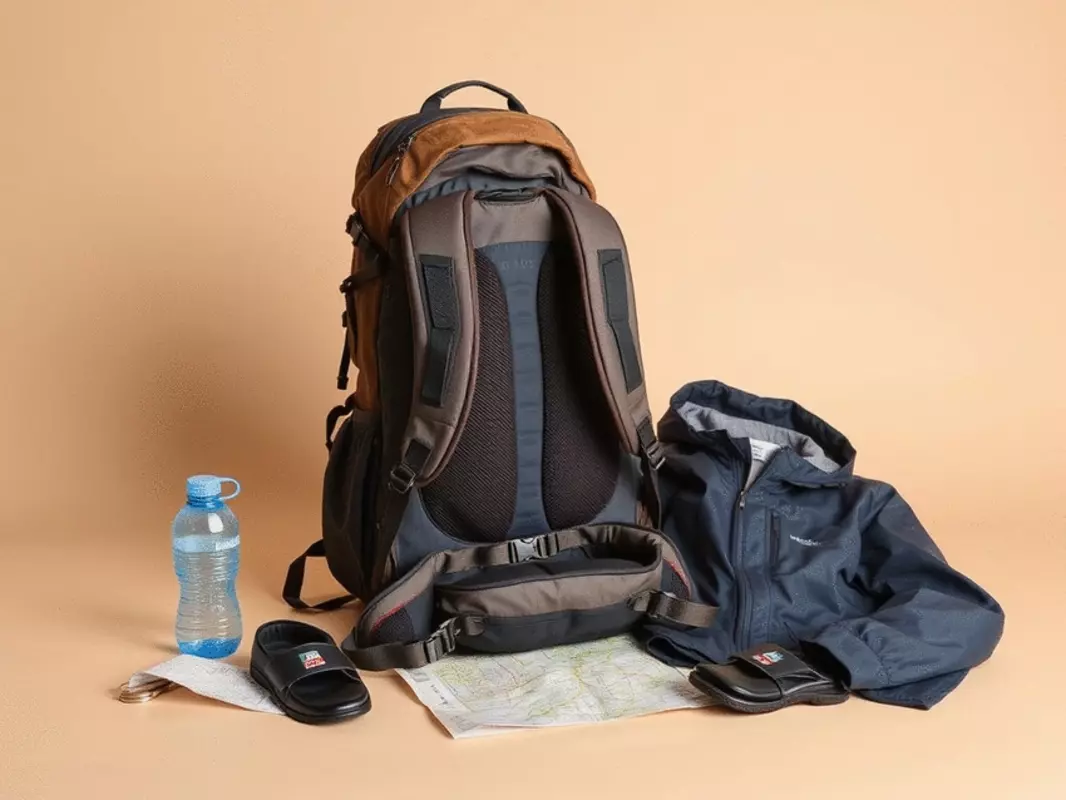
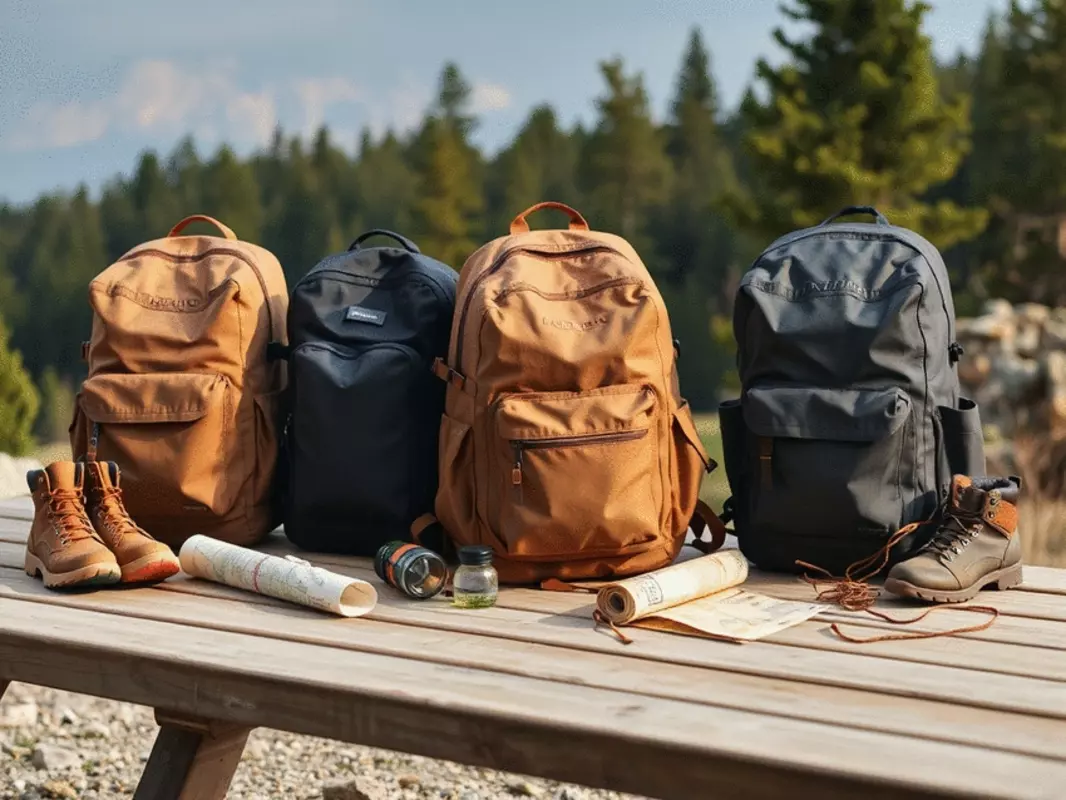
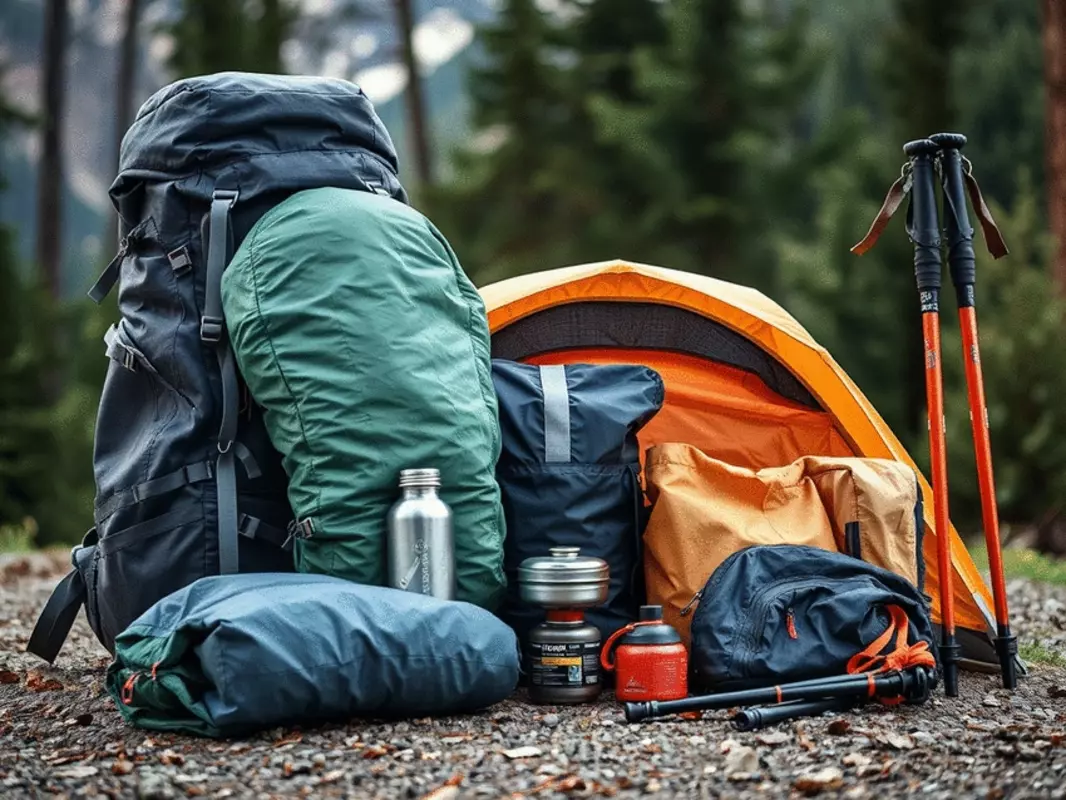
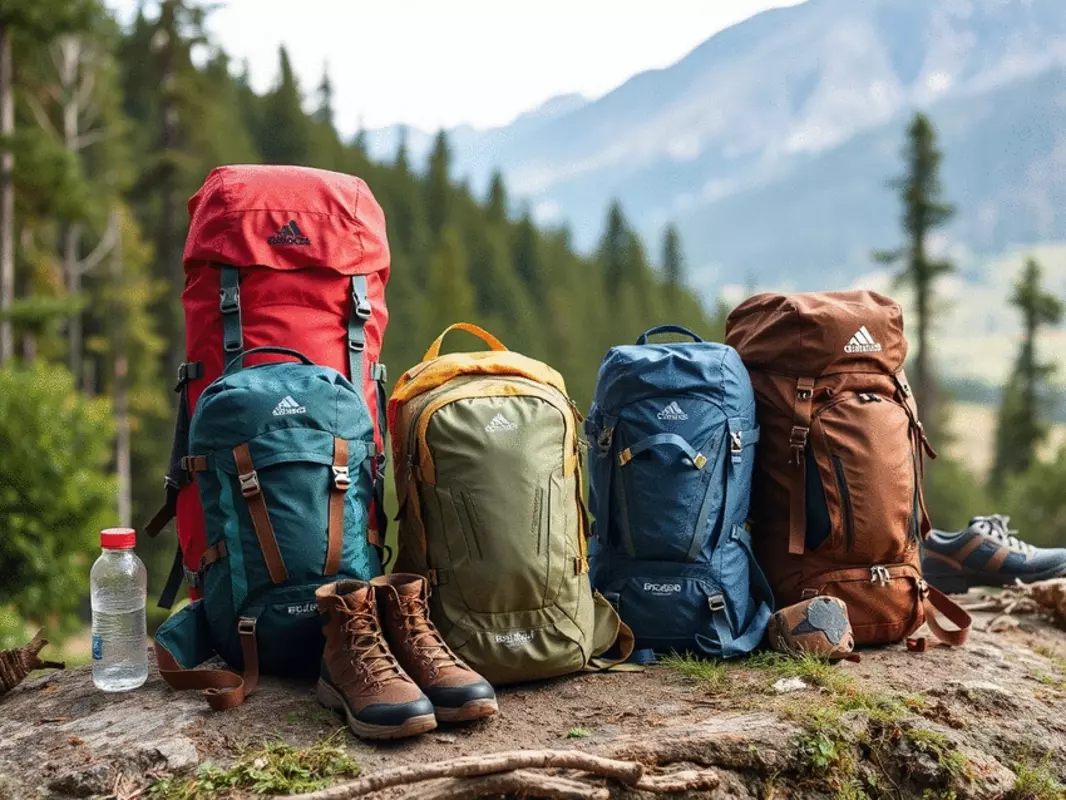
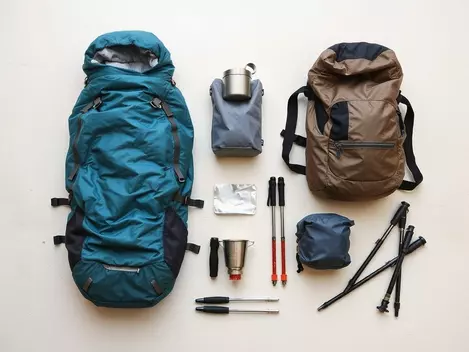
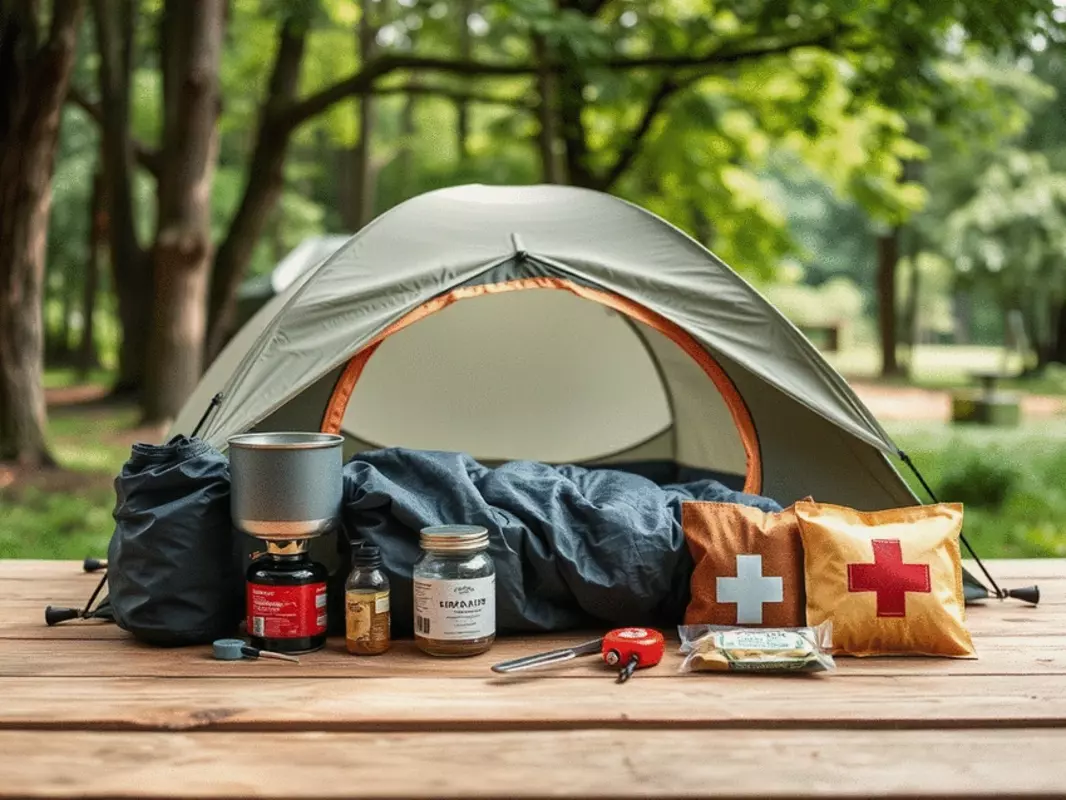
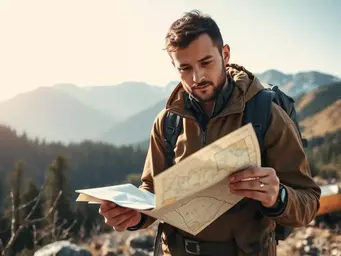
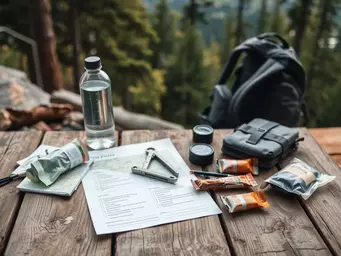
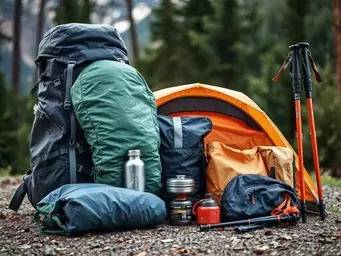
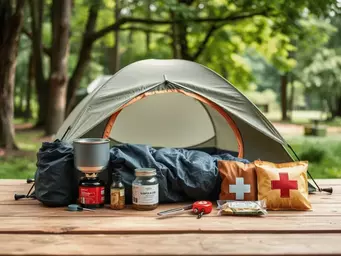
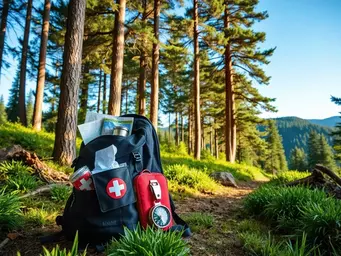
- Learn about essential gear and resources for trail mapping and preparation to ensure a smooth journey.
- Explore iconic trails like the John Muir Trail and the Grand Canyon Rim-to-Rim, each offering breathtaking scenery and memorable experiences.
- Gain insights on wildlife encounters and safety precautions necessary for hiking in areas with active fauna.
- Reflect on personal goals and preferences to choose trails that resonate with your adventurous spirit.
- Join a community of outdoor enthusiasts to share stories and tips, fostering connections and enhancing your hiking journey.
Key Backpacking Trails Comparison: Distance, Duration, and Challenge
This comparison highlights the diverse characteristics of popular national park trails, offering insights into their length, recommended duration, and difficulty levels for planning your next adventure.
John Muir Trail
Sierra Nevada, CA
- Distance: ~211 miles
- Duration: Multi-day (weeks)
- Challenge: Strenuous
Glacier National Park
Highline Trail
- Distance: Varied
- Duration: Day/Multi-day
- Challenge: Moderate to Strenuous
Grand Canyon Rim-to-Rim
Arizona
- Distance: ~24 miles
- Duration: 2-4 days
- Challenge: Very Strenuous
Cascade Pass Trail
North Cascades, WA
- Distance: ~7.4 miles RT
- Duration: Day hike
- Challenge: Moderate
Bechler River Traverse
Yellowstone National Park
- Distance: ~28-30 miles
- Duration: 3-4 days
- Challenge: Moderate
Yosemite National Park
Half Dome, Mist Trail
- Distance: Varied
- Duration: Day/Multi-day
- Challenge: Strenuous (Half Dome)
Zion National Park
Angels Landing
- Distance: ~5.4 miles RT
- Duration: Day hike
- Challenge: Very Strenuous/Dangerous
Rocky Mountain National Park
Longs Peak
- Distance: ~14.5 miles RT
- Duration: Day hike
- Challenge: Very Strenuous
Discover Scenic National Park Trails for Your Backpacking Adventures
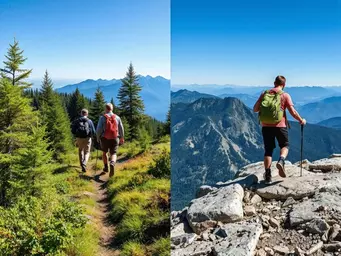
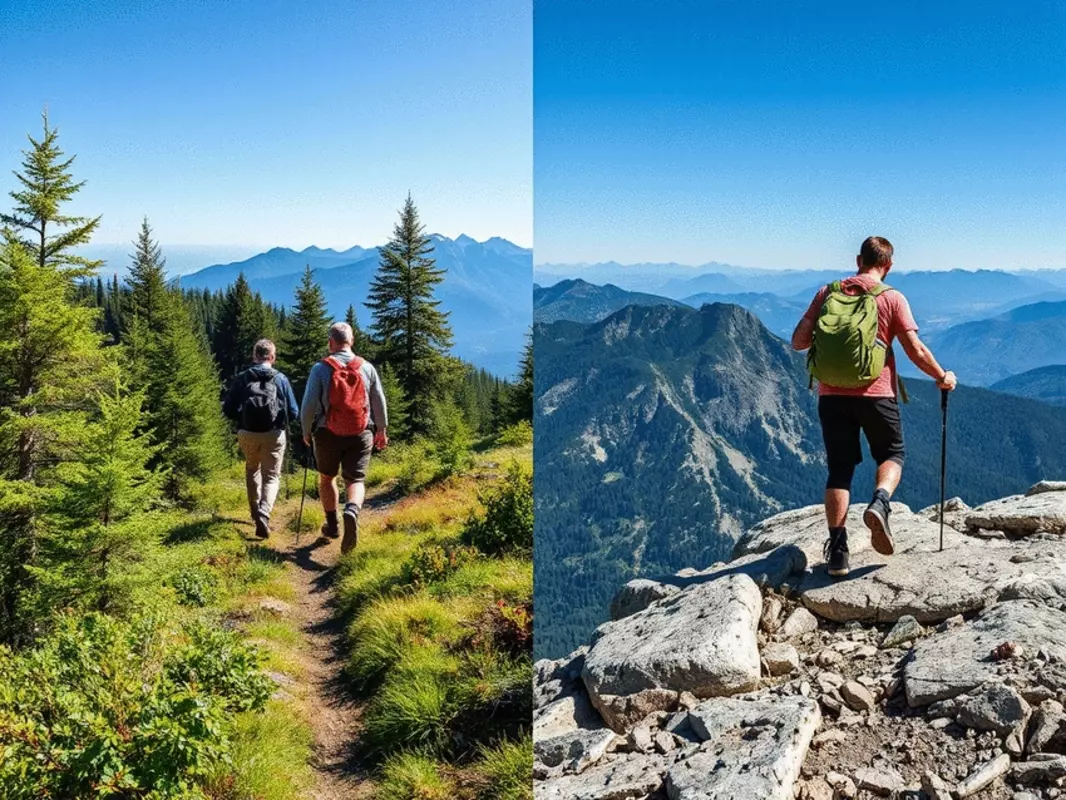
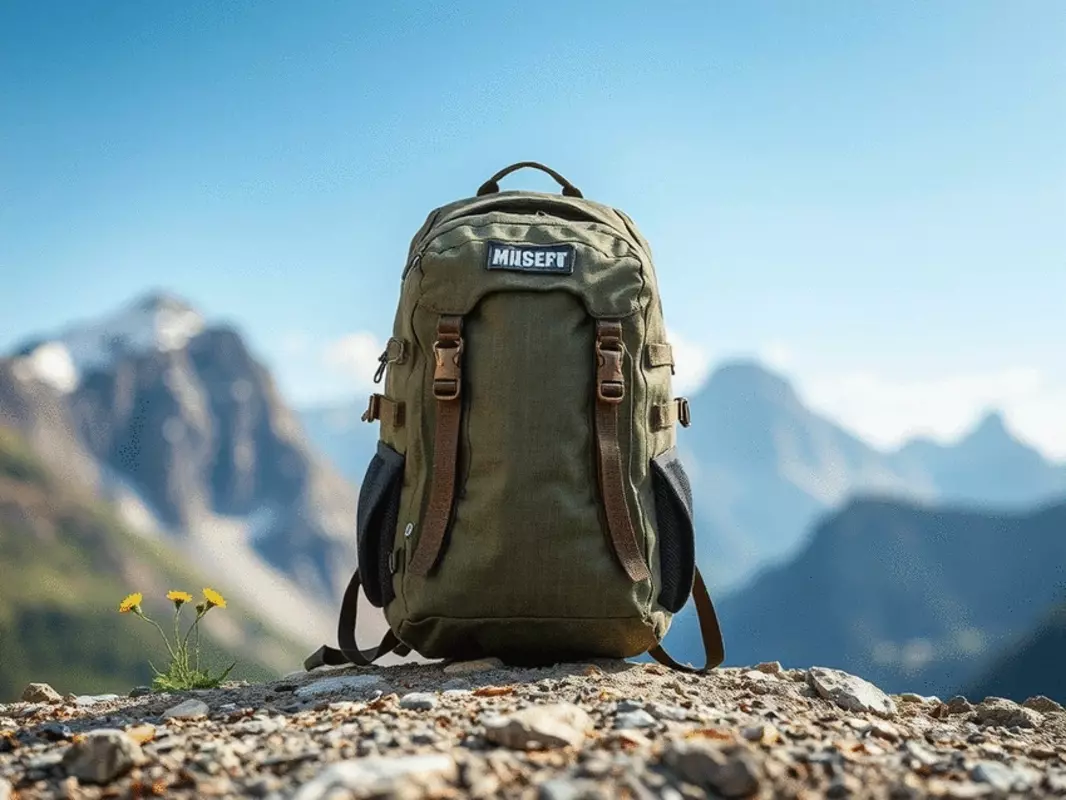
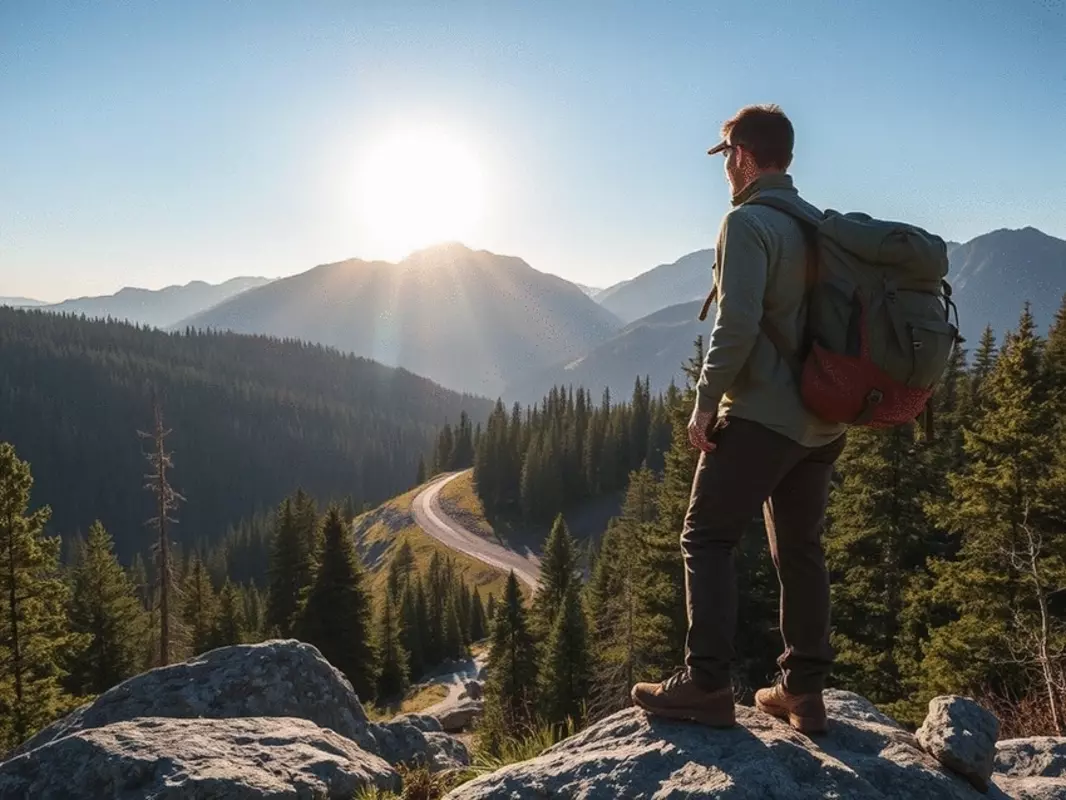
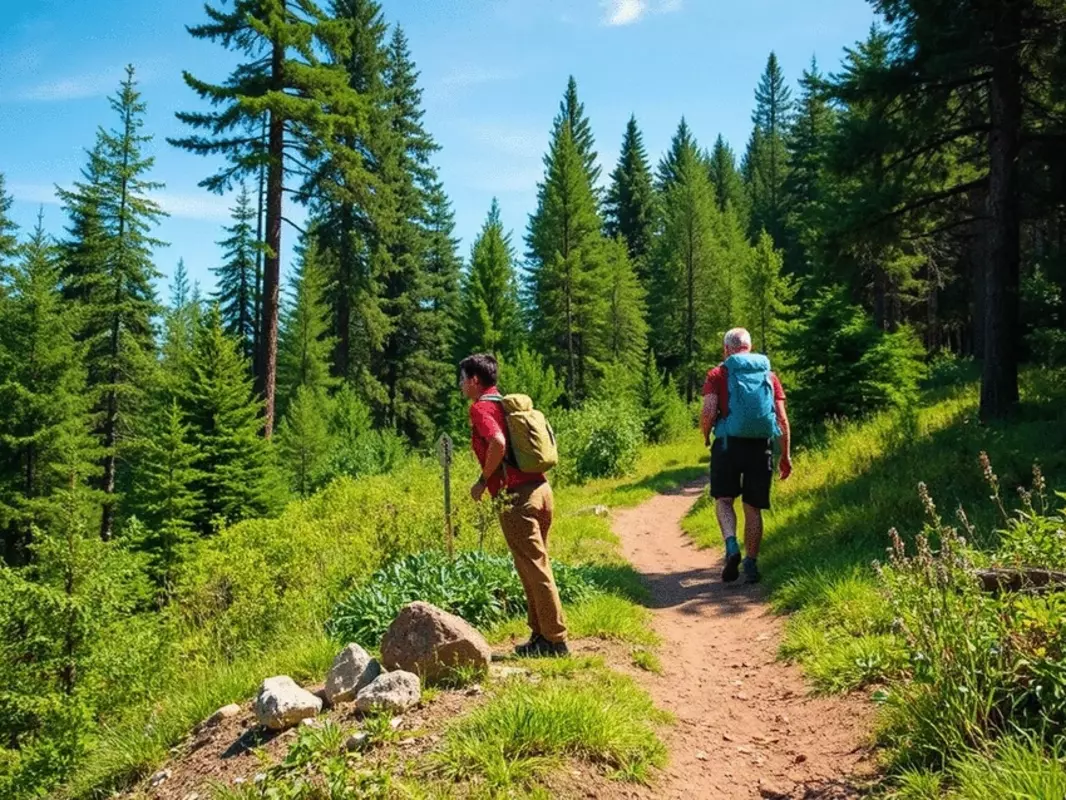
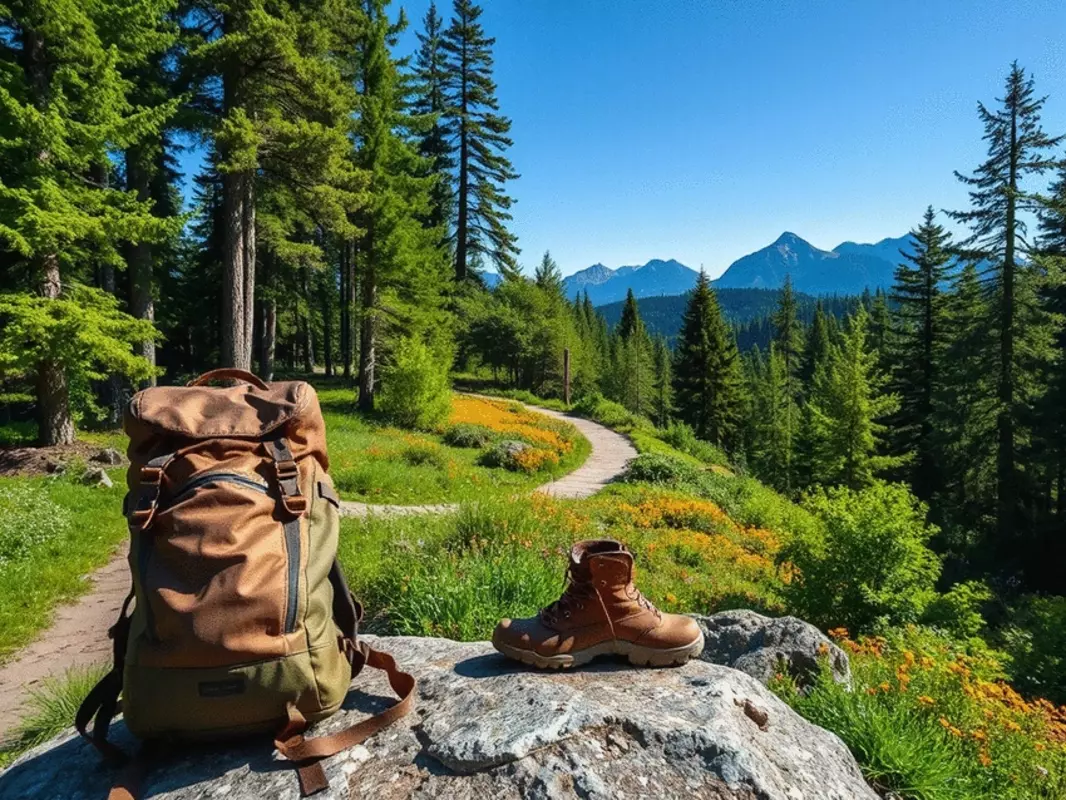
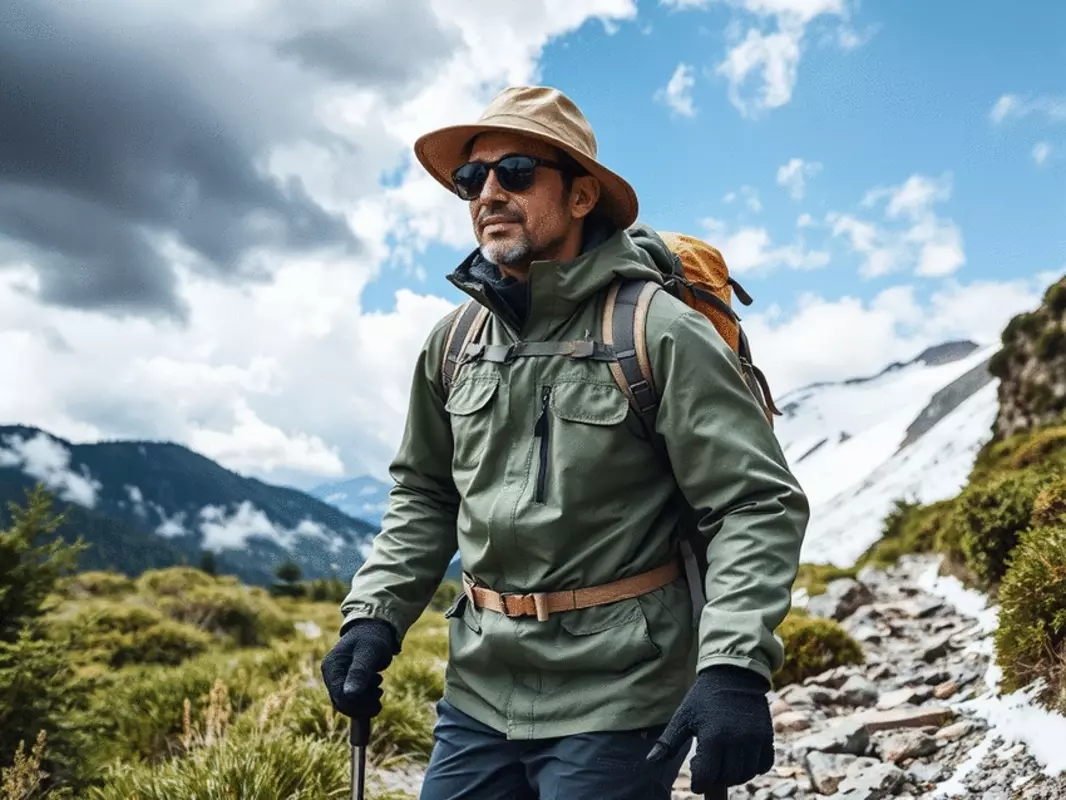
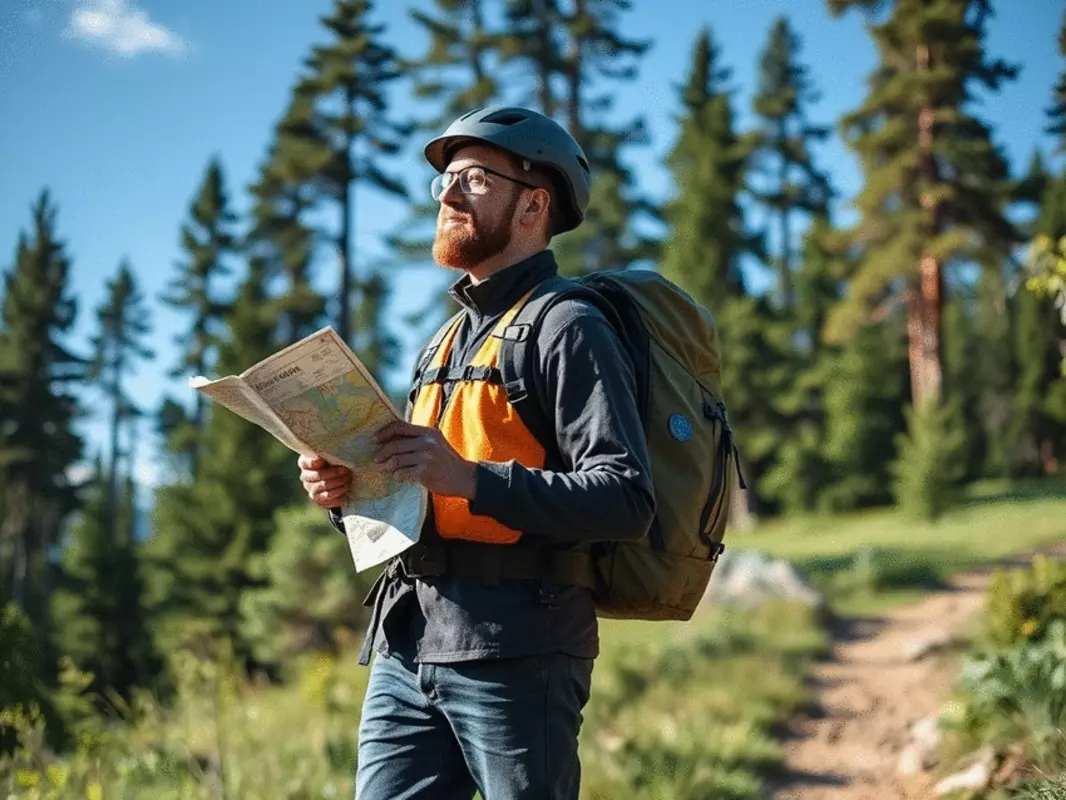
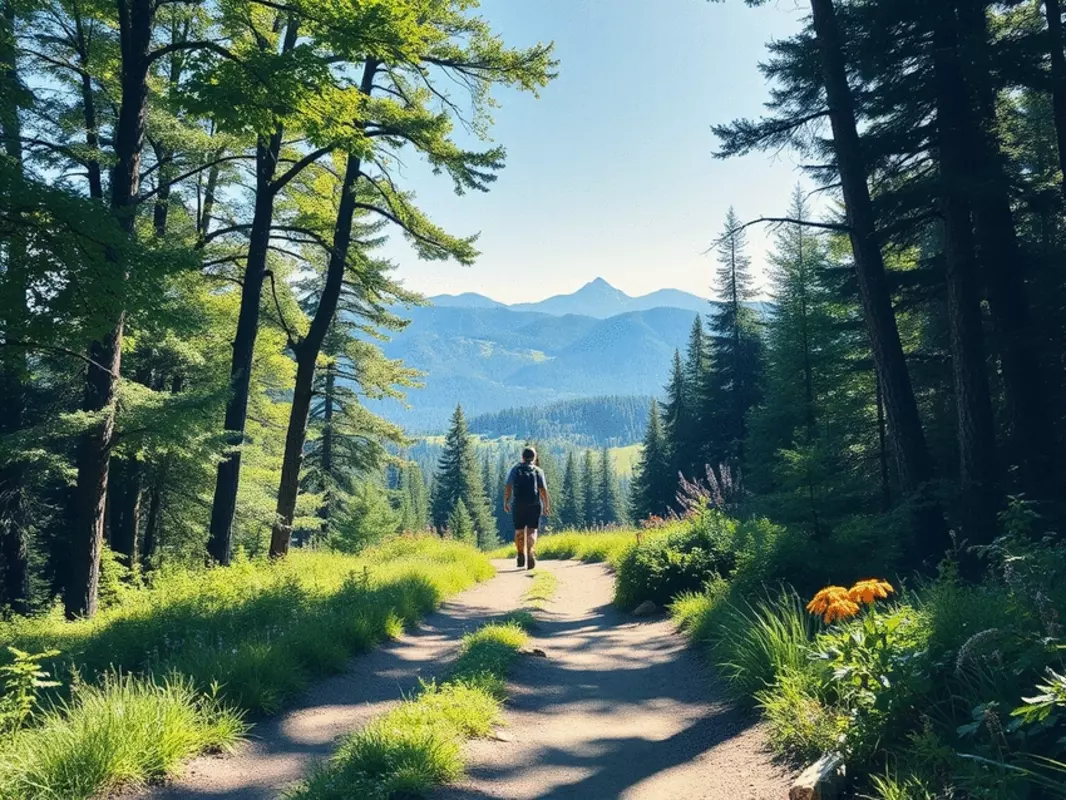
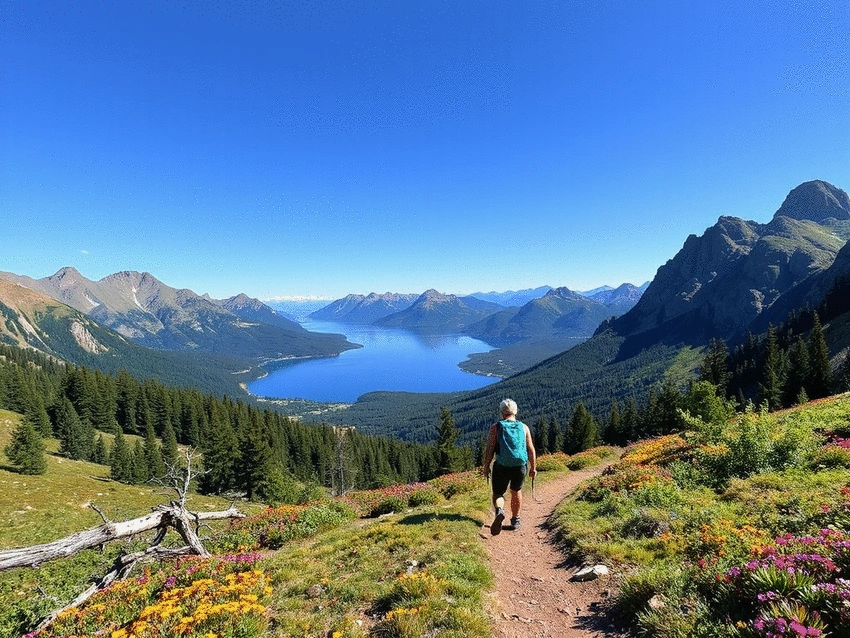
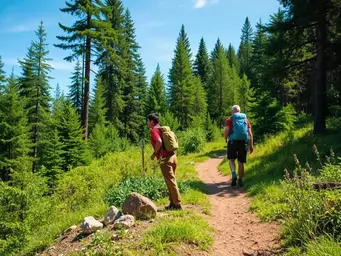
Backpacking through national parks is a thrilling way to connect with nature, and there’s a reason why these stunning destinations are a haven for outdoor enthusiasts like yourself! The combination of breathtaking scenery and unparalleled solitude makes each backpacking trip an unforgettable journey. When I set out on a trail, I often find that the beauty around me ignites a sense of adventure and wonder that keeps me coming back for more.
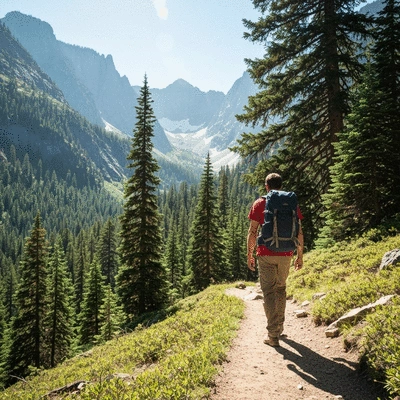
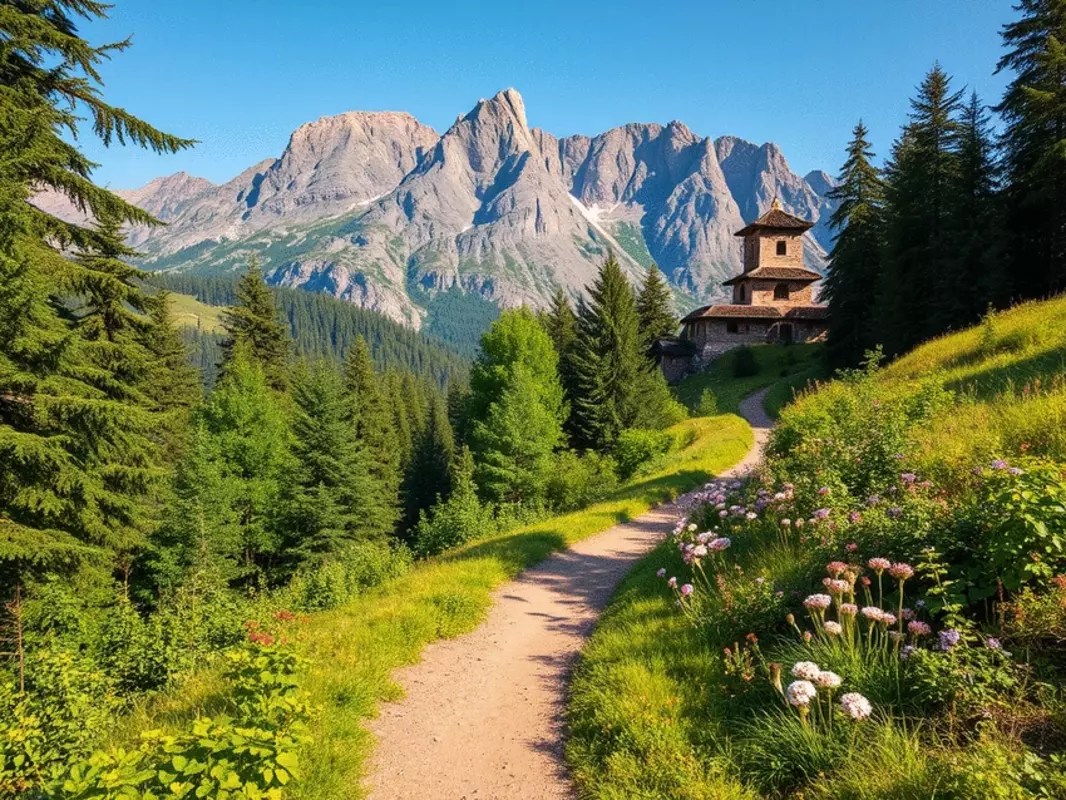
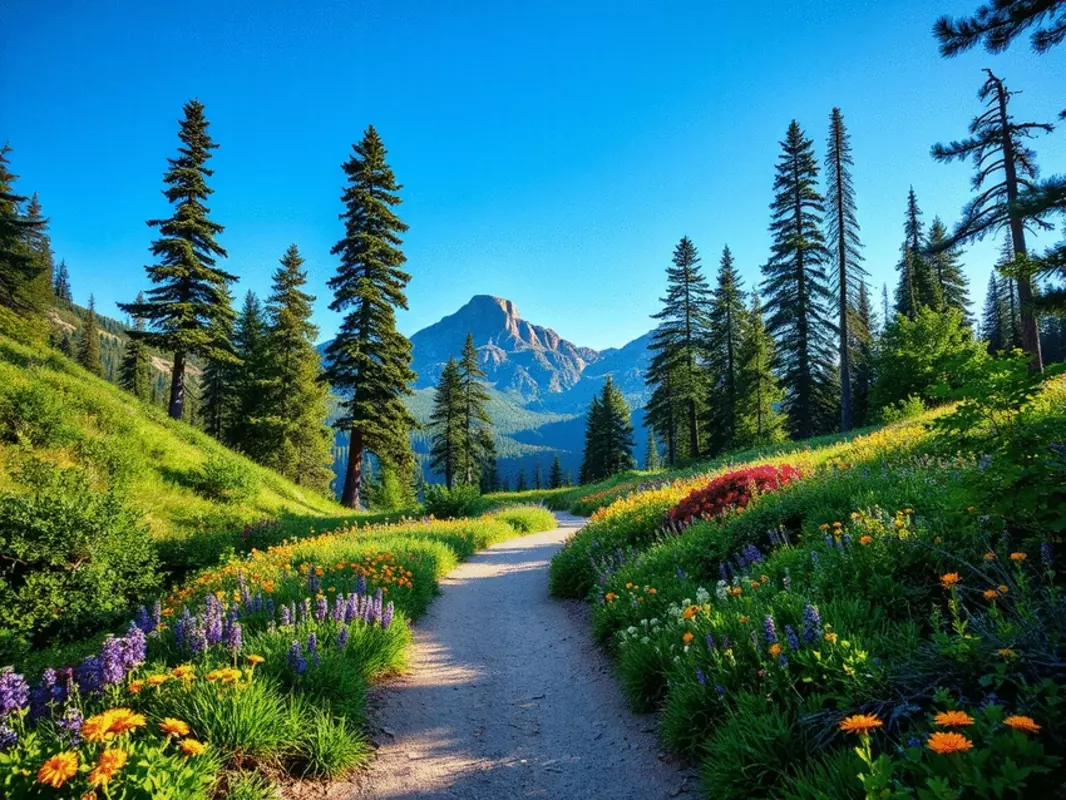
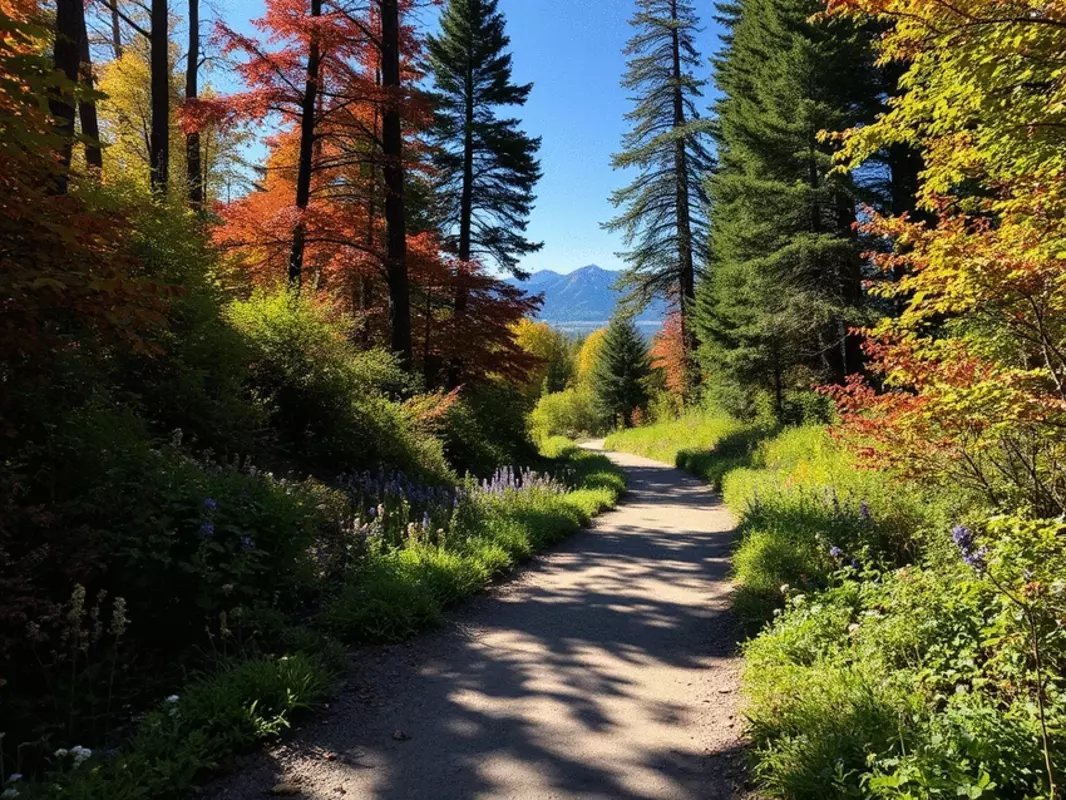
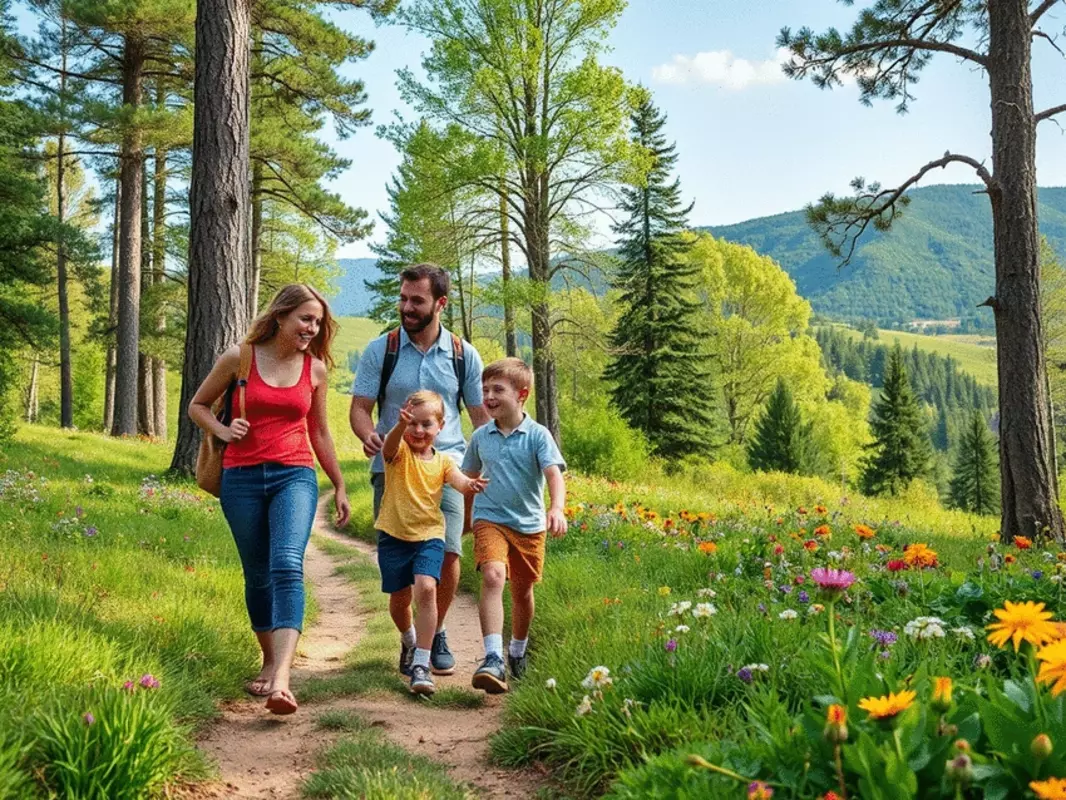
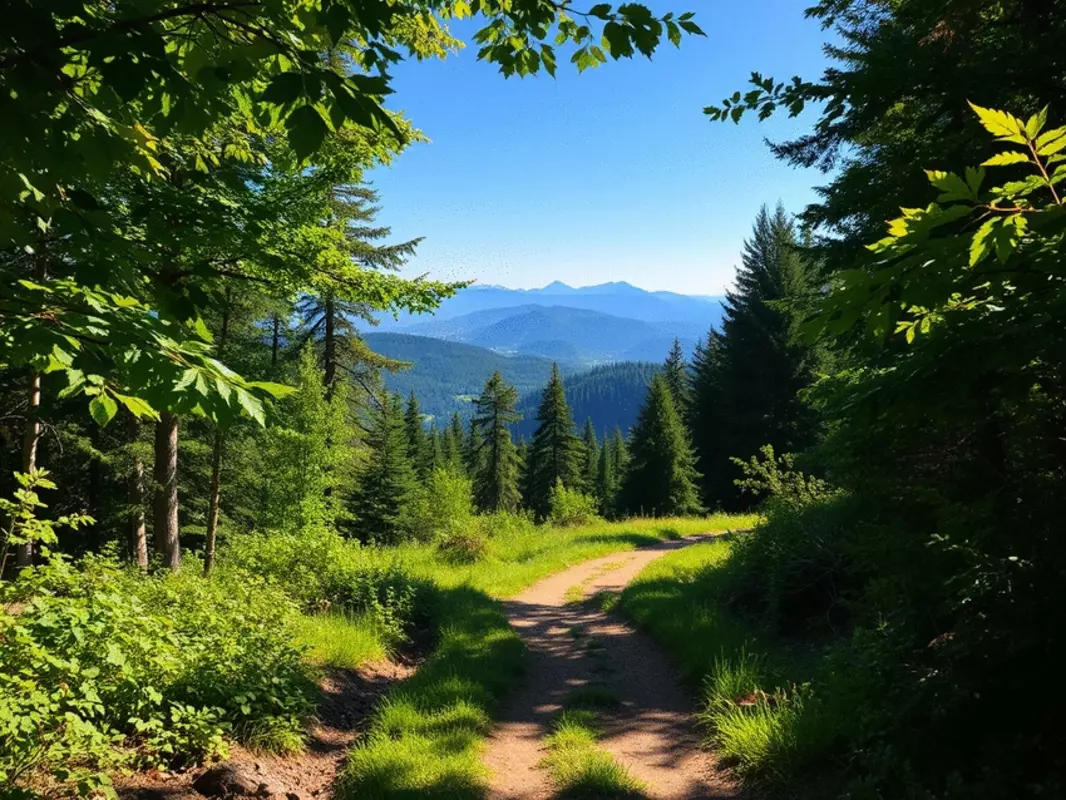
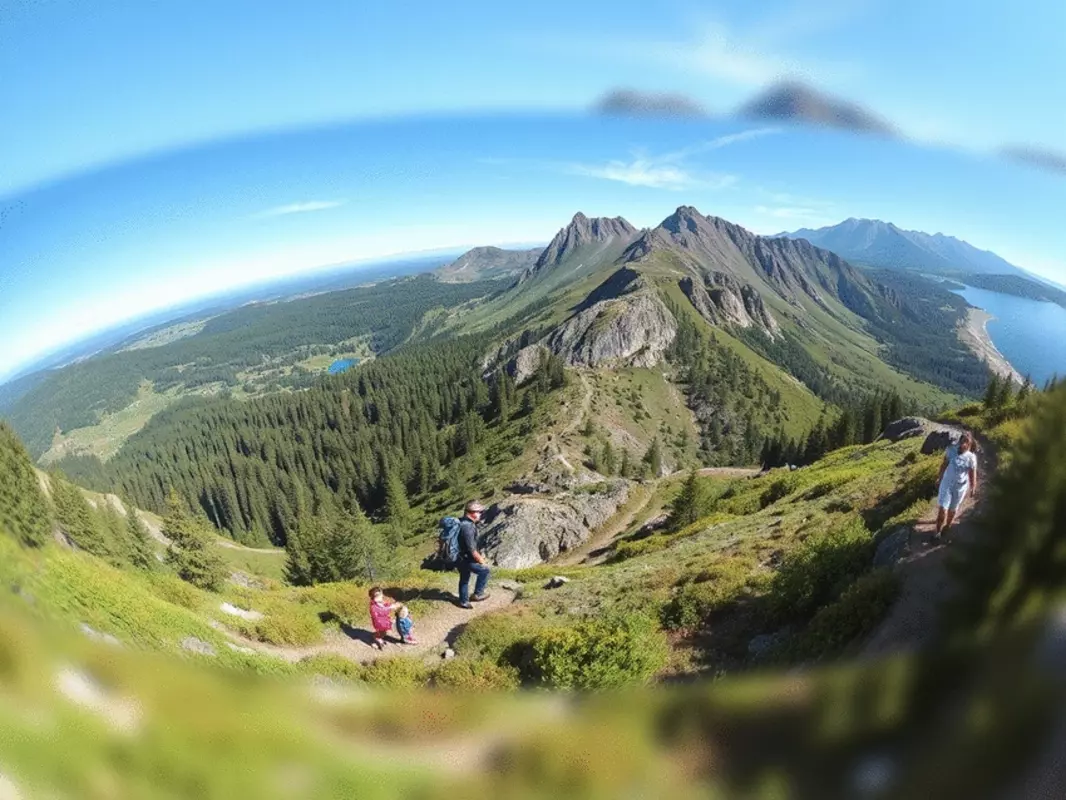
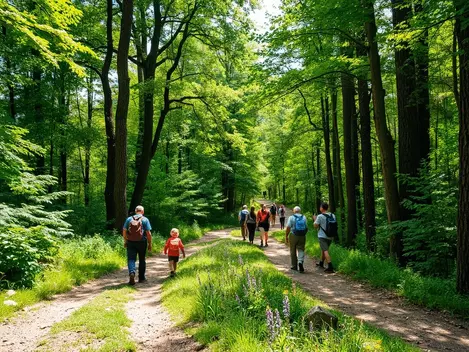
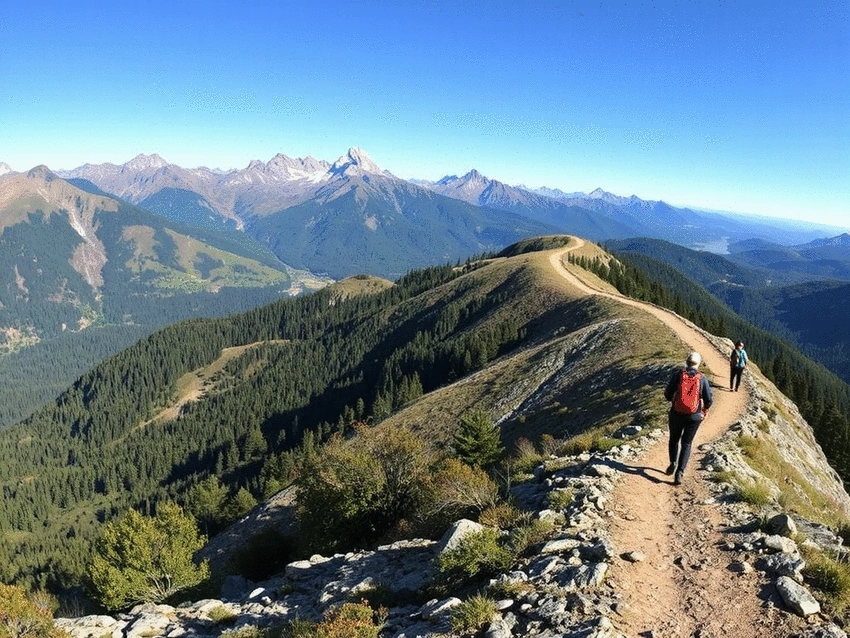
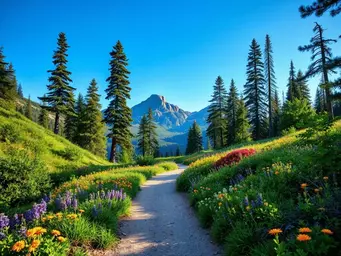
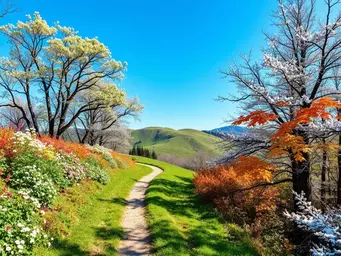
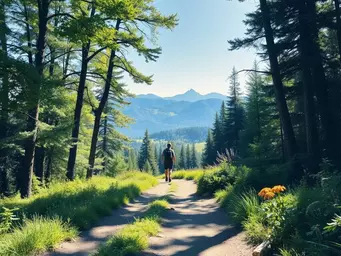
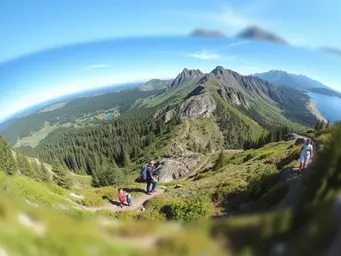
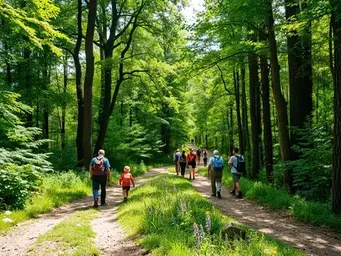
Whether you’re gazing at towering mountains or wandering through serene forests, national parks offer diverse landscapes that nurture our love for the great outdoors. Have you ever paused to listen to the wind rustling through the leaves or watched a sunset paint the sky in vibrant hues? These moments are what backpacking is all about!
Understanding the Appeal of Backpacking in National Parks
- Diverse Landscapes: From majestic mountains to lush valleys, every park has unique features waiting to be explored.
- Isolation and Peace: Many trails lead you away from the hustle and bustle, offering a chance to recharge in nature.
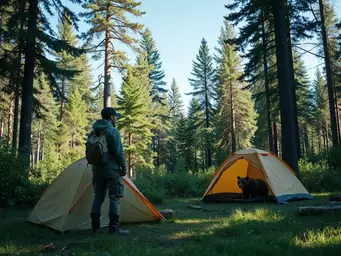
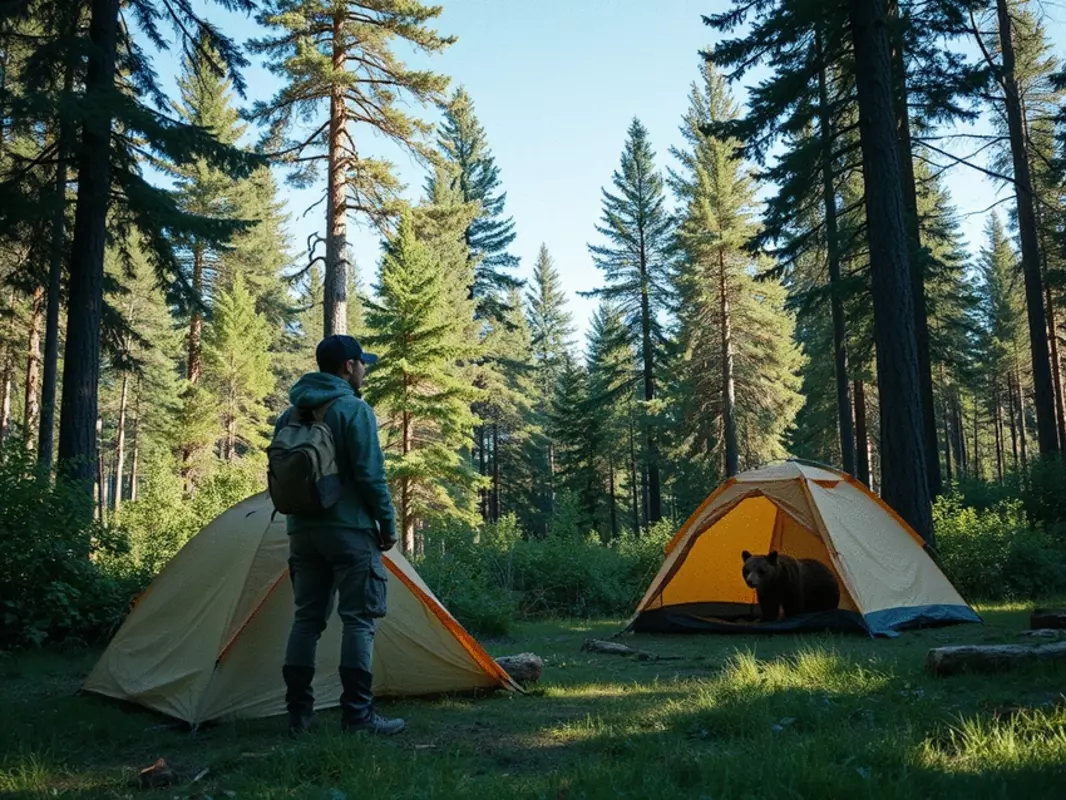
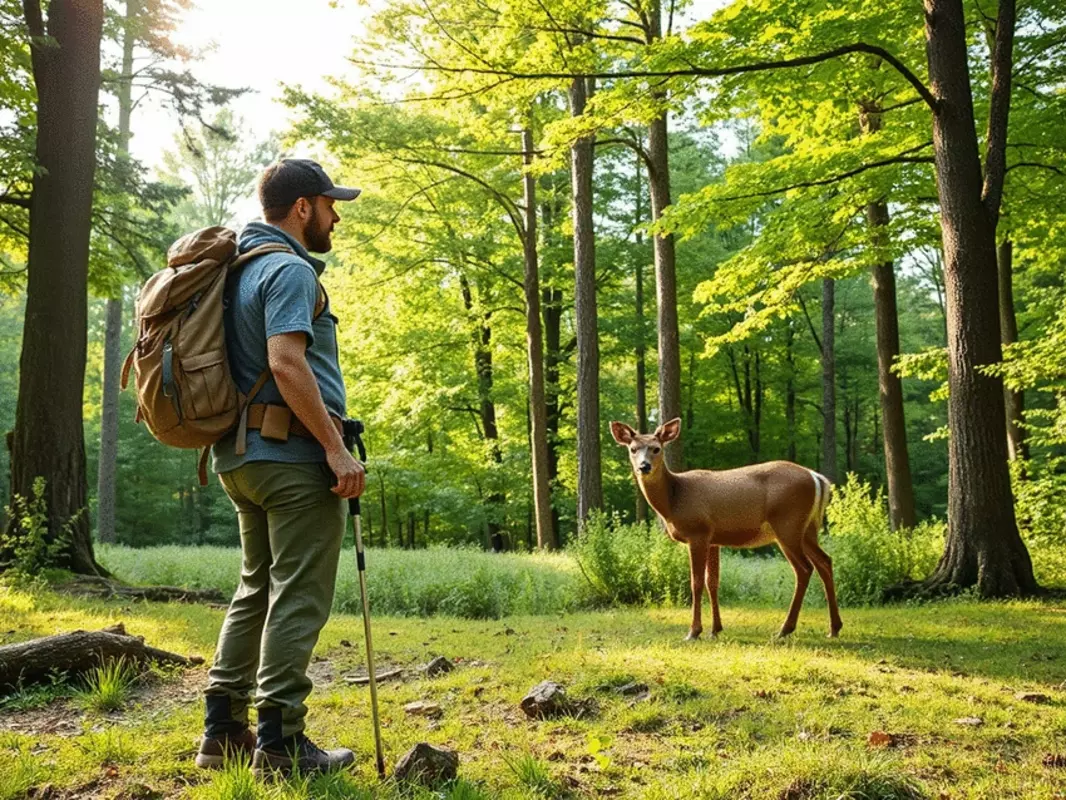
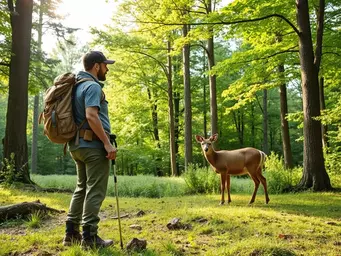
- Wildlife Encounters: You might spot deer, bears, or even eagles, adding excitement to your journey.
These factors contribute to the rich tapestry of experiences available in national parks. Each trail tells a story—one that you can be a part of as you hike, camp, and embrace the wilderness. I often find myself reflecting on how much I learn about myself during these trips, revealing a strength I didn’t know I had. For more detailed information on specific national park trails, you can refer to resources like the National Park Service's guide to Yosemite backpacking trails.
Essential Considerations for Planning Your Backpacking Trip
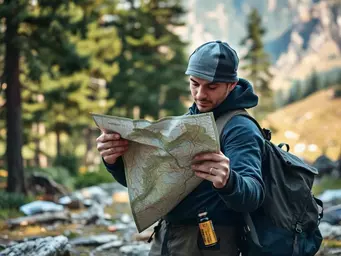
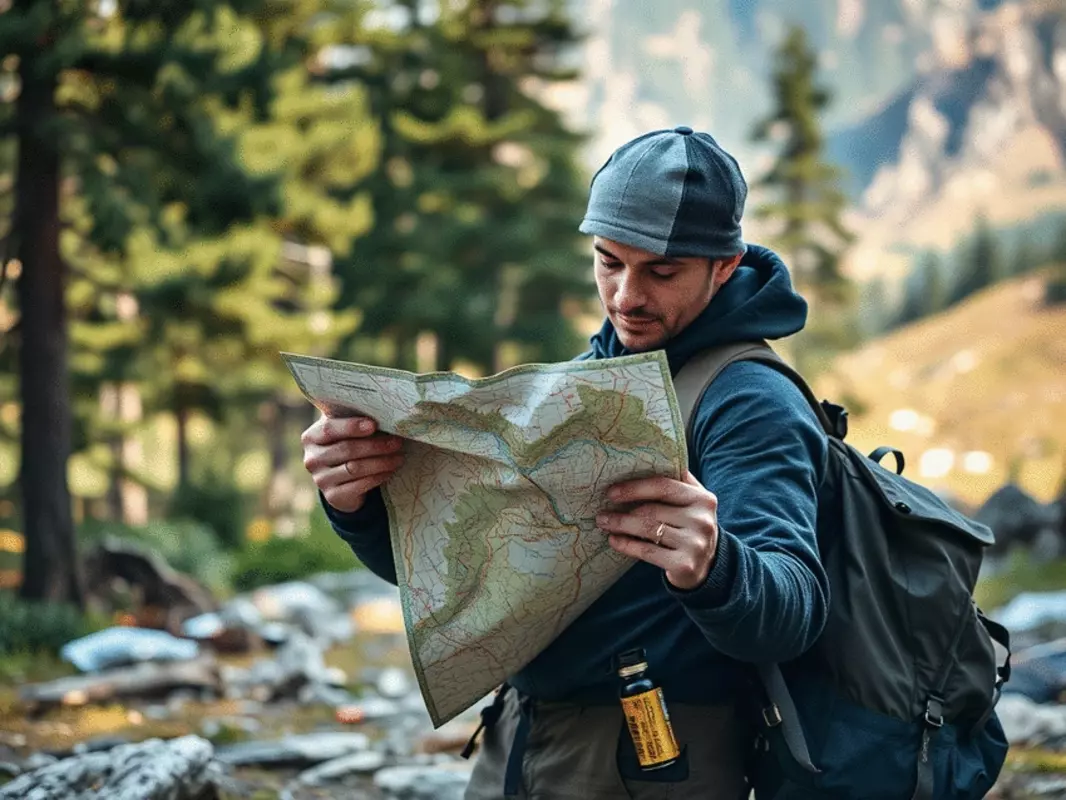
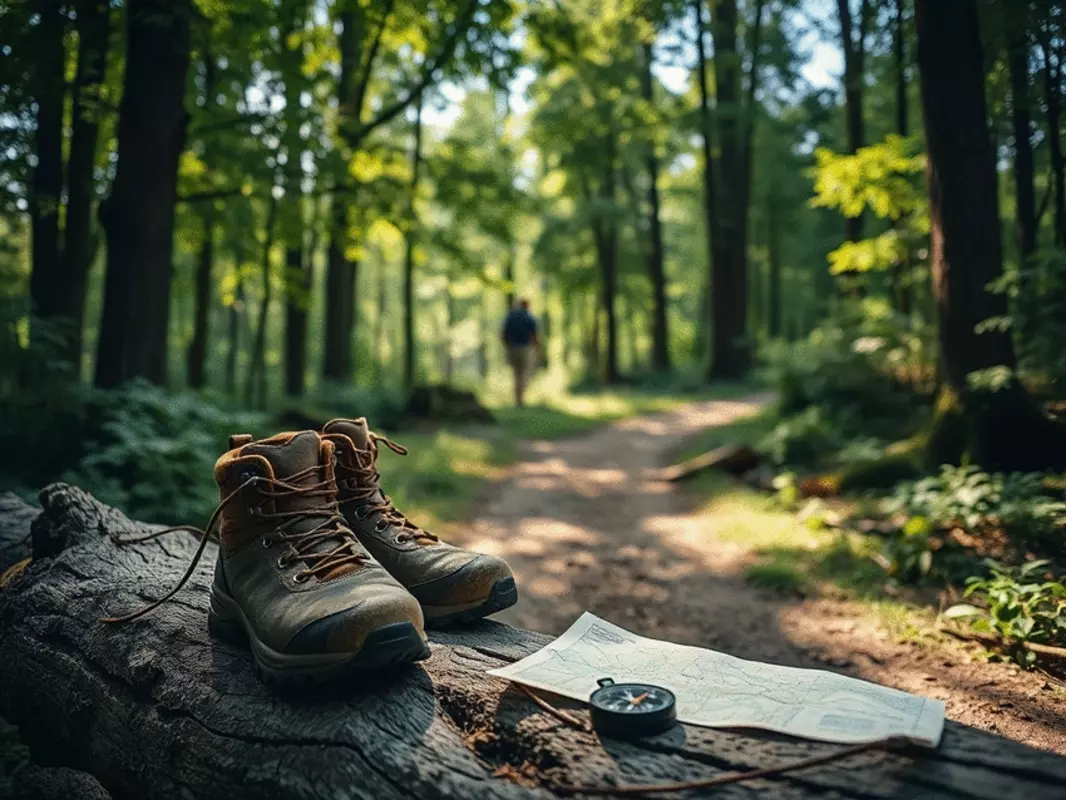
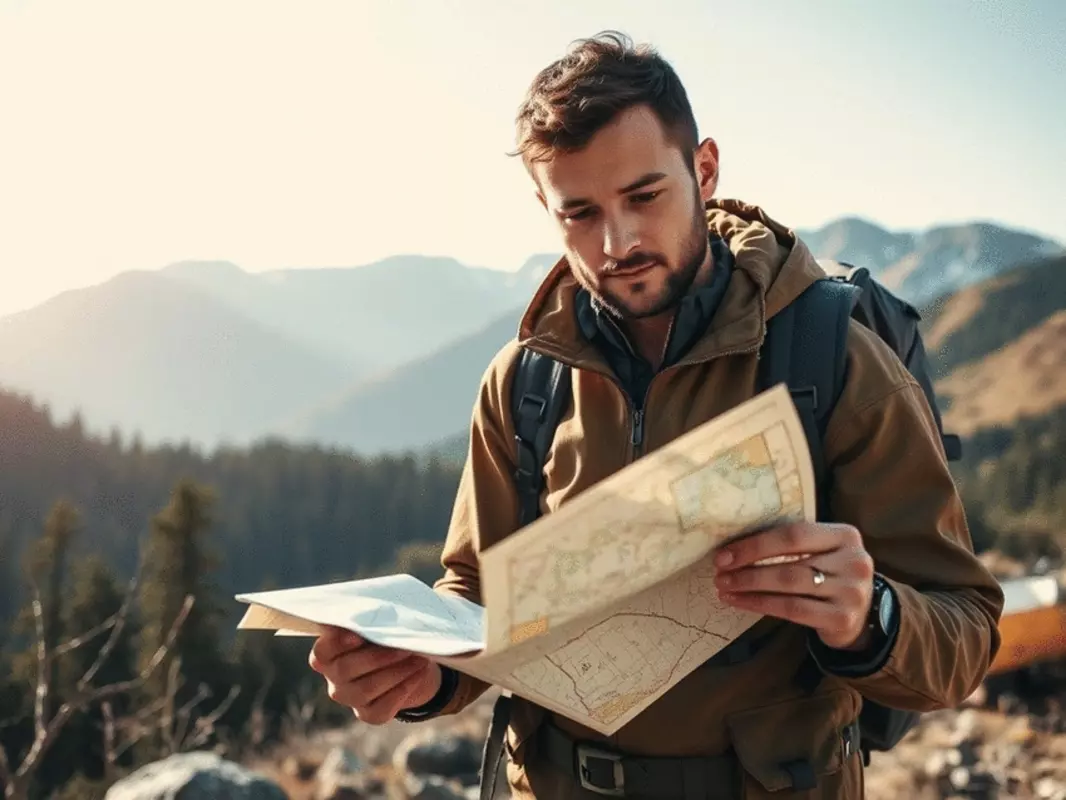
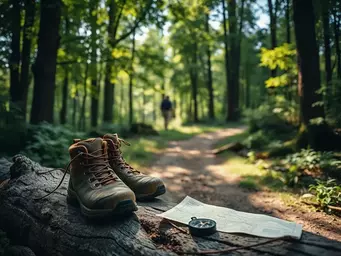
Before you lace up your boots and head out, it’s crucial to consider a few key factors to ensure a successful backpacking trip. By understanding the trail's distance, duration, and difficulty, you can better prepare yourself for what lies ahead. I always remind myself to check these details before embarking on an adventure; it makes all the difference!
- Distance: Determine how far you want to hike each day. This influences your itinerary and the amount of gear you’ll carry.
- Duration: Plan how many days you’ll be backpacking. Factor in rest days to fully enjoy the scenery.
- Trail Difficulty: Assess your skill level and choose trails that match your experience to avoid unnecessary challenges.
Taking these considerations into account will help you create a memorable and safe experience in the great outdoors. After all, every journey should be filled with joy and discovery, not frustration! For comprehensive guidance on planning and safety, check out the National Park Service's backcountry trip planning resources.
Top Scenic Trails to Consider for Your Next Backpacking Journey
1. John Muir Trail: Iconic Views and Journey through Sierra Nevada
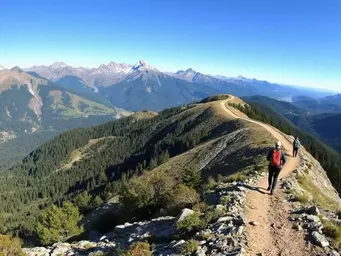
The John Muir Trail stretches roughly 211 miles through the stunning Sierra Nevada, showcasing some of the best scenic views in California. As you hike, you’ll encounter majestic peaks, pristine lakes, and lush valleys that simply take your breath away. I remember my own trek here vividly—the moment I gazed at the towering Half Dome was surreal!
To tackle this trail, it’s essential to secure the necessary permits ahead of time, especially during peak season. Trust me; preparing early can prevent last-minute stress and ensure a smoother journey.
2. Glacier National Park: Trails with Alpine Lakes and Wildlife
Glacier National Park is a treasure trove of stunning landscapes and diverse wildlife. The Highline Trail is a personal favorite of mine, offering incredible views of alpine lakes and rugged mountains. As I hiked, I was fortunate enough to spot a family of mountain goats—an unforgettable experience!
- Be sure to carry bear spray, as wildlife encounters are common.
- Opt for trails that match your fitness level to fully enjoy the beauty around you.
- Visit in late summer for the best weather and wildflower displays.
Whether you’re an experienced backpacker or just starting, there’s something for everyone at Glacier National Park!
3. Grand Canyon Rim-to-Rim: Experience Awe-Inspiring Depths
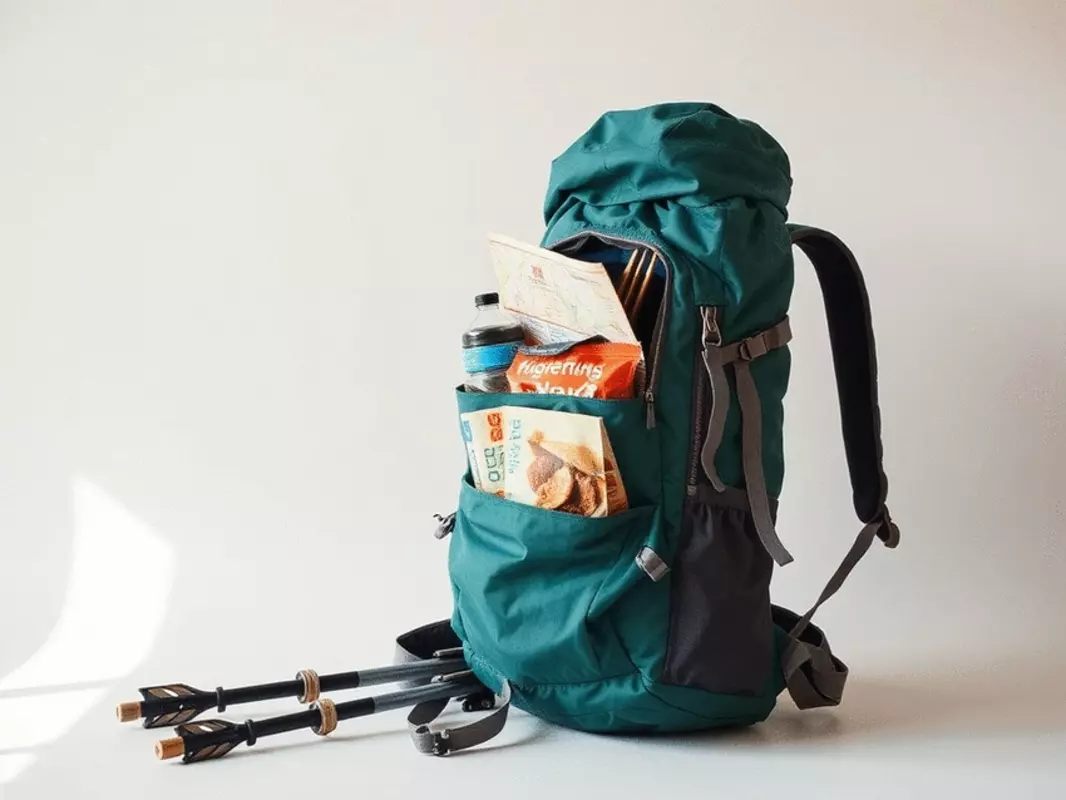
Hiking the Grand Canyon Rim-to-Rim is a challenge that rewards you with the most awe-inspiring views. This multi-day hike takes you from the North Rim to the South Rim, offering a perspective of the canyon that few others can appreciate. It’s essential to be prepared, though! Carry enough water and snacks, and don't forget to layer your clothing for the varying temperatures.
During my own adventure, I was struck by how the colors of the canyon changed throughout the day, a mesmerizing sight. Plus, the camaraderie among fellow hikers adds to the overall experience, making it one of my favorite trails!
4. Cascade Pass Trail: A Window into North Cascades’ Beauty
The Cascade Pass Trail offers breathtaking vistas and diverse ecosystems in Washington State’s North Cascades National Park. It’s a shorter hike but packs a punch when it comes to scenery! I often recommend this trail to friends, as it provides a great introduction to the area’s beauty with options for varying skill levels.
- Keep your camera ready for unparalleled views of jagged peaks and glaciers.
- Watch for wildflowers blooming in the summer months; they add a splash of color to your hike.
- The trail is accessible for day hikes, making it perfect for a quick adventure!
The combination of stunning landscapes and manageable difficulty makes this trail a must for backpackers looking to experience the North Cascades.
5. Bechler River Traverse: Rare Solitude in Yellowstone
For those seeking solitude, the Bechler River Traverse in Yellowstone National Park is a hidden gem. This trail leads you along the scenic Bechler River, offering serene views and a chance to escape the crowds. I cherish the moments spent along this path, soaking in the peaceful surroundings while listening to the gentle rush of the river.
- Plan your trip during the shoulder seasons to avoid the summer crowds and fully embrace the tranquility.
- Be prepared for changing weather conditions; layering is essential!
- Keep an eye out for thermal features, which add unique beauty to the landscape.
The Bechler River Traverse is an incredible way to experience the natural wonders of Yellowstone while enjoying a more quiet and reflective approach to backpacking.
6. Exploring Yosemite National Park: Iconic Trails and Natural Wonders
Yosemite National Park is a paradise for backpackers, boasting iconic trails like the Half Dome and the Mist Trail. My first hike up Half Dome was both exhilarating and challenging, but the views from the top are worth every ounce of effort! As you stand at the summit, it truly feels like you can see forever.
- Make sure to secure your permits early, especially for Half Dome.
- Consider hiring a guide if you’re new to the area; they can offer invaluable insights.
- Don't forget your camera—a stunning vista awaits at every turn!
Yosemite's majestic cliffs and cascading waterfalls create a backdrop that every backpacker should experience at least once.
7. Discovering Zion National Park: Trails That Showcase Unique Landscapes
Zion National Park is known for its stunning red rock formations and diverse trails. Hiking Angels Landing is a bucket-list experience for many. I remember the thrill of reaching the top and looking down at the valley below—absolutely breathtaking! However, this trail is not for the faint of heart; be sure to take safety precautions.
- Assess your hiking skills honestly before attempting Angels Landing.
- Consider visiting during weekdays to avoid the crowds.
- Stay hydrated and pace yourself on this rigorous route.
With its dramatic landscapes, Zion offers unique trail experiences that every hiker should explore.
8. Rocky Mountain National Park: High-Altitude Trails and Scenic Views
If you’re ready for stunning mountain views, look no further than Rocky Mountain National Park. Trails like Longs Peak can be challenging but provide some of the most beautiful vistas you can imagine. I felt a great sense of accomplishment when I reached the summit, surrounded by Colorado’s breathtaking scenery!
- Prepare for altitude sickness; be sure to acclimatize before your hike.
- Bring layers, as temperatures can change rapidly.
- Check the weather forecast to ensure safe hiking conditions.
Rocky Mountain National Park is home to some of the most stunning high-altitude trails, perfect for those seeking both challenge and beauty.
Pro Tip
Before setting out on your next backpacking adventure, consider creating a detailed itinerary that includes not only your daily hiking routes but also potential rest stops and alternative trails. This preparation can enhance your experience by allowing for spontaneous exploration without the stress of getting lost or running out of time. For more general information on backcountry camping, refer to the National Park Service's backcountry camping guidelines.
Frequently Asked Questions About Backpacking in National Parks
- What are the key factors to consider when planning a backpacking trip?
- Essential factors include assessing the trail's distance, duration, and difficulty level to match your fitness and experience. Always plan your itinerary carefully.
- Which national parks are recommended for diverse landscapes and unique wildlife encounters?
- National parks like Glacier National Park offer alpine lakes and varied wildlife, while Yellowstone National Park provides solitude and unique thermal features. Yosemite and Zion also boast iconic, diverse landscapes.
- What are some of the most iconic or challenging trails mentioned in the article?
- The John Muir Trail, Grand Canyon Rim-to-Rim, Half Dome in Yosemite, and Angels Landing in Zion are highlighted as iconic or very strenuous trails, each offering unique challenges and rewards.
- What safety precautions should I take when backpacking, especially regarding wildlife?
- Always carry bear spray in areas with active wildlife, stay hydrated, layer clothing for changing weather, and check forecasts. For challenging trails like Angels Landing, assess your skills honestly.
- How can I connect with other outdoor enthusiasts and find useful planning tools?
- Utilize online tools like AllTrails, Outdooractive, and Backcountry Navigator for mapping. Engage with Facebook groups, subreddits like r/hiking, and local outdoor stores to connect with fellow hikers and share experiences.
Embrace the Adventure: Your Next Steps in Backpacking
As I reflect on my own hiking experiences, I encourage you to take a moment to consider what you seek in your next backpacking adventure. Are you drawn to the peace of the wilderness, the thrill of conquering new trails, or perhaps the joy of sharing these moments with loved ones? Whatever your motivation, understanding your goals will help you choose the perfect trail for your journey.
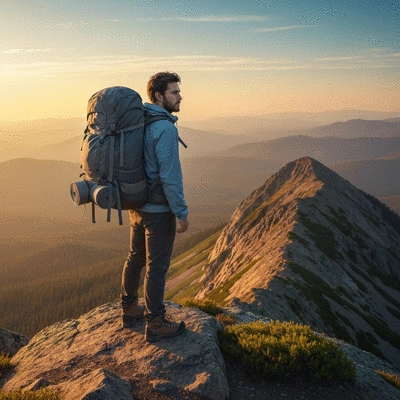
Take some time to think about the types of scenery that inspire you—do you prefer towering peaks, serene lakes, or lush forests? Each trail offers its own unique blend of beauty and challenge. Embrace the adventure by aligning your backpacking goals with your trail preferences!
Final Thoughts on Choosing Your Ideal Trail
- Reflect on your hiking experience level and comfort with various terrains.
- Consider the time you can dedicate to your adventure—how many days do you want to spend on the trail?
- Identify the key sights you want to see and the type of wildlife you wish to encounter.
- Think about whether you’re going solo or with a group, as this can impact your choice of trail.
Gathering this information not only aids in selecting the right trail but also shapes your overall experience. After all, each hike tells a different story, and it begins with your choice!
Join the Community: Share Your Backpacking Stories
I believe that sharing our adventures helps us to connect and grow as a community of outdoor enthusiasts! At Backpack Hiking, we cherish your insights and personal experiences. Whether it’s a favorite trail, a gear recommendation, or a memorable encounter with wildlife, your stories can inspire others to embark on their own journeys.
So, join the conversation! Share your tales and tips in the comments or connect with fellow hikers on our social media platforms. The more we share, the richer our community becomes!
Resources for Further Exploration and Planning
Useful Tools for Trail Mapping and Preparation
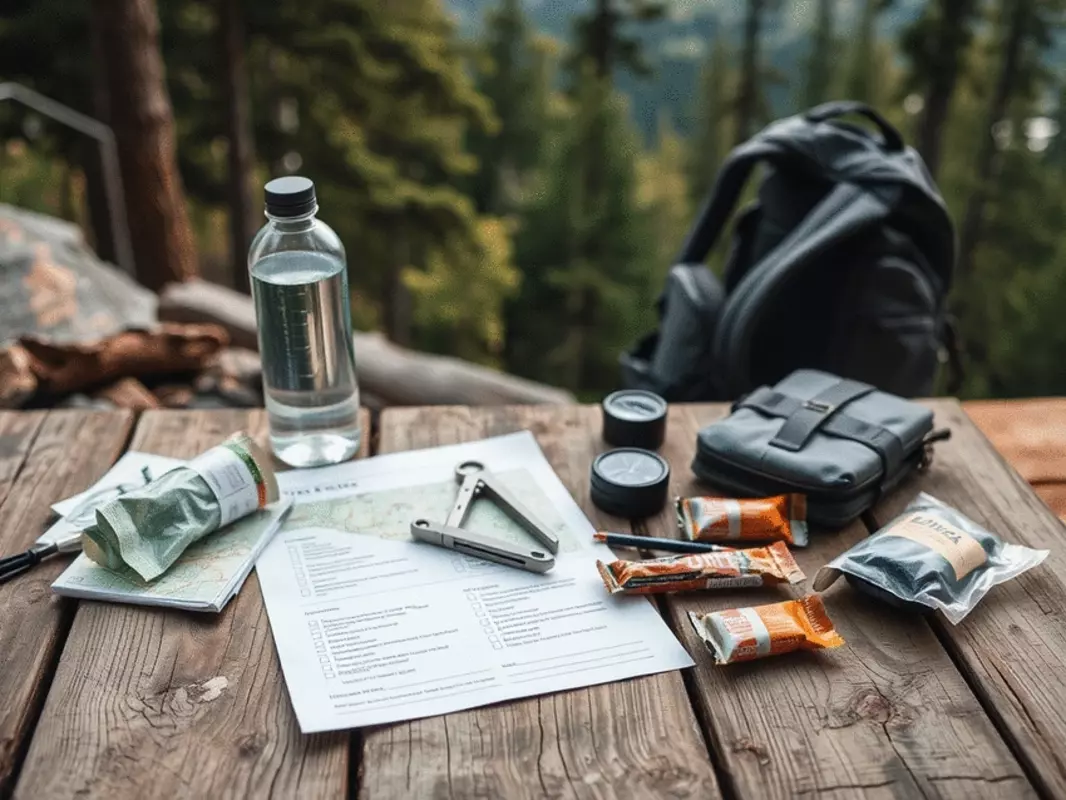
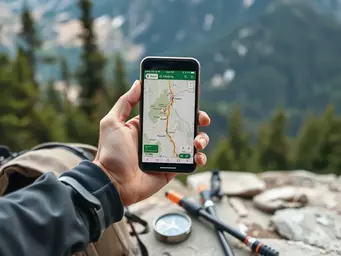
As you plan your next backpacking trip, utilizing the right resources can make all the difference. Here are some valuable online tools that I’ve found helpful in my adventures:
- AllTrails: A fantastic app for discovering trails and reading reviews from other hikers.
- Outdooractive: Offers trail maps, GPX downloads, and detailed information about various routes.
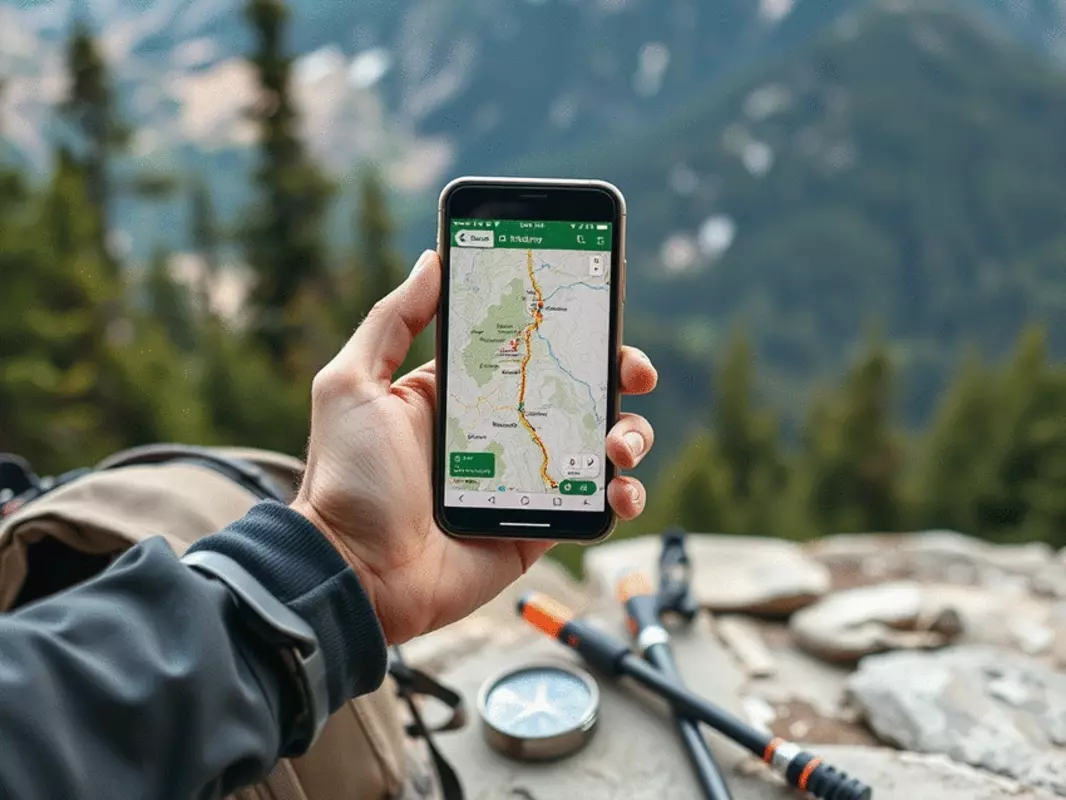
- Backcountry Navigator: A great tool for offline maps and navigation.
- REI Co-op: They provide helpful packing lists and gear reviews to ensure you’re prepared.
These tools can assist you in mapping out your journey, ensuring you have everything needed for an enjoyable experience in the great outdoors!
Connect with Fellow Enthusiasts and Trail Experts
Engaging with others who share your passion for hiking can elevate your planning experience! I encourage you to check out online forums, social media groups, and blogs dedicated to backpacking. Here are a few places to start:
- Facebook Groups: Join groups focused on hiking and backpacking in your region.
- Reddit: Subreddits like r/hiking and r/backpacking offer a wealth of advice and shared experiences.
- Local Outdoor Stores: Often host meetups or workshops where you can connect with fellow adventurers.
Connecting with fellow hikers not only provides you with information but also fosters friendships that can enhance your outdoor adventures. Let’s grow together in this wonderful journey of exploration!
Recap of Key Points
Here is a quick recap of the important points discussed in the article:
- Diverse Landscapes: National parks offer a variety of stunning sceneries, from mountains to forests, ideal for backpacking.
- Essential Planning: Consider trail distance, duration, and difficulty to ensure a safe and enjoyable experience.
- Top Trails: Highlighted trails include the John Muir Trail, Glacier National Park, and the Grand Canyon Rim-to-Rim, each offering unique experiences.
- Wildlife Encounters: Be prepared for potential wildlife sightings and always prioritize safety.
- Community Connection: Engage with fellow hikers and share experiences to enhance your backpacking adventures.