Backcountry Survival: A Simple Guide
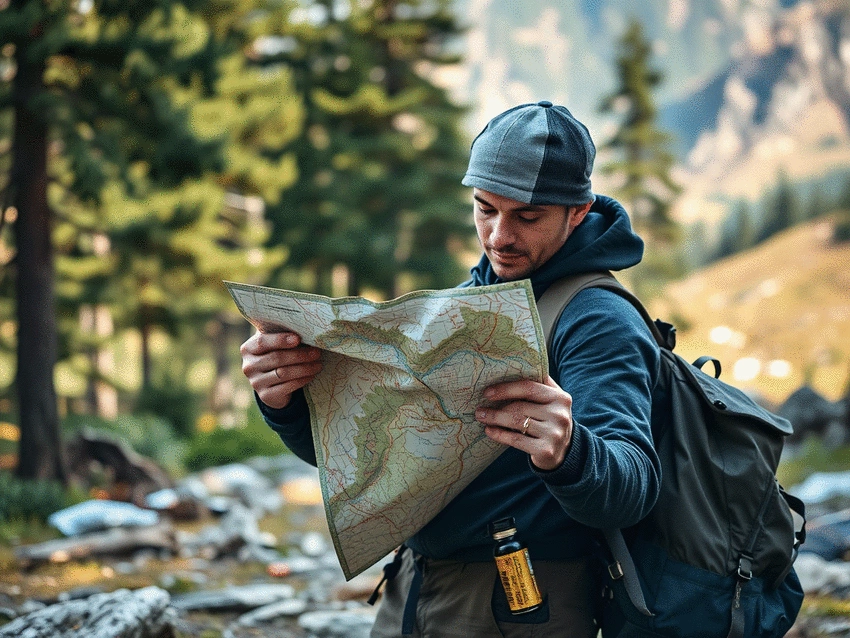
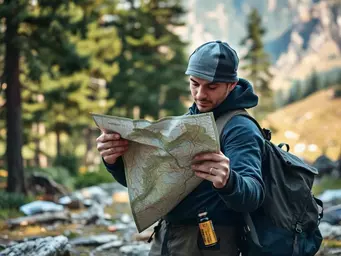
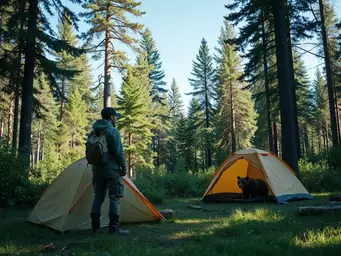
What if your GPS fails while hiking and you find yourself lost in the wilderness? The importance of mental preparation and survival strategies becomes paramount in such situations. Here are key lessons that can enhance your outdoor adventures.
What You Will Learn
- Mental preparedness is as crucial as physical gear; visualize potential scenarios to improve your response to unexpected challenges.
- In a crisis, focus on manageable tasks and set small goals to maintain your motivation and composure.
- Debunking myths about wilderness survival, such as relying solely on technology, can significantly safeguard your well-being.
- Knowing immediate steps to take when lost, like assessing your situation and checking your supplies, can restore calm and clarity.
- Effective signaling techniques, such as using a whistle or creating large symbols, can be life-saving when communication is not possible.
Immediate Steps When Lost: A Quick Guide
When lost in the wilderness, maintaining calm and taking methodical steps are crucial for safety. The following guide outlines immediate actions to take, focusing on assessment, communication, and signaling for help.
Assessing Your Situation
- ✓ Take a deep breath to calm your nerves.
- ✓ Look for identifiable landmarks.
- ✓ Check your supplies and equipment.
Calling for Help
- ☎ Provide clear info about your location.
- ☎ Remain calm and follow instructions.
- ☎ Keep phone charged for updates.
Signaling for Help
- ✆ Use a whistle; it's loud and carries far.
- ✆ Create large ground symbols.
- ✆ Make reflective signals.
Understanding Backcountry Survival: Key Principles and Mindset
When venturing into the wilderness, understanding the principles of backcountry survival is crucial. It’s not just about the gear you carry; it's also about the mindset you bring. I’ve seen many hikers overlook the psychological aspects of being lost, but maintaining mental clarity can significantly impact your survival chances.
Being lost can evoke panic and fear, but recognizing these feelings is the first step toward managing them. I always remind myself that keeping a calm mind is just as essential as having the right equipment. This is where mental preparation comes into play, preparing you for the unexpected moments that can arise in the wild.
Recognizing the Importance of Mental Preparation
Before setting out on any adventure, I emphasize the importance of mental preparedness. A well-prepared mind can adapt to unexpected situations and make wise decisions under pressure. This means familiarizing yourself with potential challenges and having a mental plan for how to handle them.
- Visualize potential scenarios you might encounter.
- Practice deep-breathing techniques to center yourself when anxious.
- Engage in mindfulness exercises to enhance focus and clarity.
These strategies can help you stay composed when facing difficulties in the backcountry. I often reflect on my own hiking experiences, where a clear mind made a significant difference during uncertain moments. For more insights on preparedness, the U.S. Forest Service offers valuable advice on what to do if you get lost.
Survival Psychology: Maintaining Focus in Crisis Situations
The ability to maintain focus during a crisis is a vital component of survival psychology. In many situations, the difference between coming out safely and facing dire consequences lies in your mental resilience. When I find myself in challenging circumstances, I prioritize staying composed and methodical rather than succumbing to panic.
- Break down tasks into smaller, manageable steps.
- Set small, achievable goals to maintain motivation.
- Use positive self-talk to encourage perseverance.
By focusing on what I can control, I have learned to take challenges one step at a time. This approach not only helps in survival situations but also enriches the overall hiking experience.
Common Misconceptions About Wilderness Survival
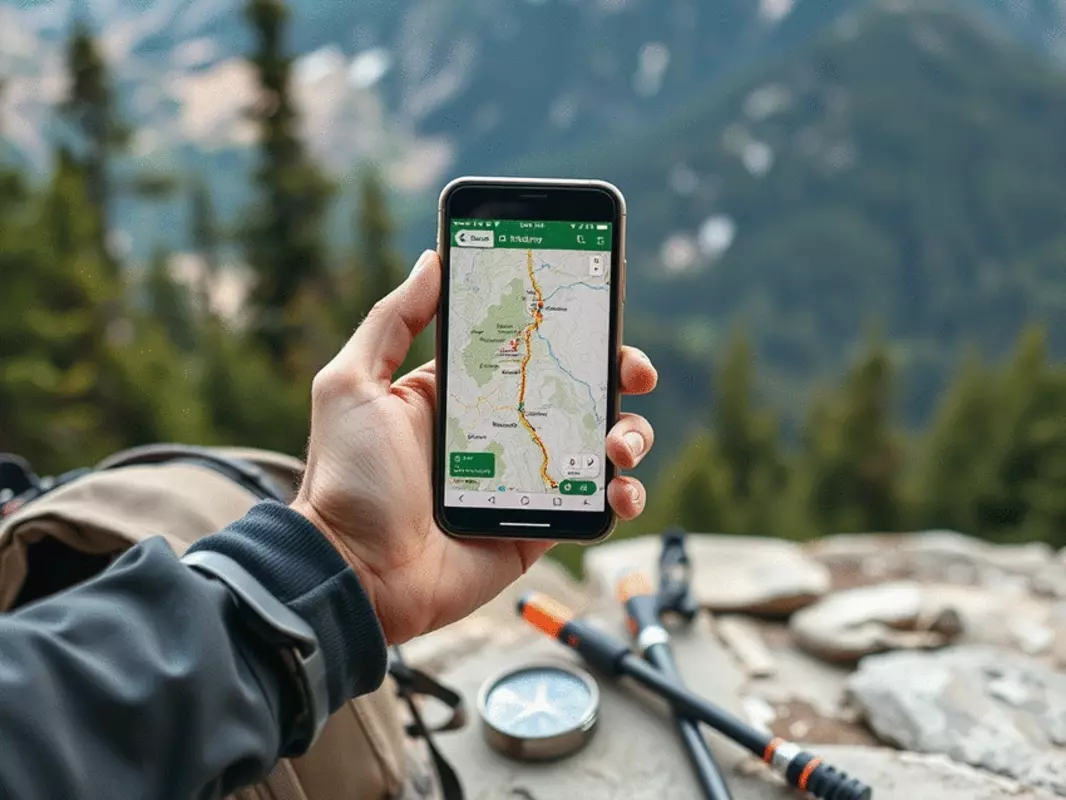
Many misconceptions can hinder your survival skills if you believe them. For example, the idea that you can always rely on technology, like GPS, is misleading. What happens if your device fails? Let's debunk a few common myths:
- Myth: You can always find your way back if you have a smartphone.
- Myth: Any water source is safe to drink.
- Myth: Fire is only for warmth; it has no other uses.
Understanding the reality behind these myths is crucial for your safety. I often find that educating myself about survival truths has empowered me to make better decisions in the wild, ultimately enhancing my adventures.
Immediate Steps to Take When You Realize You Are Lost
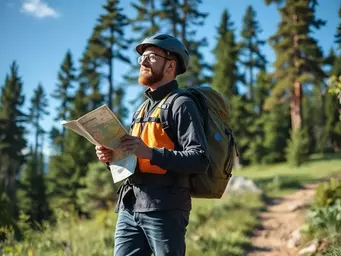
Finding yourself lost in the wilderness can be disorienting, but knowing the immediate steps to take can help you regain your bearings. First and foremost, stay calm. Panicking will cloud your judgment and make the situation worse.
Here’s a quick guide on what to do when you realize you're lost:
First Actions: Assessing Your Situation
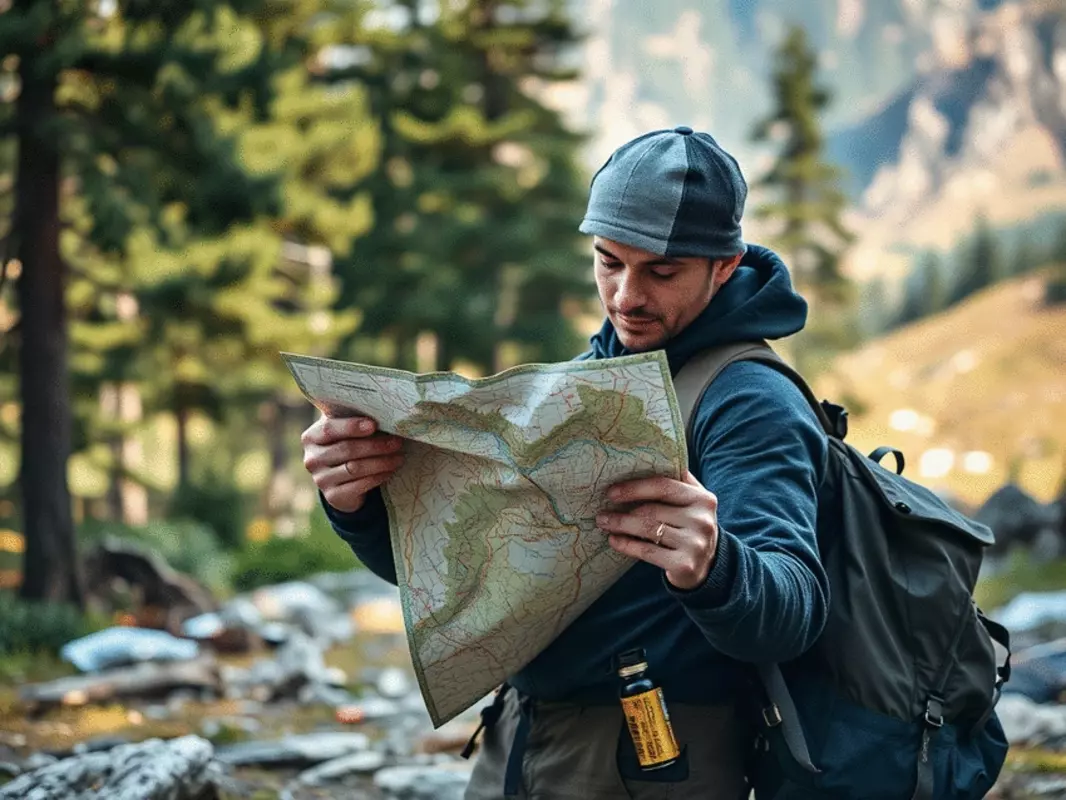
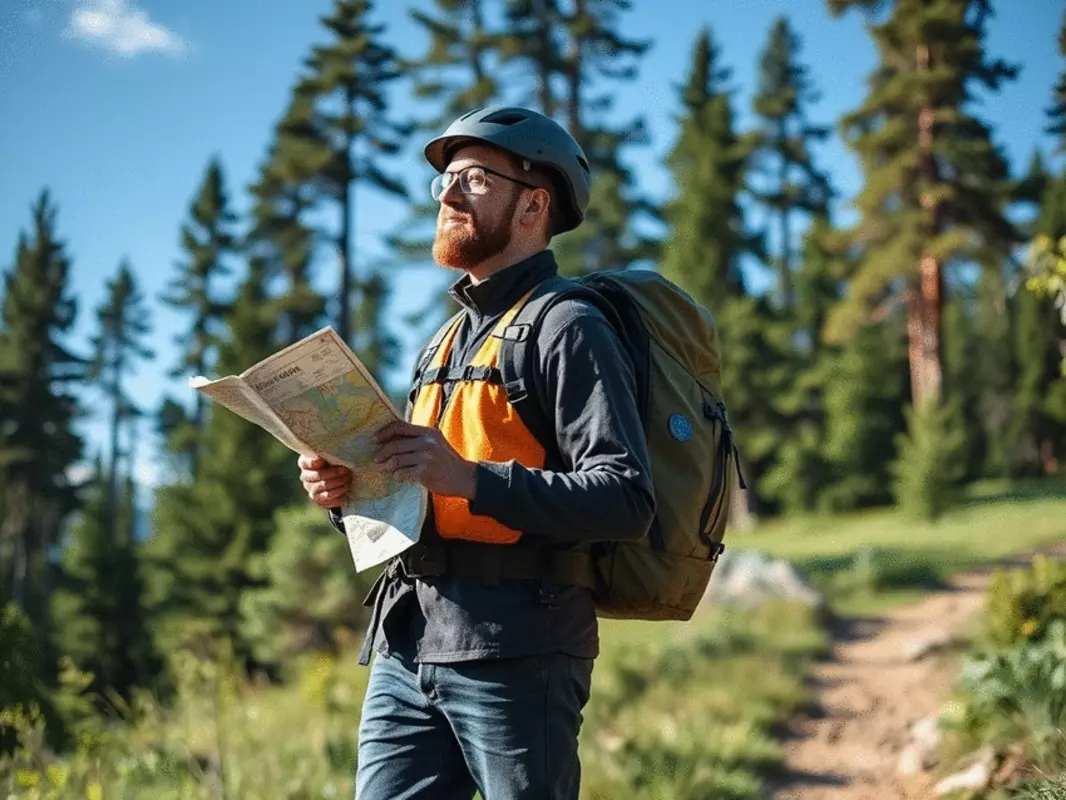
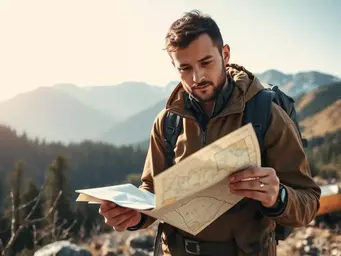
It’s essential to take a moment to evaluate your surroundings and your psychological state. Ask yourself questions like, "When did I last know my location?" This self-assessment can give you insights into your next steps.
- Take a deep breath to calm your nerves.
- Look for identifiable landmarks.
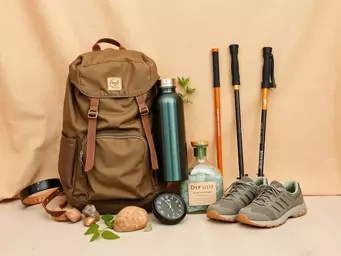
- Check your supplies and equipment.
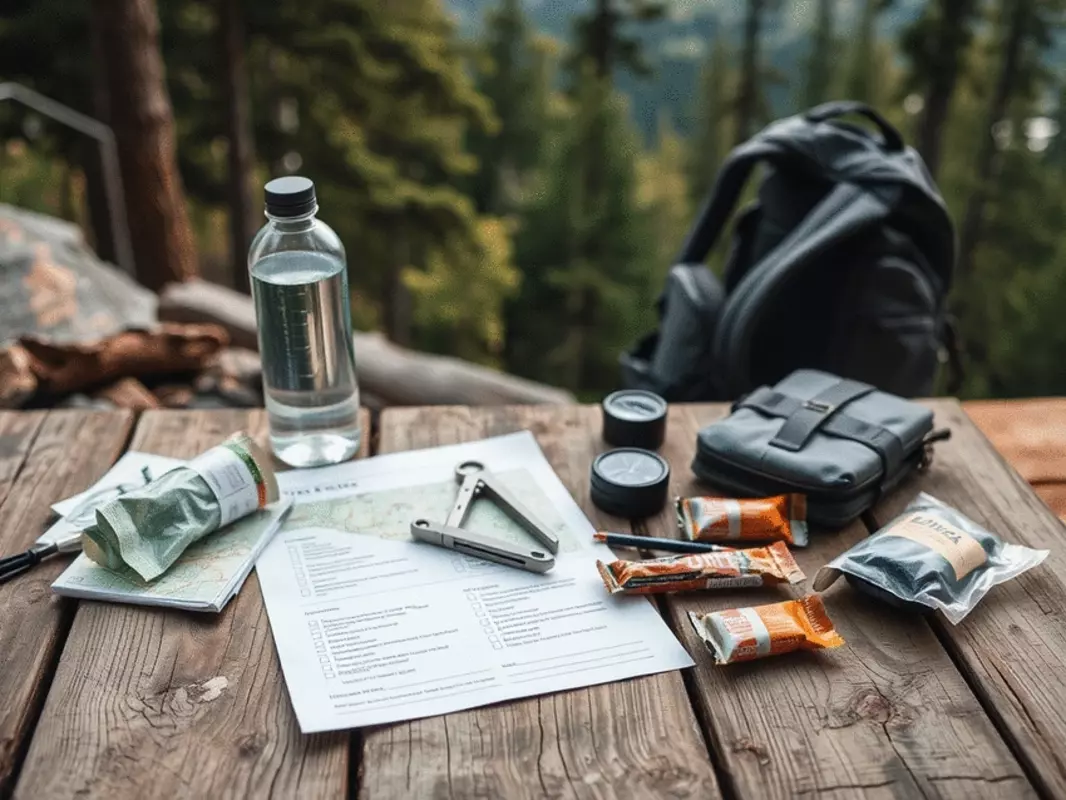
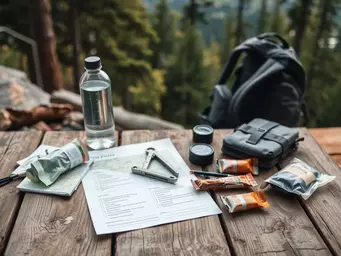
In my experience, this initial assessment often leads to a clearer understanding of your situation, allowing you to formulate a plan moving forward. The National Park Service's "10 Essentials" is an excellent resource for packing crucial supplies.
Calling for Help: When and How to Use Emergency Services
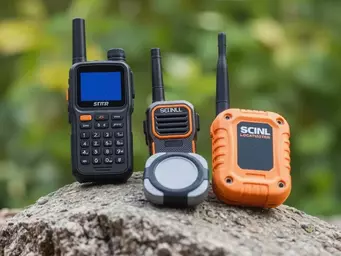
If you find yourself in a dire situation, knowing how to contact emergency services can be crucial. First, determine if you're in a cell service area or have another means of communication. If you do, it’s time to reach out!
- Provide clear information about your location.
- Remain calm and follow the operator’s instructions.
- Keep your phone charged and ready for updates.
I've learned that being prepared to communicate effectively can make all the difference when seeking help. Remember, your safety is the top priority!
Signaling for Help: Effective Techniques to Attract Attention
When calling for help isn’t possible, you must use other signaling techniques. Knowing how to effectively attract attention can be life-saving! Here are some methods I often rely on:
- Use a whistle; it's loud and carries far.
- Create large symbols on the ground using rocks or branches.
- Make reflective signals using mirrors or shiny objects.
I've found that using these techniques not only increases your chances of being spotted but can also help you feel empowered during challenging situations. The West Virginia Emergency Management Division offers additional essential wilderness survival tips, including signaling.
Frequently Asked Questions About Wilderness Survival
- Q: What is the most important thing to do if I get lost in the wilderness?
- A: The most important first step is to stay calm. Panicking can impair judgment. Take a deep breath, assess your situation, and then make a methodical plan.
- Q: How important is mental preparation for backcountry survival?
- A: Mental preparation is as crucial as physical gear. A well-prepared mind can adapt to unexpected situations, make wise decisions under pressure, and maintain composure, significantly increasing your chances of survival.
- Q: What are some common misconceptions about wilderness survival?
- A: Common myths include relying solely on technology like smartphones to find your way back, assuming any water source is safe to drink, and believing fire is only for warmth. Understanding these misconceptions is vital for safety.
- Q: What should I do before going on an outdoor adventure to prepare for getting lost?
- A: Before your trip, visualize potential scenarios, practice deep-breathing techniques, and engage in mindfulness exercises. Also, carry essential supplies and inform someone of your route and expected return time.
- Q: What signaling techniques can I use if I can't call for help?
- A: Effective signaling techniques include using a whistle (three short blasts as a universal distress signal), creating large ground symbols with rocks or branches, and making reflective signals with mirrors or shiny objects to attract attention.
We Want to Hear From You!
When it comes to backcountry survival, what do you think is the most critical skill to master? Share your thoughts below:
Summarizing Key Takeaways for Safe Wilderness Adventures
Reflecting on the essential principles of backcountry survival can make all the difference in our outdoor adventures. It's crucial to prioritize mental preparation and stay focused on key survival strategies. Whether you're hiking through dense forests or navigating rocky terrains, having a clear mindset can significantly enhance your chances of success in any situation. Remember, staying calm and collected is just as vital as your physical skills!
Here are some key takeaways to keep in mind:
- Always assess your surroundings and mental state when faced with uncertainty.
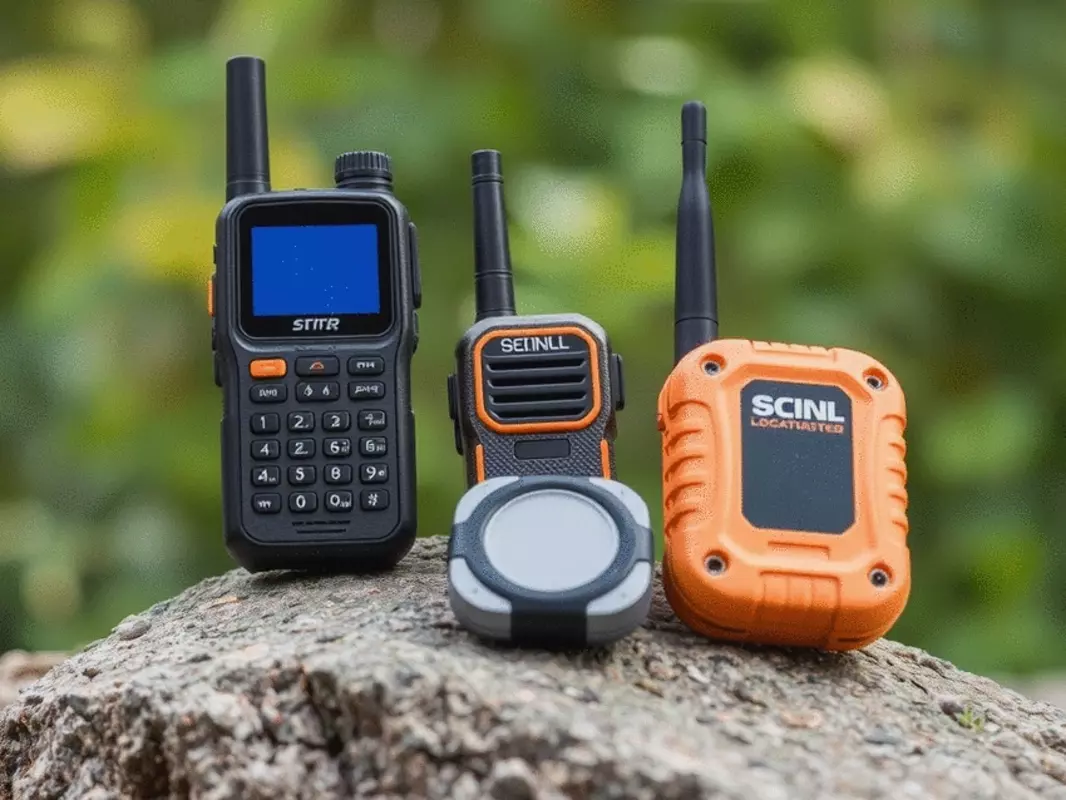
- Have a plan for emergency communication and know when to call for help.
- Learn effective signaling techniques to attract attention if needed.
- Establish survival priorities, including shelter, water, fire, and food.
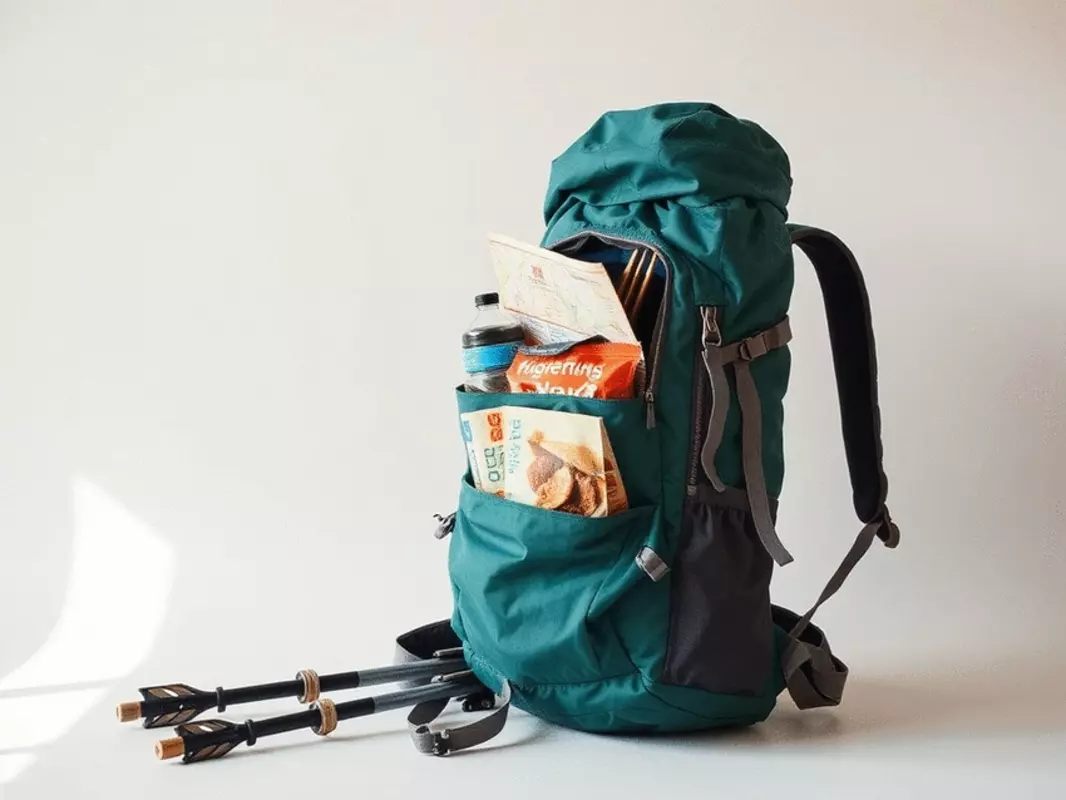
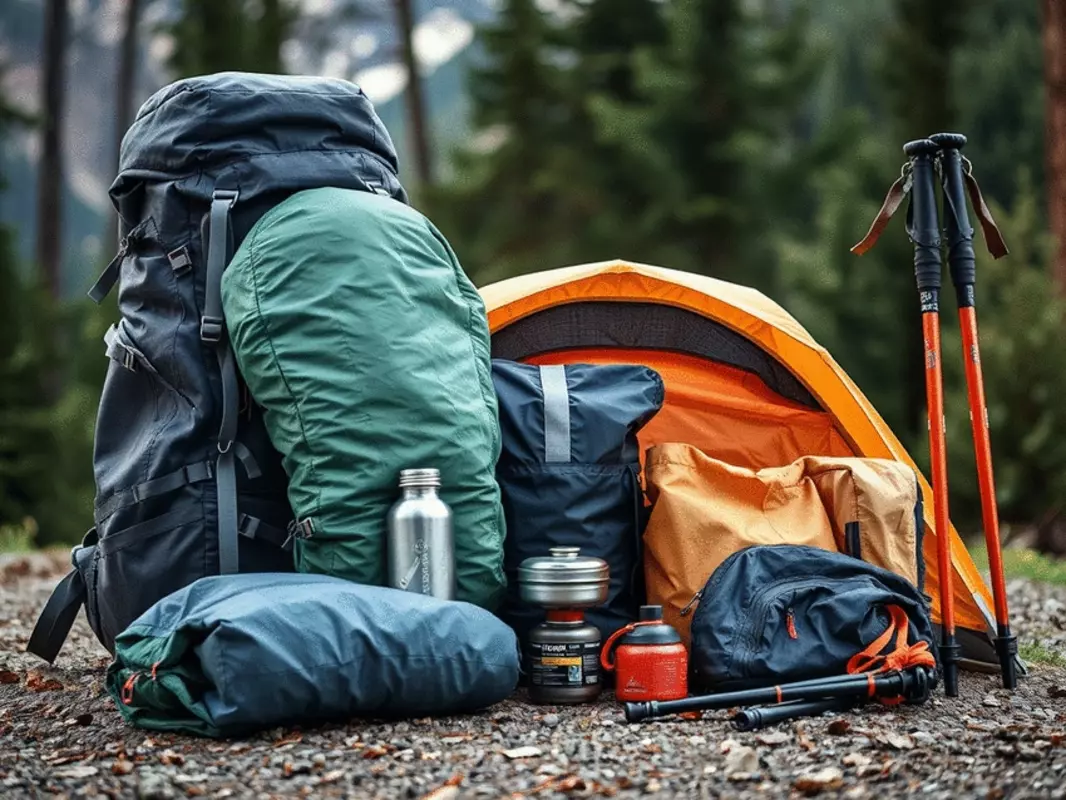
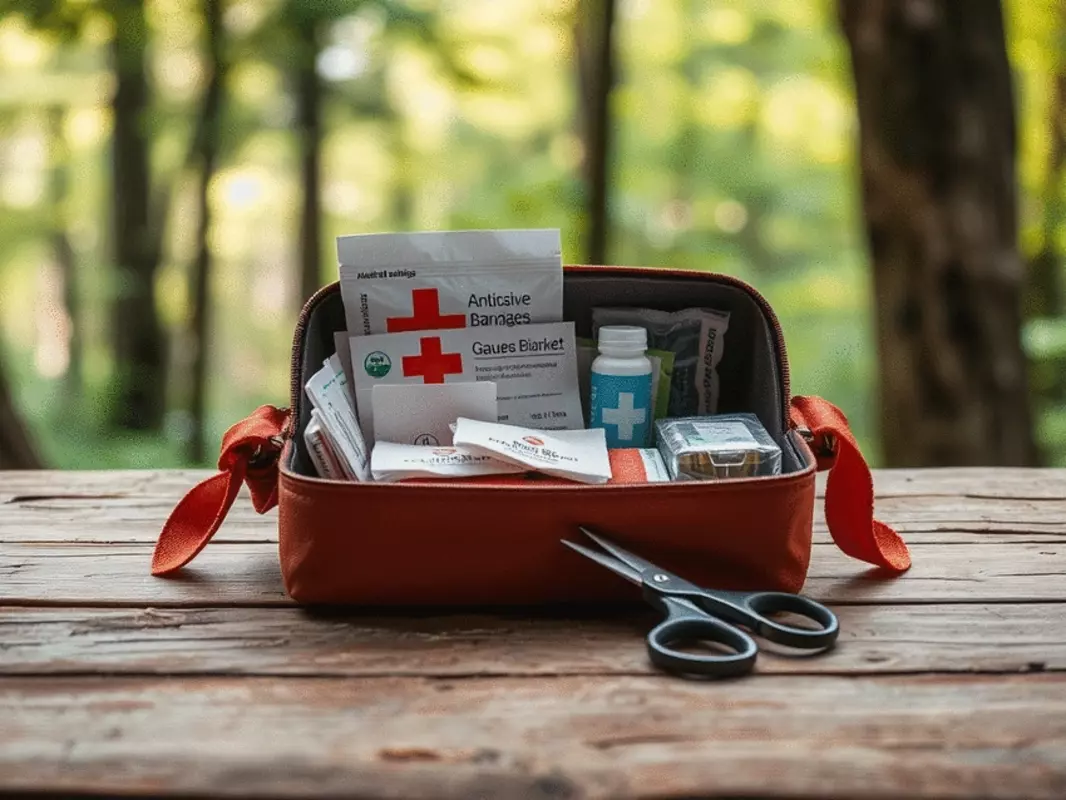
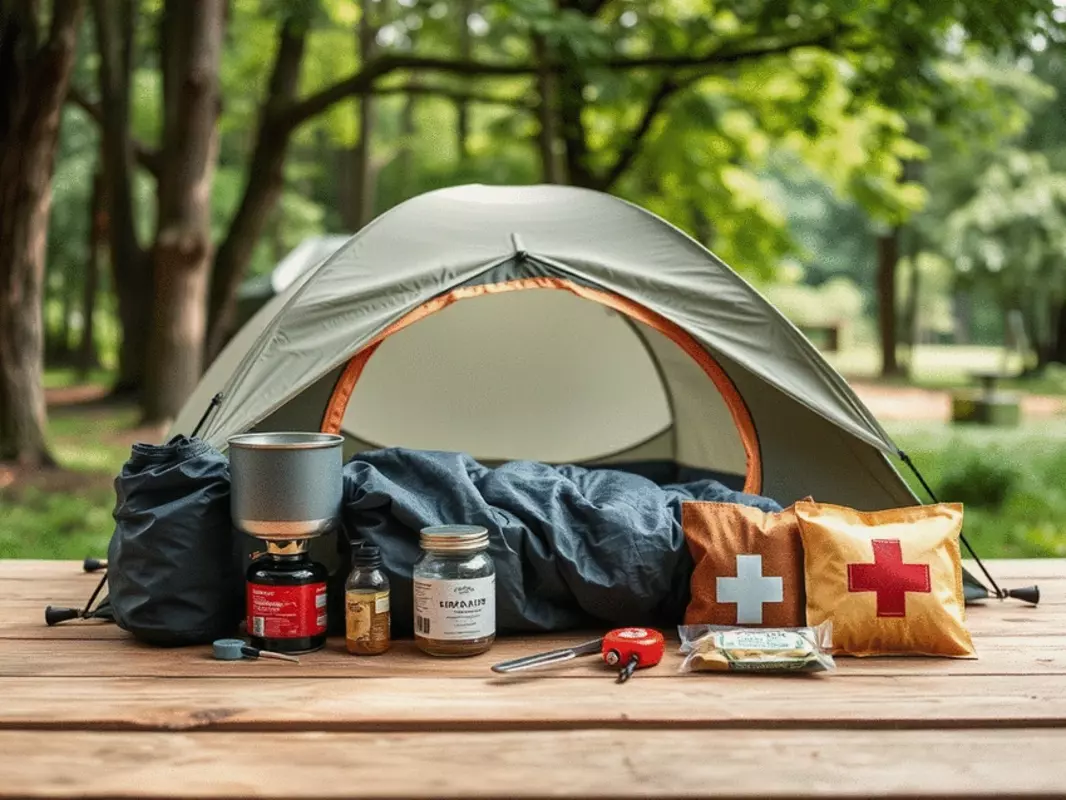
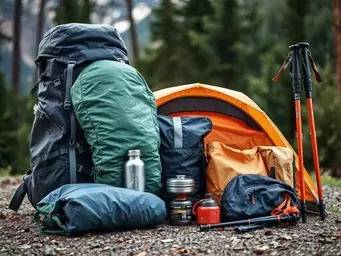
- Prepare a comprehensive survival kit tailored to your specific needs.
Each of these elements plays a vital role in ensuring you have a safe and enjoyable experience in the wilderness. As you gear up for your next adventure, consider how these lessons can shape your journey!
Preparing for Future Adventures: Learning from Experience
After each hiking trip, I encourage you to take a moment to reflect on your experiences. What worked well? What challenges did you face? By documenting these insights, you can improve your planning and refine your gear for future journeys. It’s all about embracing those lessons learned, which ultimately leads to more fulfilling outdoor experiences!
Here are a few tips for enhancing your future adventures:
- Keep a journal of your hikes, noting trail conditions, weather, and gear performance.
- Share your experiences with fellow hikers to gain different perspectives and tips.
- Attend workshops or take courses focused on survival skills and outdoor navigation.
- Regularly test your gear to ensure it meets your needs and is in good working order.
Each adventure contributes to your growth as an outdoor enthusiast. By learning from past experiences, you’ll be better equipped to tackle new challenges ahead!
Call to Action: Equip Yourself for Safe Outdoor Experiences
At Backpack Hiking, we believe that preparation is key to enjoying the great outdoors. I invite you to explore our comprehensive resources on survival skills, gear recommendations, and training courses designed to boost your wilderness preparedness. The more you equip yourself with knowledge and reliable gear, the more confident you'll feel on your next hike!
Don’t wait until you're in a bind to start learning. Invest in your outdoor education today! Visit our website for essential tips, gear reviews, and community support designed to help you navigate the wilderness safely and effectively. Let’s embark on this adventure together, ensuring your time in nature is as enriching as possible!
Recap of Key Points
Here is a quick recap of the important points discussed in the article:
- Mental preparation is crucial for effective backcountry survival.
- Stay calm and composed to enhance decision-making during crises.
- Know the immediate steps to take if you find yourself lost.
- Understand common misconceptions about wilderness survival to avoid pitfalls.
- Always have a plan for communication and emergency signaling techniques.