Backpack Care: Clean and Repair
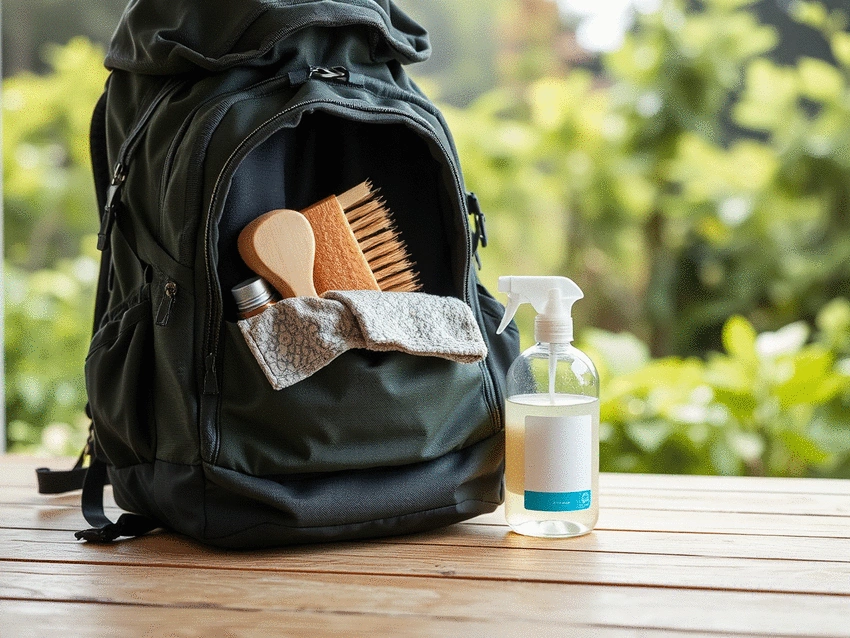
Did you know that proper maintenance can significantly extend the lifespan of your hiking backpack? As you embark on your next outdoor adventure, understanding how to care for your gear can enhance both your experience and your peace of mind. Here’s what you’ll learn about maximizing the longevity of your trusty companion in the wild.
What You Will Learn
- Regular cleaning and maintenance can prevent material degradation and extend your backpack's durability.
- Identifying early signs of wear, like fraying straps and leaky coatings, can help you address issues before they escalate.
- Understanding key features like fabric type and stitching quality aids in making informed care decisions.
- Adapting your maintenance routine seasonally ensures your backpack remains functional in various weather conditions.
- Eco-friendly disposal methods, such as donating or upcycling, promote sustainability when it’s time to part with your old backpack.
Maximizing Backpack Lifespan & Understanding Maintenance Needs
This visual outlines key aspects of backpack longevity, from maintenance signs to upgrade considerations and eco-friendly disposal methods.
Signs Your Backpack Needs Maintenance
- Fraying straps or stitching
- Leaky waterproof coatings
- Zippers that stick or are hard to pull
- Unpleasant odors
When to Upgrade Your Backpack
- Significant fabric wear/tears
- Consistently failing zippers
- Flimsy overall structure
- Persistent comfort issues/pain
Eco-Friendly Disposal Methods
- Donate to organizations
- Upcycle into new items
- Recycle textile waste
- Sell on platforms like eBay
Seasonal Maintenance Adjustments
- Spring/Summer: Focus on moisture issues
- Fall: Inspect wear from summer
- Winter: Store dry to prevent mold
Understanding the Importance of Backpack Maintenance for Hiking Enthusiasts
As an outdoor enthusiast, I can't stress enough how crucial it is to keep your hiking backpack in tip-top shape. Proper maintenance not only ensures your gear is ready for adventure but also extends its lifespan. After all, a well-cared-for backpack can accompany you on countless hikes, making every journey more enjoyable!
Regular maintenance is about much more than aesthetics; it’s about performance. When you take the time to care for your backpack, you're investing in your outdoor experiences. Imagine heading out on a challenging trail, only to find your gear falling apart or not functioning as it should. Not fun, right?
Why Proper Care Can Extend the Life of Your Backpack
Just like any other piece of gear, your backpack requires some TLC to stay reliable. When I started my hiking journey, I quickly learned that neglecting my gear often led to premature wear and tear. Here are some reasons why caring for your backpack is essential:
- Durability: Regular cleaning and maintenance prevent material degradation, helping your backpack withstand various weather conditions.
- Functionality: Keeping zippers and straps in good condition ensures your backpack performs optimally when you need it most.
- Comfort: A well-maintained backpack is comfortable to wear, reducing strain during long hikes.
By investing time in your backpack care, you’ll not only save money in the long run but also enhance your hiking experience. Plus, you’ll feel great knowing your gear is ready for whatever adventure awaits!
Identifying Signs That Your Backpack Needs Maintenance
It’s essential to watch for signs that indicate your backpack could use a little love. I've found that being proactive can prevent small issues from escalating into bigger problems. Here are some common signs:
- Fraying straps or stitching
- Leaky waterproof coatings
- Zippers that stick or are hard to pull
- Unpleasant odors from dirt and sweat accumulation
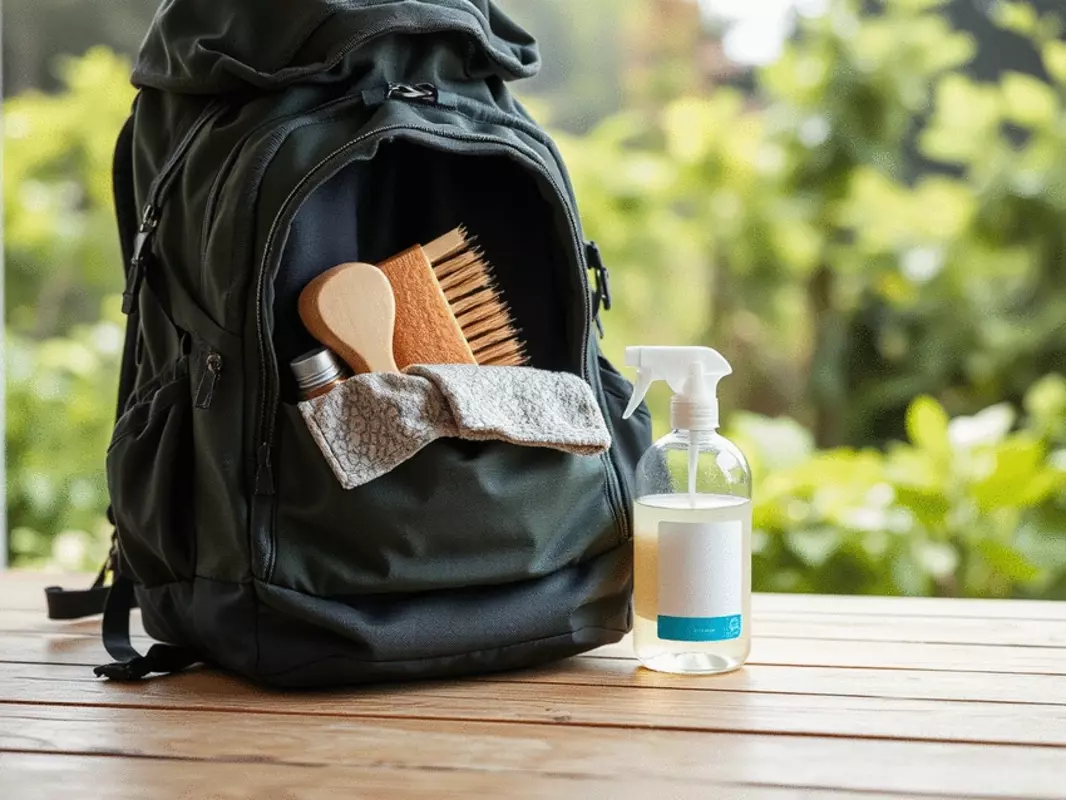
If you notice any of these signs, it's time to take action! For detailed guidance on caring for your gear, the experts at REI provide comprehensive advice on cleaning your backpack, which can significantly extend its life and maintain its functionality.
Key Backpack Features That Affect Longevity
Understanding your backpack’s features can help you make informed choices about maintenance. Some aspects to consider include:
- Material: The type of fabric (like nylon or Cordura) determines how much wear and tear the backpack can handle.
- Waterproofing: Adequate waterproof coatings are essential for keeping your gear dry and avoiding damage.
- Stitching quality: Reinforced stitching adds durability, making it less likely to fray over time.
With the right knowledge and care practices, your backpack can last through multiple seasons of adventure. Remember, the more you invest in your gear, the more it will reward you on the trails!
Interactive Poll: Your Backpack Care Routine
How often do you perform maintenance on your backpack? Share your thoughts below:
Maximizing the Lifespan of Your Backpack: Tips and Insights
As a passionate hiker, I understand that a well-maintained backpack is essential for a smooth adventure. It's not just about keeping your gear clean—it's about ensuring that your trusty companion lasts through countless trails and explorations. Here are some practical tips to maximize the lifespan of your backpack, keeping it ready for your next outdoor journey!
Frequently Asked Questions About Backpack Maintenance
Q1: How often should I clean my hiking backpack?
A1: The frequency depends on how often you use it and the conditions you expose it to. For regular use, a thorough cleaning seasonally or after particularly challenging trips is recommended. Light cleaning, like wiping down dirty spots, can be done after every trip.
Q2: What are the main signs that my backpack needs maintenance?
A2: Key signs include fraying straps or stitching, leaky waterproof coatings, zippers that stick or are hard to pull, and unpleasant odors from dirt and sweat accumulation.
Q3: Can I machine wash my hiking backpack?
A3: Generally, machine washing is not recommended as it can damage coatings, zippers, and the overall structure. Hand washing with mild soap and water is usually the safest method. Check the manufacturer's care instructions for specific guidance. For example, Jansport offers specific cleaning instructions for their backpacks to ensure longevity.
Q4: When should I consider upgrading my backpack instead of repairing it?
A4: It's time to consider an upgrade if the fabric shows significant wear and is prone to tears, zippers are consistently failing, the overall structure becomes flimsy, or you experience persistent comfort issues and pain due to inadequate support.
Q5: What are some eco-friendly ways to dispose of an old backpack?
A5: Eco-friendly disposal methods include donating it to organizations, upcycling it into new items, recycling textile waste at a specialized center, or selling it on platforms like eBay or through local outdoor shops. Companies like Patagonia also offer repair services to extend the life of your gear, reducing the need for early disposal.
Recognizing When It's Time to Upgrade Your Gear
Every hiking enthusiast faces the moment when they must evaluate their gear. Sometimes, despite your best cleaning efforts, a backpack may reach a point where it can’t be efficiently repaired or maintained. Here are some signs that it might be time to consider an upgrade:
- The fabric shows significant wear, making it prone to tears.
- Zippers are consistently failing or separating.
- The overall structure has become flimsy, affecting its capacity.
- Comfort issues arise, like persistent back pain due to inadequate support.
If you notice these factors during your routine checks, it’s time to weigh your options. Investing in a new backpack can enhance your hiking experience, ensuring you’re comfortable and ready to tackle any terrain!
Eco-Friendly Practices for Disposing of Old Backpacks
As outdoor enthusiasts, we have a responsibility to minimize our environmental impact. When it’s time to part ways with your old backpack, consider these eco-friendly disposal methods:
- Donate: Many organizations accept used backpacks for those in need.
- Upcycle: Get creative! Transform your backpack into a unique storage solution or a piece of art.
- Recycle: Check with local recycling centers that accept textile waste.
- Sell: Platforms like eBay or local outdoor shops may take your old gear.
By choosing one of these methods, you not only give your backpack a second life but also contribute to a more sustainable future for our outdoor spaces.
Adapting Gear for Seasonal Maintenance
Seasons change, and so should our maintenance practices! Adapting your backpack care routine ensures it remains in peak condition, no matter the weather. Here’s how to adjust your maintenance throughout the year:
- Spring/Summer: Focus on cleaning and checking for moisture-related issues, as these seasons often bring rain and humidity.
- Fall: Inspect your backpack for any wear from summer adventures, and ensure all zippers and seams are intact.
- Winter: Store your backpack in a dry, cool place to prevent mold and mildew from forming due to damp conditions.
By tailoring your maintenance to the seasons, you can help your backpack endure the elements and stay ready for your next hiking adventure!
Recap of Key Points
Here is a quick recap of the important points discussed in the article:
- Regular maintenance of your backpack extends its lifespan and enhances performance.
- Watch for signs of wear such as fraying straps, leaky coatings, and zippers that stick to know when maintenance is needed.
- Key features like material, waterproofing, and stitching quality affect the durability of your backpack.
- When a backpack shows significant wear or comfort issues, it may be time to consider an upgrade.
- Eco-friendly disposal methods for old backpacks include donating, upcycling, recycling, or selling.
- Adapting maintenance practices for each season helps preserve your backpack's condition.