Iconic Long-Distance Trails Compared
What if you could turn your next hike into an unforgettable adventure? Understanding the essential elements of long-distance trails can transform your outdoor experience, ensuring each step brings joy and discovery.
What You Will Learn
- Long-distance trails range from 50 to over 2,000 miles, each offering unique challenges tailored to different skill levels.
- Difficulty levels vary from easy, moderate, to challenging, making it crucial to assess your own skills before choosing a trail.
- Scenic highlights such as panoramic views and wildlife sightings can significantly enhance your hiking experience.
- Popular trails like the Appalachian Trail and Pacific Crest Trail offer diverse ecosystems and stunning landscapes to explore.
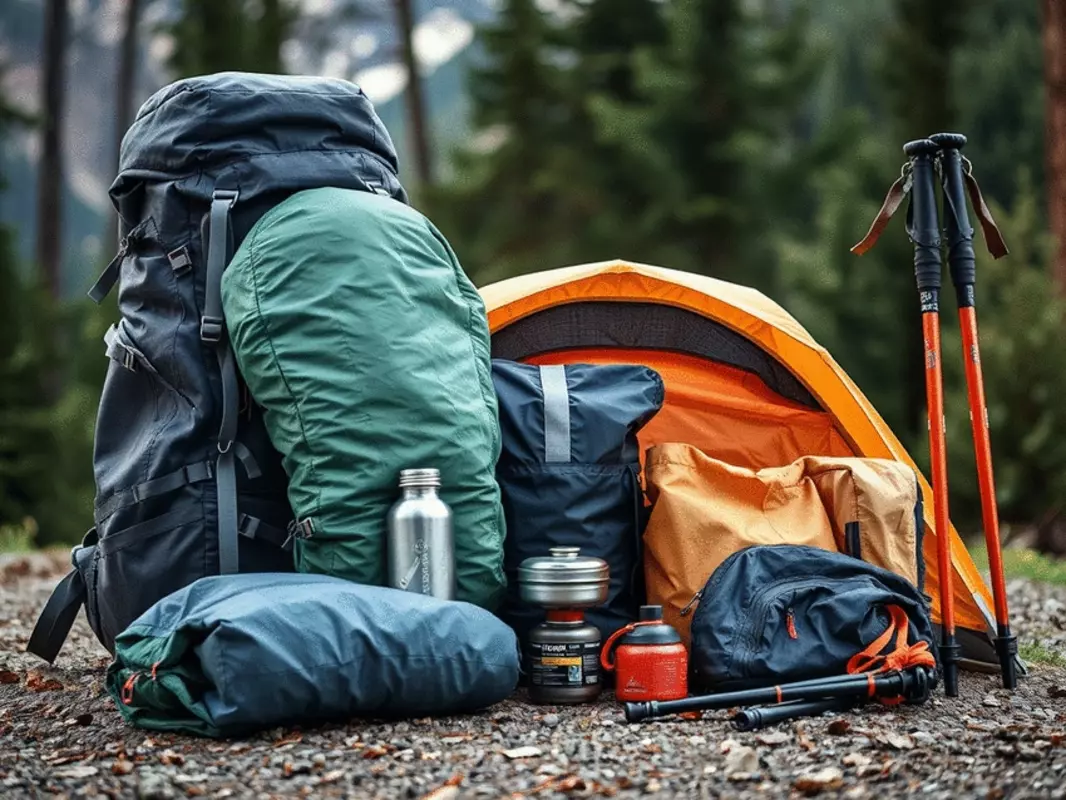
- Essential gear includes a durable backpack, sleeping gear, cooking equipment, and hydration systems for a successful hike.
- Practicing Leave No Trace principles ensures that trails remain pristine for future adventurers.
- Understanding local weather patterns is key to planning your hike for safety and enjoyment across different seasons.
Key Features Defining Iconic Trails
Understanding what makes a trail iconic involves considering its length, difficulty, and scenic highlights. These factors are crucial for anyone planning a long-distance hike.
Length & Duration
Trails range from 50 to over 2,000 miles. Consider your time and physical readiness.
- Shorter: Ideal for beginners
- Moderate: Build endurance
- Long: Immersive experience
Difficulty Levels
Assess your skill set for crucial trail selection.
- Easy: Well-marked, minimal elevation
- Moderate: Some technical sections
- Challenging: Steep climbs, rough terrain
Scenic Highlights
The beauty of nature makes the effort worthwhile.
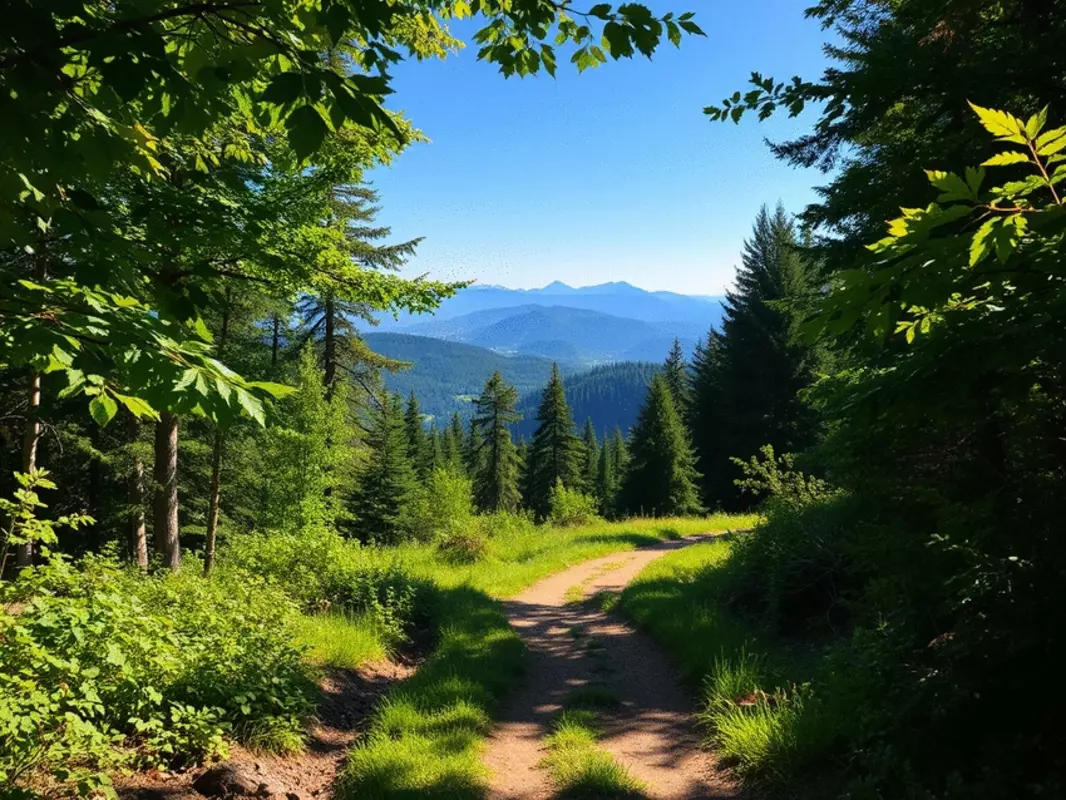
- Panoramic Views: Breathtaking overlooks
- Unique Landmarks: Natural wonders
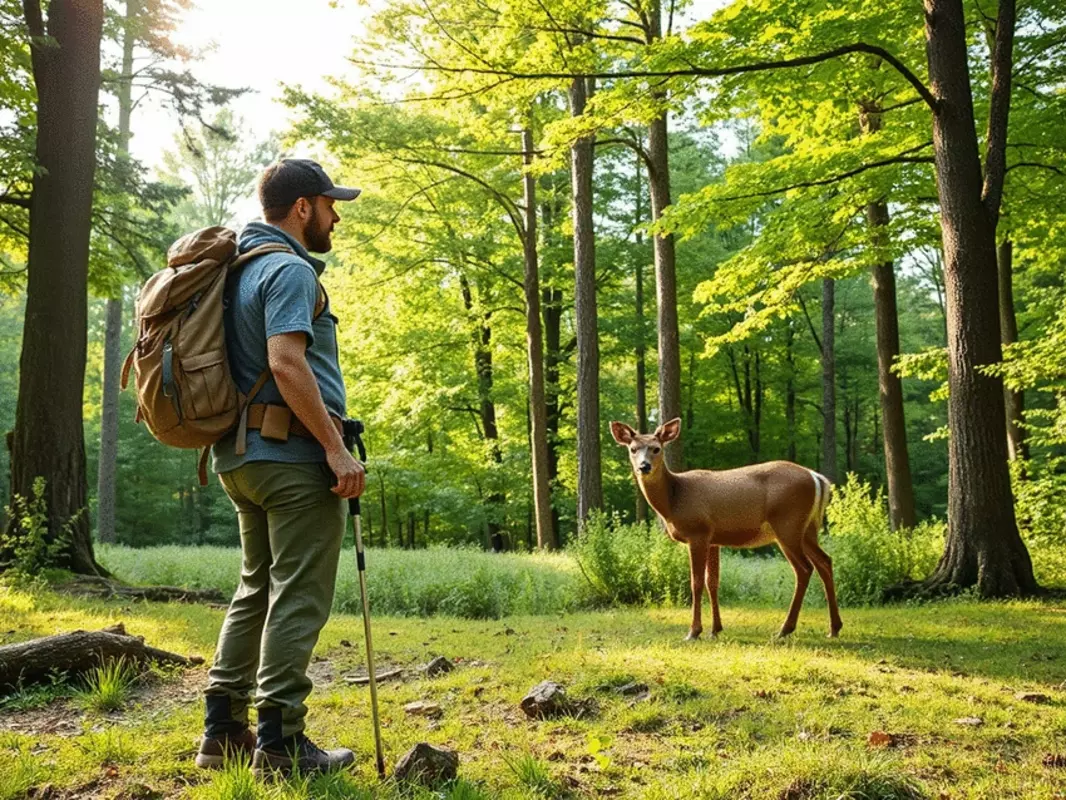
- Wildlife Sightings: Animals in habitat
Popular Trails Overview
A quick look at iconic long-distance trails.
- Appalachian Trail: 2,190 miles, 14 states
- Pacific Crest Trail: Mexico to Canada
- Continental Divide Trail: Rocky Mountains
Understanding Long-Distance Trails: A Comprehensive Overview
As an avid hiker and founder of Backpack Hiking, I’ve traversed many trails that span across breathtaking landscapes. Understanding what makes a trail iconic is essential for anyone looking to embark on a long-distance hike. In this section, we'll explore key features that define an unforgettable trail experience!
Whether you're a seasoned adventurer or just starting, it’s important to consider various factors like trail length, difficulty level, and scenic highlights when planning your journey.

What Makes a Trail Iconic? Key Features to Consider
Length and Duration: How Far Will You Hike?
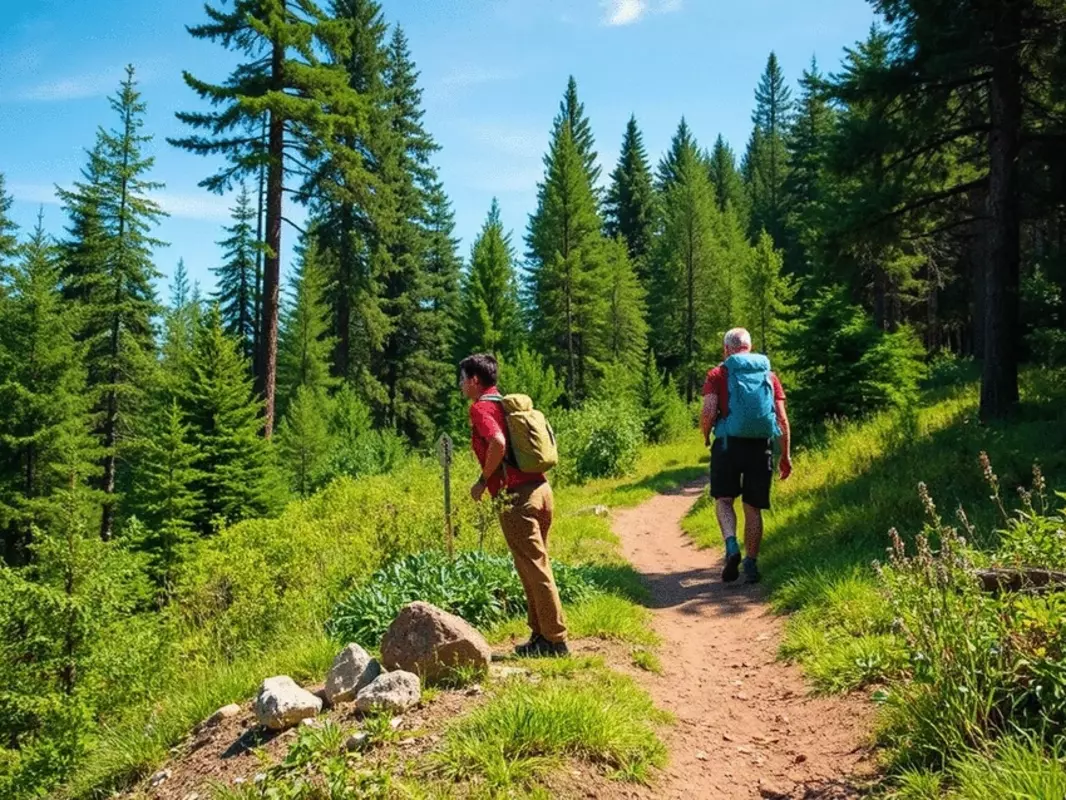
The length of a trail can greatly impact your hiking experience. Most long-distance trails range from 50 to over 2,000 miles, each with its own unique challenges. Here’s how to think about trail length:
- Shorter Trails: Ideal for beginners or those with limited time. You can find examples of shorter, yet equally rewarding, long-distance trails, such as those found throughout the White River National Forest, offering diverse landscapes for various skill levels.
- Moderate Trails: Great for hikers looking to build endurance.
- Long Trails: Perfect for seasoned backpackers seeking an immersive experience.
Before hitting the trail, consider your available time and physical readiness to determine how far you want to go!
Difficulty Levels: Assessing Your Skill Set
Every hike comes with its own set of challenges. Assessing your skill set is crucial in choosing the right trail. Here are the different difficulty levels you may encounter:
- Easy: Well-marked paths, minimal elevation gain.
- Moderate: Some elevation and technical sections, suited for those with basic hiking skills.
- Challenging: Steep climbs and rough terrain, ideal for experienced hikers.
Understanding your abilities will help you select a trail that matches your experience level, ensuring you have a rewarding adventure.
Scenic Highlights: The Beauty of Nature on Your Journey
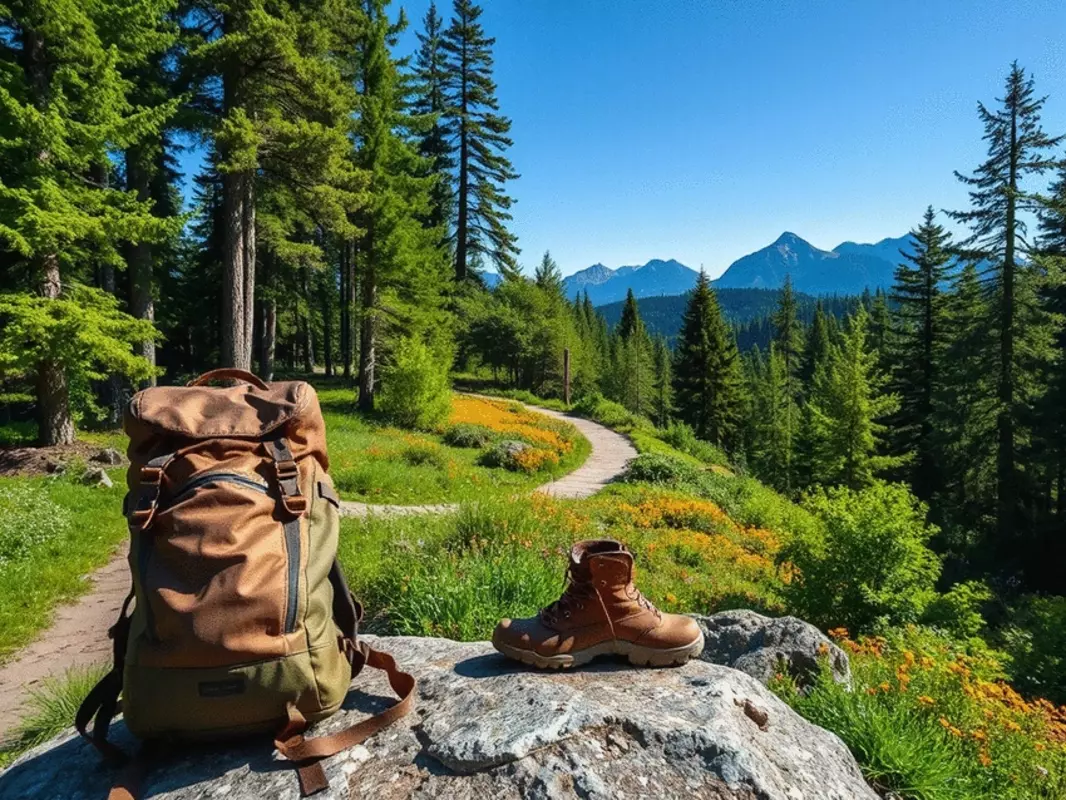
One of the most rewarding aspects of long-distance hiking is the stunning scenery you encounter along the way. From majestic mountains to serene lakes, each trail offers unique features to marvel at. Consider looking for:
- Panoramic Views: Look for trails that provide breathtaking overlooks.
- Unique Landmarks: Natural wonders or historical sites to enrich your journey.
- Wildlife Sightings: The chance to see animals in their natural habitat adds a special element!
Embrace the beauty of nature during your hike, as it's often these moments that make the effort worthwhile.
Popular Long-Distance Trails: A Brief Overview
Now that we’ve covered the essential features, let’s take a quick look at a few popular long-distance trails that have captured the hearts of many hikers:
- Appalachian Trail: Stretching over 2,190 miles, this iconic trail traverses 14 states! You can learn more about its history, conservation, and opportunities for involvement by visiting the National Park Service's Appalachian Trail page.
- Pacific Crest Trail: From Mexico to Canada, this trail showcases diverse ecosystems.
- Continental Divide Trail: A rugged path through the Rocky Mountains, perfect for those seeking solitude. For a deeper understanding of the ecological impact and management of such large wilderness areas, scientific research, such as that published on ScienceDirect, explores the complexities of environmental conservation in these vast landscapes.
Choosing the right trail for your adventure is key to having a fulfilling experience. So whether you’re drawn to scenic views, challenging terrains, or the serenity of the wilderness, there’s a long-distance trail waiting for you!
Trail Comparisons: Choosing the Right Adventure for You
With a better understanding of what makes trails iconic, it’s time to compare specific trails to find the perfect match for your next adventure! This will help you make an informed decision based on your preferences and abilities.
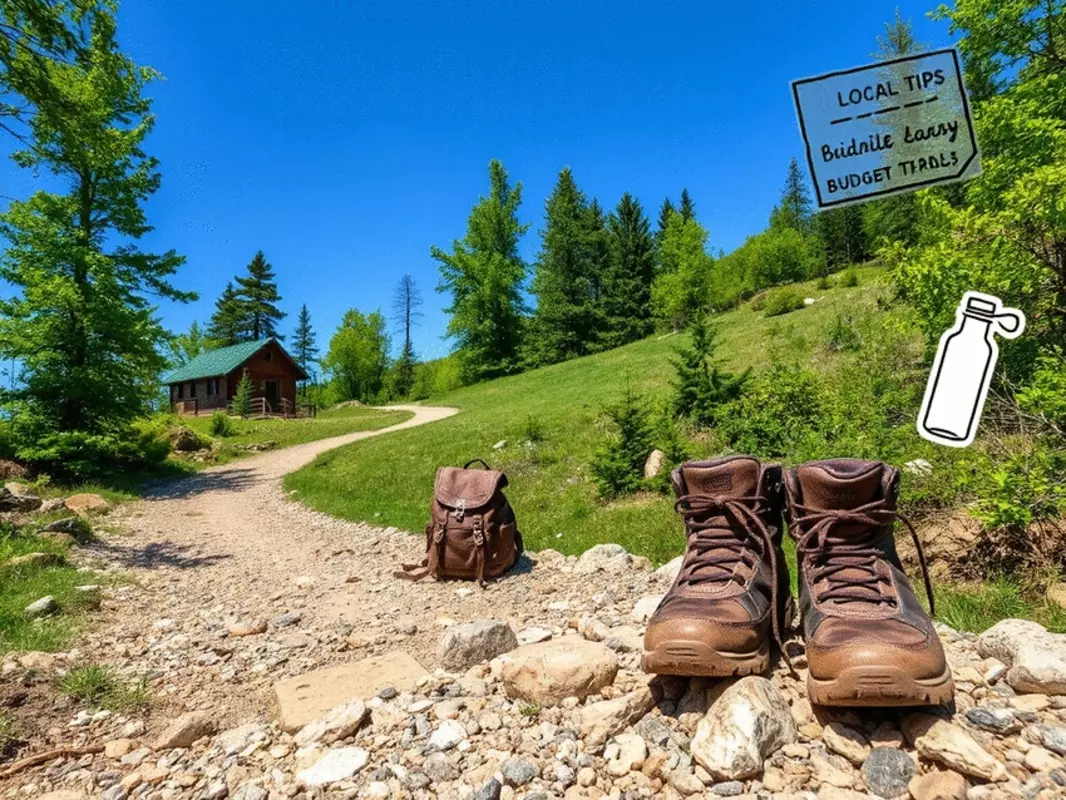
Pro Tip
When selecting a long-distance trail, don't just focus on the destination. Consider the journey as well! Take time to research the unique features of each trail, such as wildlife opportunities and historical landmarks, to enhance your overall experience. Remember, the most memorable hikes often come from the unexpected moments along the way!
Frequently Asked Questions About Long-Distance Trails
What is considered a long-distance trail?
Long-distance trails typically range from 50 to over 2,000 miles, offering hiking experiences that can last from a few days to several months, depending on the trail and the hiker's pace.
How do I choose the right long-distance trail for my skill level?
Consider the trail's length and difficulty rating (easy, moderate, challenging). Beginners might start with shorter, well-marked trails with minimal elevation, while experienced hikers can tackle longer, more rugged paths.
What are some popular long-distance trails?
Some of the most popular long-distance trails include the Appalachian Trail, the Pacific Crest Trail, and the Continental Divide Trail, each offering unique landscapes and challenges.
What essential gear do I need for long-distance hiking?
Essential gear includes a durable backpack, sleeping gear (bag and pad), cooking equipment (stove and cookware), a hydration system, and navigation tools (map, compass, or GPS device).
What are Leave No Trace principles and why are they important?
Leave No Trace principles are guidelines for sustainable hiking practices, including planning ahead, staying on designated trails, packing out all trash, and respecting wildlife. They are crucial for preserving the natural beauty of trails for future generations.
How does weather affect long-distance hiking?
Weather patterns significantly impact hiking. Spring brings wildflowers but also rain, summer means heat and crowds, fall offers cooler temperatures and foliage, and winter presents challenging conditions requiring specialized gear. Understanding seasonal changes helps in planning for safety and enjoyment.
Planning Your Next Backpacking Adventure

As we embark on the excitement of planning our next hiking adventure, getting the right gear is crucial! At Backpack Hiking, I've learned firsthand how essential it is to choose wisely when it comes to packing. The right equipment not only contributes to a smoother journey but also enhances your overall experience, making every step along the trail enjoyable.
Essential Gear and Packing Strategies
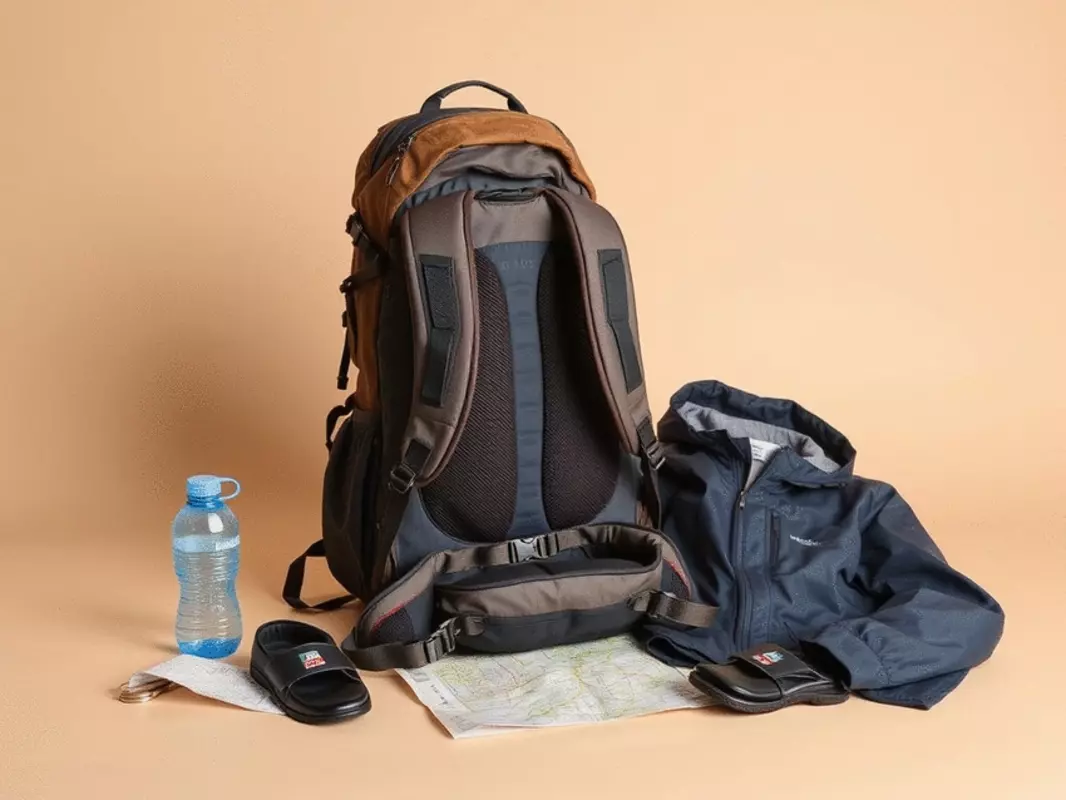
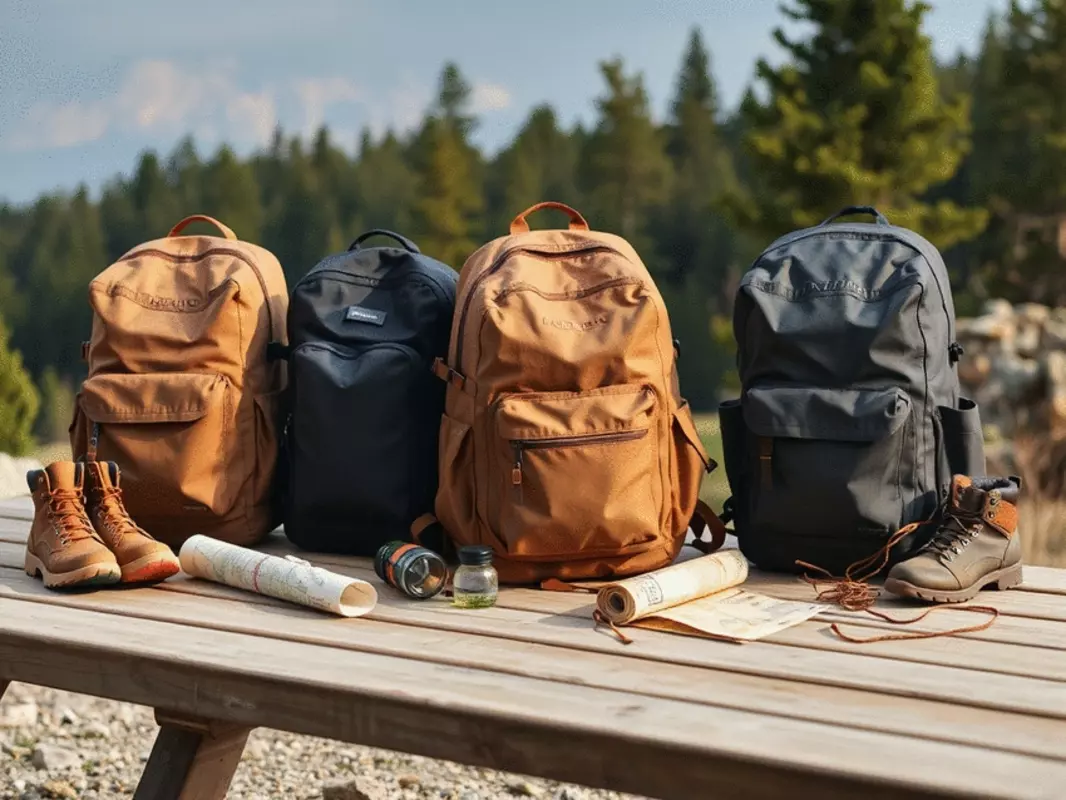
Before you hit the trails, let’s talk about the must-have items for long-distance hiking. I remember my first backpacking trip—what a learning curve! Here’s what I think should be on your packing list:
- Durable Backpack: A good-quality backpack ensures comfort and efficiency.
- Sleeping Gear: A lightweight sleeping bag and sleeping pad are vital for restful nights.
- Cooking Equipment: A compact stove and cookware will make meal prep easy.
- Hydration System: Ensure you have a reliable way to carry and filter water.
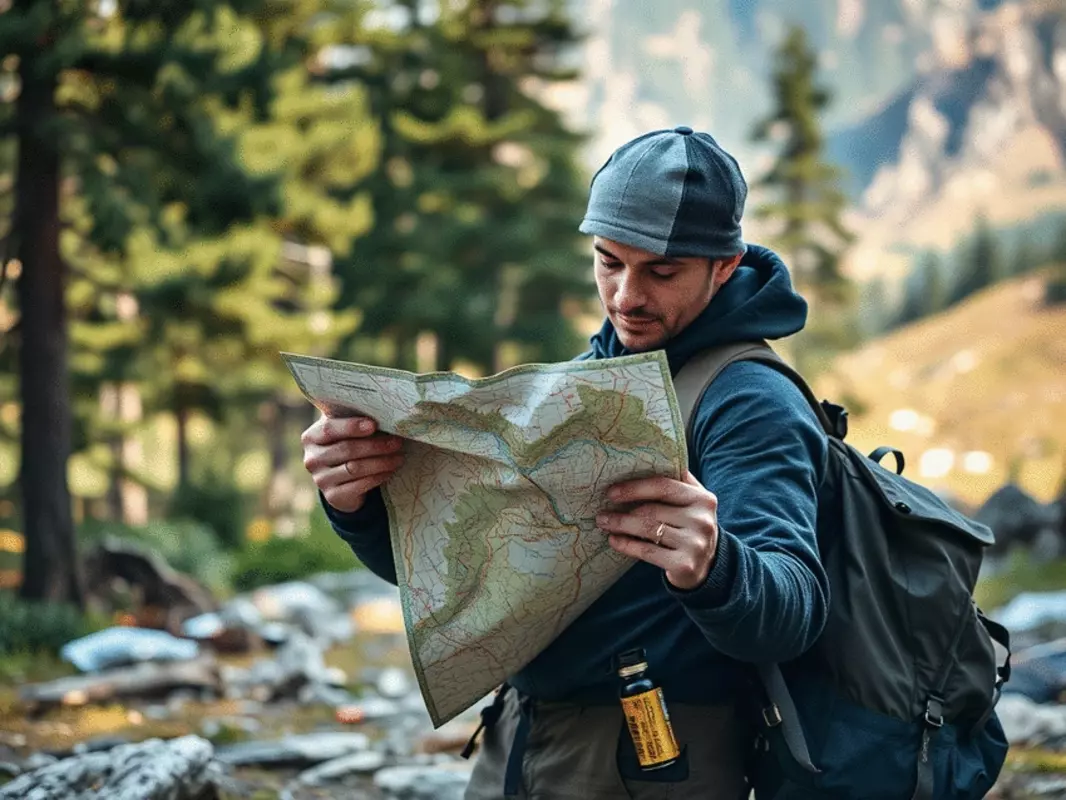
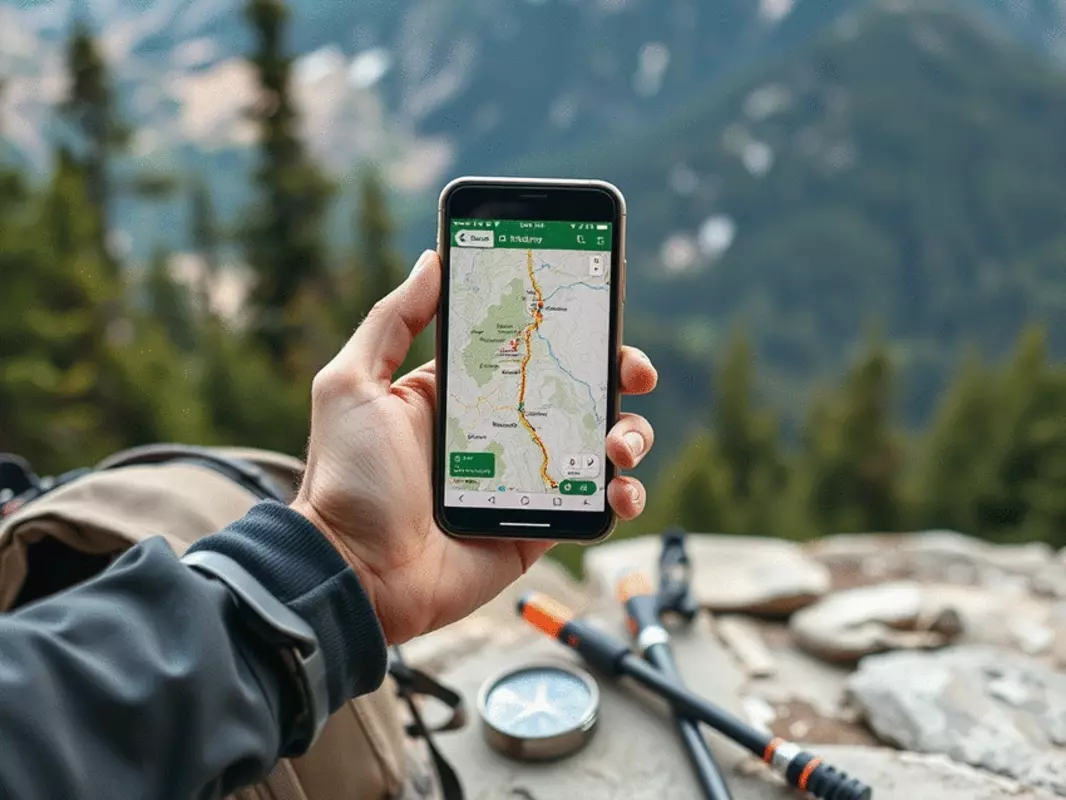
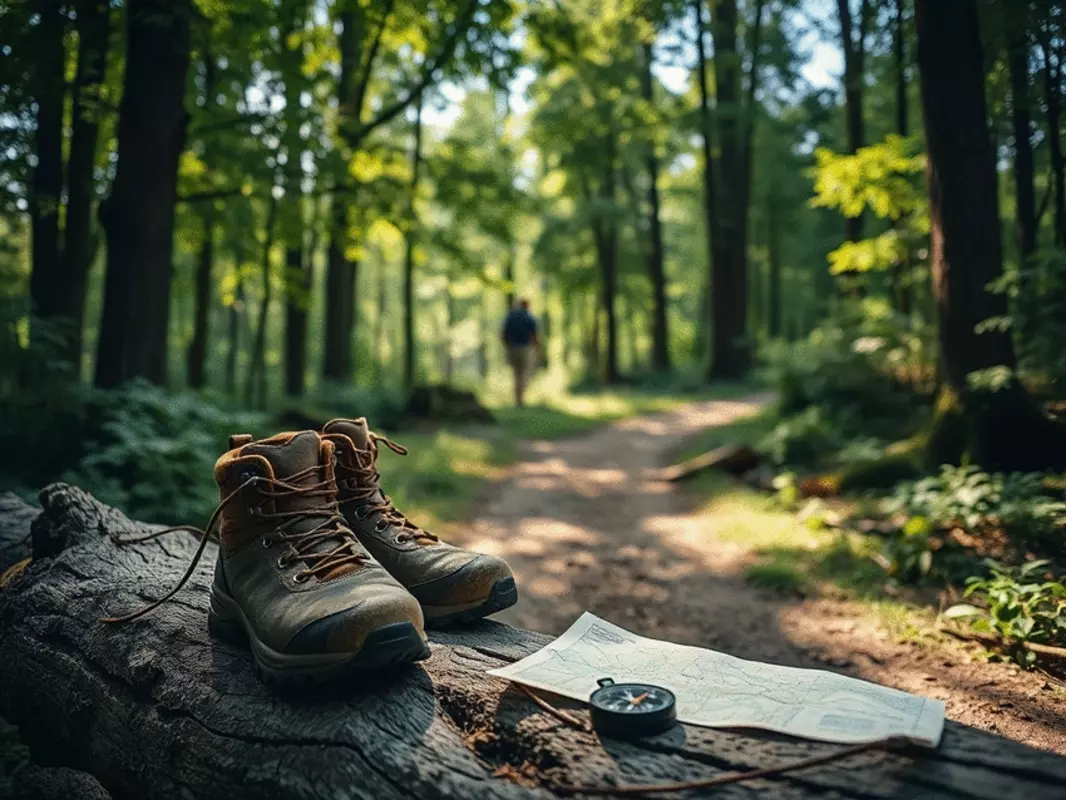
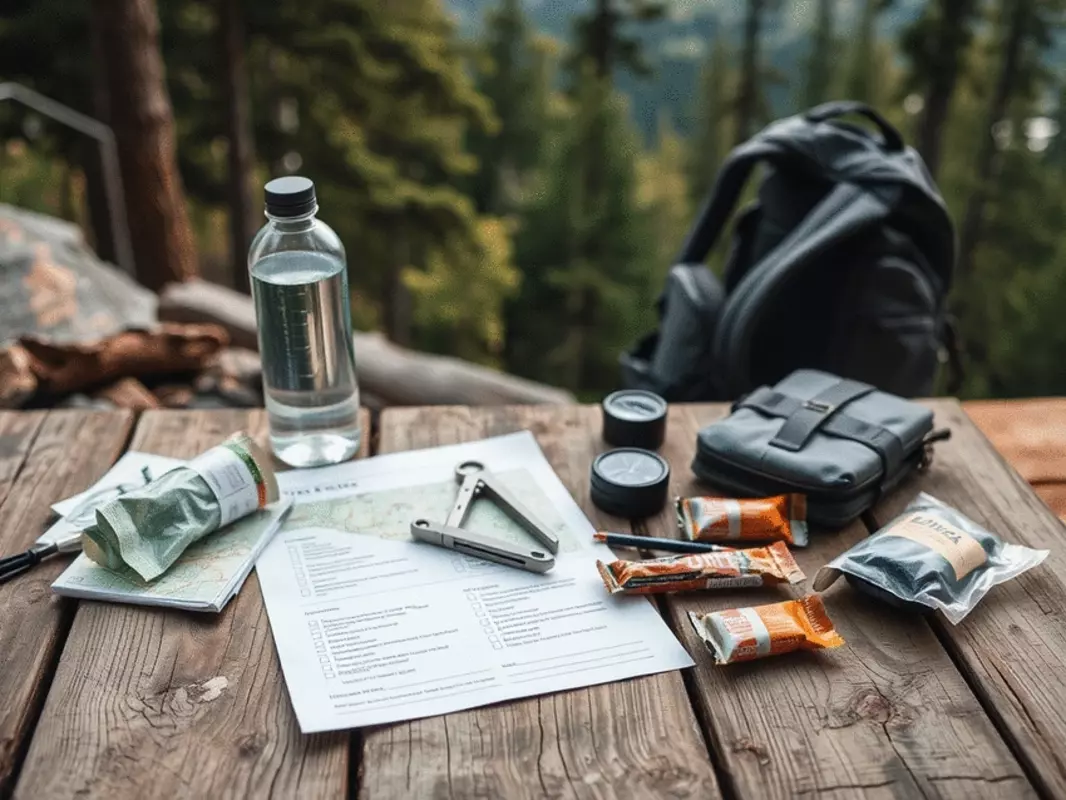
- Navigation Tools: A map, compass, or GPS device is essential for staying on track!
These essentials will help you tackle the trail more confidently! I often emphasize that less can be more, so prioritize lightweight options that provide the most utility.
Must-Have Items for Long-Distance Hiking
In addition to the basics, consider these additional items that can enhance your experience:
- Multi-tool: For unexpected situations along the trail.
- First Aid Kit: Always be prepared for minor injuries or ailments.
- Headlamp: Ideal for navigating in low light conditions.
- Weatherproof Clothing: Keep yourself dry and warm—layers are your best friends!
Having the right gear not only supports your physical needs but also boosts your confidence as you explore new trails.
Backpacking Tips for a Successful Adventure
When it comes to backpacking, planning plays a pivotal role in ensuring your adventure goes off without a hitch. Here are some tips I've gathered through my experiences:
- Pack Smart: Utilize every inch of space efficiently, distributing weight evenly.
- Test Your Gear: Before heading out, make sure your gear is in good condition and comfortable to use.
- Plan Your Route: Familiarize yourself with the trail, its difficulty, and any potential challenges.
These strategies can make a significant difference in your enjoyment! I’ve often found that simple preparation can lead to unforgettable experiences.
Leave No Trace: Sustainable Hiking Practices
As we enjoy the great outdoors, it's crucial to practice sustainable hiking techniques. At Backpack Hiking, I believe that protecting our trails is a shared responsibility. Here are some essential Leave No Trace principles:
- Plan Ahead: Know the area and adhere to park guidelines.
- Stay on Designated Trails: Preserve the landscape by sticking to marked paths.
- Pack Out What You Pack In: Leave the area as you found it—no trash left behind!
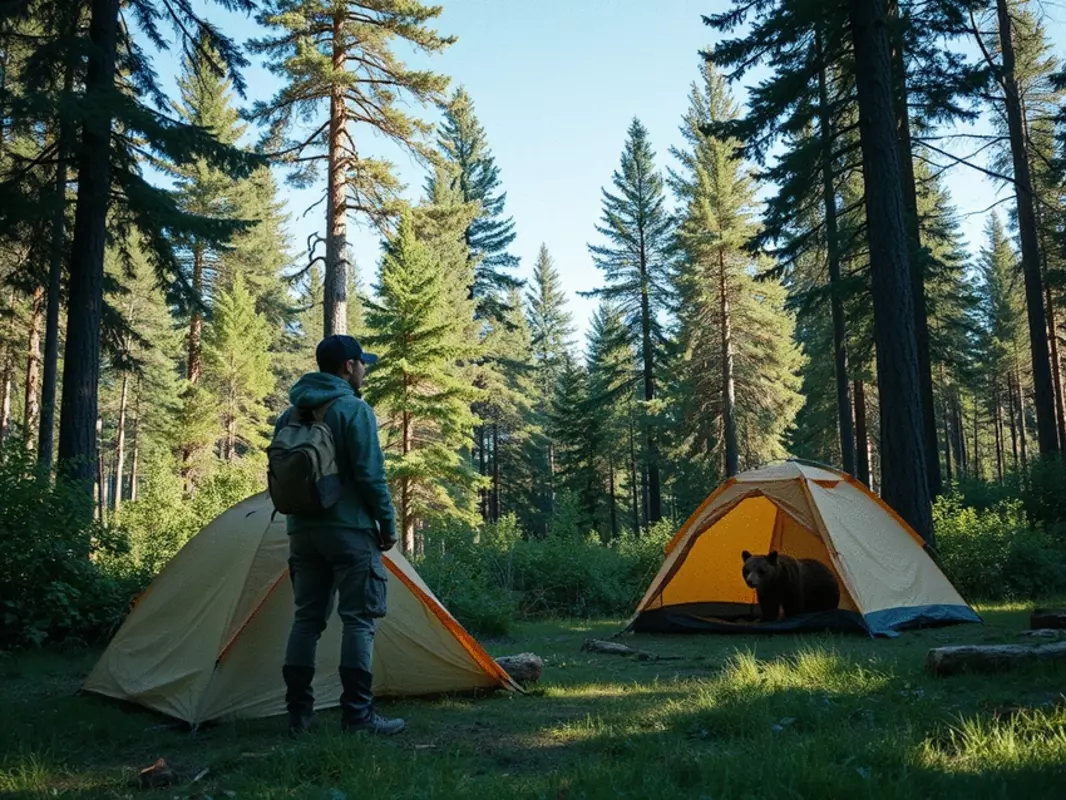
- Respect Wildlife: Observe animals from a distance, and never feed them.
By following these practices, we can ensure that our beautiful trails remain intact for future adventurers to enjoy. Let's all do our part!
Understanding Trail Conditions and Weather Patterns
Before heading out on your adventure, it's important to consider how weather conditions can impact your experience. I've had my share of surprises when the weather didn't cooperate! Understanding typical weather patterns for your chosen trail can help you plan effectively.
How Hiking Seasons Influence Your Experience
The seasons can drastically change the hiking experience. Here’s a brief overview of what you can expect:
- Spring: Wildflowers bloom, but be ready for rain and variable temperatures.
- Summer: Great weather, but trails can be crowded. Hydration is key!
- Fall: Stunning foliage, cooler temperatures, and less crowded trails.
- Winter: Can present challenging conditions, perfect for snowshoeing or winter hiking with the right gear.
Knowing these factors will help you choose the best time for your adventure, ensuring a safer and more enjoyable experience!
Recap of Key Points
Here is a quick recap of the important points discussed in the article:
- Trail Length: Choose a trail that fits your experience level, ranging from short (ideal for beginners) to long (for seasoned hikers).
- Difficulty Levels: Assess your skills to select a trail that matches your abilities, from easy paths to challenging terrains.
- Scenic Highlights: Look for trails with panoramic views, unique landmarks, and opportunities for wildlife sightings.
- Essential Gear: Pack a durable backpack, sleeping gear, cooking equipment, a hydration system, and navigation tools.
- Leave No Trace: Follow sustainable practices like planning ahead, staying on designated trails, and respecting wildlife.
- Weather Considerations: Be aware of seasonal changes that can impact your hiking experience, from wildflowers in spring to snow in winter.