Backpacks for Rugged Terrain Adventures
As you venture into the great outdoors, do you find yourself overwhelmed by the sheer number of backpack options available? Choosing the right technical terrain backpack is more than just a personal preference; it can significantly impact your hiking experience. Here are the essential insights you need to make an informed decision!
What You Will Learn
- Prioritize durability by selecting high-denier fabrics and reinforced stitching for longevity.
- Look for comfort features like padded shoulder straps and hip belts to enhance your hiking experience.
- Consider your hiking style; ultralight packs are perfect for minimalists, while versatile options suit diverse terrains.
- Research reliable brands known for their quality and performance, such as Osprey, Gregory, and Patagonia.
Key Considerations for Technical Terrain Backpacks
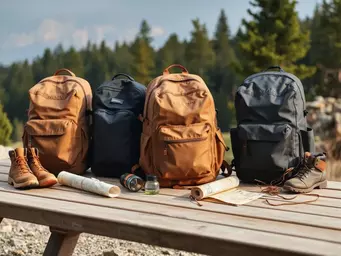
When selecting a technical terrain backpack, three critical factors stand out: Durability, Comfort & Load Capacity, and Versatility. Understanding these aspects helps tailor your choice to specific adventure needs.
Durability Essentials
- Heavy-duty fabrics: Nylon or Polyester.
- Reinforced stitching: For high-wear areas.
- Weather-resistant materials: Waterproof coatings or DWR.
(Ensures longevity)
Comfort & Load Capacity
- Padded straps & hip belts: For support.
- Hydration options: Reservoir or side pockets.
- Volume: 40-60 liters for weekend trips.
(Prevents strain)
Versatility in Choices
- Ultralight: For speed, efficiency, and minimalism.
- Versatile: For diverse trails, multiple compartments.
- Adaptability: Handles various loads and conditions.
(Matches hiking style)
Understanding Technical Terrain Backpacks: What to Look For
When it comes to hitting rugged trails, finding the right technical terrain backpack is essential. These backpacks are designed to withstand the challenges posed by demanding environments, ensuring that you can venture into the wild without worrying about your gear. Let's explore the key features to consider when choosing a backpack that meets your adventure needs!
From materials to load capacity, understanding what makes a backpack suitable for technical terrain can transform your hiking experience. For guidance on safe hiking practices, refer to resources from the National Park Service on hiking safety. Join me as I break down the important aspects to keep in mind during your search for the perfect pack!
The Importance of Durability in Rugged Environments
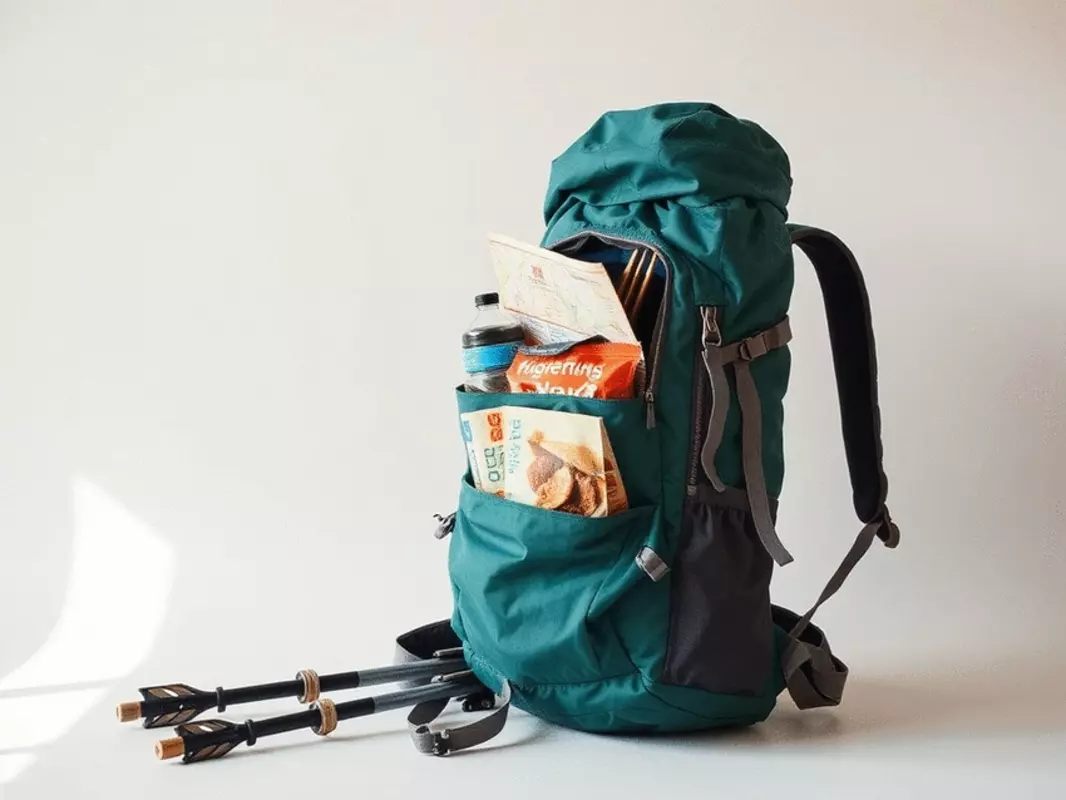
First and foremost, durability is non-negotiable. A technical terrain backpack must withstand wear and tear, especially when you're traversing rocky paths or bushwhacking through thick underbrush. A resilient backpack not only protects your gear but also provides peace of mind while you're on the trail.
- Look for heavy-duty fabrics, such as nylon or polyester.
- Check for reinforced stitching and strong zippers that can handle daily use.
- Consider weather-resistant materials to keep your gear dry in unexpected rain.
Choosing a backpack crafted from the right materials will significantly enhance its longevity. I’ve experienced the frustration of a worn-out pack halfway through a hike, so I always prioritize durability in my gear choices!
Materials That Stand Up to Wear and Tear
Backpacks made from high-denier fabrics are your best bet for longevity. Denier measures the thickness of the fabric, and a higher number indicates a tougher material. Additionally, look for features like waterproof coatings or durable water repellent (DWR) finishes to help protect your belongings.
Some brands even incorporate reinforcement in high-wear areas like the bottom of the pack. This extra protection is invaluable for hikers who frequently set their packs down on rough surfaces, ensuring your nature backpack can handle varied conditions.
Key Features for Technical Terrain: Comfort and Load Capacity
While durability is critical, comfort and load capacity are equally important. A well-designed backpack should distribute weight evenly to prevent strain during long treks. I always recommend trying on a few options before making a decision—adjustable straps and breathable back panels can make all the difference!
- Look for padded shoulder straps and hip belts that provide support.
- A hydration reservoir or side pockets can help you stay hydrated on the go.
- Consider the volume of the backpack; typically, a capacity of 40-60 liters is ideal for weekend trips.
Finding the right balance between comfort and capacity is crucial for ensuring a successful hiking adventure!
Defining Your Needs: Ultralight vs. Versatile Options
Now that we've covered durability and comfort, let's dive into whether you need an ultralight or versatile pack. The right choice depends on your hiking style and the types of terrain you frequent. Are you an experienced minimalist or an adventurer who values flexibility?
As someone who enjoys both styles, I often switch between packs based on my hiking plans. Both ultralight and versatile options have their merits, and it’s essential to choose one that fits your specific needs!
When to Choose Ultralight Backpacking Packs
Ultralight packs are game-changers for those who prioritize speed and efficiency. These backpacks are typically designed for minimalism, allowing you to carry essential gear without the extra weight. I love how freeing it feels to move quickly on the trail!
- Best for long-distance hikes where every ounce matters.
- Ideal for those who are comfortable with a limited gear selection.
- Often features fewer pockets and accessories, focusing on the essentials.
If you're planning a fast-paced backpacking trip, an ultralight pack may be your best friend!
Versatile Picks for Mixed Terrain Adventures
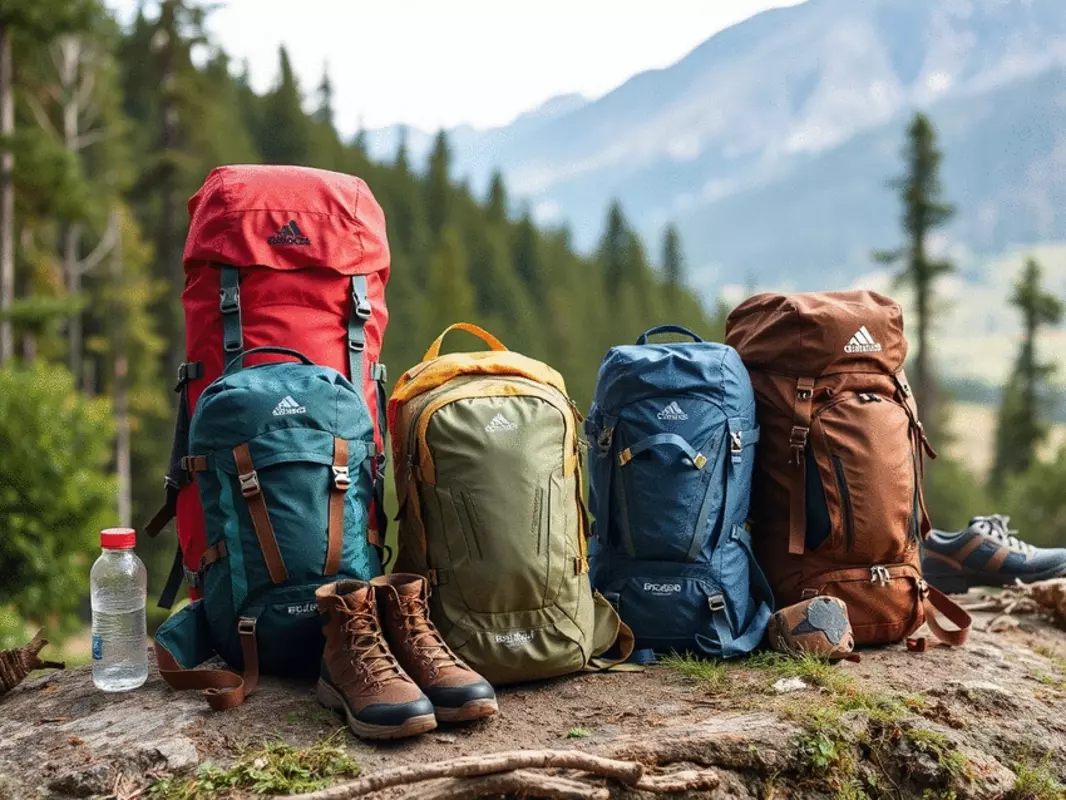
On the other hand, versatile options offer a blend of features that cater to various hiking styles. These backpacks are perfect for those who enjoy exploring diverse trails or need to carry additional gear for different terrains. I find that having extra pockets and attachment points allows me to adapt to changing conditions effortlessly!
- Great for weekend trips or multi-day adventures.
- Includes multiple compartments for organization.
- Can handle various loads, from gear-heavy hikes to lighter excursions.
The flexibility of these packs means that you can tackle whatever the trail throws at you!
Popular Brands to Consider for Technical Terrain Backpacks
With so many options on the market, it can be overwhelming to choose the right brand. However, some brands have established themselves as go-to options for technical terrain backpacks due to their reliability and innovation. Let’s take a look at a few of my favorites!
Overview of Osprey, Gregory, and Arc'teryx Features
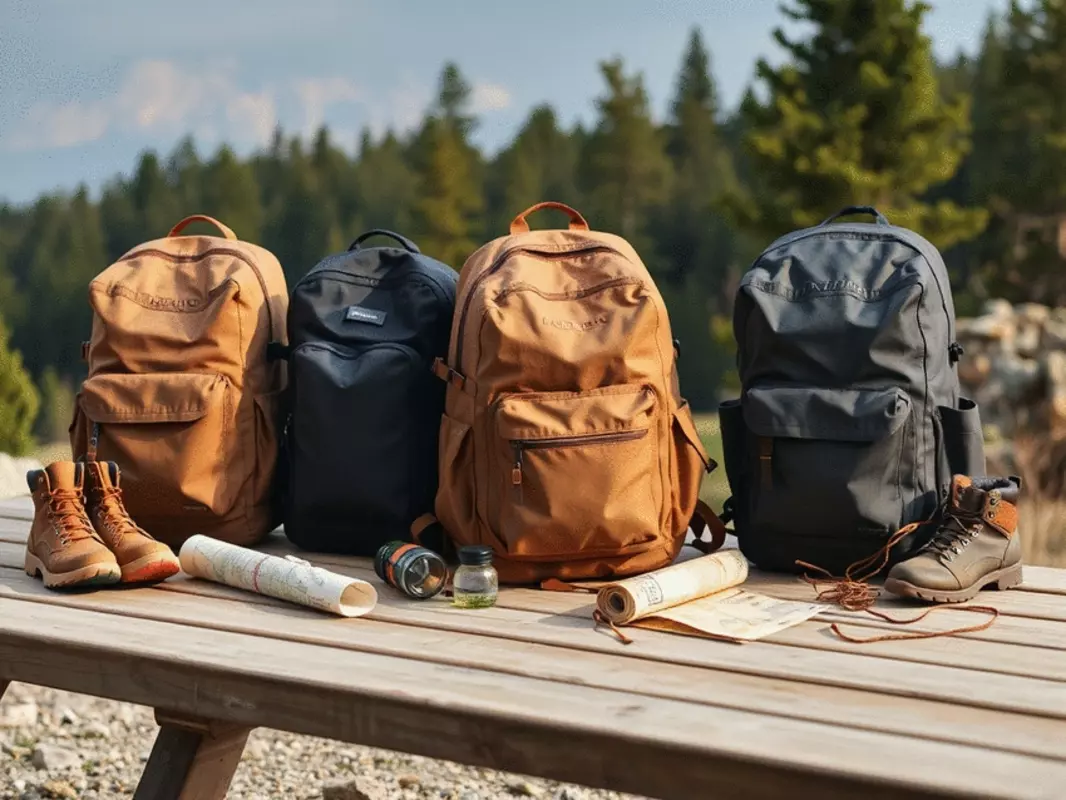
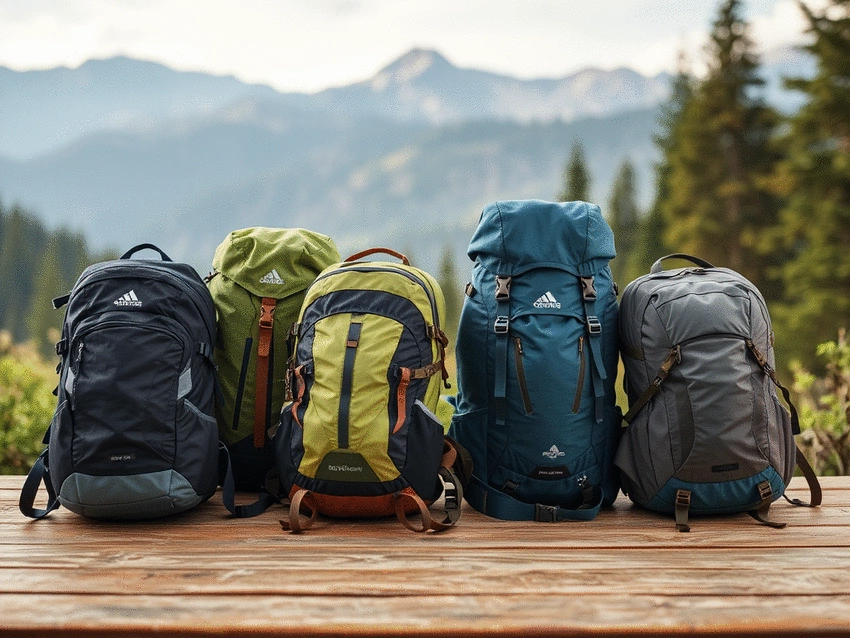
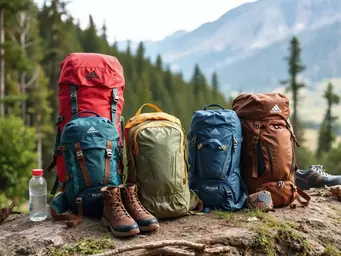
Osprey, Gregory, and Arc'teryx are renowned for their high-quality backpacks that cater to various adventurous needs. Each brand brings unique features to the table:
- Osprey: Known for their comfortable fit and excellent ventilation.
- Gregory: Offers women-specific designs that prioritize ergonomics.
- Arc'teryx: Renowned for durability and technical features that appeal to serious hikers.
These brands consistently deliver on performance and durability, making them reliable choices for any outdoor enthusiast. For more in-depth reviews of mountaineering backpacks, you can consult resources like OutdoorGearLab.
How North Face and Patagonia Stand Out in Performance
North Face and Patagonia also deserve a mention for their high-performing backpacks. Both brands focus on sustainability and ethical production, making them appealing to eco-conscious hikers like myself!
- North Face: Combines innovative designs with practical features, like their unique suspension systems.
- Patagonia: Emphasizes environmental responsibility while providing durable packs that last.
Choosing a backpack from these trusted brands means you're not only investing in quality but also supporting sustainable practices.
Pro Tip
Did you know? When selecting a technical terrain backpack, consider testing it with a load similar to what you'll carry on your hikes. This practice can help you assess how well the backpack distributes weight and ensures comfort over long distances. A well-fitted pack can make all the difference in your hiking experience!
Making an Informed Decision: Key Takeaways
When it comes to selecting the right backpack for your next outdoor adventure, finding the perfect balance between durability, comfort, and price is crucial. We all want gear that can withstand the rigors of rugged trails while still providing comfort during long hikes. As someone who has spent countless hours on the trails, I can’t stress enough how essential it is to evaluate each feature before making a purchase. Here’s what to keep in mind:
- Material Quality: Look for high-denier fabrics and reinforced stitching to ensure your pack lasts.
- Comfort Features: Padded straps, hip belts, and proper ventilation are key for long-term wear.
- Price Comparison: Don’t just go for the cheapest option; assess what you’re getting for your money.
By carefully considering these factors, you're better equipped to choose a backpack that meets your hiking needs without breaking the bank!
Frequently Asked Questions About Technical Terrain Backpacks
- Q1: What are the most important features to look for in a technical terrain backpack?
- A1: The most important features are durability (heavy-duty fabrics, reinforced stitching), comfort (padded straps, hip belts, breathable back panels), and appropriate load capacity (40-60 liters for weekend trips).
- Q2: How do I choose between an ultralight and a versatile backpack?
- A2: Choose an ultralight pack if you prioritize speed and efficiency for long-distance, minimalist hikes. Opt for a versatile pack if you need adaptability for diverse trails, multiple compartments, and the ability to carry varying loads.
- Q3: What capacity backpack is generally recommended for weekend trips?
- A3: A backpack capacity of 40-60 liters is generally ideal for weekend trips, offering sufficient space for essential gear without being overly bulky.
- Q4: Which brands are known for durable and high-performing technical terrain backpacks?
- A4: Osprey, Gregory, Arc'teryx, North Face, and Patagonia are highly recommended for their quality, durability, and performance in technical terrain.
- Q5: Why is material quality important for a technical terrain backpack?
- A5: High-denier fabrics like nylon or polyester, along with features like waterproof coatings or DWR finishes, are crucial for resisting wear and tear, protecting gear from the elements, and ensuring the backpack's longevity in rugged environments.
Real-World Testing Insights: What Users Are Saying
After all, who better to guide your decision than those who’ve walked the walk? Gathering real-world feedback can provide invaluable insights into how a backpack performs in various conditions. Incorporating user polls and ratings can help refine your choices. Here’s how to effectively analyze this feedback:
- User Ratings: Check platforms like REI and Amazon for real customer reviews.
- Expert Reviews: Consult outdoor blogs and YouTube channels where hikers share their experiences.
- Social Media Insights: Use hashtags to find discussions about specific models.
Understanding what others say about their experiences with particular backpacks can not only build your confidence but also steer you away from potential mistakes.
Community Recommendations: Trusted Brands to Consider
As you dive deeper into your backpack search, don’t underestimate the power of community recommendations. Friends, family, and fellow hikers often have valuable insights based on firsthand experience. Here are some brands that frequently receive positive feedback:
- Outdoor Research: Known for their innovative designs and reliable performance.
- CamelBak: A favorite for hydration solutions integrated into backpacks.
- Teton Sports: Offers budget-friendly options without sacrificing quality.
Listening to what fellow outdoor enthusiasts recommend can help narrow down your options to those truly worth considering.
Your Next Steps for Choosing the Right Backpack
Considerations for Online Shopping
Once you’ve gathered insights and recommendations, it’s time to take the plunge! Online shopping provides a convenient way to compare prices and options. Here are some tips to ensure you find the best deals:
- Price Comparison Sites: Use tools like CamelCamelCamel to track price history on Amazon.
- Seasonal Sales: Keep an eye out for holiday sales or end-of-season deals for outdoor gear.
- Sign Up for Newsletters: Many brands offer exclusive discounts for email subscribers.
With these strategies, you can score a great backpack at a price that works for you!
Engaging with the Community: Sharing Experiences
As you embark on your backpack journey, consider joining the community! Sharing experiences not only enhances your knowledge but also connects you with others who share your passion for hiking. Here’s how to dive in:
- Outdoor Forums: Participate in discussions on websites like Backpacking Light or Reddit’s r/hiking.
- Social Media Groups: Join Facebook groups or follow Instagram accounts that focus on hiking and gear.
- Local Hiking Clubs: Connect with other enthusiasts for group hikes and gear discussions.
Engaging with these communities can provide ongoing support and fun as you continue to explore the trails!
Staying Updated on Latest Releases from Leading Brands
Finally, keeping your pulse on the latest developments can give you a competitive edge when selecting your next backpack. Following leading brands helps you stay informed about product launches and innovations. Here’s how to keep in the loop:
- Brand Newsletters: Sign up for updates from brands like High Sierra and Mountain Hardwear.
- Industry Trade Shows: Attend events like Outdoor Retailer if you have the chance to learn about new products firsthand.
- Online Reviews: Regularly check outdoor gear review sites for the latest products and user feedback.
By staying informed, you’ll be ready to make a purchase when the perfect backpack hits the market!
Recap of Key Points
Here is a quick recap of the important points discussed in the article:
- Durability is Key: Choose heavy-duty fabrics like nylon or polyester with reinforced stitching for long-lasting performance.
- Comfort Matters: Look for padded shoulder straps and adjustable hip belts to ensure a comfortable fit during long hikes.
- Volume Considerations: A backpack capacity of 40-60 liters is generally ideal for weekend trips, providing enough space without being overly bulky.
- Material Quality: Opt for high-denier fabrics and consider weather-resistant materials to protect your gear in harsh conditions.
- Real-World Feedback: Check user ratings and expert reviews to gain insights on backpack performance in various conditions.
- Community Recommendations: Leverage insights from fellow hikers and outdoor enthusiasts to identify trusted brands and models.