Hiking Safety in Extreme Weather

What if the beautiful day you planned for a hike suddenly turned into a storm? Understanding hiking weather hazards is essential for your safety and enjoyment. This article highlights key insights to help you prepare for unexpected weather changes on the trails.
What You Will Learn
- Recognizing weather hazards is crucial for personal safety and the safety of others while hiking.
- Different types of weather hazards—such as thunderstorms, flash floods, and extreme temperature conditions—require specific preparedness strategies.
- Being proactive by monitoring weather conditions can prevent accidents caused by sudden changes.
- Preparation tips include checking weather forecasts, informing others of your plans, and packing gear suitable for anticipated conditions.
- Joining hiking communities can enhance knowledge sharing and provide support in dealing with various weather hazards.
Key Weather Hazards for Hikers
Understanding potential weather risks is crucial for safe hiking. Below are the primary hazards hikers may encounter, categorized by their characteristics and implications.
Hazard Category:
Thunderstorms
Rapidly developing storms with lightning, strong winds, and heavy rain. Can make trails slippery and dangerous.
Hazard Category:
Flash Floods
Sudden downpours turning streams into raging torrents, especially in canyons. Requires moving to higher ground.
Hazard Category:
Extreme Heat
High temperatures leading to dehydration and heat-related illnesses. Requires ample water and shade.
Hazard Category:
Cold Weather
Exposure to low temperatures resulting in hypothermia and frostbite. Requires layering and proper insulation.
Understanding Hiking Weather Hazards and Their Impact on Safety
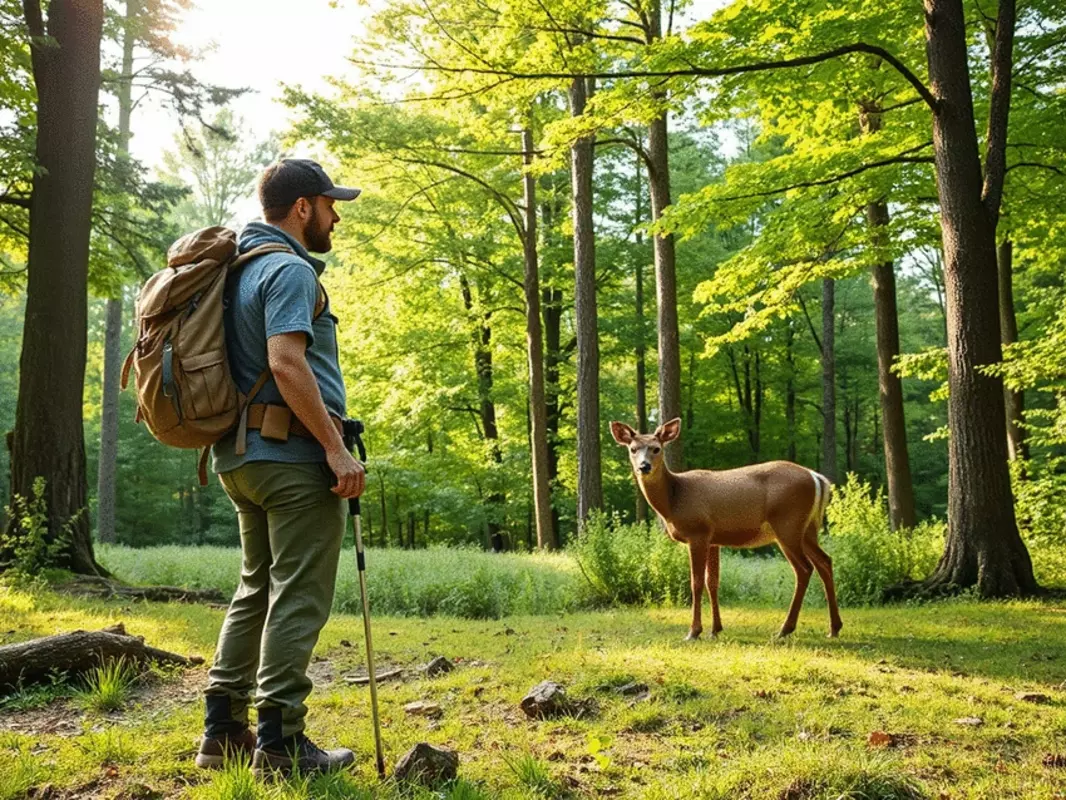
When I set out on a trail, the last thing on my mind is the potential for weather hazards. However, understanding these risks is crucial for a safe hiking experience. Weather can change rapidly in the outdoors, and being aware of the potential hazards can make a significant difference in your safety and enjoyment. It’s important to recognize that even a beautiful day can quickly turn into a stormy situation.
One of the biggest lessons I've learned from my hiking adventures is to always respect the power of nature. Each hike offers unique weather conditions that can affect your journey. By being informed and prepared, you not only safeguard your own experience but also set an example for fellow hikers. Let's dive into how we can recognize and respond to these weather hazards.

The Importance of Recognizing Weather Hazards While Hiking
Recognizing weather hazards is about more than just avoiding discomfort; it’s about ensuring personal safety and the safety of those around you. For comprehensive guidance on safe outdoor practices, the National Park Service provides valuable hiking safety tips. Trail conditions can shift dramatically, and understanding the signs of impending weather changes can keep you from finding yourself in a dangerous situation. Being proactive allows you to adapt your plans accordingly and enjoy your adventure to the fullest!
- Increased awareness can help prevent accidents caused by sudden weather changes.
- Knowing the signs of bad weather can lead to timely decisions, such as turning back or seeking shelter.
- Awareness fosters a greater appreciation for nature and its unpredictable beauty.
I've often been caught off guard by unexpected weather changes, and it’s taught me to always keep an eye on the sky. Trust me, that little bit of vigilance goes a long way!
Types of Weather Hazards Encountered in the Outdoors
As a hiker, it's essential to understand the various types of weather hazards you might encounter. Each poses its unique risks and requires different preparedness strategies. Let’s break down some of the major ones:
- Thunderstorms: These can develop quickly and bring lightning, strong winds, and heavy rain.
- Flash floods: Sudden downpours can turn streams into raging torrents, creating dangerous situations.
- Extreme heat: High temperatures can lead to dehydration and heat-related illnesses. Learn more about outdoor heat safety from Weather.gov.
- Cold weather: Exposure to cold can result in hypothermia and frostbite.
Understanding these hazards will help you anticipate risks on your hike. I’ve learned that preparation is key to enjoying the trail without unnecessary stress!
Understanding Thunderstorms and Lightning Risks on Hiking Trails
Thunderstorms can be particularly treacherous for hikers. The combination of lightning strikes and sudden downpours can make trails slippery and treacherous. If you hear thunder, it’s time to take action. For detailed advice on this, the American Hiking Society offers crucial lightning safety guidelines. Find a safe place to wait it out, ideally away from tall trees or open fields. I've had moments when I felt the thrill of a storm approaching, and I knew it was time to head back!
Recognizing Flash Flood Signs and Their Implications for Hikers
Flash floods can occur with little warning, especially in canyons or areas near water. It's vital to recognize the signs—dark, ominous clouds, rapidly rising water levels, and an unusual roar of rushing water can all indicate an imminent flood. If you notice these signs, it’s best to reconsider your position and move to higher ground. Trust me, the safety of your hike depends on it!
Pro Tip
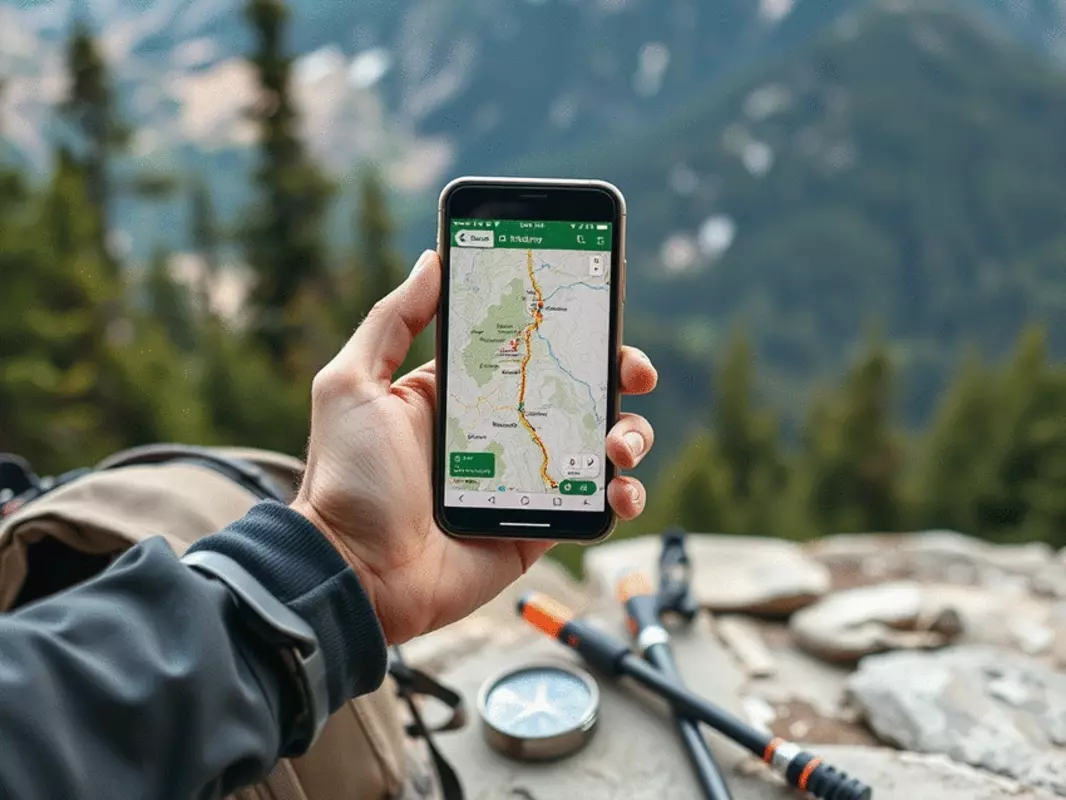
Always carry a portable weather radio or a reliable weather app on your phone. These tools can provide real-time updates on changing weather conditions, ensuring that you are prepared for any sudden shifts while on the trail!
Frequently Asked Questions About Hiking Weather Hazards
What are the most common weather hazards hikers face?
Hikers commonly encounter thunderstorms, flash floods, extreme heat, and cold weather. Each poses unique risks and requires specific preparedness strategies.
How can I recognize an approaching thunderstorm while hiking?
Signs of an approaching thunderstorm include dark, ominous clouds, distant thunder, and a sudden drop in temperature. If you hear thunder, it's advised to seek shelter immediately.
What should I do if I suspect a flash flood?
If you notice signs like rapidly rising water levels, unusual roaring sounds, or heavy rainfall, move to higher ground as quickly and safely as possible. Avoid crossing flooded areas.
How important is checking the weather forecast before a hike?
Checking the weather forecast is crucial. It helps you anticipate conditions, pack appropriate gear, and make informed decisions about whether to proceed with your hike or adjust your plans.
Why is it important to inform someone about my hiking plans?
Informing someone about your route and expected return time ensures that if you encounter an emergency, help can be dispatched more quickly, especially if you are in an area with limited communication.
Summarizing Key Strategies for Safe Hiking in Varied Weather Conditions
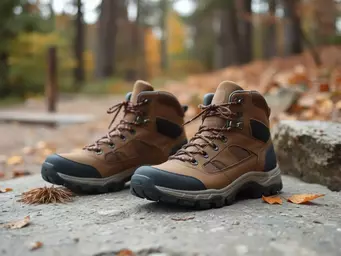
As we lace up our hiking boots and set off on our adventures, it's crucial to remember that preparation is the key to a safe and enjoyable experience. Weather can change rapidly, and being aware of potential hazards can make all the difference. Here are some final tips for ensuring your hiking trips remain safe, no matter what Mother Nature throws at you!
- Check the weather forecast regularly before your hike.
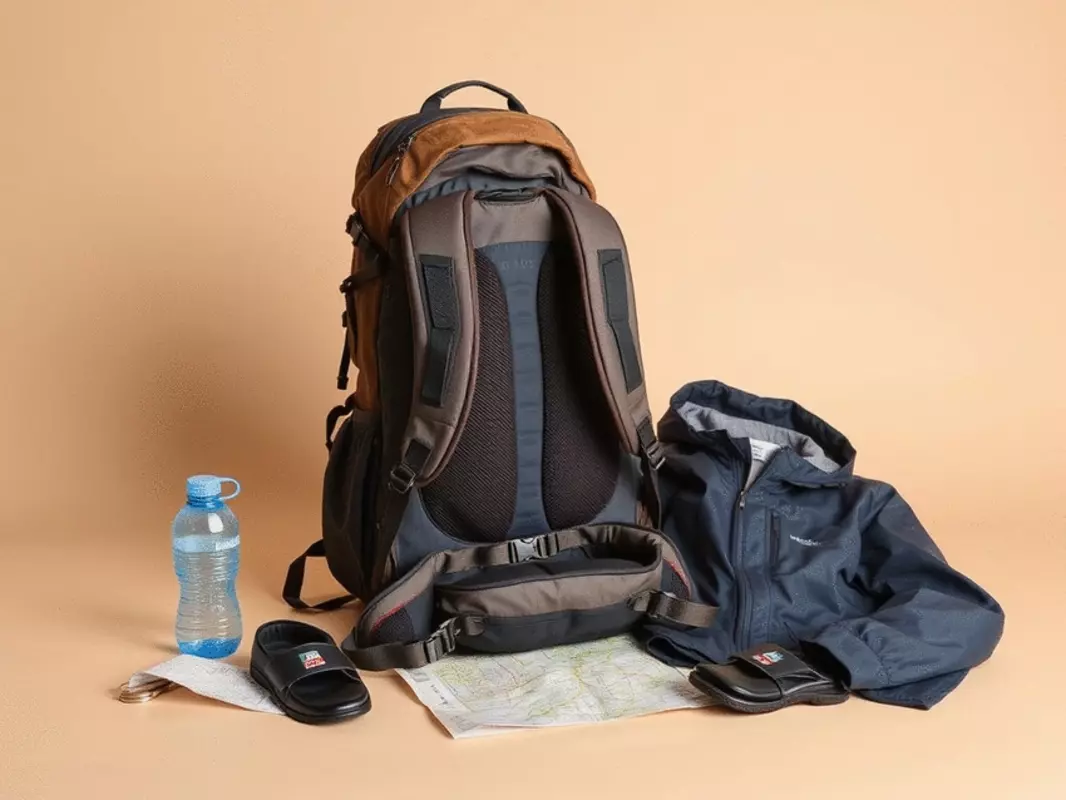
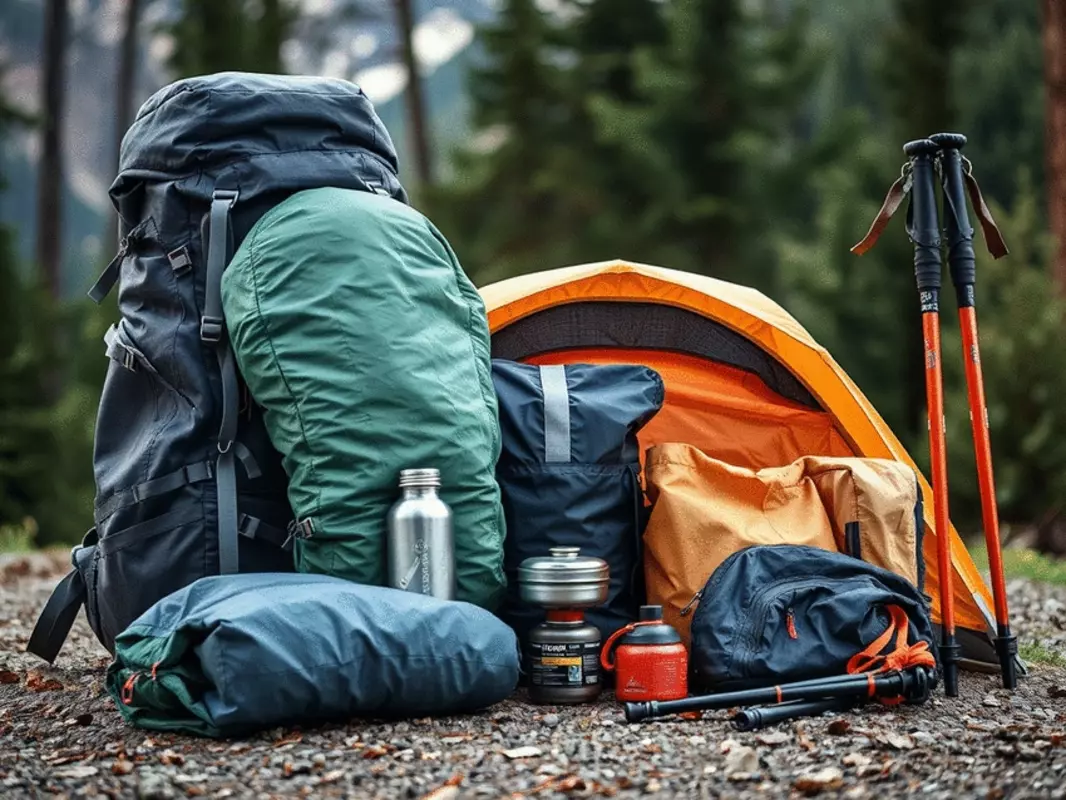
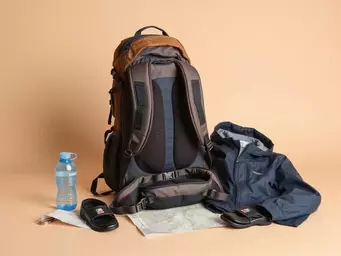
- Pack essential gear tailored for the weather conditions you expect.
- Inform someone about your plans, including your route and expected return time.
- Stay updated on trail conditions and any weather advisories.
- Be adaptable; if conditions worsen, don’t hesitate to turn back.
Each of these strategies contributes significantly to safer hiking experiences. For instance, I always make it a point to check my favorite weather apps before I head out. They provide real-time updates that can alert me to any sudden changes. What do you do to stay informed before hitting the trails?

Final Tips for Preparation and Awareness Before Hitting the Trails
Staying aware and prepared can elevate your hiking experience from ordinary to extraordinary! Here are my top recommendations:
- Layer your clothing to easily adjust to temperature changes.
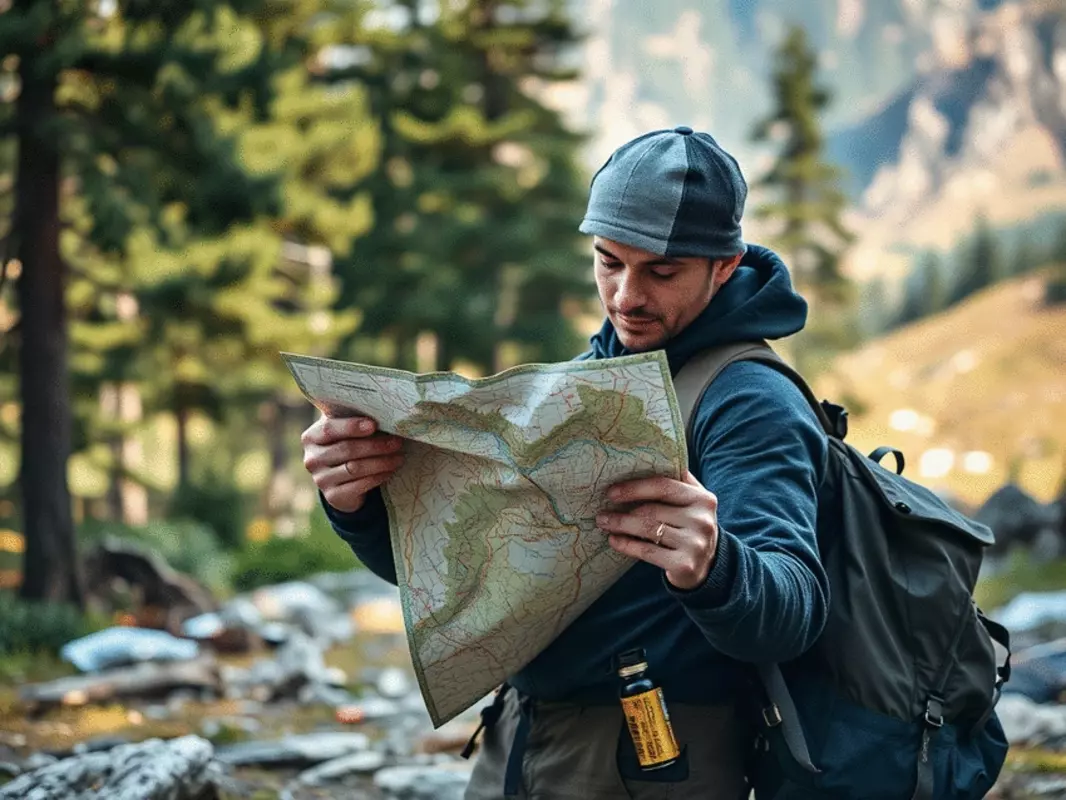
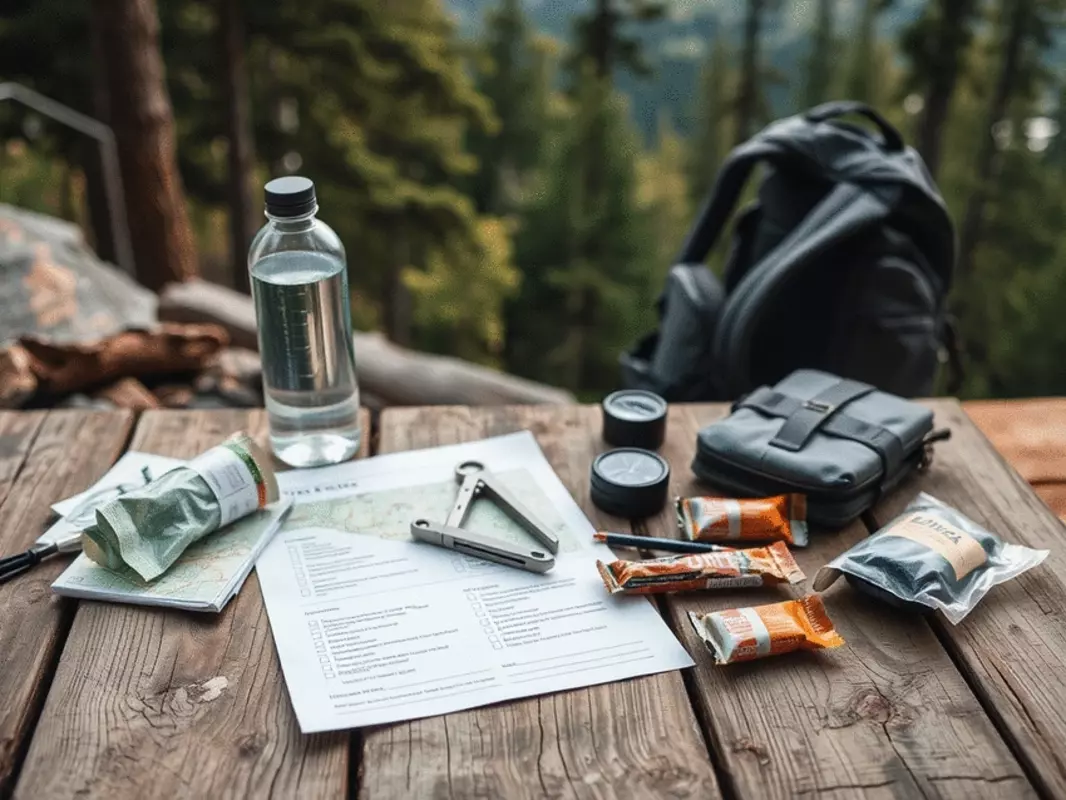
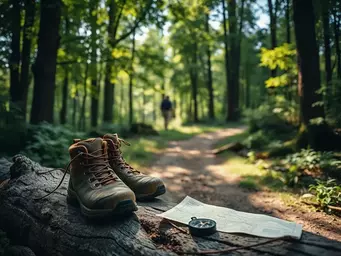
- Bring a reliable map or GPS device, especially in remote areas.
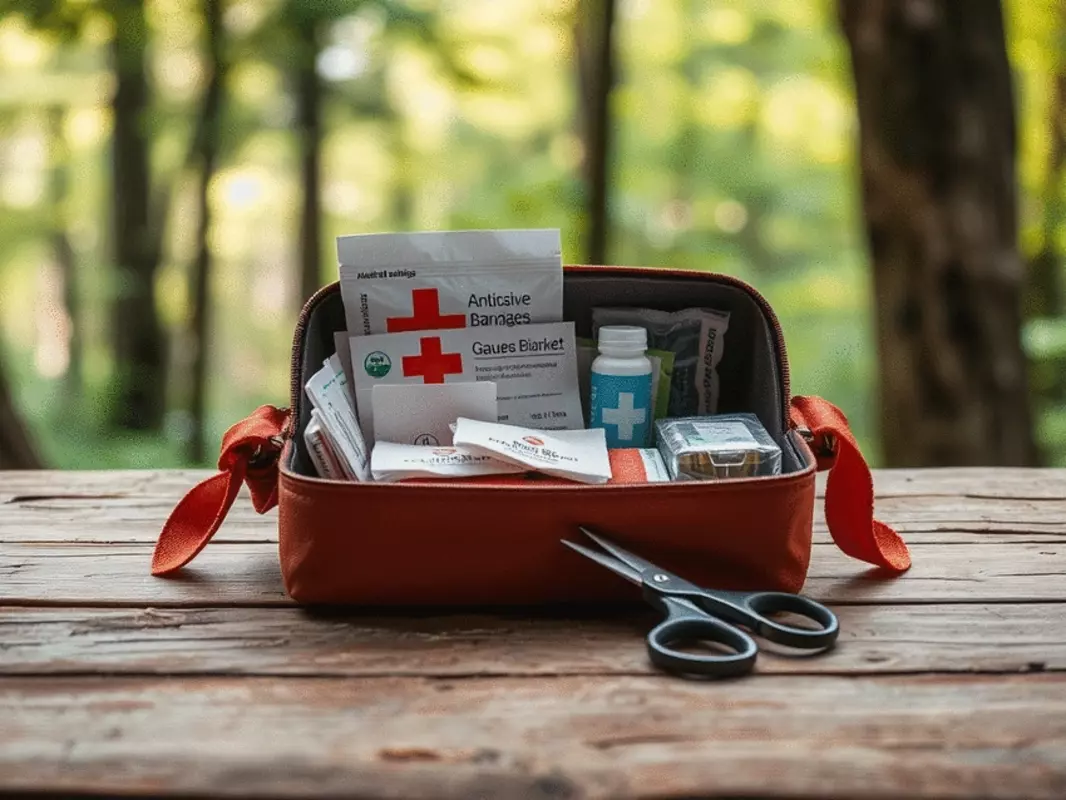
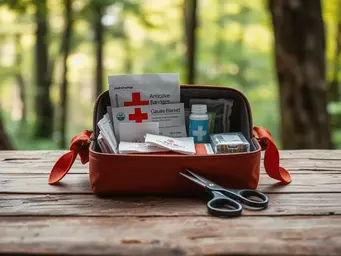
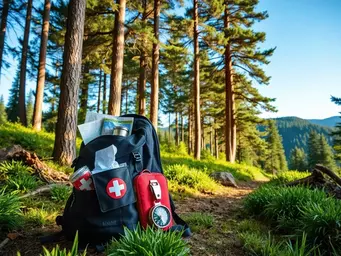
- Carry a first aid kit and know how to use it.
- Keep snacks and plenty of water to maintain energy levels.
- Familiarize yourself with the trail and emergency exit routes.
These simple practices can keep you focused on the beauty around you rather than worrying about unexpected weather changes. Whenever I’m out on the trails, I reflect on how these small actions help keep myself and my hiking companions safe!
Encouraging Safe Practices: Share Your Experiences and Knowledge
Building a community of informed hikers is essential for safety on the trails. At Backpack Hiking, we believe sharing experiences enhances our collective knowledge. Whether it’s a story about a weather challenge you faced or a tip about gear that saved your trip, I encourage you to share your insights with fellow hikers!
- Discuss your hiking experiences on forums or social media groups.
- Join local hiking clubs to exchange tips and learn from each other.
- Attend workshops focusing on weather preparedness and outdoor safety.
By exchanging knowledge, we empower each other to explore the great outdoors safely. Have you ever shared a tip or learned something new from a fellow hiker? These moments are what make our hiking community strong!
Next Steps for Hiking Safety: Staying Informed and Engaged
Join Hiking Communities for Shared Knowledge on Weather Preparedness
One of the best resources for continuous learning is engaging with hiking communities. Whether online or in person, these groups offer a wealth of information on how to deal with various weather conditions. They provide support and camaraderie that enhance our outdoor experiences!
- Participate in discussion groups dedicated to outdoor safety.
- Follow social media pages focused on hiking and weather preparedness.
- Encourage friends and family to join you in these communities for shared learning.
Building connections with fellow hikers can enrich your adventures and provide you with insights that can be life-saving!
Download Our Emergency Kits and Safety Checklist for Hiking in All Weather Conditions
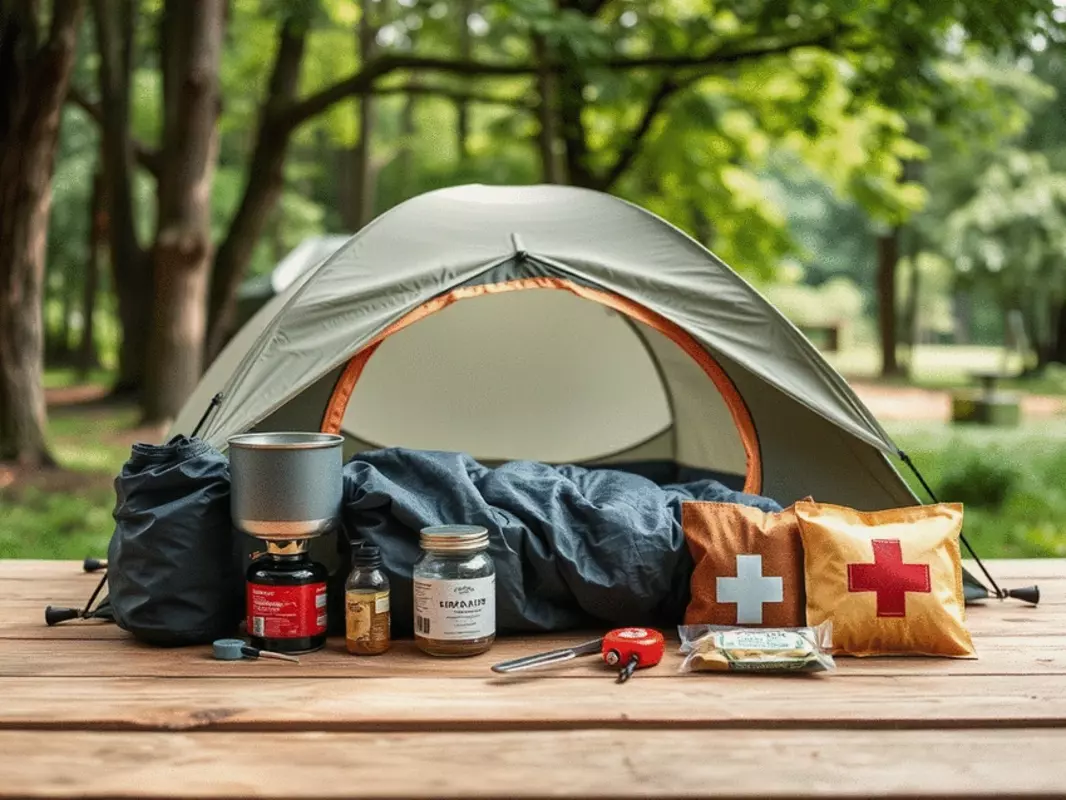
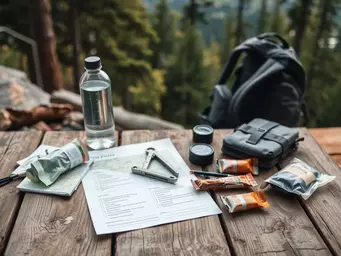
To further enhance your outdoor safety, I invite you to take advantage of our Emergency Kits and Safety Checklists available at Backpack Hiking. These tools are designed to help you prepare for any weather condition you may encounter on the trail!
- Our emergency kits include all essentials for unexpected weather events.
- Checklists ensure you pack all the necessary gear before your hike.
- Stay prepared with our tips on gear maintenance and first aid.
Remember, preparation is not just about having the right gear; it’s about being informed and ready for anything! Let’s work together to create a safer hiking environment for everyone.
Recap of Key Points
Here is a quick recap of the important points discussed in the article:
- Always respect the power of nature and be aware of changing weather conditions.
- Recognize signs of weather hazards like thunderstorms, flash floods, extreme heat, and cold weather.
- Preparation is key: Check weather forecasts, pack essential gear, and inform someone about your plans.
- Stay adaptable; if conditions worsen, don’t hesitate to turn back.
- Engage with hiking communities to share knowledge and experiences for better preparedness.