Camping Without Bugs: Simple Tips
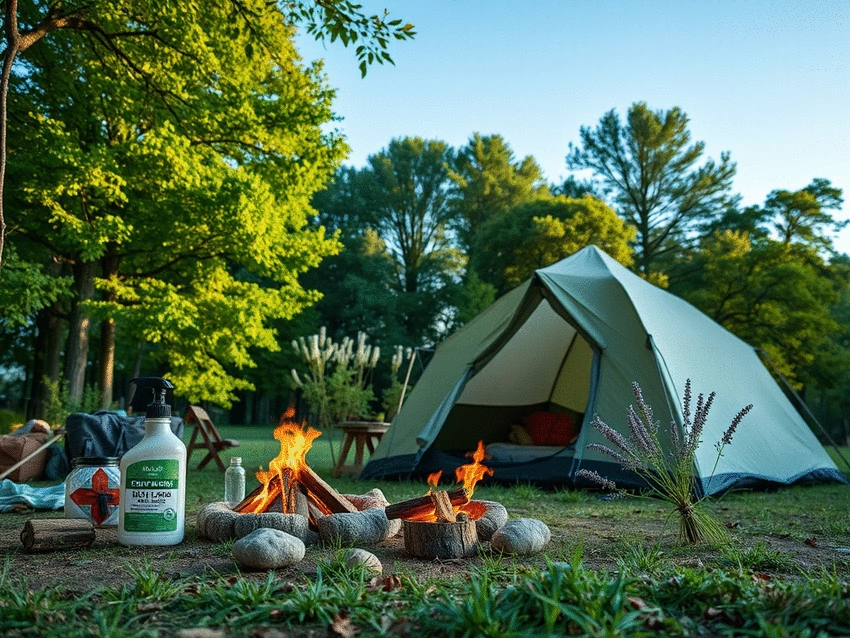
Imagine sitting around the campfire, the sun setting behind the trees, and the sound of nature surrounding you. Now, picture that moment being interrupted by relentless mosquitoes and biting insects. Understanding bug control can transform this experience from frustrating to serene.
What You Will Learn
- The significance of bug control for enhancing both comfort and health during camping trips.
- Common insects to be cautious of, including mosquitoes, ticks, ants, and flies.
- Potential health risks associated with bug bites, such as Lyme disease and allergic reactions.
- Effective strategies for bug control, including choosing appropriate repellents and utilizing natural deterrents.
- Safety tips for selecting bug control products suitable for both children and pets.
Key Strategies for Effective Bug Control While Camping
Ensuring a comfortable and safe camping experience involves understanding the common bug threats and implementing effective control strategies. The visual below outlines the types of bugs to watch out for and the recommended strategies to keep them at bay.
Common Pests to Watch Out For
- • Mosquitoes: Thrive in warm weather, transmit diseases.
- • Ticks: Found in grassy areas, carry Lyme disease.
- • Ants: Invade food, some deliver painful bites.
- • Flies: Attracted to food, can carry diseases.
Awareness is the first step towards effective bug control.
Recommended Bug Control Strategies
- • Use effective repellents (DEET, Picaridin).
- • Utilize natural deterrents (Citronella, Eucalyptus).
- • Select bug-free camp locations.
- • Employ bug-repelling devices (Thermacell, candles).
- • Treat clothing with Permethrin.
Combining these techniques ensures a bug-free zone.
Understanding the Importance of Bug Control While Camping
When I head out into the wild, one of my top priorities is bug control. There’s nothing worse than being surrounded by nature only to have your experience spoiled by pesky insects. Proper bug control not only enhances your comfort but also protects your health. It’s essential to stay aware of the little critters that might invade your campsite!
Keeping bugs at bay allows you to fully immerse yourself in the beauty of the outdoors. Imagine sitting around the campfire, sharing stories, without the constant buzzing of mosquitoes or ticks lurking nearby. That peaceful experience is what we all crave during our camping trips, right?

Why Keeping Bugs Away Matters for Your Camping Experience
One of the main reasons to focus on bug control is the overall enjoyment of your camping experience. Bugs can turn a relaxing retreat into a frustrating ordeal, affecting your mood and willingness to explore. Plus, they can carry diseases that pose serious health risks. For comprehensive information on staying safe in the backcountry, the National Park Service provides valuable backcountry safety guidelines.
- Comfort: A bug-free environment allows you to relax and enjoy your surroundings.
- Health: Protecting yourself from bites can prevent illnesses like Lyme disease and West Nile virus.
- Experience: Keeping bugs away enables you to engage fully in activities like hiking and cooking outdoors.
By understanding the importance of bug control, we can take proactive steps to ensure our camping experiences remain enjoyable and safe. This way, we can focus on what truly matters: connecting with nature and creating lasting memories.
Common Types of Bugs to Watch Out For: Mosquitoes, Ticks, and More
During my years of hiking and camping, I’ve encountered a variety of bugs that can disrupt a perfect outing. Here are some common insects to keep an eye on while camping:
- Mosquitoes: These pests thrive in warm weather and can make evenings unbearable.
- Ticks: Often found in grassy areas, ticks can attach themselves to your skin, posing significant health risks.
- Ants: Some species can invade your food, while others can deliver painful bites.
- Flies: They can be attracted to food and can carry diseases.
Staying informed about these bugs and their behaviors will help you take the necessary precautions while enjoying your camping adventures. Remember, awareness is the first step towards effective bug control!
Understanding the Risks of Bug Bites: Health Concerns for Campers
It’s crucial to recognize that some bug bites can lead to serious health concerns. Mosquitoes, for instance, are not just an annoyance; they can transmit diseases such as Zika virus and malaria. Ticks, on the other hand, can carry Lyme disease, which can have long-lasting effects if not treated promptly. For detailed information on environmental hazards, including those posed by mosquitoes, ticks, and other arthropods, the CDC offers comprehensive guidelines.
- Allergic Reactions: Some individuals may experience severe allergic reactions to bug bites.
- Infections: Scratching bites can lead to infections, complicating your camping experience.
- Long-Term Health Issues: Diseases transmitted by bugs can lead to chronic health problems.
By understanding these risks, we can take proactive measures to protect ourselves and our loved ones. Bug control isn’t just about comfort; it’s about ensuring a safe and enjoyable experience in the great outdoors!
Interactive Poll: Your Bug Control Preferences
When it comes to bug control while camping, what's your go-to strategy? Select your preferred method below:
Summarizing Effective Bug Control Strategies for Campers
As an outdoor enthusiast, I can tell you that a successful camping trip often hinges on effective bug control. That’s why it’s essential to integrate multiple approaches for the best results. Whether you’re a seasoned camper or just getting started, combining various strategies can ensure you stay comfortable and protected from pesky insects during your adventures. The U.S. Forest Service offers valuable safety tips for outdoor camping, including advice on managing wildlife and insects.
Here are some key strategies I recommend for optimal bug control:
- Choose the right repellent—go for DEET, Picaridin, or natural alternatives.
- Utilize essential oils like citronella or eucalyptus as natural deterrents.
- Set up camp in areas with fewer bugs by selecting sites wisely.
- Incorporate bug-repelling devices like Thermacell or citronella candles.
- Practice proper clothing treatments using Permethrin for added protection.
By adopting a mix of these techniques, you can create a bug-free zone that allows you to enjoy nature without distraction. And trust me, nothing beats the peace of mind that comes from knowing you've taken the right steps to protect yourself and your loved ones.
Family and Pet Safety: Choosing the Right Products for Everyone
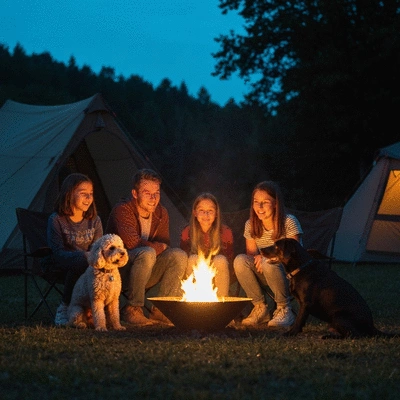
Your family's safety—including your furry friends—is a top priority when camping. As a pet owner myself, I’ve learned that not all bug repellents are suitable for everyone. It’s crucial to research and select products that are safe for both children and pets. Natural options tend to be the best choice, but it's always wise to read labels carefully.
Here are some points to consider when choosing bug control products for your family:
- Look for DEET-free options, especially for young kids.
- Consider products with natural ingredients like citronella or lemongrass.
- Always test repellents on a small skin area to check for allergies.
- Keep pets away from any treated areas until dry.
- Consult your veterinarian for recommendations on pet-safe solutions.
With the right precautions, you can ensure a safe and enjoyable experience for everyone in your camping crew. Remember, the goal is to connect with nature, not to worry about bug bites!
Frequently Asked Questions About Bug Control While Camping
- Q: Why is bug control important for camping?
- A: Bug control is crucial for enhancing comfort, protecting health from potential diseases carried by insects, and ensuring a more enjoyable camping experience free from constant irritation.
- Q: What are the common bugs to watch out for during camping trips?
- A: Common bugs include mosquitoes (which can transmit diseases like Zika virus and malaria), ticks (known carriers of Lyme disease), ants (some of which can bite and invade food), and flies (which can carry diseases and are attracted to food).
- Q: What are the health risks associated with bug bites?
- A: Bug bites can lead to allergic reactions, infections from scratching, and long-term health issues if the bugs transmit diseases such as Lyme disease, West Nile virus, Zika virus, or malaria.
- Q: What are some effective strategies for bug control?
- A: Effective strategies include using repellents like DEET or Picaridin, natural deterrents such as citronella and eucalyptus, selecting bug-free camp locations, employing bug-repelling devices (e.g., Thermacell, candles), and treating clothing with Permethrin.
- Q: How can I ensure bug control products are safe for my family and pets?
- A: When choosing products, look for DEET-free options for young children, consider natural ingredients like citronella or lemongrass, always test repellents on a small skin area for allergies, keep pets away from treated areas until dry, and consult a veterinarian for pet-safe solutions.
Recap of Key Points
Here is a quick recap of the important points discussed in the article:
- Prioritize Bug Control: Essential for comfort and health during camping trips.
- Common Bugs to Watch Out For: Be mindful of mosquitoes, ticks, ants, and flies.
- Health Risks: Bug bites can transmit diseases like Lyme disease and Zika virus.
- Effective Strategies: Use repellents, essential oils, and bug-repelling devices.
- Family and Pet Safety: Choose safe bug control products for everyone in your camping group.