Ultralight Backpacking Gear Essentials
What if the next hike you take is not just about reaching a destination, but about embracing the freedom of your journey? Ultralight backpacking is all about simplifying your gear and maximizing your outdoor experience, allowing you to savor every moment in nature.
What You Will Learn
- Adopting a weight-saving mindset enhances mobility and endurance on the trail.
- The importance of evaluating your gear to ensure only essentials are carried.
- Understanding base weight can transform your hiking experience, with a goal of under 10 pounds for ultralight backpacking.
- Choosing specialized gear, such as lightweight backpacks and efficient cooking systems, is crucial for comfort and safety.
Ultralight Backpacking: Key Concepts and Gear Considerations
This visual summarizes the core principles and essential gear categories for successful ultralight backpacking, highlighting the importance of base weight and strategic choices.
Ultralight Philosophy: Minimize Weight, Maximize Enjoyment
Weight-Saving Mindset
Prioritize weight savings in every gear choice to enhance mobility.
Essentialism
Carry only what is absolutely necessary for your planned adventure.
Comfort & Safety
Ensure lightweight gear still meets safety and comfort standards.
Base Weight Importance
Aim for under 10 lbs (4.5 kg) base weight for true ultralight status.
Key Gear Considerations for Ultralight Hiking
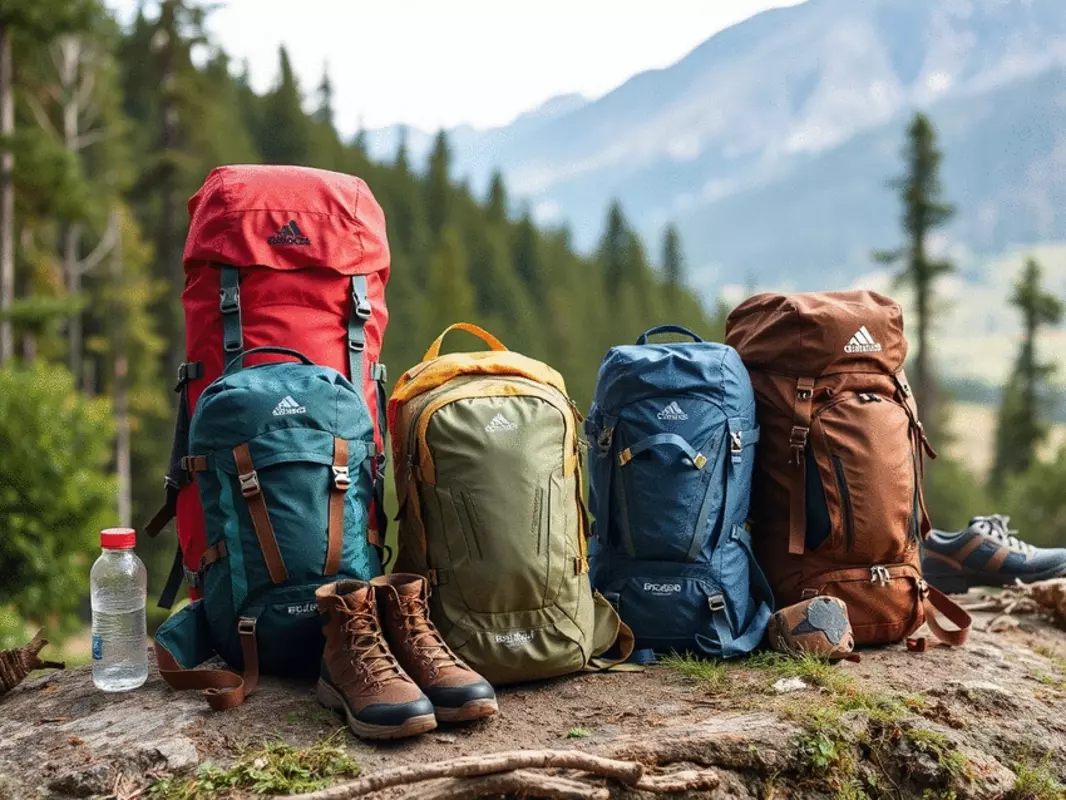
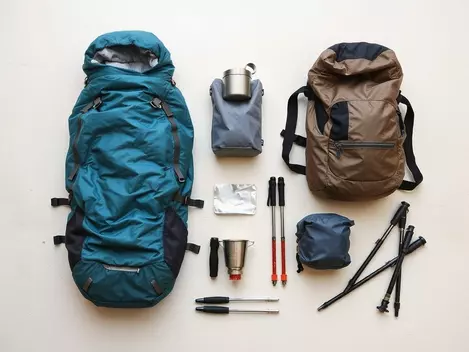
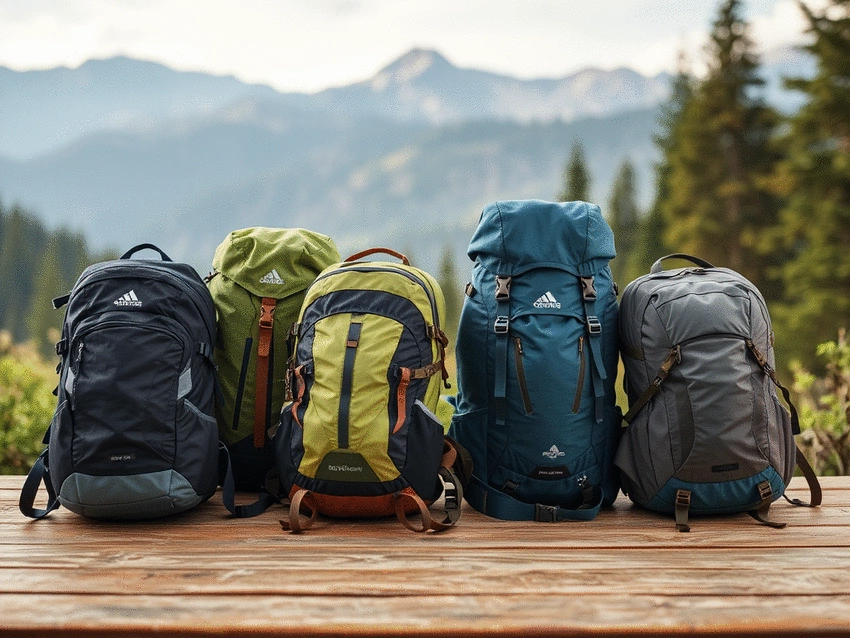
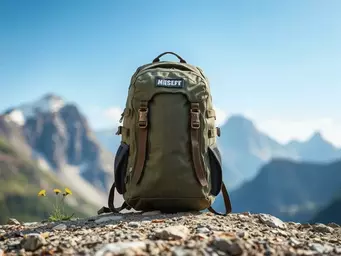
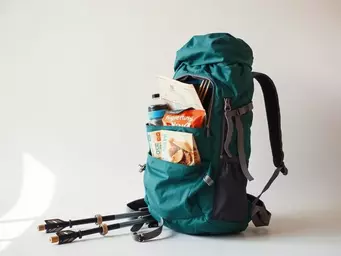
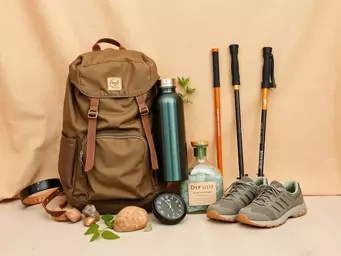
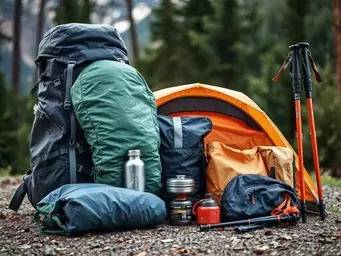
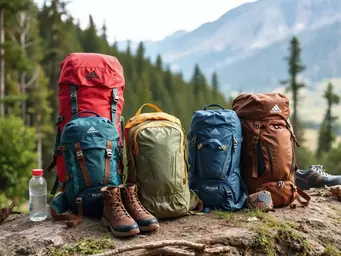
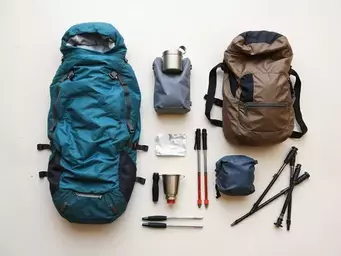
Lightweight Backpack
Invest in a well-fitting pack designed for minimal weight.
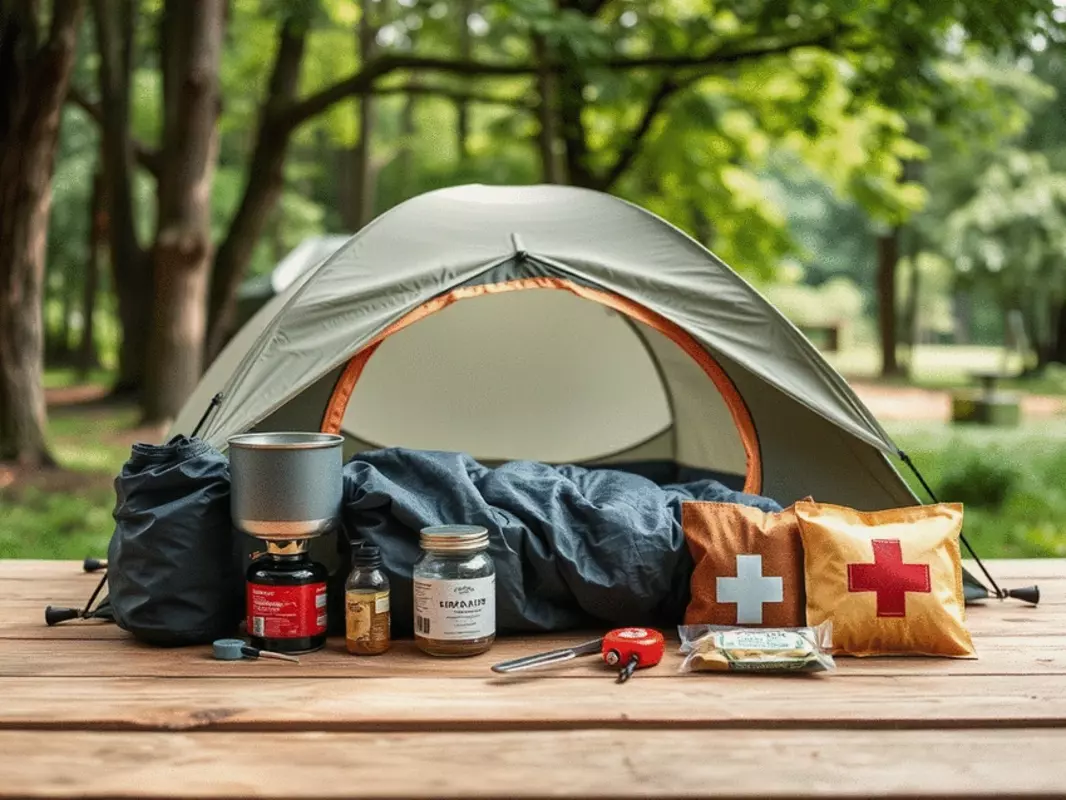
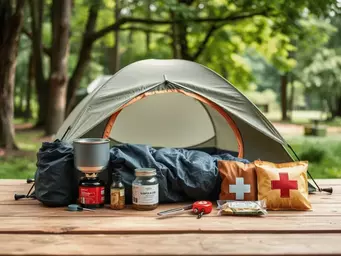
Efficient Shelter
Choose optimal protection with minimal weight and bulk.
Compact Sleeping System
Balance warmth and packability for a good night's rest.
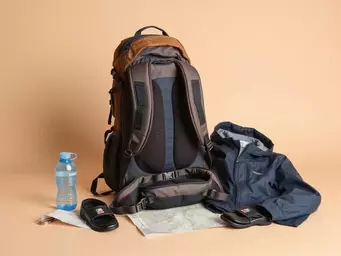
Layered Clothing
Minimal layers that adapt to changing weather conditions.
Efficient Cooking System
Prepare meals with minimal, lightweight cooking gear.
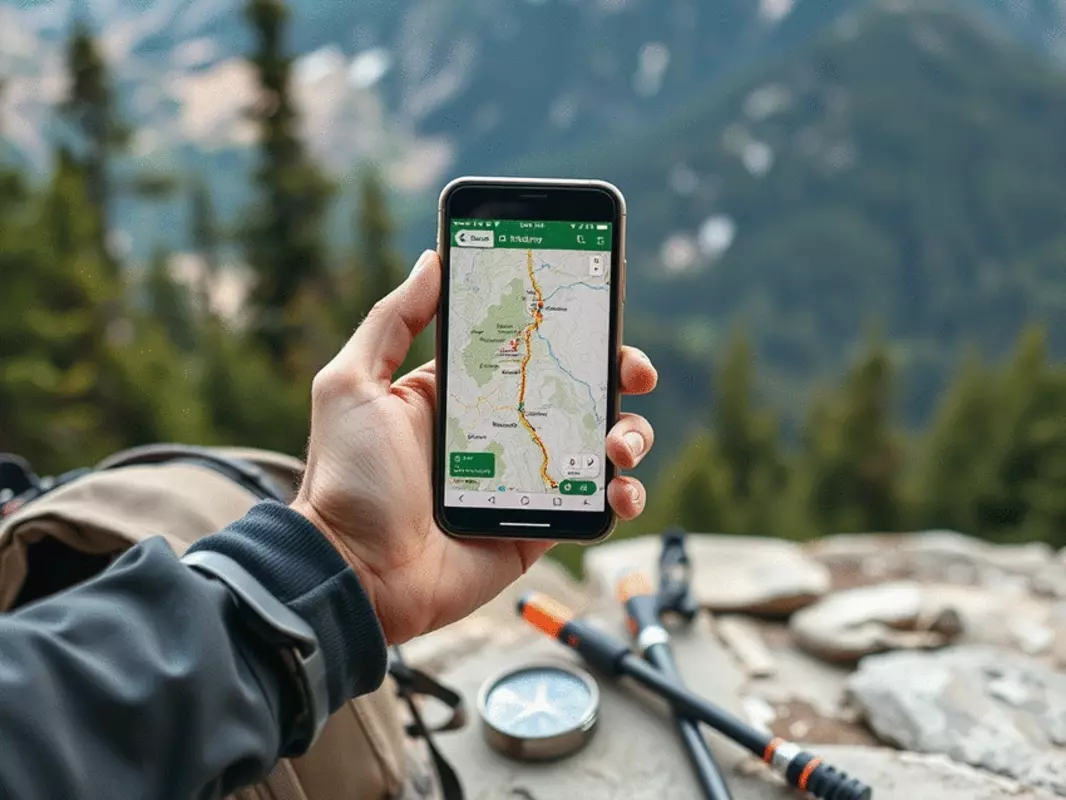
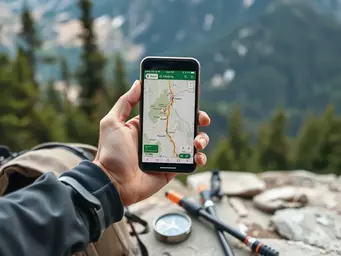
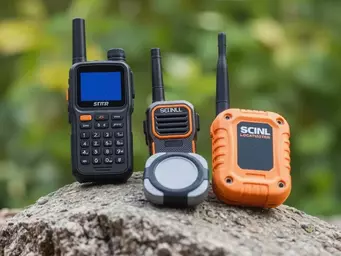
Navigation & Safety
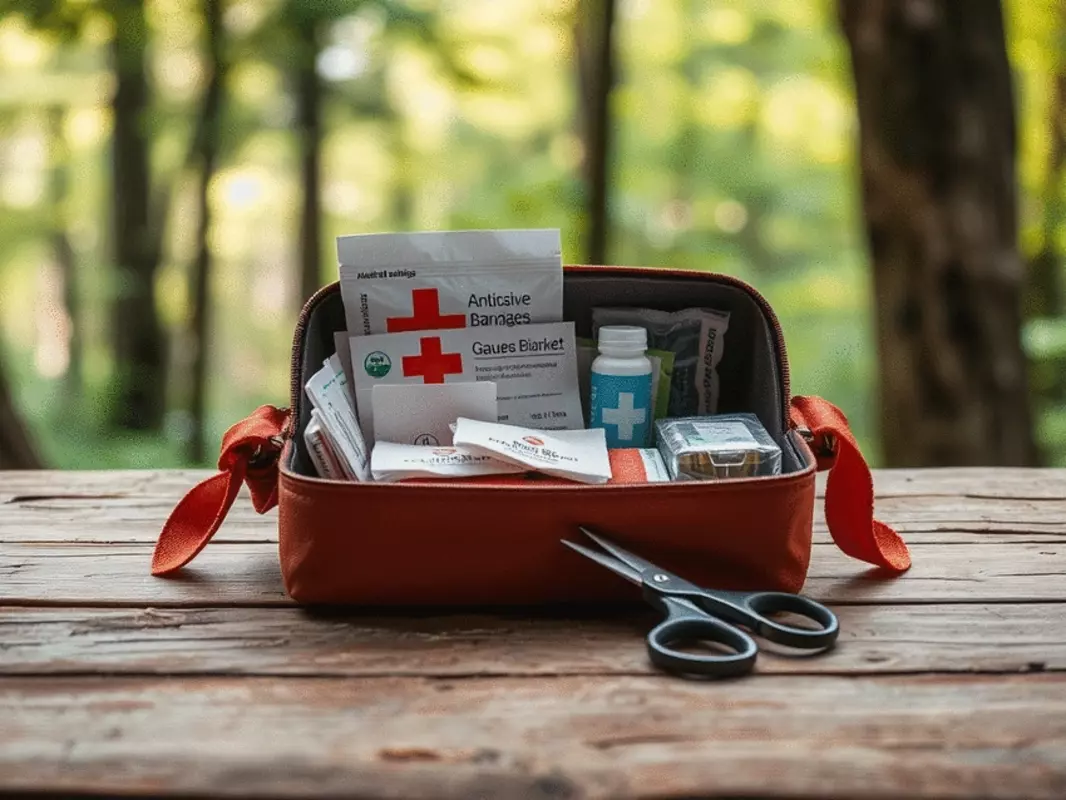
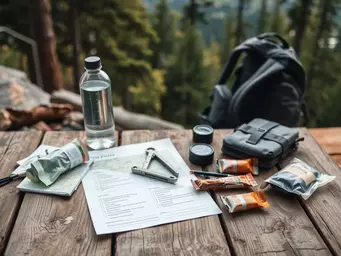
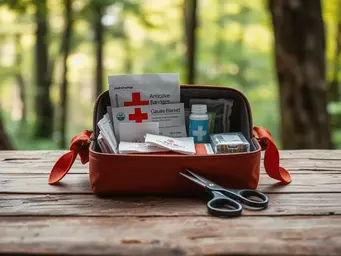
Even with ultralight, never compromise on essential safety items like maps and first aid.
Understanding Ultralight Backpacking: Principles and Benefits
As an avid outdoors enthusiast, I’ve found that ultralight backpacking offers a refreshing approach to exploring our beautiful trails. It’s more than just a trend; it embodies a philosophy of minimizing weight while maximizing enjoyment. By carrying just the essentials, you can truly embrace the beauty of nature without the burden of heavy gear weighing you down. This section will delve into the core principles of ultralight backpacking and the benefits that come with it!
At Backpack Hiking, we've seen how shifting to an ultralight mindset can transform your hiking experience. Imagine gliding along a trail, feeling light and agile, with nothing holding you back. The idea is to simplify, allowing more focus on the adventure ahead and the stunning landscapes surrounding you. Trust me, once you integrate these principles into your hiking routine, you’ll wonder how you ever trekked with heavy loads!

Defining Ultralight Backpacking and Its Philosophy
Ultralight backpacking is defined by its commitment to minimizing weight without sacrificing safety or comfort. This means selecting equipment carefully and focusing on what truly matters. The core philosophy encourages hikers to ask themselves: “Do I really need this?” By evaluating each piece of gear, you can make informed decisions that promote a lighter pack. For further reading on essential ultralight gear, REI's expert advice on ultralight backpacking gear essentials offers valuable insights.
- Weight-Saving Mindset: Shift your perspective to prioritize weight savings in every gear choice.
- Essentialism: Carry only what you need for your planned adventure.
- Comfort and Safety: Ensure that your lightweight gear still meets safety standards and keeps you comfortable.
Embracing the ultralight philosophy not only enhances your enjoyment in the wild but also encourages a deeper connection with nature. By packing light, you become more aware of your surroundings, noticing details that might have otherwise gone overlooked. For general outdoor safety and preparedness, the National Park Service website provides comprehensive information on enjoying nature responsibly.
Why Weight Matters: The Importance of Base Weight for Hikers
When considering ultralight backpacking, understanding your base weight is crucial. Base weight refers to the weight of your gear minus consumables like food and water. Typically, a base weight of under 10 pounds is considered ultralight, while anything above is deemed traditional backpacking. By keeping your base weight low, you can tackle longer trips and more challenging terrain with increased ease. For an ultimate ultralight backpacking gear checklist, refer to resources like Cascades Designs' guide.
- Enhanced Mobility: A lighter pack allows for quicker movements on the trail.
- Increased Endurance: Carrying less means less fatigue, letting you hike longer.
- Improved Enjoyment: With less weight, you can focus on the journey instead of the strain of the pack.
As I continue my adventures, I've noticed that the lighter my pack, the more I savor each moment outdoors. It's surprising how much energy you can conserve simply by being mindful of what is in your pack. So, before your next hike, take a moment to assess your base weight—it might just lead to your most rewarding hiking experiences yet!
Frequently Asked Questions About Ultralight Backpacking
1. What is ultralight backpacking?
Ultralight backpacking is an approach to hiking that prioritizes minimizing the weight of your gear to enhance mobility, endurance, and overall enjoyment on the trail. The core philosophy is to carry only essential items.
2. What is "base weight" in ultralight backpacking?
Base weight refers to the total weight of all your gear, excluding consumables such as food, water, and fuel. For a backpack to be considered ultralight, its base weight typically aims to be under 10 pounds (approximately 4.5 kg).
3. Why is reducing base weight important?
Reducing base weight offers several benefits: it enhances your mobility, allowing for quicker and easier movement; it increases your endurance by reducing fatigue; and it improves your overall enjoyment as you can focus more on the natural surroundings rather than the burden of a heavy pack.
4. What are the key gear considerations for ultralight backpacking?
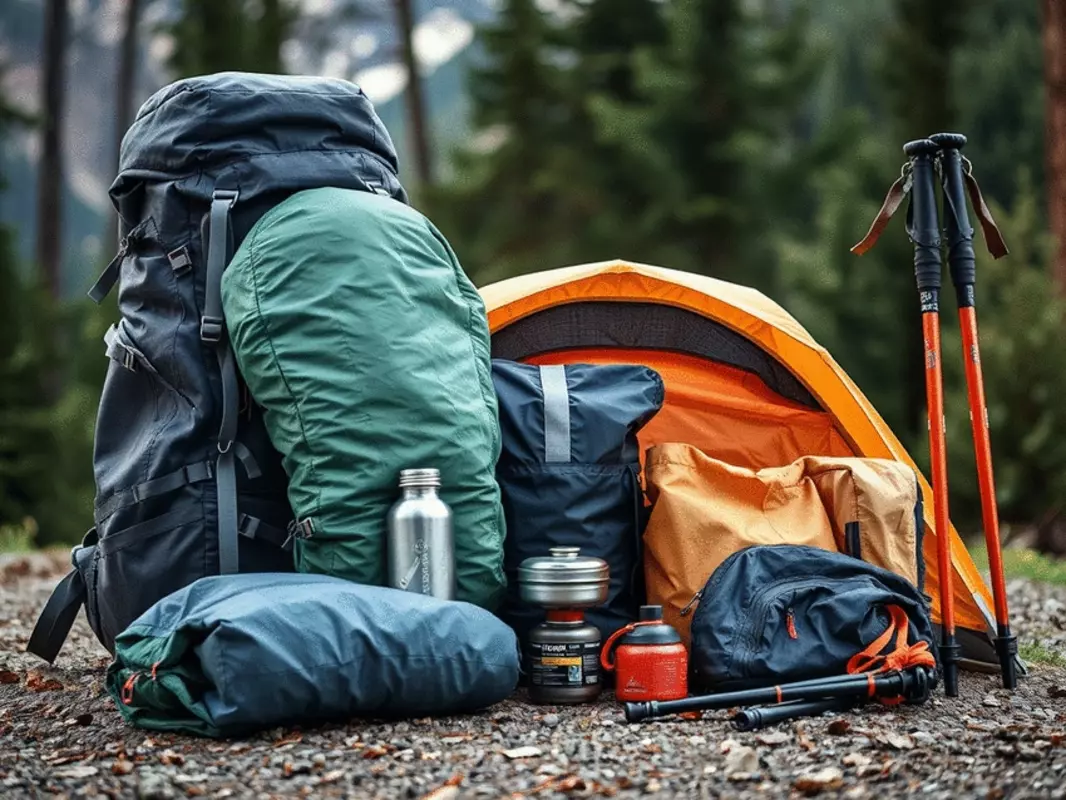
Key gear considerations include investing in a lightweight and well-fitting backpack, choosing an efficient shelter with minimal weight, selecting a compact sleeping system that balances warmth and packability, opting for layered clothing adaptable to various conditions, and using an efficient cooking system. It's also crucial to not compromise on essential navigation and safety items.
5. How can I start adopting an ultralight backpacking mindset?
Start by evaluating every item you pack and asking, "Do I really need this?" Prioritize multi-functional gear, choose lightweight materials, and continuously assess your gear list to identify areas for weight reduction without sacrificing safety or comfort.
We Want to Hear From You!
As you consider your own ultralight backpacking journey, what aspect do you find most challenging? Share your thoughts below:
Summarizing Key Takeaways for Ultralight Backpacking Success
As we wrap up our exploration of ultralight backpacking, it's essential to highlight the key gear considerations that can make or break your hiking experience. When you’re out there on the trail, every ounce counts, and being strategic about your gear choices will enhance your adventure. Here’s a quick recap of what to prioritize:
- Invest in a lightweight backpack that fits well and is designed for comfort.
- Choose a shelter that offers optimal protection without adding unnecessary weight.
- Select sleeping systems that balance warmth and compactness for a good night's rest.
- Keep clothing choices minimal, focusing on layers that can adapt to changing weather conditions.
- Opt for efficient cooking systems that allow you to prepare meals with minimal gear.
Remember, the goal of ultralight backpacking is to maximize your enjoyment of the outdoors while minimizing your load. Each of these categories plays a crucial role in ensuring your gear supports your journey rather than hinders it!
Final Thoughts on Ultralight Backpacking for the Weight-Conscious Hiker
Ultralight backpacking is about embracing the freedom of the trail without the burden of excess weight. I’ve experienced firsthand how a well-planned pack can transform a hiking trip from a struggle to an exhilarating journey. It’s not just about the gear; it’s about connecting with nature and savoring every moment.
Whether you're a seasoned hiker or just stepping into the world of ultralight camping, remember to listen to your body and adjust your pack according to your personal needs. The key is to find that balance between comfort and efficiency, ensuring your backpacking trips are both enjoyable and memorable!
Engagement and Community Resources for Ultralight Hikers
Recommended Podcasts and Online Communities for Ultralight Backpacking
Diving into the world of ultralight backpacking can be more enriching when you tap into the collective knowledge of fellow hikers. I’ve found great value in connecting with others who share the same passion. Here are some excellent resources to consider:
- The Ultralight Backpacking Podcast - A fantastic resource for tips and stories from experienced hikers.
- Backpacking Light Forums - A community where you can ask questions and share insights.
- Facebook Groups - Look for ultralight hiking groups to connect with like-minded adventurers.
Engaging with these communities not only broadens your knowledge but also fosters a sense of camaraderie with fellow outdoor enthusiasts. Don’t hesitate to join discussions and seek advice!
Encouraging Readers to Share Their Experiences and Questions
As I conclude this section, I invite you to share your own ultralight backpacking experiences! Have you tried any gear that transformed your hikes? Or maybe you have questions about specific equipment choices? Your insights can help others in our Backpack Hiking community navigate their own journeys.
Feel free to drop your thoughts in the comments below! Let’s learn from one another and continue to foster our love for the great outdoors together. Happy hiking!
Recap of Key Points
Here is a quick recap of the important points discussed in the article:
- Weight-Saving Mindset: Prioritize weight savings in every gear choice.
- Essentialism: Carry only what you need for your planned adventure.
- Comfort and Safety: Ensure your lightweight gear meets safety standards and keeps you comfortable.
- Base Weight Awareness: Keep your base weight under 10 pounds for an ultralight experience.
- Strategic Gear Choices: Invest in lightweight and efficient gear to enhance your hiking experience.