Staying Safe with Wildlife Encounters
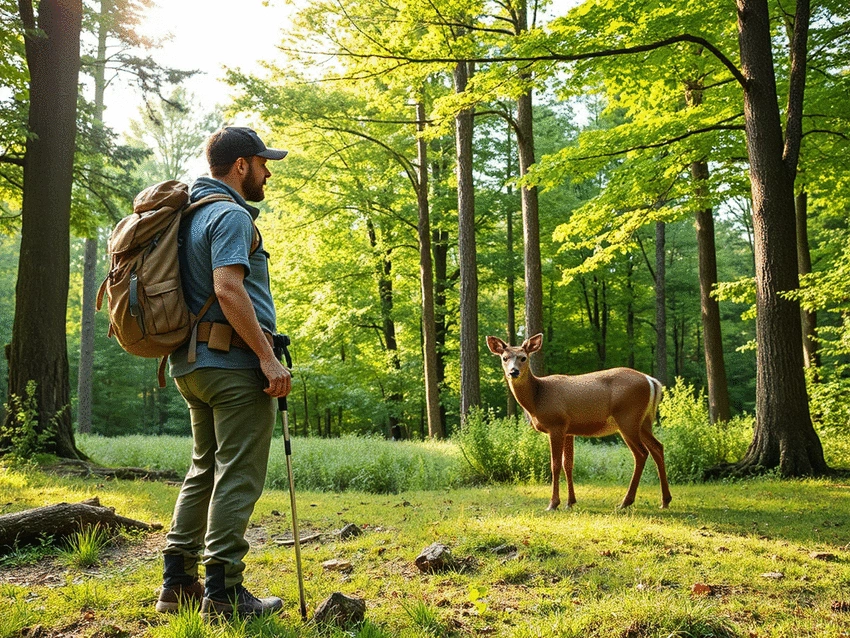
Every outdoor adventure comes with its own set of challenges and rewards. Among these is the critical aspect of wildlife safety. Understanding how to safely coexist with the local fauna not only enhances your experience but also fosters respect for the environment. Here’s what you can learn about wildlife safety to ensure that your next adventure is both thrilling and secure.
What You Will Learn
- The importance of respecting wildlife to prevent dangerous encounters and protect both hikers and animals.
- Key behaviors to exhibit around common wildlife, such as bears, mountain lions, and snakes, to enhance safety.
- Effective strategies for minimizing human-wildlife conflicts, including practicing Leave No Trace principles.
- Essential first aid tips for handling animal bites to prepare for any emergencies while adventuring outdoors.
- The value of educating yourself and others about wildlife safety to foster a responsible outdoor community.
Key Aspects of Wildlife Safety and Preservation
Ensuring safety in the outdoors involves a balance of personal precaution and environmental stewardship. The visual below highlights the critical components that contribute to a responsible and enriching wilderness experience.
Protecting Yourself
- ✓ Knowledge of animal behavior
- ✓ Traveling in groups
- ✓ Making noise
- ✓ Carrying bear spray
Preserving Wildlife
- ✓ Practice 'Leave No Trace'
- ✓ Educating others
- ✓ Supporting conservation
- ✓ Respecting habitats
Awareness & Preparation
- ● Check local wildlife reports
- ● Review trail guides
- ● Attend safety workshops
Emergency Response
- ⚠ Clean animal bites immediately
- ⚠ Apply antiseptic
- ⚠ Seek medical attention for severe bites
Understanding Wildlife Safety and Its Importance
Wildlife safety is a crucial aspect of any outdoor adventure. Whether you're hiking a well-trodden path or exploring a remote wilderness area, understanding how to coexist safely with the local fauna can make your experience much more enjoyable. The thrill of connecting with nature comes with responsibilities, especially when it involves wildlife. So, why is wildlife safety so important? Let’s dive in!
First and foremost, safety is about respect—respect for the animals that inhabit these wild areas and for ourselves as outdoor enthusiasts. Ensuring that we take the right precautions can prevent dangerous encounters and protect both wildlife and hikers alike. The wilderness is a delicate balance of life, and when we challenge that balance, we risk everything. For comprehensive guidelines on wildlife safety, you can refer to resources like those provided by the National Park Service on Health & Safety.
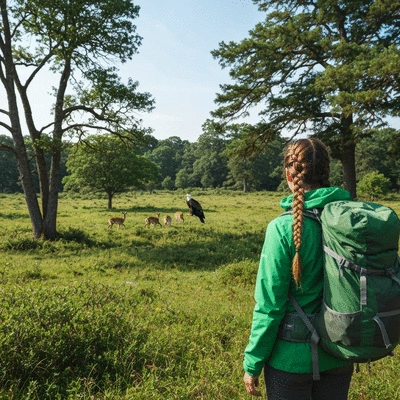
The Significance of Wildlife Safety in Outdoor Activities
Each year, thousands of people venture into nature to hike, camp, and explore. However, wildlife encounters can turn a fun day in the woods into a frightening situation. It’s essential to understand that many animals, while fascinating, can be unpredictable. Here are a few key points to consider:
- Protecting yourself: Knowing how to behave around animals like bears or mountain lions can save your life.
- Preserving wildlife: Safe practices help maintain the natural behaviors of animals, reducing the likelihood of human-wildlife conflicts.
- Enhancing your experience: Understanding wildlife can lead to more enriching encounters while minimizing risks.
As I’ve learned through my years of hiking with Backpack Hiking, a little knowledge goes a long way in ensuring everyone stays safe and unharmed. By respecting their environment, we allow wildlife to thrive, which is beneficial for the ecosystem.
Common Wildlife Encounters: What You Need to Know
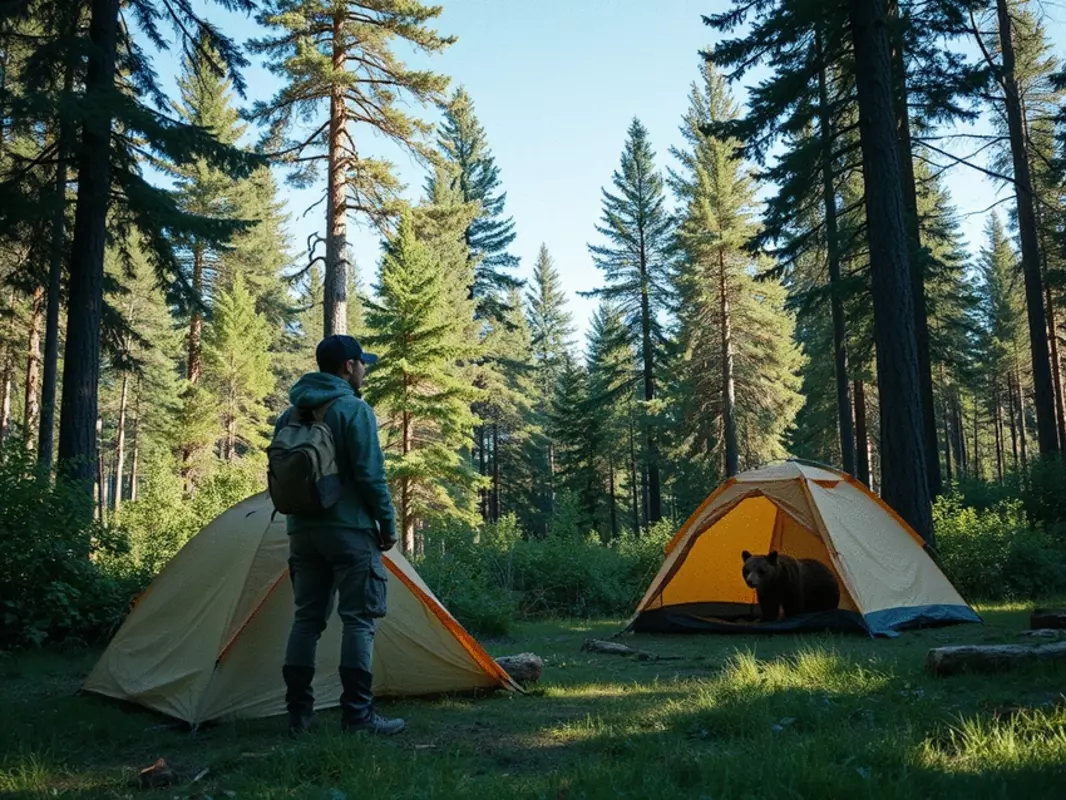
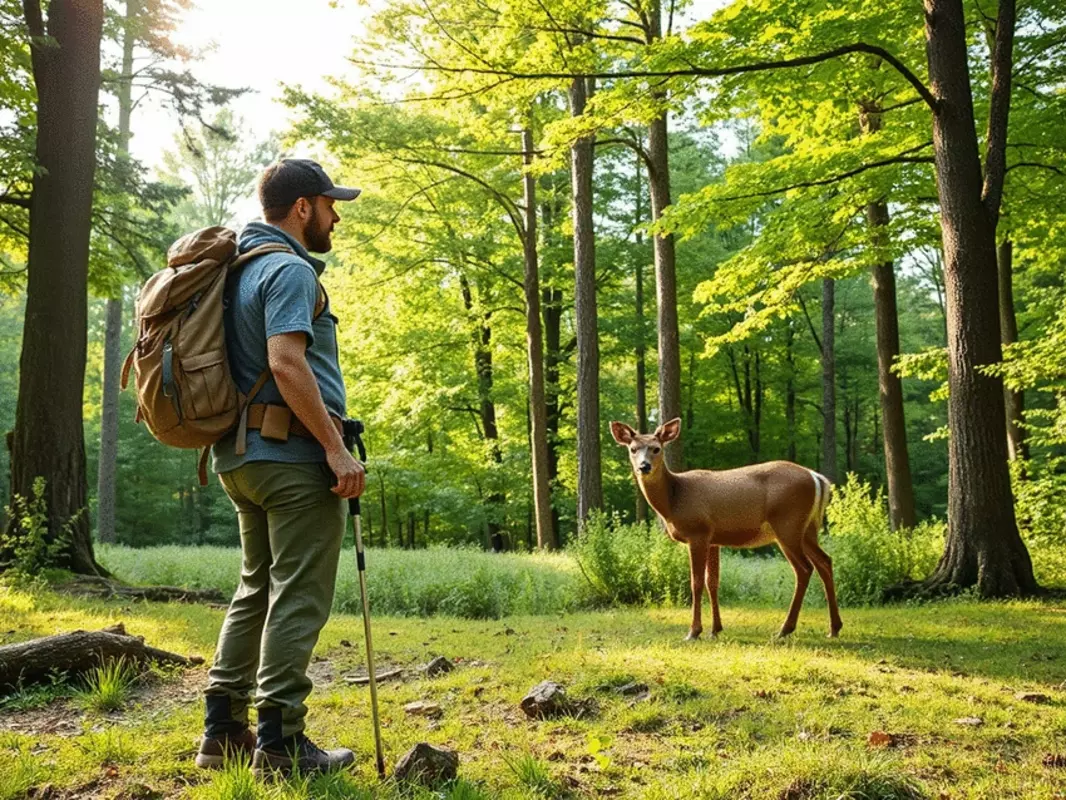
Encounters with wildlife can happen anywhere, from bustling national parks to quiet wooded trails. Some common animals you might encounter include:
- Bears: Depending on your location, black bears or grizzly bears can be present.
- Mountain lions: These elusive predators are more common than you might think.
- Snakes: Most snakes are harmless, but it's crucial to know which ones aren’t.
- Coyotes: Typically shy, these canines can sometimes come closer than you'd expect.
Being familiar with these species and their habits can significantly reduce the chances of an encounter turning dangerous. I often remind fellow hikers to respect the wildlife we share these beautiful spaces with! For additional guidance, consider reviewing the UNLV Wildlife Safety Guidelines for a broader understanding of best practices around various animals.
Wildlife Conservation: Balancing Safety and Preservation
Wildlife conservation is more than just a buzzword; it’s a necessary practice that ensures both the safety of outdoor lovers and the preservation of our natural ecosystems. When we prioritize wildlife safety in our adventures, we also contribute to conservation efforts.
Here are a few ways we can balance safety with preservation:
- Practice Leave No Trace: Always leave the environment as you found it; this helps habitats flourish.
- Educate others: Sharing knowledge about wildlife safety can foster a community of responsible outdoor enthusiasts.
- Support conservation organizations: Contributing to groups dedicated to wildlife protection can make a real difference!
As a passionate hiker, I've seen firsthand how our actions can impact the spaces we love. Together, we can ensure that future generations have the opportunity to explore and enjoy the great outdoors just as we do. For those interested in marine life viewing, the NOAA Fisheries website offers specific guidelines to ensure responsible interactions.
We Want to Hear From You!
Have you ever had a memorable wildlife encounter while hiking? Share your experience and any tips you learned along the way:
Frequently Asked Questions About Wildlife Safety
- Q: Why is wildlife safety important for outdoor adventures?
- A: Wildlife safety is important to prevent dangerous encounters, protect both humans and animals, and ensure a responsible and enjoyable outdoor experience. It fosters respect for the environment and maintains the natural balance of ecosystems.
- Q: What are some common wildlife I might encounter and how should I behave?
- A: You might encounter bears, mountain lions, snakes, and coyotes. Key behaviors include knowing their habits, making noise to avoid surprising them, keeping a safe distance, and carrying bear spray if in bear country. Specific behaviors vary by animal.
- Q: How can I contribute to wildlife conservation while enjoying the outdoors?
- A: You can contribute by practicing Leave No Trace principles, educating others about wildlife safety, and supporting conservation organizations. These actions help preserve natural habitats and reduce human-wildlife conflicts.
- Q: What should I do if I get an animal bite?
- A: Immediately clean the wound with soap and water, apply an antiseptic, and cover it with a sterile bandage. Monitor for signs of infection and seek medical attention for severe bites or bites from wild animals.
- Q: Where can I find more resources for learning about wildlife safety?
- A: Valuable resources include National Park Service guides, local hiking clubs that host seminars, and books or documentaries on wildlife behavior. These can deepen your understanding and help you explore responsibly.
Key Takeaways on Wildlife Safety
As outdoor enthusiasts, understanding wildlife safety is crucial to enjoying our adventures while keeping ourselves and our environment safe. Here are some essential safety tips to keep in mind when venturing into nature:
- Stay informed about local wildlife and their behaviors.
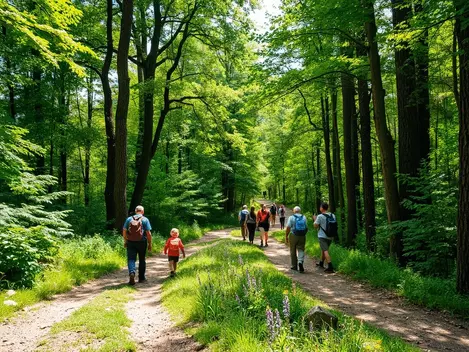
- Always travel in groups when possible.
- Make noise to alert animals of your presence.
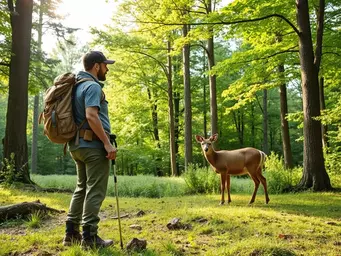
- Keep a safe distance from wildlife, observing them from afar.
- Carry bear spray and know how to use it effectively.
Being prepared is the first step in ensuring your safety. Each of these tips is designed to minimize the risk of encounters with wildlife and enhance your overall experience in the great outdoors. Remember, a little awareness can go a long way!
The Importance of Preparation and Awareness
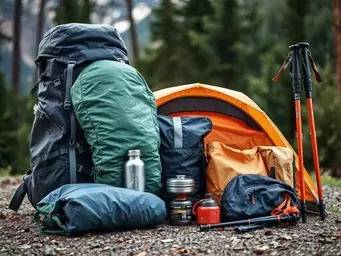
Preparation isn't just about packing the right gear—it's about mental readiness too. Before heading out, I always remind myself to familiarize myself with the area’s wildlife, their habitats, and any recent sightings. This knowledge not only keeps you safer but also enriches your experience in nature!

- Check local wildlife reports for recent activity.
- Review trail guides and recommendations for safe practices.
- Attend local workshops or talks on wildlife safety.
Being aware of potential wildlife encounters can shape how we interact with our surroundings. Plus, understanding the environment enhances our appreciation for the beauty and diversity of nature.
First Aid for Animal Bites: Essential Knowledge for Outdoor Activities
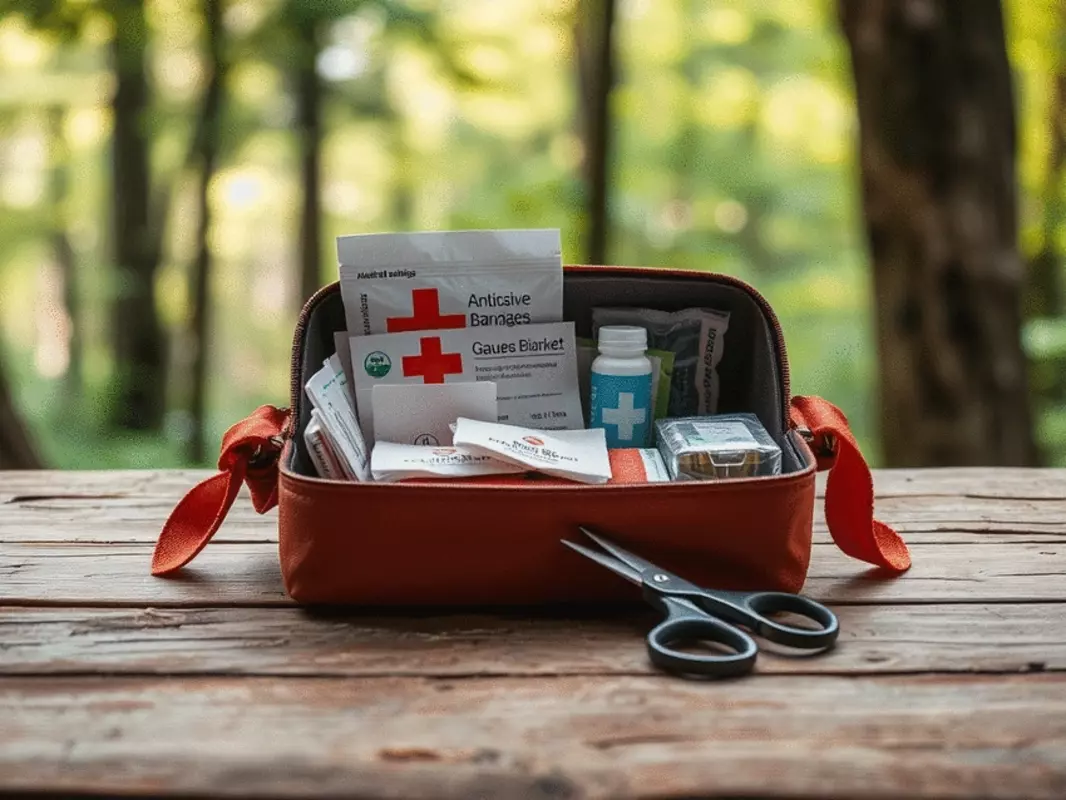
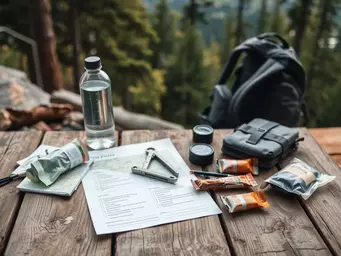
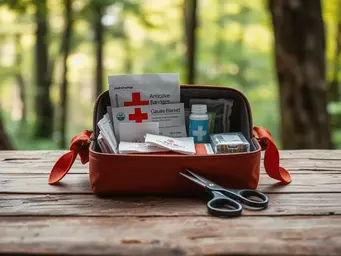
While we all hope to avoid wildlife encounters, it’s wise to be prepared for emergencies. Knowing how to handle an animal bite can make a significant difference in your response. Here’s a basic first aid guide:
- Clean the wound immediately with soap and water.
- Apply an antiseptic and cover it with a sterile bandage.
- Monitor for signs of infection, such as redness or swelling.
- Seek medical attention if the bite is severe or from a wild animal.
As someone who spends a lot of time outdoors, I've always found it empowering to have this knowledge. It’s not just about protecting yourself; it’s about ensuring you can continue to enjoy the beautiful trails and wildlife we encounter!
Encouraging Responsible Wildlife Encounters
As we venture into the wild, it’s essential to foster responsible wildlife encounters. This means not just focusing on our safety, but also respecting the animals we share this planet with.
Resources for Further Learning on Wildlife Safety
There are numerous resources available to help us stay informed about wildlife safety. Some of my favorites include:
- National Park Service guides on wildlife safety.
- Local hiking clubs often host seminars and workshops.
- Books and documentaries that explore wildlife behavior.
These resources can deepen our understanding and appreciation of nature, allowing us to explore responsibly and safely.
Join the Conversation: Share Your Experiences with Wildlife Encounters
I’d love to hear about your own wildlife encounters! At Backpack Hiking, we encourage everyone to share their stories. This not only helps others learn but also fosters a community passionate about safe outdoor exploration.
Wildlife Education: Teaching Others About Safe Practices
One of the most rewarding aspects of my journey as a hiking enthusiast is the opportunity to teach others about wildlife safety. Whether it's through workshops or casual conversations on the trail, sharing knowledge can help us all enjoy the outdoors more safely. Plus, it’s a great way to connect with fellow nature lovers!
Remember, our experiences and insights can make a significant impact in promoting responsible wildlife interactions that benefit both us and the environment.
Recap of Key Points
Here is a quick recap of the important points discussed in the article:
- Respect wildlife by understanding their behaviors and habitats.
- Always travel in groups and make noise to alert animals of your presence.
- Practice Leave No Trace principles to preserve natural habitats.
- Be prepared for emergencies by knowing first aid for animal bites.
- Educate others about wildlife safety to foster a community of responsible outdoor enthusiasts.