Hiking Backpack Features to Consider
Choosing the right hiking backpack can transform your outdoor experience. With countless options available, understanding essential features is key to finding the perfect fit for your adventures. This guide breaks down what you need to know about hydration, ventilation, and customization to enhance your hiking journey.
What You Will Learn
- Hydration options: Understand the benefits of hydration bladders versus water bottles for quick access to water.
- Importance of ventilation: Learn how proper back panel technologies can enhance comfort during hikes.
- Storage solutions: Discover the significance of pocket placement for easy access to gear on the trail.
- Customization features: Explore adjustable components that cater to your unique hiking style and needs.
- Essential vs. non-essential features: Identify what features matter most to enhance your hiking experience.
- Maintenance tips: Learn how to properly care for your backpack to extend its lifespan and reliability.
Hydration System Comparison and Backpack Ventilation
Understanding the key differences between hydration systems and the importance of ventilation can significantly enhance your hiking comfort and efficiency. Below is a side-by-side comparison to help you choose the best options for your adventure.
Hydration: Bottles vs. Bladders
Water Bottles
- Easier to refill & clean
- Good for short hikes
- Less prone to leaks
Hydration Bladders
- Quick access, no stopping
- Ideal for long hikes
- Dedicated compartments
Ventilation: Mesh vs. Foam-Free Back Panels
Mesh Panels
- Excellent airflow
- Reduces sweating
- Ideal for warm weather
Foam-Free Panels
- Closer fit to back
- Improved weight distribution
- Good for heavy loads
Key Features of Hiking Backpacks That Make a Difference
Choosing the right hiking backpack can feel overwhelming, but understanding the key features can make all the difference! Here at Backpack Hiking, I’ve spent over a decade testing various packs, and I’ve learned that certain elements can truly elevate your outdoor experience. Let's dive into the features that matter most when selecting your next hiking companion!
Understanding Hydration Options: Bottles vs. Bladders
When it comes to staying hydrated on the trail, you have two main options: water bottles and hydration bladders. Each has its own set of advantages that cater to different hiking styles. Personally, I’ve found that hydration bladders provide quick access to water without needing to stop, while bottles can be easier to refill and clean.
Evaluating Water Bottle Pockets and Their Accessibility
Water bottle pockets are crucial for quick hydration. Look for backpacks with adequate side pockets that are easily reachable while you’re on the move. I prefer pockets that are deep enough to prevent my bottles from falling out but still accessible without removing my pack.
- Deep, secure pockets for stability
- Elastic openings for easy access
- Placement that allows for quick hydration
Exploring Hydration Bladders: Integration and Benefits
Hydration bladders offer seamless integration into your backpack, providing a steady flow of water. With a bladder, I can sip water without stopping, making it a great option for long hikes. It’s essential to choose a pack with a dedicated compartment for the bladder to prevent leaks and ensure easy access.
Tube Routing Best Practices for Efficient Hydration
To maximize efficiency, consider how the hydration tube routes through your pack. I recommend choosing a backpack that allows for convenient tube placement, ensuring it’s accessible without interfering with your movement. Keep the tube secured to avoid tangles and ensure you can hydrate easily.
Comparison of Hydration Systems: Reservoirs vs. Bladders
Both hydration reservoirs and bladders have their benefits. Reservoirs are often larger and can hold more water, while bladders tend to be lighter and more flexible. Think about your hiking duration and personal preferences when deciding which system suits you best!
Ventilation Matters: Keeping You Comfortable on the Trail
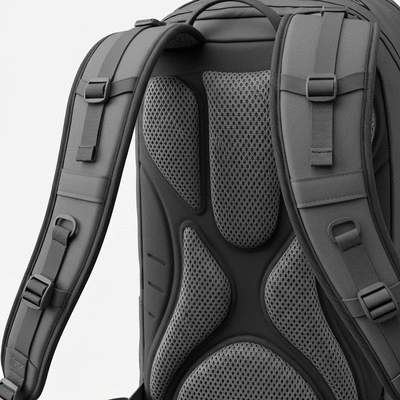
Comfort is key on the trail, and proper ventilation in your backpack can make a significant difference. A well-ventilated pack helps reduce sweating and discomfort, especially during warm hikes. Let’s explore how different designs contribute to your hiking comfort!
Back Panel Technologies: Mesh vs. Foam-Free Designs
When assessing back panels, you’ll find two primary types: mesh and foam-free designs. Mesh panels offer excellent airflow, while foam-free designs can provide a closer fit to your back for improved weight distribution. I often choose mesh for summer hikes to keep cool!
How Airflow and Ventilation Impact Your Hiking Experience
Good airflow can significantly enhance your experience on the trail. A backpack that promotes ventilation can keep your back dry and comfortable, translating into less fatigue during your journey. Remember, comfort equates to enjoying the great outdoors even more!
Comparing Performance: Ventilation Across Different Frame Types
Ventilation performance can vary across frame types. Internal frames offer a streamlined fit, while external frames allow for more airflow. Depending on your hiking conditions, consider which frame type offers the best balance of support and breathability.
Understanding Airflow Channels and Their Benefits
Airflow channels are designed to enhance breathability by allowing air to circulate between your back and the pack. This feature can drastically reduce perspiration, making your hike more enjoyable. Be sure to check for these channels when shopping for your next pack!
Storage Solutions: Organizing Your Gear Effectively
Once you’ve assessed hydration and ventilation, it’s time to look at storage solutions. A well-organized backpack can make your hike smoother and more enjoyable by giving you easy access to gear when you need it.
Analyzing Pocket Placement and Accessibility
Pocket placement is crucial for keeping your gear organized and accessible. I prefer packs with multiple compartments, which allow me to store essential items separately. Here’s what to consider:
- Pockets should be easy to access while wearing the pack
- Different sizes for various gear types
- Strategically placed hipbelt and dorsal pockets for essentials
Benefits of Hipbelt Pockets and Dorsal Pockets
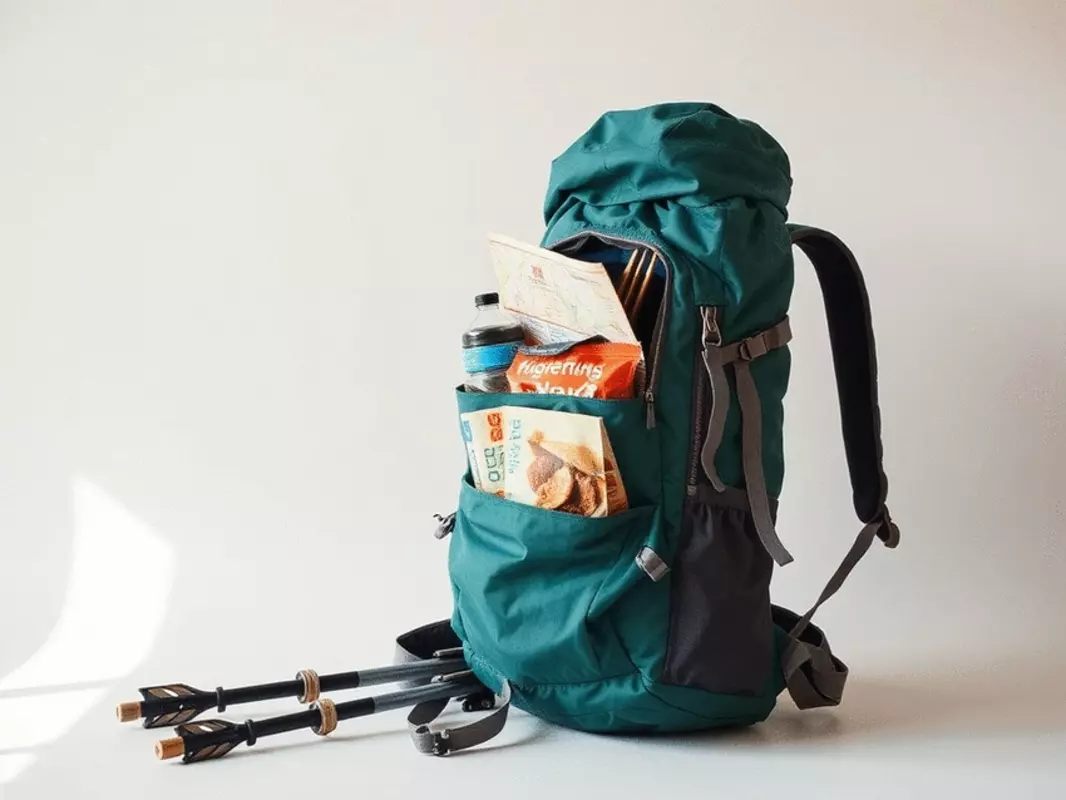
Hipbelt pockets are perfect for snacks or small items like your phone, while dorsal pockets can hold larger items like maps. Having these pockets easily accessible while hiking allows you to grab what you need without removing your pack!
Assessing Storage Compartments: Size, Shape, and Functionality
Consider the size and shape of storage compartments when choosing your backpack. Different shapes can accommodate various gear types, such as tent stakes or trekking poles. Evaluate what you typically carry to determine the best fit for your hiking needs.
Utilizing Front and Side Pockets for Easy Access
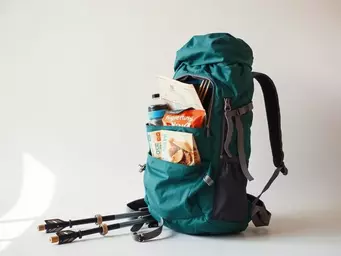
Front and side pockets can be lifesavers for quick access to items like first aid kits or snacks. I’ve often found myself reaching for something mid-hike, and having those items at the front of my pack makes it so much easier!
Customizing Your Backpack: Adaptability for Different Needs
No two hikers are the same, and neither are their gear needs. When selecting a backpack, look for customizable features that allow you to adapt it to your specific hiking style. Here’s what I recommend checking out!
Understanding Adjustable Features: Torso Length and Hip Belt Width
Adjustable torso lengths and hip belt widths can make a significant difference in comfort. Finding the right fit for your body type can enhance weight distribution and prevent discomfort. Make sure to test these features before purchasing!
Removable Components: When Are They Worth It?
Some backpacks come with removable components, such as lids or extra straps. These can be handy for customizing your pack based on the trip length or your specific gear needs. Evaluate whether the added versatility suits your hiking style.
Exploring Customization Options for Enhanced Fit
Take advantage of any customization options available for an enhanced fit. Features like load lifters and adjustable sternum straps can help you achieve the perfect alignment for your pack, making your hike much more enjoyable!
Interactive Poll: Your Hiking Preferences
We want to know what features you prioritize when choosing a hiking backpack! Share your thoughts below:
Making Informed Decisions: Choosing the Right Features
When it comes to selecting a hiking backpack, understanding the importance of essential vs. non-essential features can significantly impact your hiking experience. As I’ve explored various trails, I’ve learned that the right features can elevate comfort and functionality. Let’s dive into the key considerations that can help you make informed decisions about your gear!
Weighing the Importance of Essential vs. Non-Essential Features
Each hiker has unique needs, which means the features that matter most will differ from person to person. While some features may seem attractive, they might not enhance your overall hiking experience. Identifying what truly matters can save you from being overwhelmed by options. Here are some essential features to consider:
- Water Resistance: This keeps your gear dry during unexpected rain.
- Comfortable Suspension System: A good system distributes weight evenly, as highlighted by the American Hiking Society's guidelines on backpack fit and features.
- Padded Shoulder Straps: Essential for long hikes to prevent discomfort.
- Adjustable Torso Length: Ensures the best fit for your body shape.
By focusing on these essentials, you can prioritize your needs over flashy extras that may not serve you on the trail.
Understanding the Weight-to-Feature Trade-Offs
One of the biggest challenges in backpack selection is managing the weight-to-feature trade-offs. While it’s tempting to load up on features, remember that each addition can weigh you down. I often find myself asking: will this feature genuinely enhance my experience, or is it just adding unnecessary bulk? Keeping your pack lightweight is crucial for longer hikes, so think about what you truly need!
Identifying Your Hiking Style: How It Influences Feature Selection
Your hiking style plays a significant role in what features you should look for. Are you a weekend warrior who prefers short day hikes, or do you venture into the backcountry for multi-day treks? Understanding your style can guide your choices, and resources like the National Park Service's hiking safety articles often emphasize the importance of appropriate gear for different types of outings:
- Day Hikers: Focus on lightweight packs with fewer features.
- Backpackers: Look for durability and storage capacity.
- All-Terrain Adventurers: Prioritize versatility with adjustable features.
Choosing a backpack that aligns with your hiking habits will ensure you get the most out of your adventures!
Evaluating Load Lifters and Compression Straps for Weight Distribution
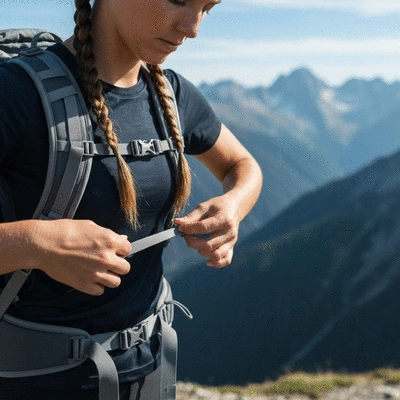
Load lifters and compression straps are often overlooked features but can make a significant difference in weight distribution. These elements help pull the pack closer to your body, improving balance and comfort. As I’ve learned from my experiences, properly utilizing these straps can prevent fatigue and enhance stability. Here’s what to keep in mind:
- Load Lifters: Adjust them to keep the pack stable and close to your shoulders.
- Compression Straps: Use them to tighten your load, distributing weight evenly.
Getting these adjustments right can transform your hiking experience, allowing you to focus on enjoying nature rather than battling an uncomfortable backpack.
Extending the Life of Your Backpack: Maintenance Tips
To fully enjoy your hiking backpack, it’s essential to extend its lifespan through proper maintenance. After countless hikes, I've gathered some valuable tips that can help keep your gear in peak condition!
Cleaning and Care for Different Materials
Each backpack material requires specific cleaning techniques. For instance, if your pack is made of synthetic fabric, it’s easier to clean than those from delicate materials. Here are some general care tips:
- Regularly wipe down: Use a damp cloth to remove dirt and debris.
- Spot clean: For stubborn stains, use mild soap and water.
- Avoid harsh chemicals: These can degrade the material over time.
These simple care routines can enhance the longevity of your backpack and ensure it remains a reliable companion on your outdoor adventures!
Common Repairs and When to Seek Professional Help
Even the best backpacks can face wear and tear. It’s important to know how to handle common repairs or when it’s best to seek professional help. Some typical issues include:
- Broken Zippers: A quick fix with a zipper repair kit can save your pack.
- Frayed Straps: If they’re beyond repair, consider a trip to a professional.
- Waterproofing: Refresh your pack’s water resistance with spray treatments.
Recognizing when to tackle these repairs yourself and when to consult a professional can keep your backpack in great shape for years to come.
Understanding Durability and Water Resistance in Backpack Materials
Durability and water resistance are crucial factors in backpack materials. A pack that can withstand the elements will serve you better in the long run. I’ve learned through my hiking journeys that investing in a quality backpack pays off. Focus on materials like nylon or polyester, which offer durability and resistance against water. For general advice on preparing for your adventures, the U.S. Forest Service offers valuable "Know Before You Go" hiking tips, which often include gear recommendations.
Your Next Steps: How to Choose the Right Backpack for You
As you embark on your journey to select the perfect backpack, keep these insights in mind. The right features and proper maintenance can make all the difference in your outdoor adventures. I encourage you to explore your options, test the fit, and find a pack that feels like a natural extension of yourself on the trail!
Frequently Asked Questions (FAQs)
- Q: What are the main hydration options for hiking backpacks?
- A: The main hydration options are water bottles and hydration bladders. Water bottles are easier to refill and clean, while hydration bladders offer quick access to water without stopping, ideal for long hikes.
- Q: Why is ventilation important in a hiking backpack?
- A: Proper ventilation helps reduce sweating and discomfort, especially during warm weather. Features like mesh back panels and airflow channels promote breathability, keeping your back dry and comfortable.
- Q: What are the benefits of hipbelt and dorsal pockets?
- A: Hipbelt pockets are great for small, frequently accessed items like snacks or a phone, while dorsal pockets can hold larger essentials like maps. They allow quick access to items without needing to remove your pack.
- Q: How can I customize my backpack for a better fit?
- A: Look for adjustable features such as torso length, hip belt width, load lifters, and adjustable sternum straps. These allow you to tailor the pack to your body type, improving weight distribution and comfort.
- Q: What are essential features to look for in a hiking backpack?
- A: Essential features include water resistance, a comfortable suspension system, padded shoulder straps, and an adjustable torso length. These features contribute significantly to comfort and functionality on the trail.
- Q: How can I extend the lifespan of my hiking backpack?
- A: Regular cleaning and proper care are key. This includes wiping down the pack, spot cleaning with mild soap, avoiding harsh chemicals, and addressing repairs like broken zippers or frayed straps promptly. Re-waterproofing when needed also helps maintain durability.
Recap of Key Points
Here is a quick recap of the important points discussed in the article:
- Hydration Options: Choose between water bottles and hydration bladders based on your hiking style.
- Ventilation: Look for backpacks with mesh back panels and airflow channels to keep you comfortable.
- Storage Solutions: Prioritize pocket placement and accessibility for easy gear organization.
- Customization: Find backpacks with adjustable features to enhance fit and comfort.
- Essential Features: Focus on water resistance, comfortable suspension systems, and padded shoulder straps for optimal hiking experience.
- Maintenance Tips: Regular cleaning and addressing repairs promptly can extend the life of your backpack.