Emergency Communication Tools for Hiking

What if a simple device could be the key to your safety while exploring the great outdoors? Understanding emergency communication options is essential for any hiker who values their life and well-being. Whether you're facing a twisted ankle or getting lost on an unfamiliar trail, the right device ensures that help is just a message away.
What You Will Learn
- Emergency communication devices provide immediate assistance in remote areas, crucial for your safety.
- Two-way communication features enable direct contact with rescuers, enhancing your ability to receive help.
- Devices like satellite messengers and personal locator beacons (PLBs) are essential for effective emergency signaling.
- Key considerations include device type, coverage area, battery life, and subscription plans to ensure you're adequately prepared.
Emergency Communication Device Comparison
Choosing the right emergency communication device is crucial for remote hiking safety. Below is a comparison of key features across different device types to help you make an informed decision.
Satellite Messengers
Description: Two-way messaging & SOS functionality.
- Key Feature: Real-time tracking & location sharing.
- Benefit: Allows communication with friends/family and emergency services.
- Example: Garmin inReach series.
Personal Locator Beacons (PLBs)
Description: Designed solely for sending distress signals.
- Key Feature: Compact size & powerful signal broadcast.
- Benefit: Immediate rescue by alerting local authorities.
- Example: ACR ResQLink.
Smartphone Apps (with Satellite)
Description: Apps paired with satellite connectivity.
- Key Feature: Leverages existing smartphone interface.
- Benefit: Can offer messaging capabilities in remote areas.
- Consideration: Requires satellite accessory; limited native coverage.
Key Considerations
Factors to evaluate when choosing:
- Coverage Area: Ensure device works in planned locations.
- Battery Life: Critical for extended trips.
- Subscription: Research costs and features of service plans.
Understanding Emergency Communication Devices for Remote Hiking Safety
As a seasoned hiker, I can’t stress enough how crucial it is to be prepared for emergencies while exploring remote trails. When you're miles away from civilization, even a minor mishap can escalate quickly. Having a reliable emergency communication device can mean the difference between a small complication and a life-threatening situation. Whether it’s a twisted ankle or getting lost, knowing you can reach help at any time brings peace of mind.
Imagine hiking in a stunning, isolated landscape, your heart full of adventure, but suddenly encountering an unexpected emergency. Panic can easily set in, but with the right device, you can stay connected and ensure your safety. This is why understanding emergency communication options is not just wise; it's essential for every hiker who values their safety in the great outdoors.
Why Emergency Communication is Essential for Hikers
Emergency communication devices are a hiker’s best friend. They provide a lifeline when you need it the most. Here’s why they are so vital:
- Immediate Assistance: These devices enable you to summon help instantly, no matter where you are.
- Two-Way Communication: Unlike traditional cell phones, many emergency devices allow for bidirectional messaging, keeping you in touch with rescuers.
- Tracking Capabilities: Some devices can track your movements, making it easier for search teams to locate you.
When I hit the trails, I always ensure that I have a reliable communication device with me. Emergencies are unpredictable; being prepared is a proactive step toward safety. Have you ever thought about what you would do if something went wrong while you were out there?
Overview of Emergency Communication Options
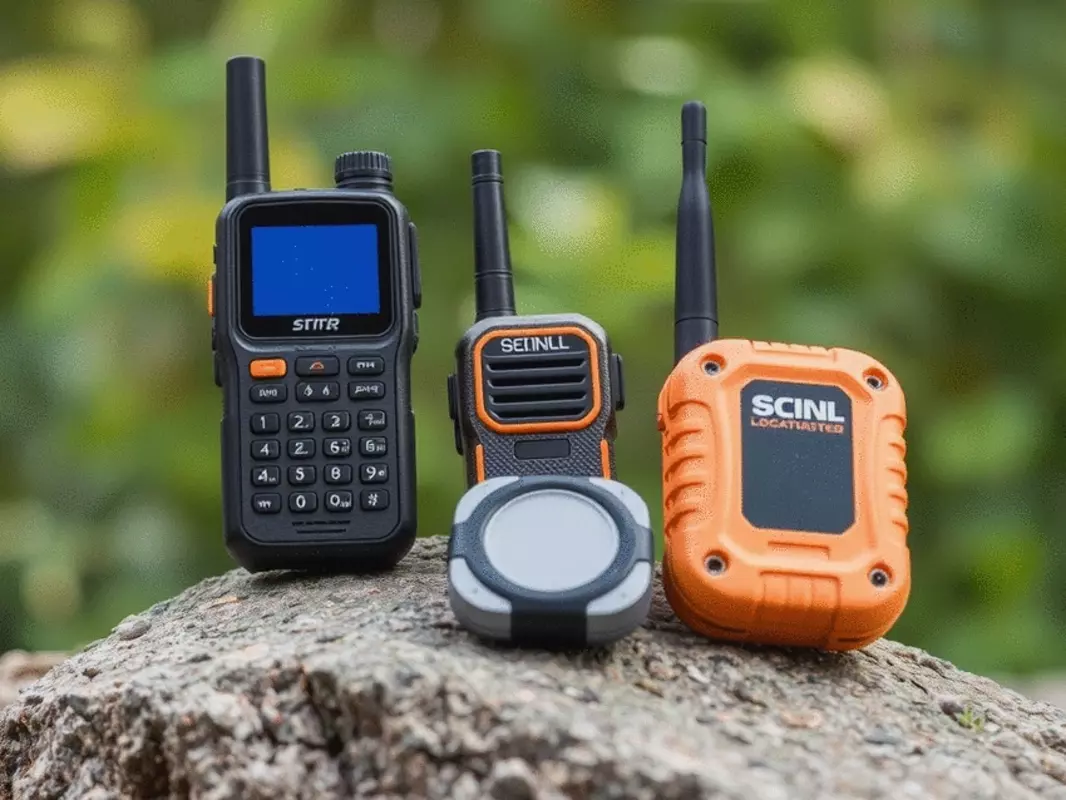
There are various types of emergency communication devices tailored for hikers, each with unique features. Here’s a quick overview:
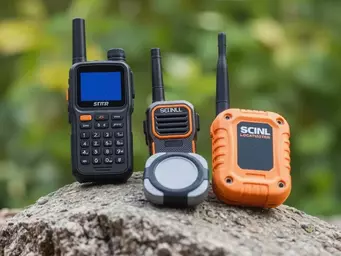
- Satellite Messengers: These devices use satellite networks to send messages and alert emergency services virtually anywhere on the planet.
- Personal Locator Beacons (PLBs): Designed solely for sending distress signals, PLBs are essential for immediate rescue.
- Smartphone Apps: Some apps, when paired with satellite connectivity, can offer messaging capabilities.
Understanding these options can help you choose the best device for your hiking needs. At Backpack Hiking, I emphasize the importance of being equipped with the right tools before setting off on a journey. The wild is unpredictable, but your preparedness doesn't have to be!
Detailed Reviews of the Leading Satellite Communication Devices
Garmin inReach Series: Features and Functionality
The Garmin inReach series stands out for its robust features, including two-way messaging and SOS functionality. With a user-friendly interface, these devices allow you to easily communicate with friends and family while also reaching emergency services when needed.
One of the things I love about the inReach series is the ability to track your route and share your location in real-time. This feature not only enhances safety but also helps loved ones know exactly where you are during your hike. It’s like having a little safety net while you’re out exploring!
SPOT Devices: Reliability and Coverage
SPOT devices have become a trusted choice among outdoor enthusiasts. Known for their reliability, these devices work well even in remote areas where cellular signals are nonexistent. The ability to send help requests and update your status can be game-changing when hiking off the beaten path.
With various models available, SPOT offers options tailored to different hiking styles. I’ve used my SPOT device on numerous hikes, and it has always provided peace of mind, knowing I can call for help if needed.
ACR ResQLink and Other Personal Locator Beacons
The ACR ResQLink is another excellent option for hikers looking for a reliable personal locator beacon. What sets this device apart is its compact size and powerful signal broadcast. When activated, it sends a distress signal to local authorities, ensuring that help is on the way.
In addition to the ACR ResQLink, there are other PLBs worth considering, each with unique features and capabilities. Comparing these devices can help you find the one that best suits your hiking adventures.
We Want to Hear From You!
What do you think about the importance of emergency communication devices while hiking? Have you ever experienced a situation where having one would have made a difference? Share your thoughts below:
Making an Informed Decision on Emergency Communication Devices
When it comes to choosing the right emergency communication device for your hiking adventures, it can feel overwhelming. With so many options available, understanding the critical features and considerations is essential for ensuring your safety. Here’s a recap of the key insights that will aid in making your decision.
Summary of Key Insights for Hikers
- Device Type: Consider whether a satellite messenger or a personal locator beacon (PLB) suits your needs.
- Coverage Area: Check the coverage map to ensure the device works in your planned hiking locations.
- Emergency SOS Features: Look for devices offering two-way messaging or SOS functionality for quick help.
- Battery Life: Evaluate battery life to ensure your device lasts throughout your trip.
- Subscription Plans: Research the cost and features of various subscription plans for ongoing service.
These factors can significantly impact your hiking experience. As someone who has spent years exploring trails, I can’t stress enough the importance of being adequately equipped. You never know when you might need to reach out for help!
Recommendations for Safe and Responsible Hiking
Before you head out into the wild, take the time to evaluate your specific hiking needs. Are you planning short day hikes or multi-day backpacking trips? Knowing this will help you narrow down your options. It’s important to choose a device that fits your adventure style!
- Assess Your Hiking Frequency: If you hike frequently in remote areas, investing in a reliable communication device is a must.
- Consider Your Group: If you're hiking with others, ensure everyone is familiar with the device and its functionality.
- Review User Feedback: Check online reviews and personal testimonials for real-world insights into device performance.
By considering these recommendations, you’ll enhance your overall hiking experience and enable yourself to respond effectively in emergencies.
Next Steps for Outdoor Enthusiasts
Where to Buy and How to Maintain Your Device
Now that you’re equipped with the knowledge to choose the right emergency communication device, it's time to think about where to purchase one. I recommend looking into trusted outdoor retailers or specialized websites that focus on hiking gear. Here are a few resources to consider:
- REI - A well-known outdoor retailer offering a wide range of hiking gear.
- Backcountry - Great for outdoor gear and equipment, including communication devices.
- Amazon - Offers a variety of options with user reviews to help in your decision-making.
Once you have your device, proper maintenance is crucial. Regularly check the battery, keep the software updated, and make sure your contact information is current.
Join the Conversation and Share Your Experience
I’d love to hear from you! Have you had any experiences using emergency communication devices while hiking? Please share your stories or any questions you might have. Engaging in conversation not only helps us learn from each other but also builds a supportive hiking community. Your insights could inspire fellow outdoor enthusiasts to make informed decisions!
Essential Hiking Gear to Complement Your Communication Device
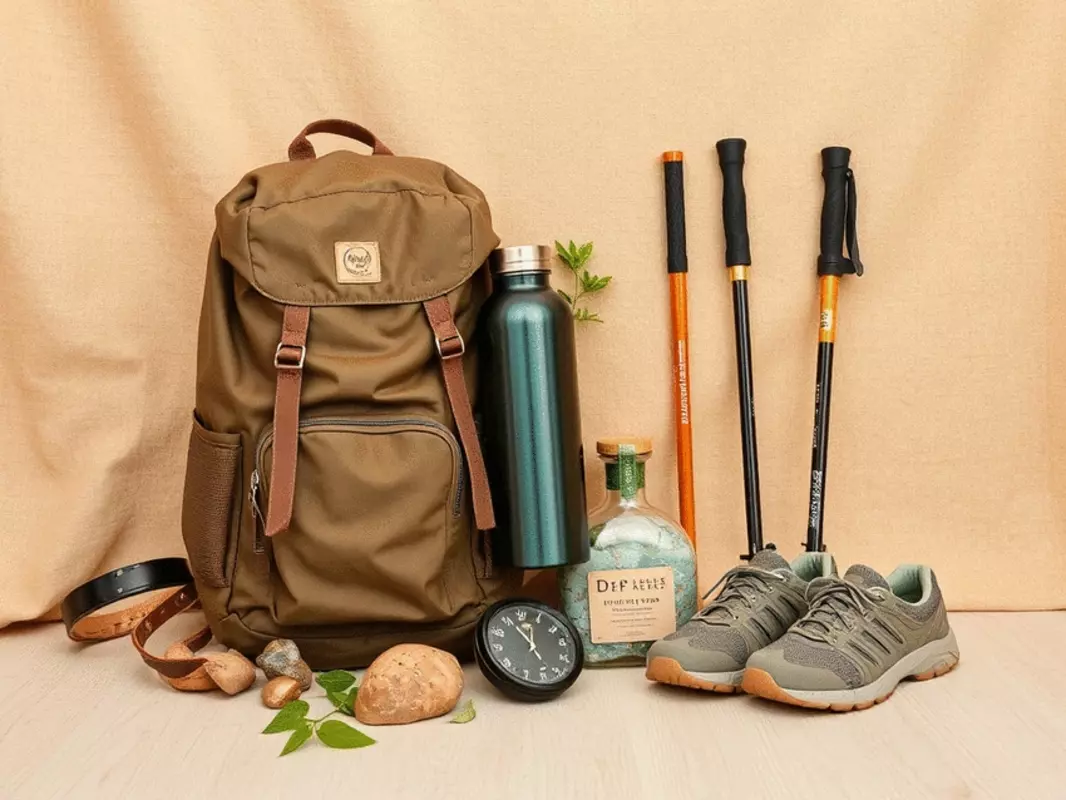
To enhance your safety on the trails, consider carrying additional gear that complements your communication device. Here are some essentials that every hiker should have:
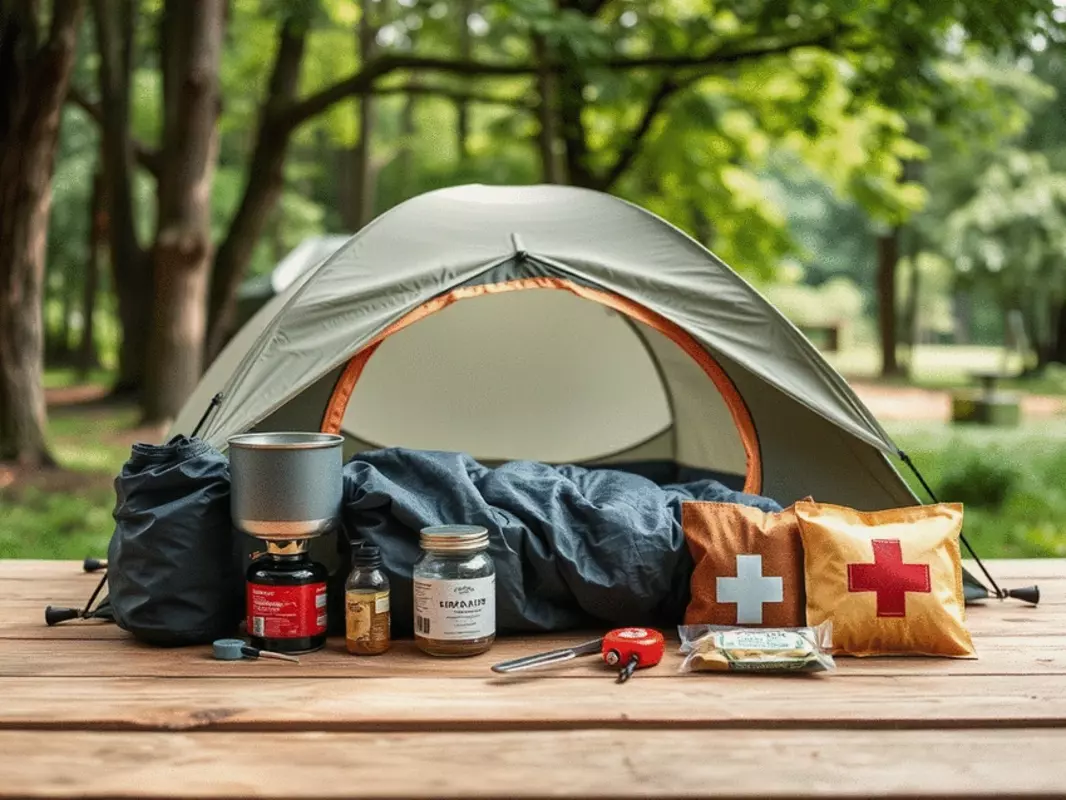
- Emergency Bivvy Bags: Lightweight and compact, they provide warmth in unexpected situations.
- Portable Solar Chargers: Keep your devices powered during extended trips.
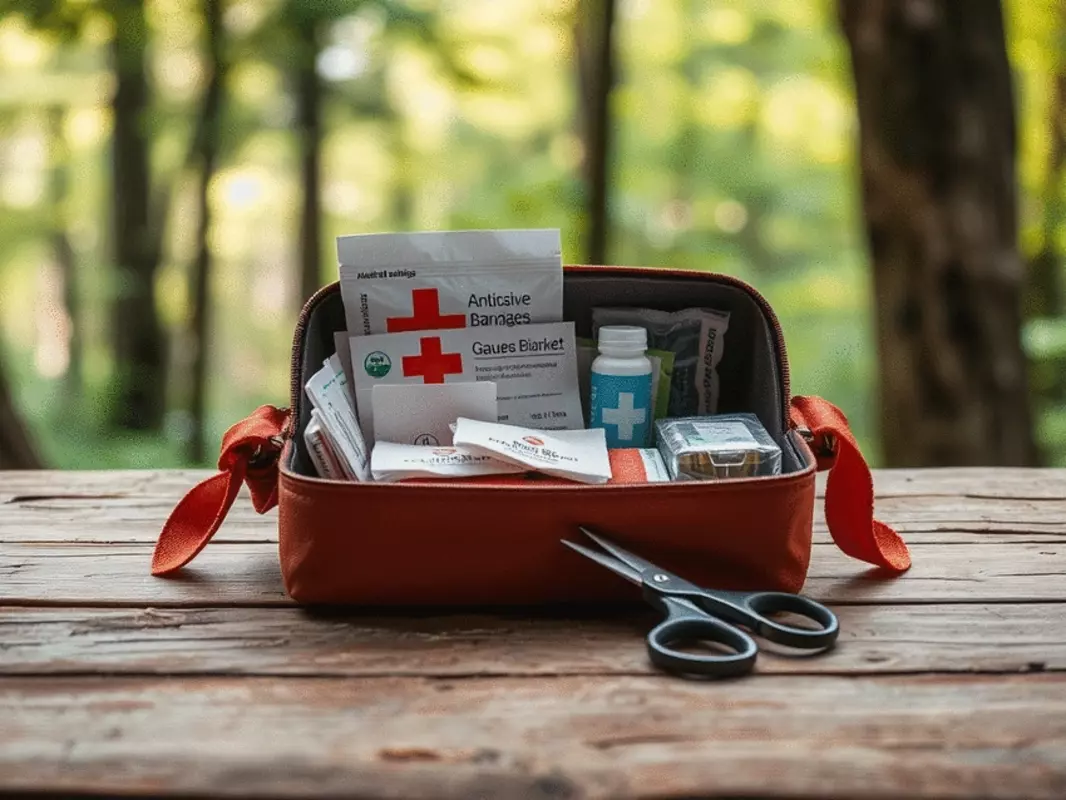
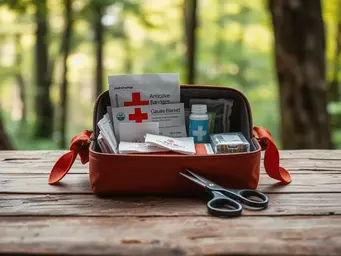
- First Aid Kits: Always have a basic first aid kit on hand for minor injuries.
These items not only improve your readiness but also enhance the overall security of your hiking adventures. Remember, being prepared is the best way to enjoy the beauty of nature!
Frequently Asked Questions About Emergency Communication Devices
- Q: What is the primary purpose of an emergency communication device for hikers?
- A: The primary purpose is to provide a reliable means of communication for immediate assistance in remote areas where cellular service is unavailable, ensuring safety and enabling rescue in emergencies.
- Q: What are the main types of emergency communication devices discussed?
- A: The main types are Satellite Messengers (e.g., Garmin inReach), Personal Locator Beacons (PLBs) (e.g., ACR ResQLink), and Smartphone Apps with satellite connectivity.
- Q: What is the difference between a satellite messenger and a PLB?
- A: A satellite messenger offers two-way communication (messaging and SOS functionality), real-time tracking, and location sharing. A PLB is designed solely for sending a one-way distress signal to alert emergency services for immediate rescue.
- Q: What key factors should I consider when choosing an emergency communication device?
- A: Key factors include the device type (satellite messenger vs. PLB), coverage area to ensure functionality in your planned hiking locations, battery life for extended trips, and the costs and features of available subscription plans.
- Q: Why is two-way communication important in an emergency device?
- A: Two-way communication allows you to exchange messages with rescuers, providing crucial updates on your situation, injuries, and exact location, which significantly enhances the effectiveness and speed of a rescue operation. For more information on effective communication in emergencies, you can refer to resources like this guide on emergency communication devices.
Recap of Key Points
Here is a quick recap of the important points discussed in the article:
- Immediate Assistance: Emergency communication devices allow you to summon help instantly, regardless of your location.
- Two-Way Communication: Many devices support bidirectional messaging, enabling continuous contact with rescuers.
- Tracking Capabilities: Select devices can track your movements, aiding search teams in locating you swiftly.
- Device Type: Choose between satellite messengers and personal locator beacons (PLBs) based on your hiking requirements.
- Coverage Area: Ensure the device functions in your planned hiking locations by checking coverage maps.
- Emergency SOS Features: Opt for devices that offer two-way messaging or SOS functionality for quick help.
- Battery Life: Investigate battery longevity to ensure your device remains functional throughout your hike.
- Subscription Plans: Consider the costs and features of various subscription plans necessary for device operation.